Steam Mops: Do They Replace Regular Mopping?
Can steam mops truly replace the traditional bucket-and-mop routine? From hygiene and cost to practicality and floor types, this is a clear look at whether this modern gadget is a real upgrade or just a convenience.
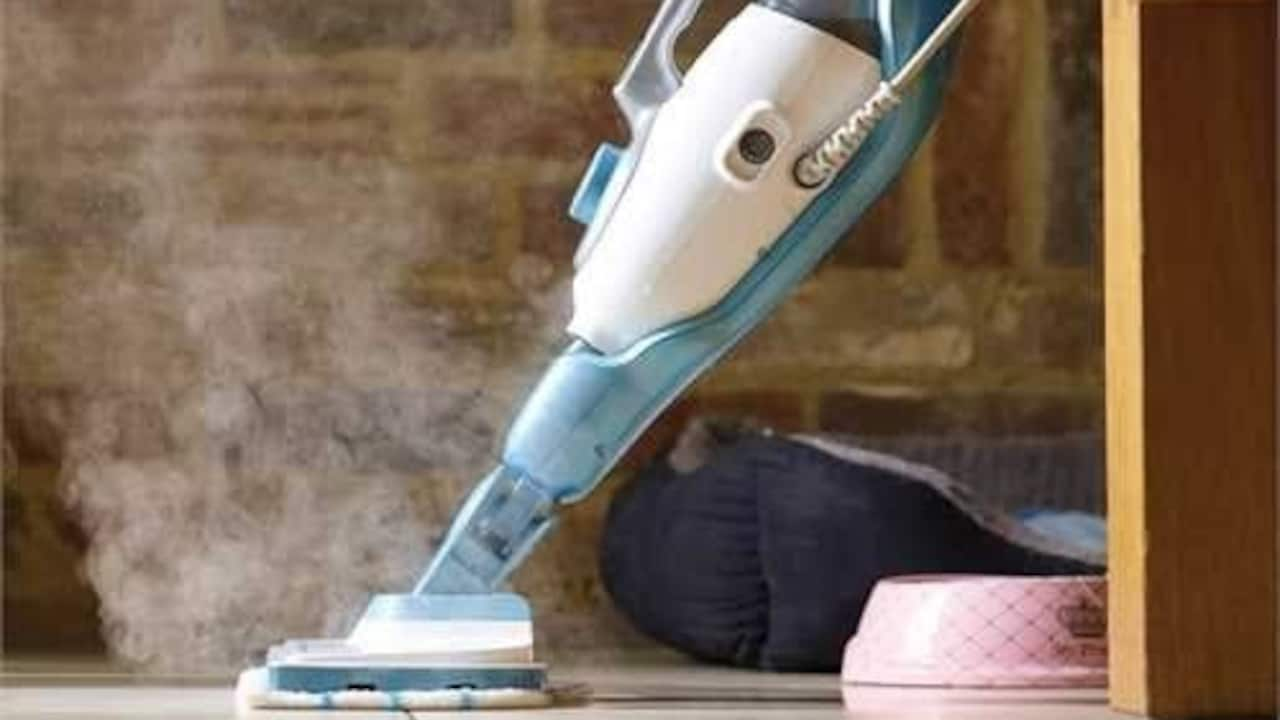
Steam Mops Vs Regular Mopping: Which Cleans Floors Better In Modern Homes?
Floor cleaning rarely feels glamorous, yet it shapes everyday life. Children play on the tiles. Guests sit cross-legged during festivals. A stray grain of rice underfoot quickly ruins a good mood. For decades, households have relied on a bucket filled with water, disinfectant, and a well-wrung mop. The rhythm feels familiar: dip, squeeze, swipe, repeat.
Now, appliance stores display sleek steam mops with promises of “chemical-free hygiene” and “deep sanitisation.” Prices range from around ₹3,000 for basic models to ₹12,000 or more for branded options with attachments. Advertisements suggest that hot steam alone can eliminate germs and stubborn stains in one smooth motion.
The big question lingers: do steam mops genuinely replace regular mopping, or do they serve a different purpose altogether? The answer depends on lifestyle, flooring type, cleaning habits, and even the climate. Let us explore ten essential aspects before deciding whether the bucket deserves retirement.
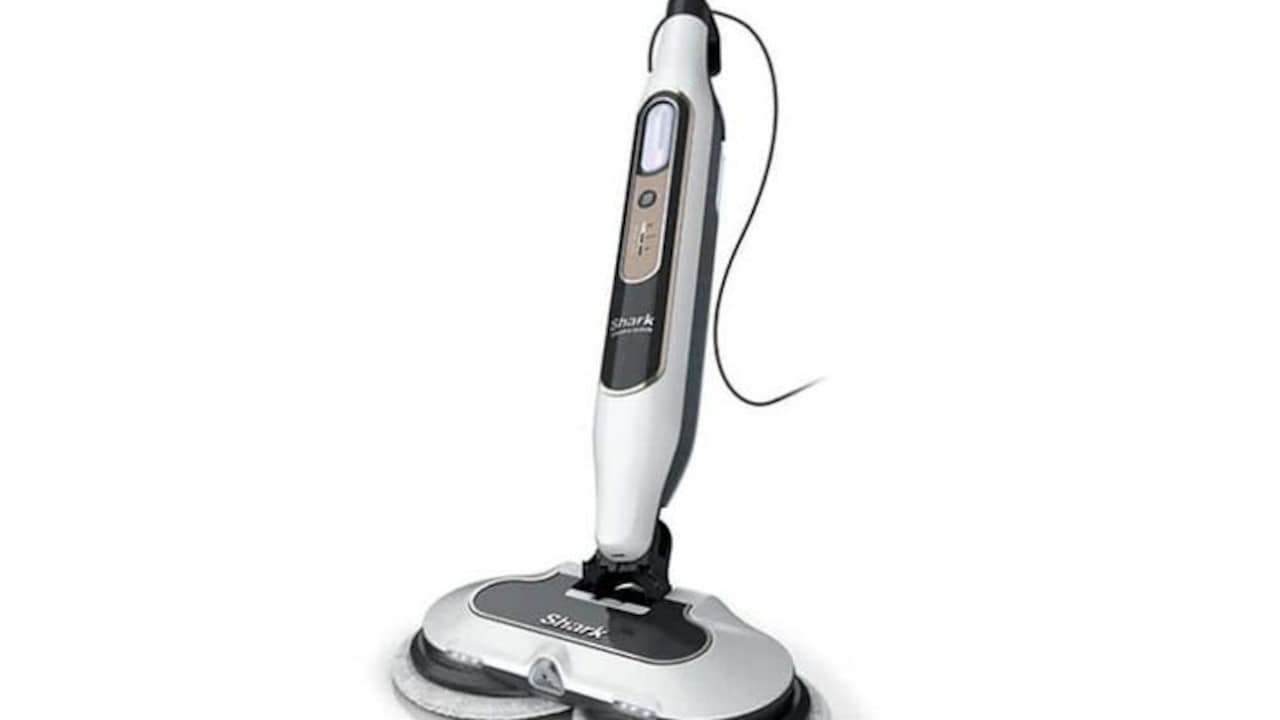
Steam Mops: Do They Replace Regular Mopping?; Photo Credit: Pexels
Understanding The Debate Around Steam Mops
The Appeal Of Modern Convenience
Steam mops attract attention for one simple reason: convenience. Traditional mopping involves hauling a bucket across rooms, changing murky water midway and squeezing out excess liquid. In humid weather, the process feels heavy and never-ending. A steam mop simplifies the setup. Fill the tank, plug it in, wait a minute, and start gliding.
For busy families balancing office work, school runs and social commitments, this speed matters. Many urban flats feature compact spaces where storage remains limited. A slim steam mop fits neatly behind a door, while buckets often sit awkwardly in balconies or bathrooms.
Convenience also means less contact with dirty water. Nobody enjoys wringing out a grey, smelly mop after cleaning the kitchen. Steam mops reduce that unpleasant step. However, convenience does not automatically equal replacement. The deeper question lies in whether this speed compromises thoroughness or suits the varied messes of daily life.
Cleaning Power And Hygiene
Steam mops rely on high-temperature vapour to loosen dirt and kill bacteria. The heat penetrates grime and lifts it from surfaces without needing chemical disinfectants. For households conscious about harsh cleaning agents, this feature feels reassuring. Children and pets crawl on floors; fewer chemicals reduce worry.
In theory, steam above 100°C tackles many common germs. Marketing campaigns highlight this sanitising ability, especially after recent years' heightened awareness about hygiene. Regular mopping with detergent or phenyl also cleans effectively, yet it depends on proper dilution and technique. Too much water spreads dirt; too little leaves streaks.
Still, steam mops struggle with thick, sticky messes. Split dal that dries into a crust or oily patches near the stove often requires pre-scrubbing. A traditional mop, combined with a scrub brush, handles these challenges more flexibly. So while steam enhances hygiene, it may not single-handedly replace every cleaning need.
Also Read: Steam Mop Vs Regular Mop: Uncovering The Best Tool For Your Home
Suitability For Different Floor Types
Not every floor welcomes steam. Ceramic tiles and sealed stone generally tolerate it well. Steam mops glide smoothly across such surfaces, leaving a light sheen without puddles. Homes with vitrified tiles often see good results.
However, wooden flooring demands caution. Excess heat and moisture can warp or dull certain finishes. Even laminate floors may react poorly if steam seeps into the edges. Manufacturers usually provide guidance, yet confusion remains common.
Marble and granite floors, popular in many homes, typically handle steam if sealed properly. Still, repeated exposure to moisture could weaken grout lines over time. Traditional mopping allows greater control over water quantity. A well-wrung mop leaves minimal moisture, especially important during monsoon months when drying takes longer.
Therefore, steam mops do not suit every surface equally. A household with mixed flooring may still need conventional tools for specific rooms, preventing complete replacement.
Tackling Everyday Spills And Stains
Daily life produces diverse messes. A cup of chai tips over. Muddy footprints trail in during the rainy season. Cooking splatters settle near the stove. These stains vary in texture and intensity.
Steam mops handle light dirt and fine dust efficiently. The heat loosens surface grime and refreshes dull-looking tiles. However, thick mud or sticky syrup often requires manual intervention first. Without pre-cleaning, the mop pad may simply smear the mess.
Traditional mopping shines in these situations. A quick rinse in soapy water, followed by firm strokes, can remove stubborn marks. One can even add a pinch of baking soda or a stronger detergent for tough spots. Steam mops offer less flexibility in adjusting cleaning strength on the fly.
This difference suggests that steam mops complement rather than replace regular mopping when it comes to unpredictable daily spills.
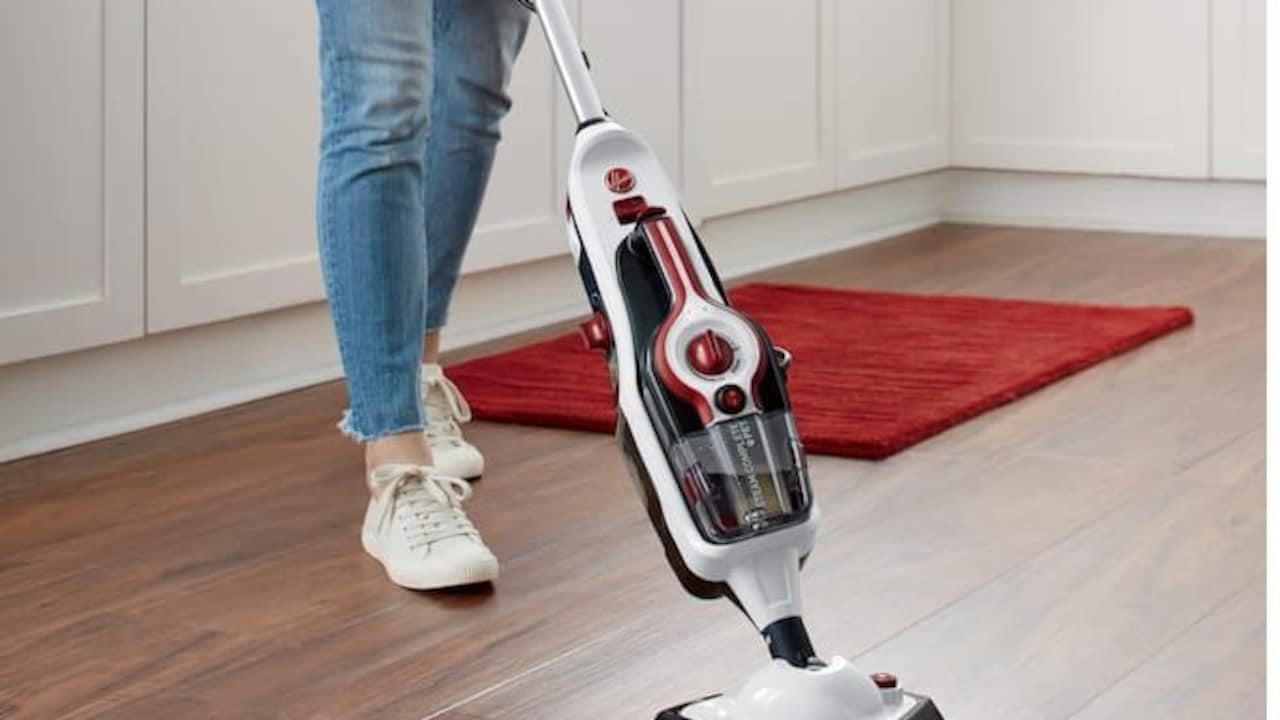
Steam Mops: Do They Replace Regular Mopping?; Photo Credit: Pexels
Water Usage And Environmental Impact
Water scarcity affects many cities, particularly during the summer. Traditional mopping consumes several buckets each week. Changing dirty water midway increases usage further. In contrast, a steam mop requires only a small tank of water per session.
Lower water consumption appeals to environmentally conscious households. Additionally, steam mops reduce dependence on chemical cleaners, which often enter drainage systems. This shift can lower household chemical exposure and reduce plastic bottle waste.
However, steam mops rely on electricity. Frequent use increases power consumption, especially in larger homes. While the wattage remains moderate, regular usage adds to monthly bills. With rising tariffs, even small increases matter.
The environmental balance depends on habits. If one uses strong disinfectants daily, switching partly to steam could benefit both wallet and planet. Yet complete replacement may not always align with energy-conscious living.
Cost Considerations And Long-Term Value
A cotton mop costs less than ₹300. Buckets rarely exceed ₹500. Even high-quality cleaning liquids remain affordable. In contrast, steam mops demand a higher upfront investment, ranging from ₹3,000 to ₹12,000.
Beyond the purchase price, replacement mop pads add recurring costs. Some brands recommend specific clothes that cost ₹500 or more per set. Over time, expenses accumulate.
However, steam mops may reduce spending on disinfectants and specialised cleaners. For families who frequently buy branded cleaning products, the savings could offset part of the investment. Durability also plays a role. A sturdy appliance may last several years, while cheap models might malfunction sooner.
Long-term value depends on frequency of use. If used daily across large floor areas, the investment makes sense. If taken out only during festival deep-cleaning, the cost may feel unnecessary compared to traditional tools.
Physical Effort And Comfort
Regular mopping involves bending, lifting buckets and repetitive squeezing. This physical strain can trouble older family members or those with back issues. Steam mops offer ergonomic handles and lighter frames, reducing strain.
The gliding motion feels smoother, and no heavy bucket follows behind. During summer, avoiding repeated trips to refill water also saves energy. For working professionals returning home tired, this ease becomes attractive.
Yet steam mops still require manual pushing. Larger rooms demand consistent movement. Some models feel heavier once the water tank fills. Additionally, waiting for the appliance to heat adds a short pause before cleaning begins.
Traditional mopping allows quick spot cleaning without setup. For a small spill, grabbing a mop feels simpler than plugging in an appliance. Therefore, comfort varies depending on the cleaning task at hand.
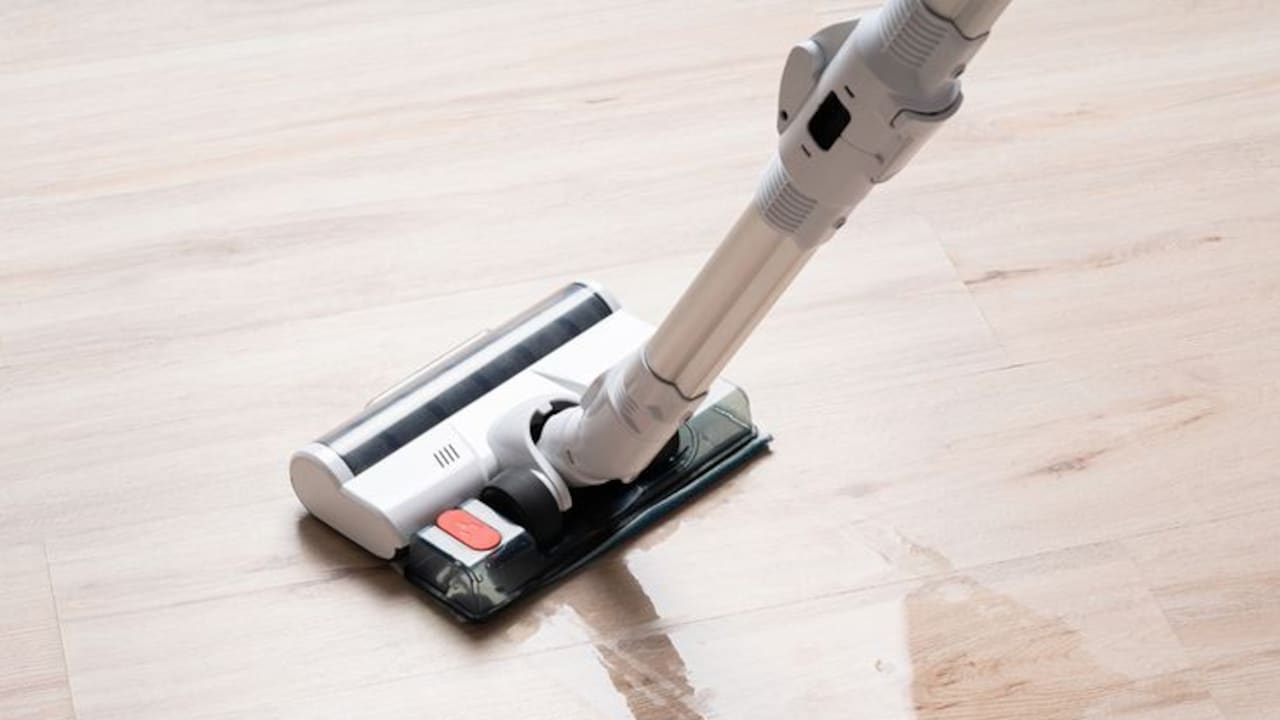
Steam Mops: Do They Replace Regular Mopping?; Photo Credit: Pexels
Cultural Habits And Cleaning Rituals
Cleaning often carries emotional weight. Many households associate the scent of phenyl or neem-based cleaners with freshness. Morning mopping feels like a ritual that signals a new start. Festivals involve elaborate washing of floors with fragrant solutions.
Steam mops, with their neutral scent, change this sensory experience. While they sanitise effectively, they do not leave behind the familiar aroma that signals “clean.” Some people may miss that olfactory cue.
Moreover, older generations often trust visible foam and soapy water more than invisible steam. Habit influences perception of cleanliness. Convincing someone that heat alone suffices may take time.
Cultural habits rarely shift overnight. Even technologically savvy families may continue using traditional methods during special occasions, reserving steam mops for routine upkeep. This coexistence suggests that replacement may feel more symbolic than practical.
Maintenance And Practical Limitations
Every appliance requires care. Steam mops need descaling if the local water contains high mineral content. Hard water can clog internal components, reducing efficiency. Regular cleaning of pads also becomes necessary to prevent odours.
Traditional mops demand simpler maintenance. Rinse thoroughly, dry in sunlight, and replace occasionally. No internal parts risk damage from mineral deposits.
Steam mops also require a power outlet nearby. In larger homes, extension cords may become necessary, adding minor inconvenience. During power cuts, traditional mops continue working without interruption.
Additionally, steam mops do not collect loose debris effectively. Sweeping or vacuuming beforehand remains essential. This extra step means the cleaning routine rarely shrinks into a single action.
These practical realities highlight that steam mops, while modern, introduce their own set of responsibilities.
Deep Cleaning Versus Daily Upkeep
Steam mops excel at refreshing floors during routine maintenance. A quick glide every evening can maintain shine and reduce germs. The process feels satisfying and efficient.
However, deep cleaning often requires more than steam. Scrubbing grout lines, removing old stains or cleaning heavily soiled corners still demands brushes, detergents and elbow grease. Traditional mopping integrates easily into these more intensive tasks.
Many households adopt a hybrid approach. Steam mops handle daily upkeep, while regular mopping takes charge during weekend deep cleans. This balance maximises convenience without sacrificing thoroughness.
Ultimately, the decision rests on expectations. If one seeks effortless everyday shine and moderate sanitisation, steam mops deliver. If the goal involves tackling every possible stain in one go, traditional methods remain indispensable.
Products Related To This Article
1. SEZNIK Vacuum Cleaner for Home Use Wet and Dry
2. NexLev 10 in 1 Steam Cleaner & Mop
3. Hoover Steam Fresh Combi 2 in 1 Multi-Surface Powerful Steam Mop & Detachable Handheld Vacuum Cleaner with 10 Accessories
4. Domestica Steamo 10-In-1 Steam Cleaner For Home Cleaning With 2 Steam Modes
5. AGARO Delite Spray Mop for Dry and Wet Floor Cleaning with Washable Microfiber Pad
Steam mops bring undeniable advantages. They reduce water usage, minimise chemical exposure, and ease physical strain. For modern flats with tiled floors and fast-paced routines, they feel like a welcome upgrade. The sleek design and promise of sanitised surfaces appeal strongly in an age focused on hygiene.
Yet complete replacement of regular mopping seems unlikely. Floors encounter varied messes that demand flexibility. Traditional mops offer adaptability, affordability, and familiarity that appliances cannot fully replicate. Cultural habits, flooring diversity, and budget considerations further influence the choice.
Rather than viewing steam mops as rivals to buckets and cloths, it helps to see them as partners. Together, they create a balanced cleaning routine suited to changing lifestyles. The humble mop may not retire soon, but it may share the stage with a steaming newcomer, both contributing to floors that gleam with pride and care.
(Disclaimer: This article may include references to or features of products and services made available through affiliate marketing campaigns. NDTV Convergence Limited (“NDTV”) strives to maintain editorial independence while participating in such campaigns. NDTV does not assume responsibility for the performance or claims of any featured products or services.)