Sneezing Through Summer? Here's How To Allergy-Proof Your Home
Still sneezing in summer? Discover common summer allergy triggers in India and simple ways to make your home allergy-proof for cleaner air and better health.
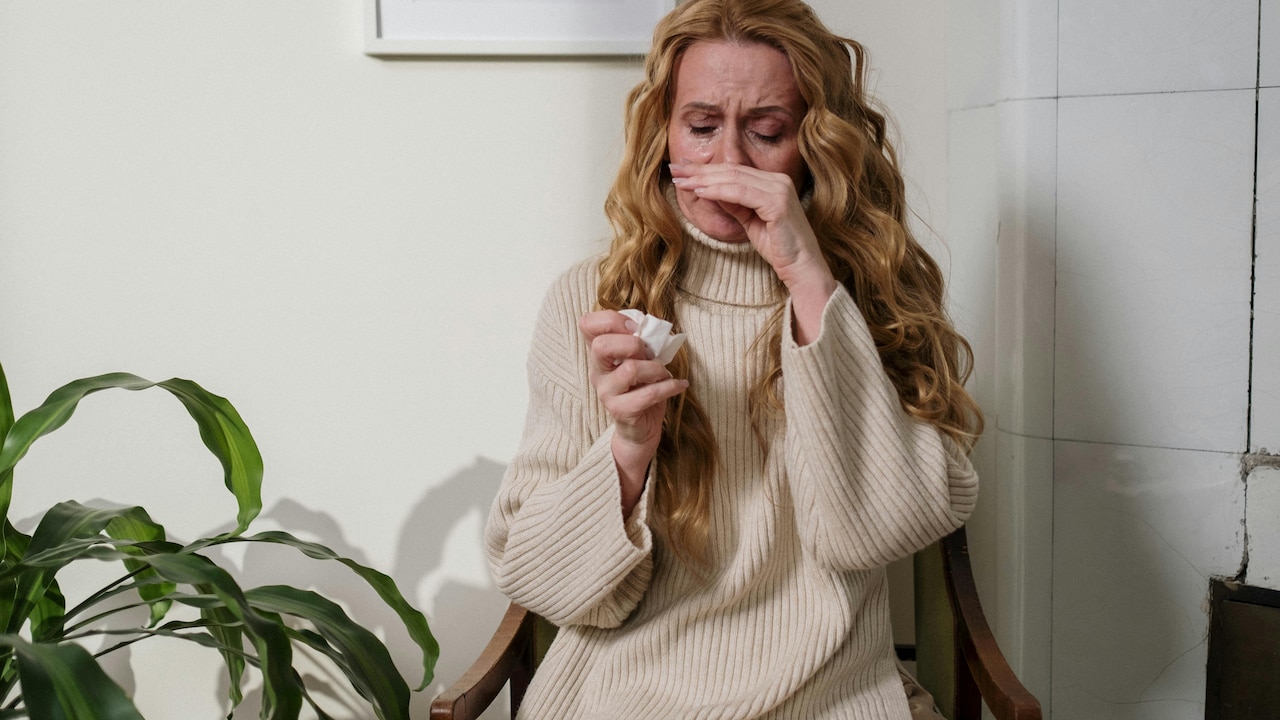
Summer allergies are real, and often triggered by a mix of dust, pollen and pollution.
Spring may be a distant memory, and the summer heat may already be in full swing, but for many, the sneezing, congestion and itchy eyes haven't gone anywhere. If anything, they've only worsened. Welcome to the often-overlooked reality of summer allergies.
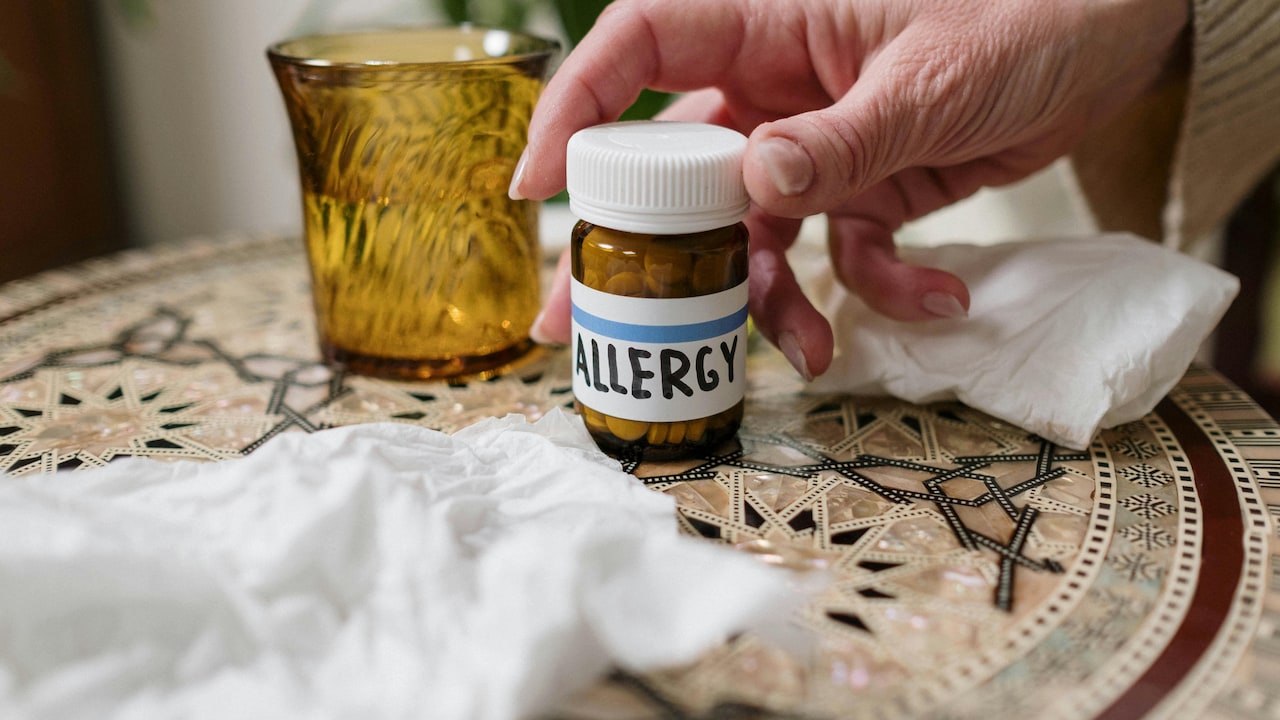
With a few small changes, you can breathe easier all summer long.
Photo Credit: Pexels
Yes, you read that right. Allergies are not confined to late winter or spring. They continue well into the warmer months, sometimes becoming more intense due to a mix of environmental and indoor triggers. That blocked nose you've been blaming on the heat? It could be your home reacting to an invisible cocktail of irritants.
Also Read: Fresh Air For Pet Homes: Do Air Purifiers Really Work For Dander And Odour?
Before we get into how you can protect yourself, let's take a quick look at what allergies actually are.
What Are Allergies?
An allergy is your immune system overreacting to substances that are otherwise harmless foreign substances. These substances, known as allergens, can include pollen, dust mites, pet dander, mould spores, and even air pollutants.
Symptoms can vary widely. For some, it's a persistent runny nose or sneezing fits. For others, it could show up as itchy skin, watery eyes, headaches, fatigue or breathing discomfort. In Indian homes, where indoor-outdoor exposure is frequent, these symptoms are often interconnected and prolonged.
So if you've been brushing off your discomfort as "just the weather", it may be time to pay closer attention.
What Causes Summer Allergies?
Summer allergies are rarely the result of a single trigger. Instead, they are typically caused by a combination of factors, both indoors and outdoors, that build up over time.
1. Pollen
While spring is peak pollen season, certain plants continue to release pollen well into summer. Grasses like Bermuda and Rye, common across Indian cities and housing societies, are major culprits.
Morning hours, especially between 5 am and 10 am, tend to record higher pollen levels. If you enjoy early walks or keep windows open during these hours, you might be unknowingly letting allergens in.
2. Smog and Pollution
Air pollution doesn't take a summer break. In fact, dust levels can spike due to dry weather, construction activity and increased vehicular movement. Cities like Delhi-NCR frequently see poor air quality days even outside winter.
Pollutants can irritate the respiratory system directly and also carry pollen and other allergens, making symptoms worse.
3. Dust Mites
Hot and humid conditions, especially during pre-monsoon and coastal summers, create an ideal environment for dust mites. These microscopic creatures live in mattresses, upholstery, carpets and curtains.
If your home hasn't been deep-cleaned recently, dust mites could be a silent contributor to your symptoms.
4. Mould Growth
With rising humidity levels, mould can begin to grow in damp corners like bathrooms, kitchens, window sills and even air conditioning units. Once airborne, mould spores can trigger allergic reactions and breathing issues.
Homes that remain closed for long hours or rely heavily on air conditioning can inadvertently trap these spores.
5. Pet Dander And Hair
If you have pets, summer shedding can add to indoor allergens. Pet dander, tiny flakes of skin, is lighter than dust and can remain suspended in the air for longer periods.
Even if you do not have pets, pet hair carried via visitors or common spaces can still make its way into your home.
How To Make Your Home Allergy-Ready
Now that you know what you're up against, the good news is that there's a lot you can do to reduce exposure and make your home a safer, more comfortable space.
1. Control Dust And Clean Strategically
Regular cleaning is essential, but how you clean matters just as much.
- Use a vacuum cleaner with a HEPA filter at least twice a week
- Avoid dry dusting; use a damp cloth to trap particles instead of spreading them
- Wash bed linens weekly in hot water
- Reduce clutter where dust can accumulate
Curtains, cushions and rugs are often overlooked but can harbour a significant amount of allergens.
Recommended Vaccum Cleaner With HEPA Filter: Dyson V12 Detect Slim Submarine Cordless Vacuum Cleaner
2. Manage Indoor Air Quality
Investing in an air purifier can make a noticeable difference, especially in urban areas.
- Choose purifiers with HEPA filters
- Keep indoor plants that are low on pollen and easy to maintain
- Avoid smoking indoors and minimise the use of strong incense or sprays
On days when outdoor air quality is poor, it's best to keep windows closed during peak hours and ventilate during cleaner periods, usually late evening.
Recommended Air Purifier With HEPA Filter: Dyson Hushjet Purifier Compact-HJ10
3. Keep Humidity Levels in Check
Humidity control is crucial to prevent mould and dust mites.
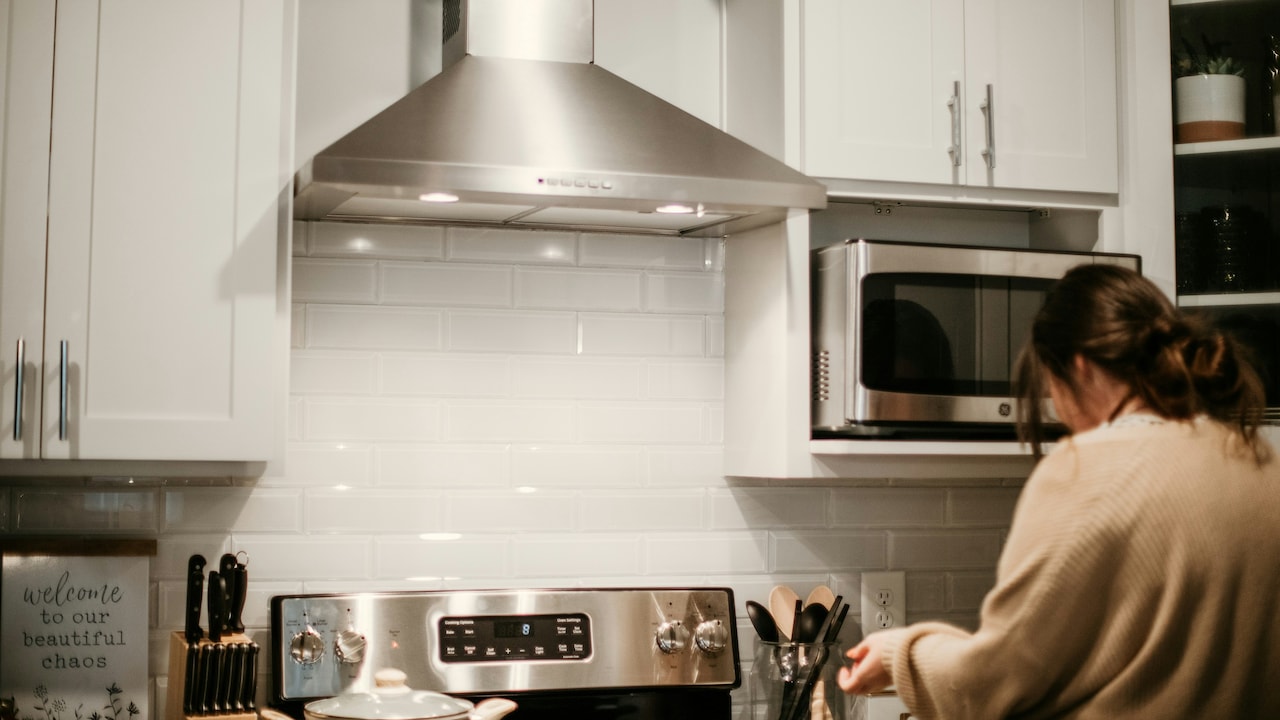
- Use exhaust fans in kitchens and bathrooms
- Fix leaks and damp patches promptly
- Consider a dehumidifier if humidity remains consistently high
Air conditioners also help reduce humidity, but they need regular cleaning to avoid becoming breeding grounds themselves.
Recommended Exhaust Fans For Kicthen and Bathroom: atomberg Studio Exhaust Fan
4. Maintain Your AC and Coolers
Cooling systems, if neglected, can circulate allergens instead of clean air.
- Clean or replace AC filters every 2-4 weeks during heavy use
- Ensure ducts are not clogged with dust
- For air coolers, change water frequently and clean tanks to prevent mould
5. Be Mindful of Outdoor-to-Indoor Transfer
What you bring into your home matters.
- Change clothes after coming back from outside, especially on dusty days
- Wash hands and face to remove pollen and pollutants
- Leave footwear at the entrance
This simple habit can significantly reduce allergen load indoors.
6. Manage Pet Hygiene
If you have pets:
- Groom them regularly
- Avoid letting them on beds or sofas
- Bathe them as recommended by your vet
This helps reduce both dander and loose fur.
Recommended Pet Grooming Kit: AGARO Supreme Pet Grooming Kit and Vacuum Suction
7. Time Your Activities Smartly
If you are sensitive to pollen and dust:
- Avoid outdoor exercise during early mornings
- Prefer late evening walks when pollen levels are lower
- Check daily air quality updates before planning outdoor plans
Recommended Face Mask For Morning Walks: OxiClear N99 Anti-Pollution Face Mask
When Should You See A Doctor?
If your symptoms persist despite precautions, worsen over time, or interfere with daily life, it's best to consult a doctor. Allergies can sometimes overlap with infections or respiratory conditions, especially during seasonal transitions.
Over-the-counter antihistamines may offer relief, but prolonged or severe cases may require specific treatment plans, including allergy testing.
Summer allergies may be less talked about, but they are very real, and often more persistent than seasonal discomforts. The key lies in understanding that your home can either protect you or contribute to the problem.
With a few mindful changes, better cleaning habits, improved air quality and simple daily precautions, you can turn your living space into your first line of defence against this invisible battle.
Because sometimes, the best way to breathe easy is to start right at home.
Frequently Asked Questions (FAQs)
1. Why do allergies get worse in summer in India?
Summer allergies are often caused by a mix of grass pollen, dust, rising pollution levels, humidity, and indoor triggers like mould and dust mites.
2. What are the most common symptoms of summer allergies?
Common symptoms include sneezing, runny or blocked nose, itchy eyes, skin irritation, coughing, and fatigue.
3. How can I reduce allergens inside my home?
Regular cleaning, using HEPA air purifiers, washing bedding, controlling humidity, and maintaining AC filters can significantly reduce indoor allergens.
4. Are air purifiers effective for summer allergies?
Yes, air purifiers with HEPA filters help remove dust, pollen, pet dander, and other airborne allergens, improving indoor air quality.
5. What time of day is worst for pollen allergies?
Pollen levels are usually highest in the early morning (around 5 am to 10 am), so limiting outdoor exposure during these hours can help.
(Disclaimer: This article may include references to or features of products and services made available through affiliate marketing campaigns. NDTV Convergence Limited (“NDTV”) strives to maintain editorial independence while participating in such campaigns. NDTV does not assume responsibility for the performance or claims of any featured products or services.)