Why Budget Steam Irons Leak Water: Soleplate Quality Makes A Bigger Difference
Budget steam irons often leak because poor soleplate materials disrupt heat and steam flow. Better soleplate quality means fewer drips, smoother ironing and longer-lasting performance.
Budget Steam Iron Leaking Water? The Soleplate Could Be The Real Problem
Few household annoyances match the irritation of carefully ironing a fresh kurta or office shirt, only to find unexpected water spots spreading across the fabric. Budget steam irons often promise impressive features on the box, from powerful steam bursts to non-stick surfaces, all at tempting prices that fit neatly into monthly budgets. Yet, after a few uses, many begin to sputter, drip, or leak. This issue rarely stems from user error alone. The true problem often hides in the soleplate, the flat, heated surface that directly touches clothing. While many shoppers focus on wattage, steam controls, or brand labels, soleplate quality quietly determines how effectively an iron manages heat and water distribution.
For households balancing practicality with value, understanding this hidden factor can prevent wasted money and daily frustration. A lower upfront cost may feel sensible, but when poor construction leads to constant leaks, damaged garments, and repeated purchases, the bargain soon loses its shine. In many cases, the soleplate proves to be the deciding factor between a dependable appliance and a leaky disappointment.
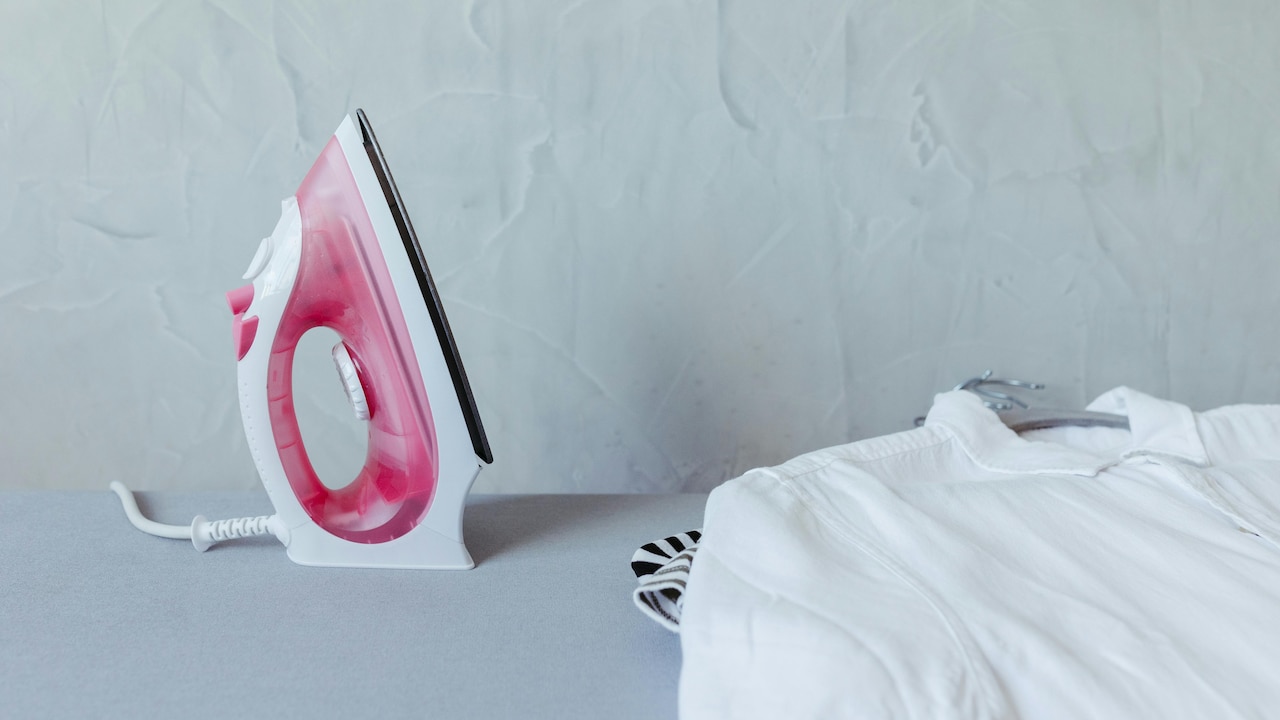
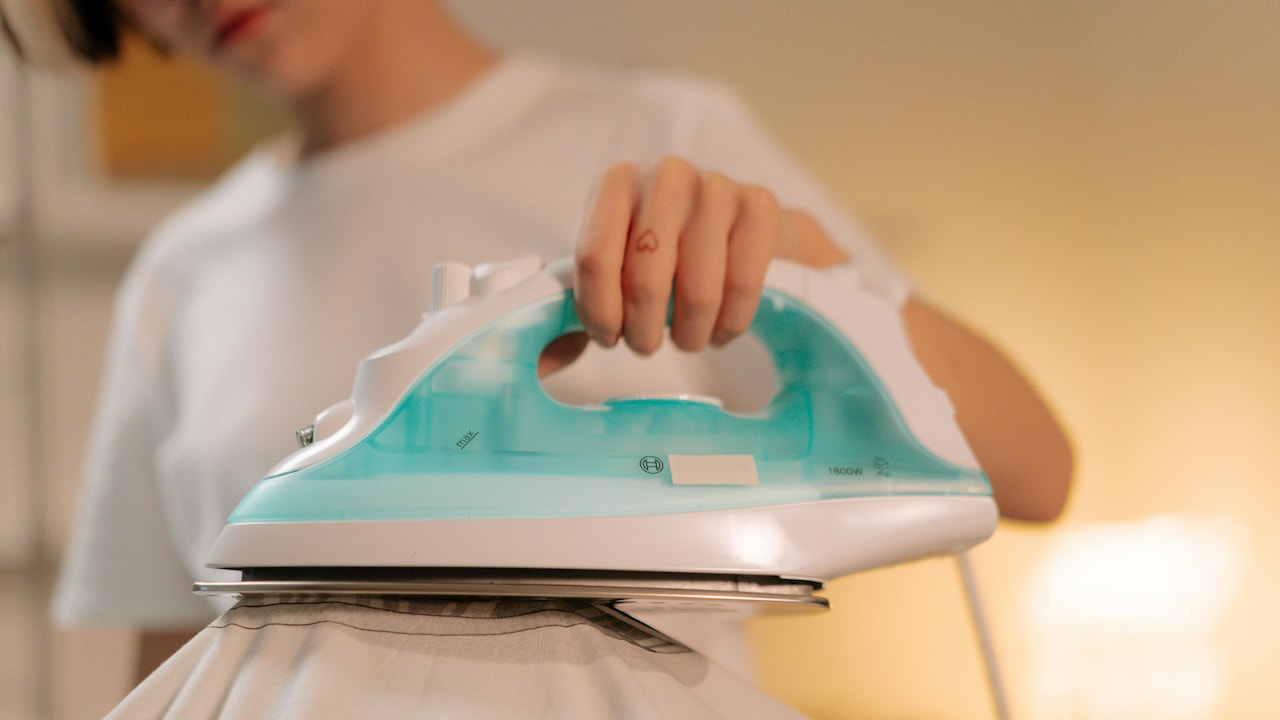
Budget Steam Iron Leaking Water? The Soleplate Could Be The Real Problem; Photo Credit: Pexels
The Hidden Role Of Soleplate Quality In Preventing Steam Iron Leaks
Cheap Materials Often Struggle With Heat Consistency
Budget steam irons usually cut costs through lower-grade soleplate materials such as thin aluminium or basic coated metal. These materials heat unevenly, creating hot and cool patches across the plate. When the temperature fluctuates, water inside the steam chamber may fail to convert fully into steam. Instead, partially heated water escapes through steam vents, leading to irritating drips.
This can feel especially frustrating during rushed weekday mornings when every minute matters. Imagine preparing school uniforms or formalwear before catching a crowded local train, only to discover damp patches on freshly pressed clothes. Uneven heating transforms a routine task into an unnecessary headache.
Higher-quality soleplates, often ceramic or stainless steel, maintain stable heat across the surface. This consistency ensures water transforms properly into steam rather than leaking out. Though the initial cost may rise by ₹1,000 or ₹2,000, better performance often justifies the investment over time. Saving a few hundred rupees initially can sometimes result in repeated replacement costs and endless frustration.
Poor Vent Design Leads To Excess Water Release
The steam vents on an iron's soleplate do more than release steam. Their placement, size, and engineering determine whether steam disperses smoothly or water escapes unpredictably. In many cheaper models, vent systems lack precision manufacturing, which compromises steam flow.
When vent holes are poorly spaced or irregularly sized, condensation can gather inside the plate. This trapped moisture eventually leaks onto clothes instead of evaporating effectively. The result often appears as frustrating droplets on sarees, shirts, or delicate fabrics.
Premium soleplates feature carefully designed vent patterns that distribute steam evenly while minimising water pooling. This engineering detail may seem minor, but it significantly affects performance. A well-designed soleplate can glide smoothly over fabrics while maintaining consistent steam output.
For households managing everything from cotton uniforms to festive attire, dependable vent design matters more than flashy marketing claims. A budget iron may boast “extra steam,” but if the soleplate cannot handle moisture properly, that promise quickly turns soggy.
Non-Stick Coatings Inexpensively Applied Wear Out Quickly
Many affordable steam irons advertise non-stick soleplates, which sound appealing. However, lower-cost coatings often wear down rapidly with regular use. Once the surface degrades, scratches and uneven textures develop, disrupting heat flow and moisture control.
A damaged coating can interfere with water evaporation, allowing droplets to form more easily. Over time, this increases leakage problems while also making ironing less efficient. Clothes may snag, glide poorly, or develop shiny marks.
In households where irons often tackle heavy fabrics like cotton kurtas, school uniforms, or bedsheets, durability matters immensely. A flimsy soleplate may perform reasonably for a few months, but daily wear soon exposes its weaknesses.
Investing slightly more in ceramic or stainless-steel options often offers better long-term value. These materials resist wear more effectively, maintain smoother performance, and reduce the chance of leakage. While the cheaper option may initially seem practical, repeated disappointment can quickly outweigh short-term savings.
Water Tank Design Depends Heavily On Soleplate Integration
Many consumers assume leaks stem mainly from the water reservoir, yet soleplate design directly impacts how water travels from the tank to the steam vents. In lower-end irons, poor integration between these components often causes excess water flow before adequate heating occurs.
This mismatch creates visible dripping, particularly at lower temperature settings. The iron simply cannot process water efficiently enough, leading to leaks during use or even while resting upright.
A better soleplate acts as a reliable heat regulator, ensuring water transitions to steam at the correct pace. Without this balance, even a well-sized tank cannot prevent leakage.
This issue becomes particularly noticeable during monsoon months when humidity already complicates fabric care. No one wants extra moisture added to garments when drying conditions remain challenging enough. Choosing a better-engineered soleplate can significantly improve daily convenience and garment care.
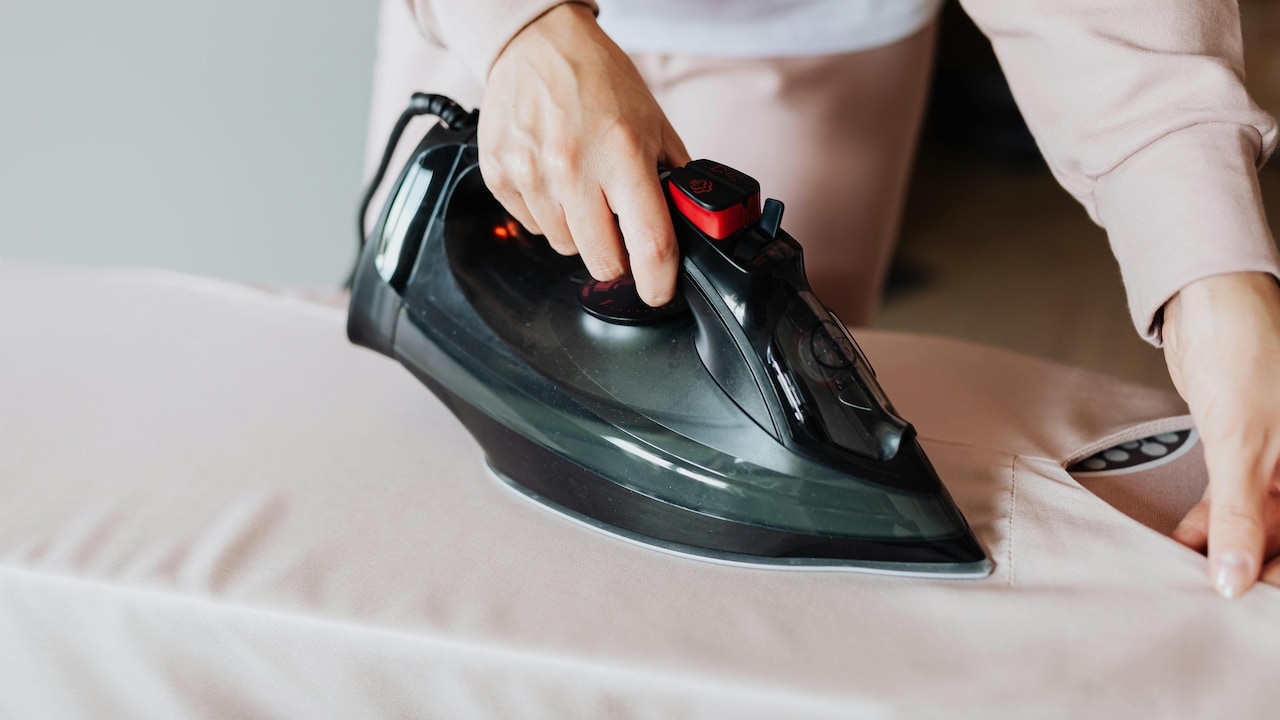
Budget Steam Iron Leaking Water? The Soleplate Could Be The Real Problem; Photo Credit: Pexels
Lower Manufacturing Standards Increase Internal Gaps
Budget appliances often rely on mass production methods that prioritise affordability over precision. This can result in tiny structural inconsistencies within the soleplate assembly, including gaps around seals or steam channels.
Even minor imperfections can encourage water seepage. As internal pressure builds, leaks emerge where components fail to align properly. These flaws may remain invisible externally, but their effects quickly become obvious during ironing sessions.
A household appliance should simplify chores, not create additional work. Spending Saturday mornings re-ironing damp clothes because of leaking equipment feels particularly aggravating.
Reliable soleplates undergo stricter manufacturing controls, ensuring tighter seals and more dependable steam systems. While premium construction may raise costs modestly, the difference in daily performance often feels substantial. Better craftsmanship frequently translates into fewer disruptions and greater peace of mind.
Temperature Controls Alone Cannot Compensate For Weak Soleplates
Many shoppers focus heavily on adjustable temperature dials, assuming precise controls will prevent leakage. Unfortunately, even accurate settings cannot overcome poor soleplate performance.
If the plate cannot distribute or sustain heat effectively, correct dial settings become far less meaningful. Water may still escape before reaching proper steam conversion temperatures. This creates a false sense of control while underlying issues persist.
Picture carefully selecting the right setting for a silk blouse, only for surprise water droplets to threaten delicate fabric. It is an avoidable frustration, yet one many households experience.
Quality soleplates complement temperature controls by ensuring stable heat delivery. Together, these elements produce efficient steam without leaks. Without a dependable soleplate, even advanced controls offer limited benefit. The appliance's foundation matters far more than surface-level features.
Mineral Build-Up Hits Budget Soleplates Harder
Water quality can vary greatly, especially in areas with hard water. Minerals naturally accumulate inside steam irons over time, but lower-quality soleplates often prove more vulnerable to scaling and internal corrosion.
Cheaper materials may develop rough patches or clogged vents more quickly, disrupting steam flow and increasing leakage. Once mineral deposits interfere with vent performance, water droplets become increasingly common.
Regular maintenance helps, but inferior materials still shorten lifespan. Households using tap water regularly may notice problems much sooner with budget models.
Higher-quality soleplates typically resist scale better, thanks to smoother surfaces and improved coatings. This resilience enhances long-term reliability and reduces maintenance stress. Spending slightly more upfront often saves considerable inconvenience later, especially where hard water poses ongoing challenges.
Lightweight Designs Sometimes Sacrifice Structural Integrity
Budget steam irons often emphasise lightweight construction as a selling point. While easier handling may sound beneficial, excessive weight reduction can compromise soleplate thickness and durability.
A thinner soleplate may heat faster initially, but it often struggles with temperature stability. This instability contributes directly to leakage issues. Reduced structural integrity may also increase warping over time, further worsening steam distribution.
A well-balanced iron should feel sturdy without becoming cumbersome. Reliable soleplates provide this balance, offering both usability and performance.
Households that frequently iron large loads, from school uniforms to festive garments, benefit from appliances built for endurance. A feather-light iron that leaks regularly soon loses its appeal, regardless of convenience claims.
Budget Steam Iron Leaking Water? The Soleplate Could Be The Real Problem; Photo Credit: Pexels
Marketing Features Often Distract From Core Build Quality
Many affordable steam irons boast eye-catching extras such as spray mists, turbo steam, or colourful designs. These features can easily attract attention during shopping, particularly when budgets remain tight.
However, flashy extras cannot compensate for poor soleplate engineering. A leaking iron with multiple settings still performs poorly if its core function fails. Marketing often overshadows the practical importance of material quality, vent precision, and heat stability.
Consumers deserve appliances that deliver dependable everyday performance, not merely impressive packaging. Prioritising soleplate quality over gimmicks often leads to smarter purchasing decisions.
A simple, well-built iron can outperform feature-heavy budget models by offering reliable steam, fewer leaks, and a longer lifespan. Sometimes, practicality truly beats promises.
Long-Term Costs Often Exceed Initial Savings
At first glance, choosing a steam iron priced at ₹800 instead of ₹2,500 may feel financially prudent. Yet repeated repairs, garment damage, or premature replacement can quickly erase those savings.
Leaking irons not only frustrate users but may also ruin expensive clothing. Water stains on formal shirts, sarees, or special occasion outfits can lead to additional laundry costs or even replacement expenses.
A better soleplate reduces these risks significantly. Durable materials, consistent performance, and improved reliability often extend appliance lifespan considerably.
For budget-conscious households, value should always outweigh sticker price alone. Sometimes spending more initially protects finances better over the long term. A dependable iron may not seem glamorous, but it can quietly save both money and daily peace.
Products Related To This Article
1. Bajaj MX 3 Neo Steam Iron
2. Lifelong Steam Iron for Clothes
3. Usha 3713 1300Watt Steam Iron with Self Cleaning Function
4. Havells Glaze 1250 Watts Steam Iron with Self Cleaning Function
5. Philips Steam Iron DST0820/20
The humble steam iron may seem straightforward, but its performance depends heavily on one critical component: the soleplate. Budget models frequently leak not because steam technology itself fails, but because lower-quality materials, weaker construction, and compromised engineering undermine proper water management.
For households seeking practical, lasting solutions, focusing on soleplate quality can make all the difference. Ceramic and stainless-steel options often outperform cheaper alternatives by delivering consistent heat, better steam control, and fewer leaks.
In the end, a steam iron should make life easier, not add unnecessary stress to already busy routines. While lower prices may tempt shoppers initially, true value lies in durability, reliability, and effective performance. Choosing wisely can mean smoother mornings, crisper clothes, and one less household frustration.
(Disclaimer: This article may include references to or features of products and services made available through affiliate marketing campaigns. NDTV Convergence Limited (“NDTV”) strives to maintain editorial independence while participating in such campaigns. NDTV does not assume responsibility for the performance or claims of any featured products or services.)