How To Use A Facial Steamer Safely: Steam Temperature Range Explained
Learn the safe way to use a facial steamer, including the ideal temperature range, timing, and techniques to avoid skin damage while getting the best results from your routine.

10 things to know about using face steamers
There is something deeply satisfying about leaning over a bowl of warm steam after a long, dusty day. The pores seem to sigh in relief, the face loosens, and for a moment, the world slows down. Facial steaming has travelled from old home remedies to modern beauty gadgets, now sitting comfortably alongside serums and sheet masks on dressing tables across cities.
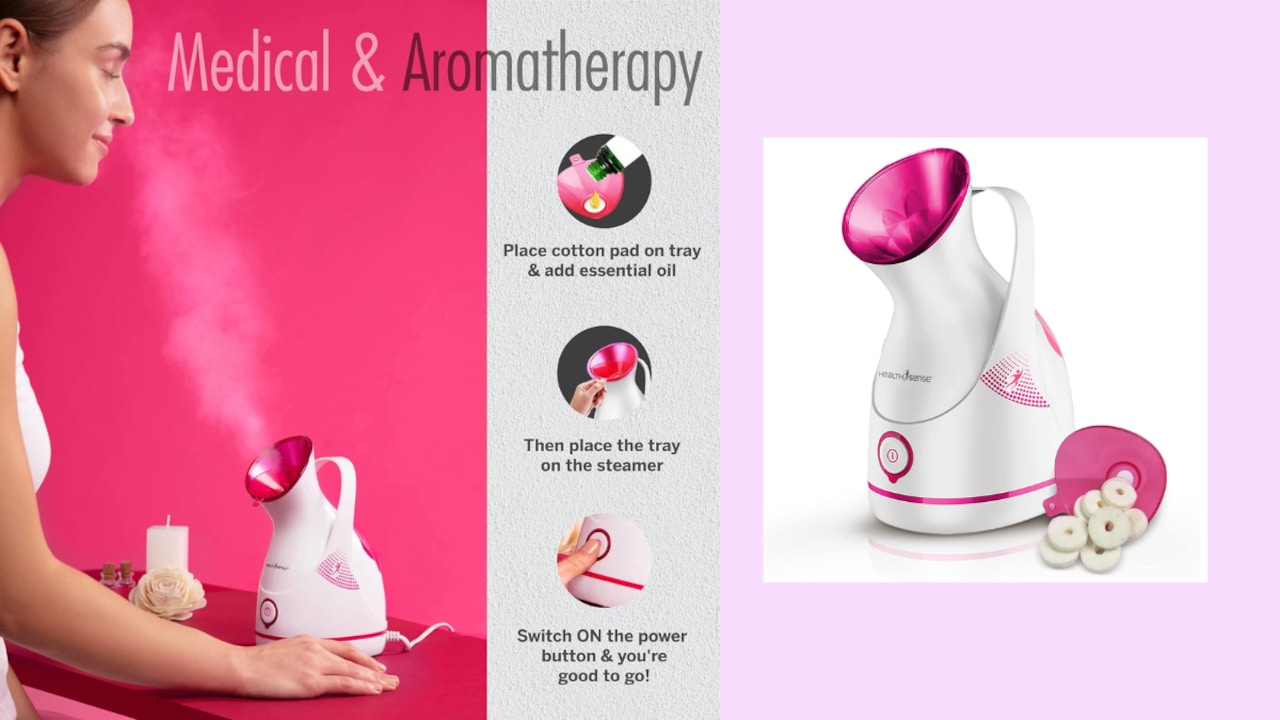
How to use face steamers; Photo Credit: Amazon
Yet, this seemingly harmless ritual often gets rushed. Many turn the heat too high, sit too close, or steam for far too long. The result? Redness, irritation, or worse, broken capillaries. It is a classic case of good intentions going slightly off track.
Understanding how to use a facial steamer safely is less about rules and more about balance. The right temperature, the correct distance, and a bit of patience can make all the difference. This guide explores not just how steaming works, but how to make it a gentle, effective addition to skincare without overdoing it.
Also Read: Clear Acne And Blackheads, Here Are 5 Facial Steamers To Get Glowy Skin
Key Things To Know Before You Start Facial Steaming
Understanding The Ideal Steam Temperature Range
Steam should feel warm and soothing, never harsh or stinging. The sweet spot lies between 40°C and 45°C. At this range, the skin softens, pores loosen, and circulation improves without causing damage.
Anything hotter might feel effective in the moment, but can quietly harm the skin barrier. Overheated steam strips natural oils and leaves the face vulnerable. Many assume that hotter steam means deeper cleansing, but skin does not work that way. It responds better to consistency than intensity.
Modern facial steamers often regulate temperature automatically, which takes the guesswork out. Traditional methods, like a bowl of hot water, require more attention. Let the water cool slightly after boiling before leaning in. That extra minute of waiting can save the skin from unnecessary stress.
Temperature is not just a number here; it shapes the entire experience. When done right, the steam wraps gently around the face like a soft shawl on a winter morning. That is the feeling to aim for.
Choosing The Right Facial Steamer For Safe Use
Walking into a beauty store or browsing online reveals a surprising range of facial steamers. From compact handheld devices priced around ₹800 to more advanced ones crossing ₹5,000, the options vary widely.
The choice depends less on budget and more on reliability. A good steamer maintains a steady temperature and produces fine, consistent mist. Devices with adjustable settings offer better control, especially for beginners still figuring out their comfort zone.
Simple designs often work best. Complicated gadgets with too many features can become confusing and lead to misuse. Look for safety features like automatic shut-off and stable bases to prevent accidents.
For those who prefer traditional methods, a clean bowl and freshly boiled water still do the job. However, using a steamer device reduces the risk of overheating and accidental spills.
A reliable steamer becomes more than a tool. It becomes part of a routine, like that favourite mug used for evening tea. Familiar, dependable, and comforting in its own quiet way.
Preparing Your Skin Before Steaming
Jumping straight into steaming without preparation is like painting over a dusty wall. It simply does not work well. Clean skin responds better and absorbs the benefits more effectively.
Start with a gentle cleanser to remove dirt, oil, and makeup. This step ensures that the steam reaches the pores without obstruction. Skipping this can push impurities deeper into the skin, defeating the purpose.
Tying hair back helps avoid unnecessary discomfort. Steam and stray strands rarely get along. A soft headband or clip works perfectly.
Hydration matters too. Drinking a glass of water before steaming keeps the body balanced. The process involves heat, and staying hydrated prevents light-headedness.
Preparation sets the tone. It signals a pause in the day, a small moment dedicated to self-care. With skin clean and ready, the steam can do what it does best: soften, relax, and refresh.
Maintaining A Safe Distance From The Steam
Distance plays a crucial role in safe steaming. Sitting too close might feel like faster results, but it often leads to redness and irritation. Keeping the face about 20 to 25 centimetres away from the steam is ideal.
Think of it like sitting near a bonfire. Too close, and the heat becomes uncomfortable. Too far, and the warmth fades. Finding that middle ground creates a pleasant, even exposure.
Leaning in slowly helps gauge comfort. If the steam feels too intense, move back slightly. There is no need to rush or endure discomfort.
Using a towel over the head is a common practice, but it can trap excessive heat. Leaving some space for airflow keeps the experience gentle and breathable.
The goal is not to chase the steam but to let it reach naturally. When the distance is right, the steam feels like a soft mist rather than a blast of heat. That subtle difference makes all the difference.
Timing Your Facial Steam Session Correctly
More time does not mean better results. In fact, over-steaming can irritate the skin and lead to dryness. The ideal duration sits comfortably between 5 to 10 minutes.
Short sessions work best, especially for sensitive skin. Even five minutes can loosen dirt and open pores effectively. Extending beyond ten minutes risks overexposure to heat.
Frequency matters too. Steaming two to three times a week is more than enough for most skin types. Daily steaming might sound tempting, but it often does more harm than good.
Watching the clock helps maintain balance. Setting a timer avoids the common mistake of losing track of time, especially when the warmth feels relaxing.
Timing turns steaming into a disciplined ritual rather than an indulgent excess. Like brewing the perfect cup of chai, precision brings out the best flavour without overdoing it.

Time your face steaming sessions to prevent damage; Photo Credit: Amazon
Recognising Signs Of Overheating Or Skin Stress
Skin speaks in subtle ways, and learning to read those signs prevents damage. Redness that lingers, a burning sensation, or tightness after steaming often indicates overheating.
Mild flushing during steaming is normal, but it should fade quickly. Persistent redness suggests the temperature was too high or the session was too long.
Another sign is excessive dryness. If the skin feels stripped or unusually sensitive, it is time to scale back. Steaming should leave the face refreshed, not depleted.
Listening to the skin builds trust. It is not about following strict rules but responding to what feels right.
Ignoring these signs can turn a relaxing ritual into a harmful habit. Paying attention keeps the experience safe and enjoyable, ensuring the skin benefits rather than suffers.
Incorporating Steam Into Your Skincare Routine
Facial steaming works best when placed thoughtfully within a routine. It prepares the skin rather than replacing other steps.
After steaming, pores are more receptive. This is the perfect moment for applying a gentle face mask or serum. Ingredients penetrate better, making treatments more effective.
Follow up with a moisturiser to lock in hydration. Steam can temporarily soften the skin barrier, and moisturising restores balance.
Avoid harsh products immediately after steaming. Strong exfoliants or active ingredients might irritate the skin at this stage.
Think of steaming as the opening act in a performance. It sets the stage but does not carry the entire show. When combined with the right products, it enhances the overall routine beautifully.
Avoiding Common Mistakes While Steaming
Many mistakes stem from impatience. Using boiling water, sitting too close, or steaming for too long often happens in the quest for quicker results.
Adding essential oils without understanding their effects can also cause irritation. Not every oil suits facial steaming, and some may trigger sensitivity.
Another common error is steaming over unclean water or equipment. Hygiene matters, especially when dealing with open pores.
Skipping post-steam care is equally problematic. Without proper moisturising, the skin can lose more hydration than it gains.
Awareness prevents these missteps. Small adjustments, like letting water cool slightly or keeping sessions short, create a safer experience.
Steaming should feel like a gentle ritual, not a rushed task. Slowing down often leads to better outcomes.
Who Should Avoid Facial Steaming Or Take Extra Care
Facial steaming is not for everyone. Those with sensitive skin, rosacea, or active acne should approach it cautiously. Heat can aggravate these conditions and worsen symptoms.
People with broken capillaries or extremely dry skin may also find steaming too harsh. In such cases, consulting a dermatologist helps avoid unnecessary complications.
Even for those with normal skin, moderation remains key. Overuse can disrupt the skin barrier over time.
Pregnant individuals or those with certain medical conditions might prefer to skip steaming altogether, especially if heat sensitivity is an issue.
Knowing when to step back shows wisdom, not hesitation. Skincare is not about following trends blindly but choosing what truly suits the skin.
Products Related To This Article
1. AGARO Prima Facial Steamer 2 in 1 Hair and Face Steamer for Natural Hair with UV Ozone
2. Dr Trust USA 3-in-1 Nano Ionic Facial Steamer Vaporizer Room Humidifier and Towel Warmer
3. Presens Steam Vaporizer and Facial Steamer With Two Level Heat Setting and Temperature Control System
4. CARESMITH 2 In 1 Face Steamer + Steamer For Cold & Cough
5. HealthSense Steamer for Cold & Cough
Facial steaming holds a certain charm. It feels simple, almost nostalgic, yet delivers noticeable results when done correctly. The secret lies not in intensity but in balance.
A gentle temperature, a safe distance, and mindful timing transform steaming into a soothing ritual rather than a risky habit. It becomes a moment of pause in a busy day, a quiet act of care that reflects patience and attention.
Skincare often tempts with quick fixes and dramatic promises. Steaming reminds us that sometimes, the old ways still work, provided they are done thoughtfully.
With the right approach, that soft cloud of steam becomes more than just warm air. It becomes a small, comforting luxury that leaves the skin refreshed and the mind just a little calmer.
(Disclaimer: This article may include references to or features of products and services made available through affiliate marketing campaigns. NDTV Convergence Limited (“NDTV”) strives to maintain editorial independence while participating in such campaigns. NDTV does not assume responsibility for the performance or claims of any featured products or services.)