Induction Cooktops And Utensil Compatibility: 10 Myths You Need To Stop Believing
Induction cooktops often get blamed for 'incompatible' utensils. In reality, most issues stem from myths about materials, size, and design. This article breaks down what truly works and what doesn’t.
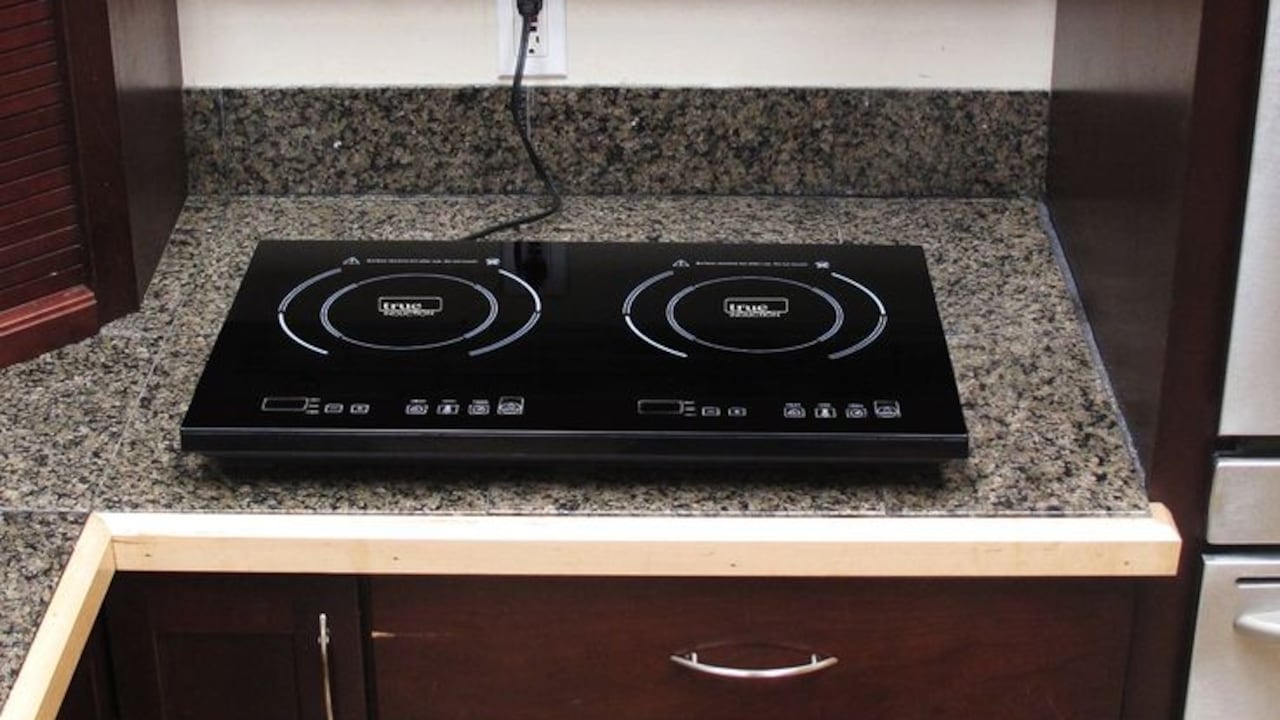
Induction Cooktops That Fail With Certain Utensils: Compatibility Myths
Walk into any modern kitchen showroom and induction cooktops gleam like the future. Salespeople rave about efficiency and precision, while glossy brochures promise faster cooking and lower electricity bills. Yet, back at home, frustration often simmers. A beloved kadhai refuses to heat. A pressure cooker sits stubbornly cold. Someone mutters, 'These cooktops only work with special utensils.'
Such moments spark confusion and, occasionally, regret over spending ₹3,000 to ₹10,000 on a device that appears picky. But the truth rarely lies in the appliance alone. Compatibility myths, half-truths, and outdated assumptions have muddled the conversation for years.
This article peels back the layers of misunderstanding. From magnetic bases to cookware shapes, each section unpacks a common myth and replaces it with practical clarity. Because when the science becomes simple, induction cooking turns from annoyance into quiet brilliance.
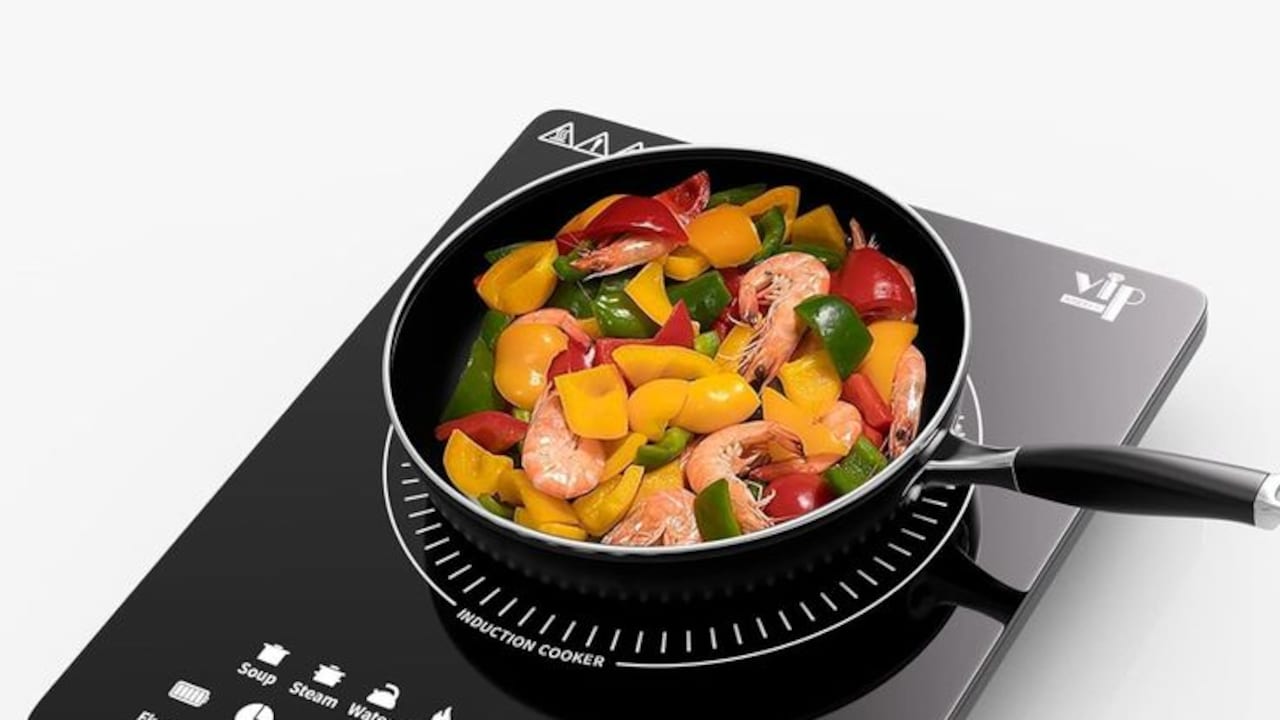
Induction Cooktops That Fail With Certain Utensils: Compatibility Myths; Photo Credit: Pexels
Understanding Induction Compatibility Myths And Realities
Myth 1: Only Expensive Utensils Work On Induction
A frequent complaint echoes across kitchens: 'Only costly utensils work on induction.' This belief often leads to unnecessary spending. Shiny cookware sets priced at ₹5,000 or more seem like the only solution. Yet, the truth sits far closer to home.
Induction cooktops rely on magnetism, not price tags. If a utensil's base attracts a magnet, it will likely work. That humble steel saucepan bought years ago for ₹300 might perform better than an expensive non-stick pan with a fancy label. Price reflects branding, finish, or design, not always compatibility.
Retail stores often exploit this confusion. Words like 'induction-friendly' appear on packaging, encouraging buyers to replace entire collections. But many traditional utensils already meet the requirement. Testing with a simple fridge magnet saves both money and frustration.
The real issue lies in awareness, not affordability. Kitchens often hold hidden treasures that work perfectly on induction, quietly waiting for rediscovery.
Myth 2: Aluminium Utensils Never Work
Aluminium often receives a bad reputation in induction cooking conversations. Many assume it is entirely unusable. The reasoning stems from science, as aluminium is not magnetic. Yet, the story does not end there.
Modern cookware design has evolved. Several aluminium utensils now come with a magnetic stainless steel base fused underneath. This hybrid design allows heat generation while retaining aluminium's excellent heat distribution. As a result, the same material once dismissed now fits comfortably into induction kitchens.
However, older aluminium vessels without this base remain incompatible. This distinction often gets lost in casual discussions. A neighbour's failed attempt with an old pot turns into a sweeping claim that 'aluminium never works.'
Understanding the difference changes everything. Instead of discarding aluminium cookware entirely, checking the base structure becomes key. Many households already own hybrid utensils without realising it, quietly bridging the gap between tradition and modern technology.
Also Read: Cook Smart: 5 Best-Selling Induction Cooktops For Every Indian Kitchen
Myth 3: Flat Bottom Means Guaranteed Compatibility
Flat-bottom utensils often get labelled as 'perfect for induction.' While a flat surface helps, it does not guarantee success. The confusion arises because induction cooktops require proper contact with the surface, but magnetism still drives the process.
A flat copper pan, for instance, may sit perfectly on the cooktop but remain cold. Without a magnetic base, the cooktop simply cannot generate heat. On the other hand, a slightly curved steel vessel might still function if its base interacts with the electromagnetic field.
The focus on shape alone oversimplifies the requirement. Flatness improves efficiency and stability, but compatibility depends on the material. This nuance often gets ignored in quick advice shared among friends or online forums.
A better approach combines both factors. A utensil should have a reasonably flat base and magnetic properties. When both conditions align, cooking becomes smoother, faster, and far less frustrating.
Myth 4: Old Steel Utensils Always Work Perfectly
Steel utensils enjoy a strong reputation in induction kitchens. Many believe that any steel vessel, especially older ones, will work flawlessly. While steel is generally compatible, not all varieties behave the same way.
Stainless steel comes in different grades. Some contain lower iron content, making them less responsive to induction cooktops. This explains why an old saucepan might heat unevenly or fail to register on the cooktop altogether.
Age also plays a role. Years of use can warp the base, reducing proper contact. Even slight distortion affects performance. A utensil that once worked well on gas may struggle on induction due to these subtle changes.
Instead of assuming all steel utensils perform equally, testing becomes essential. A quick magnet check reveals compatibility, while a visual inspection ensures the base remains intact. Small details often determine whether a cooking session flows smoothly or turns into a guessing game.
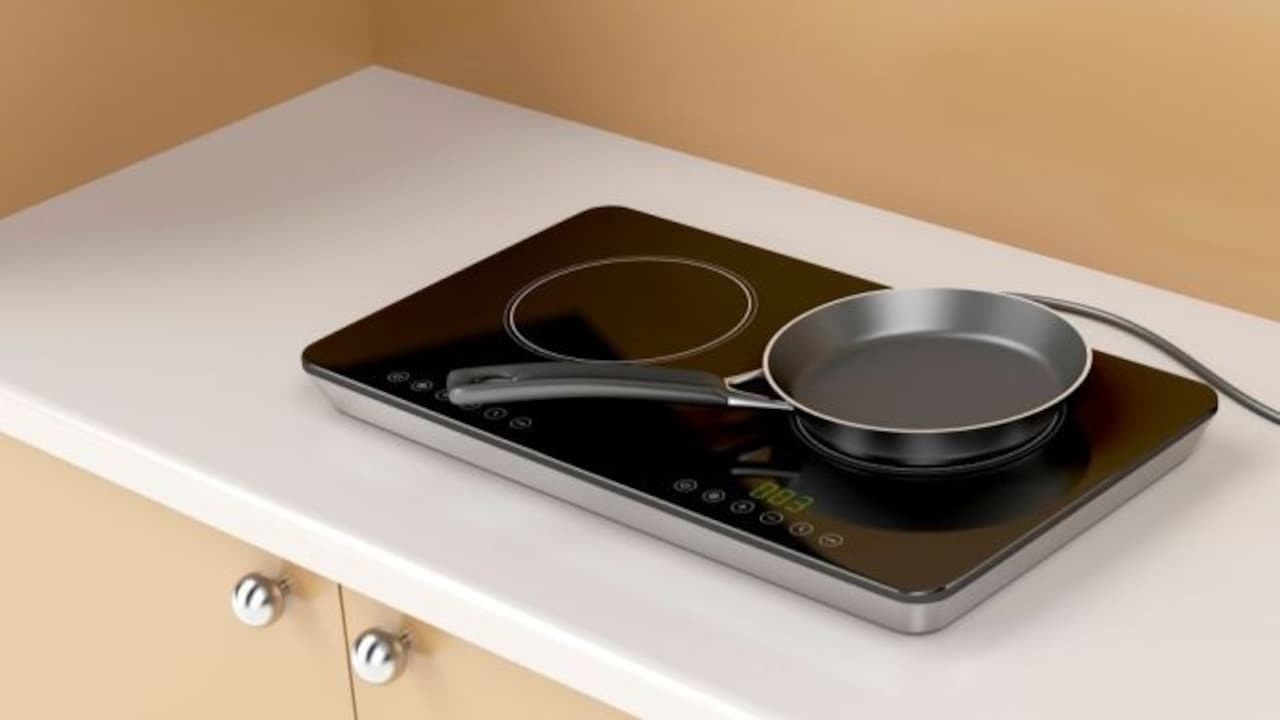
Induction Cooktops That Fail With Certain Utensils: Compatibility Myths; Photo Credit: Pexels
Myth 5: Induction Cooktops Damage Certain Utensils
Some households worry that induction cooktops might damage cookware. Stories circulate about warped pans or weakened metal. These concerns often discourage people from fully embracing the technology.
In reality, induction cooktops heat utensils more efficiently than traditional gas stoves. Heat transfers directly to the base, reducing overall exposure. This precision actually protects cookware when used correctly.
Problems arise only when unsuitable utensils enter the picture. Thin or poorly constructed pans may overheat quickly, leading to damage. However, the cooktop itself does not cause harm. Misuse and incompatible materials remain the real culprits.
Proper usage transforms the experience. Choosing suitable utensils and adjusting heat levels ensures longevity. Rather than damaging cookware, induction cooking often extends its lifespan by delivering controlled, even heat.
Myth 6: Non-Stick Cookware Is Always Compatible
Non-stick cookware often appears modern and versatile. Many assume it automatically works on induction cooktops. Unfortunately, appearances can mislead.
Compatibility depends on the base, not the coating. A non-stick pan without a magnetic layer will not heat on induction, regardless of its premium look. This misunderstanding leads to disappointment, especially after investing ₹1,500 or more in a stylish set.
Manufacturers sometimes label products vaguely, adding to confusion. Terms like 'suitable for all cooktops' may not always guarantee performance. Checking for a magnetic base remains the safest approach.
When chosen correctly, induction-compatible non-stick pans offer excellent results. They heat quickly and reduce oil usage, making everyday cooking easier. The key lies in looking beyond the surface and understanding what lies beneath.
Myth 7: Larger Utensils Work Better On Induction
Bigger utensils often get associated with better cooking efficiency. This assumption carries over to induction cooktops, where size seems to promise improved performance.
In reality, induction cooktops rely on the coil size beneath the surface. If a utensil extends beyond the coil's range, heat distribution becomes uneven. A large pot may only heat at the centre, leaving the edges cooler.
This mismatch creates cooking challenges. Food may stick or cook inconsistently, leading to frustration. The issue does not stem from the utensil's quality but from its size relative to the cooktop.
Choosing the right size matters more than going bigger. Matching utensils to the cooktop's heating zone ensures even cooking. Smaller or appropriately sized vessels often outperform oversized ones, delivering better results with less effort.
Myth 8: Induction Cooking Lacks The Flavour Of Gas Cooking
Food carries emotion, memory, and comfort. Many believe induction cooking cannot replicate the flavour achieved on gas stoves. This idea often stems from tradition rather than evidence.
Induction cooktops do not alter flavour directly. They simply provide heat through a different method. The cooking process, ingredients, and technique still determine taste. A well-cooked dal or sabzi tastes just as rich when prepared on induction.
What changes is the control. Induction allows precise temperature adjustments, which can actually enhance cooking. Simmering becomes consistent, and boiling occurs faster. These features often improve results rather than diminish them.
The perception of lost flavour often fades with experience. Once familiar with the controls, cooking becomes intuitive. The warmth of traditional recipes remains intact, proving that flavour depends on the cook, not the cooktop.
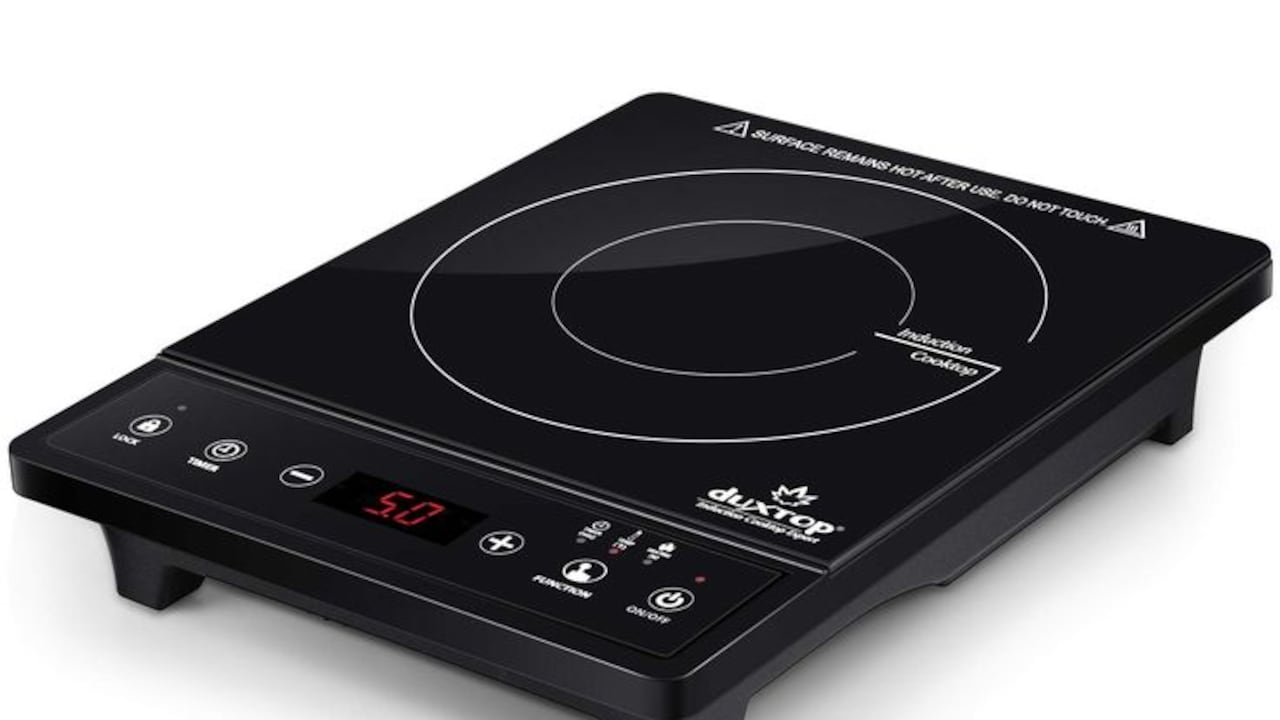
Induction Cooktops That Fail With Certain Utensils: Compatibility Myths; Photo Credit: Pexels
Myth 9: All Induction Cooktops Behave The Same Way
Not all induction cooktops share identical performance. Many assume that if one model struggles with a utensil, all others will behave similarly. This generalisation creates unnecessary doubt.
Different models vary in power levels, coil design, and sensitivity. A basic cooktop priced at ₹2,000 may not detect smaller utensils, while a higher-end model handles them easily. These differences influence compatibility and efficiency.
User settings also matter. Incorrect power levels or improper placement can lead to poor performance. What seems like incompatibility may simply be a matter of adjustment.
Understanding these variations helps set realistic expectations. Instead of blaming the entire technology, evaluating the specific model provides clarity. With the right settings and utensils, most cooktops deliver reliable results.
Myth 10: Switching To Induction Requires Replacing All Utensils
The thought of replacing an entire kitchen setup often discourages people from switching to induction. The imagined cost can feel overwhelming, especially when existing utensils still function well.
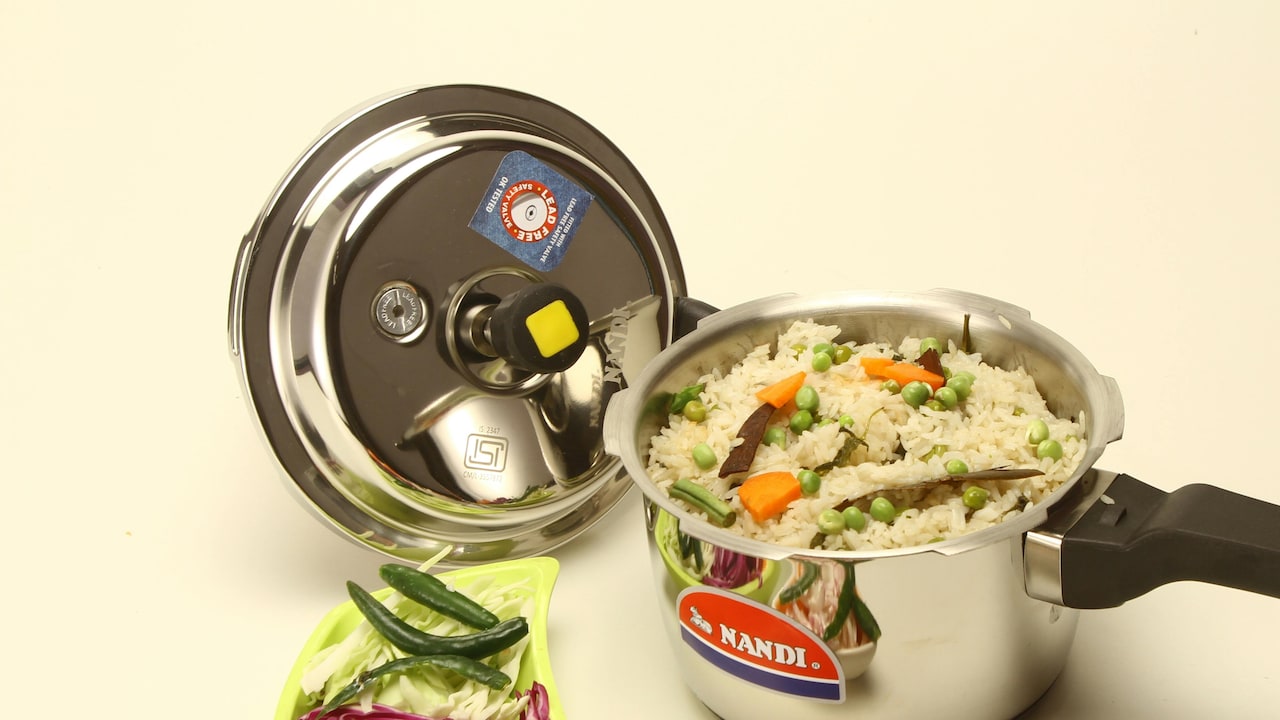
In reality, most kitchens already contain compatible cookware. Steel utensils, pressure cookers, and even some modern pans often work seamlessly. The need for replacement usually affects only a few items.
Gradual transition offers a practical solution. Instead of spending ₹4,000 or more on new sets, replacing incompatible utensils over time reduces financial strain. This approach allows households to adapt without unnecessary expense.
Adopting induction cooking does not demand a complete overhaul. With a bit of awareness and patience, the transition becomes smooth and manageable, turning a perceived burden into a simple upgrade.
Products Related To This Article
1. BLOWHOT BL 100 Induction 2000-Watt Feather Touch Venus Induction Cook Top
2. Cadlec CookMate 2000W Induction Cooktop with Crystal Glass
3. Hawkins Futura Single Induction Hob
4. Bosch Pib375Fb1E, 30 Cm, Built-In Induction Hob Ceramic Glass 2 Cooking Zones
5. Cello Induction Cooker Blazing 600+
Induction cooktops often suffer from misunderstandings rather than genuine limitations. Compatibility myths, passed from one kitchen to another, create confusion and hesitation. Yet, the truth remains refreshingly simple.
Magnetism determines compatibility. Price, appearance, or brand matter far less than the material and construction of a utensil. Many households already possess suitable cookware, waiting to be rediscovered with a simple magnet test.
Induction cooking offers efficiency, safety, and precision. When myths fade, these advantages shine through. Cooking becomes quicker, cleaner, and more controlled, without sacrificing flavour or tradition.
In the end, the journey from doubt to confidence begins with clarity. Once the science feels familiar, the cooktop no longer seems fussy. Instead, it becomes a reliable partner, quietly transforming everyday cooking into a smoother, smarter experience.
(Disclaimer: This article may include references to or features of products and services made available through affiliate marketing campaigns. NDTV Convergence Limited (“NDTV”) strives to maintain editorial independence while participating in such campaigns. NDTV does not assume responsibility for the performance or claims of any featured products or services.)