Turntable vs. Flatbed Microwaves: Which Design Cooks More Evenly?
Uneven microwave heating is frustrating. This guide compares turntable and flatbed microwaves, explains how each design spreads heat, and helps you choose the one that cooks food more evenly for everyday use.
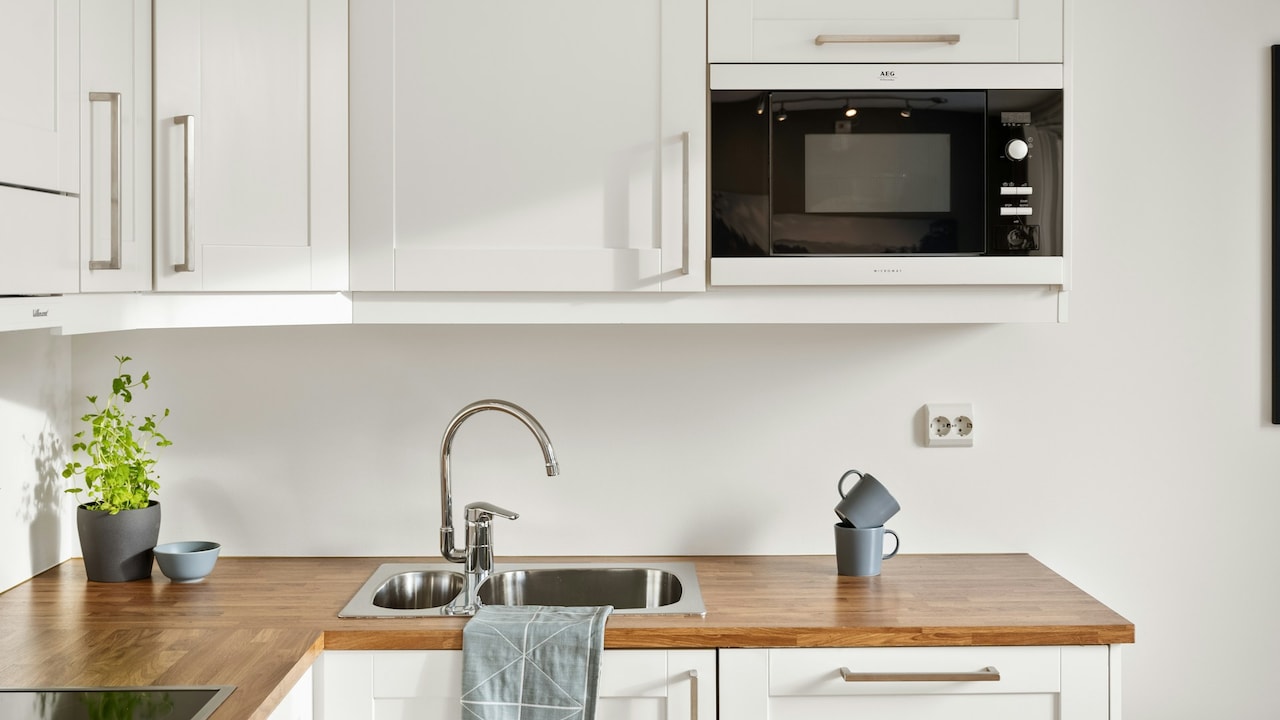
Here's what you need to know about turntable vs flatbed microwaves before you go shopping.
Almost every kitchen has a microwave, yet most people quietly complain about the same thing: uneven heating. One corner of the curry is bubbling hot, while the centre still feels like it came straight out of the fridge. That annoyance often leads to a bigger question when buying a new appliance, does the design of a microwave actually matter?

Explore key differences between turntable vs flatbed microwaves before buying one; Photo Credit: Unsplash
The debate usually boils down to two formats. One uses a rotating glass plate that spins food during cooking. The other keeps the base flat and relies on internal technology to distribute heat. Both promise convenience, speed, and reliability, but they behave very differently once food goes inside.
This article takes a clear, no-nonsense look at turntable and flatbed microwaves. Not from a lab perspective, but from everyday cooking habits, reheating leftovers, defrosting frozen food, warming rotis, or making quick meals after a long day. If even cooking matters to you, the difference is more than cosmetic.
Also Read: Get Into Smart Cooking, Check Top 5 Deals On Microwaves, From IFB To LG, On Amazon
What Really Determines Even Cooking in Microwaves
1. How Microwave Heating Actually Works
Microwaves don't heat food the way a stove or oven does. They use electromagnetic waves that excite water molecules inside food, creating heat from within. The catch is that these waves don't spread evenly on their own. They bounce around the metal cavity, creating hot and cold spots.
Early microwave designs struggled with this problem. Some parts of the dish would absorb more energy, while others stayed underheated. This is where the turntable came in. By physically rotating food, it forced different sections to pass through hot zones, averaging out the temperature.
Flatbed microwaves tackle the same issue differently. Instead of moving the food, they attempt to move the energy more intelligently. Internal wave stirrers and redesigned cavities aim to distribute microwaves more uniformly across the cooking space.
So the real question isn't which microwave is “better,” but which approach manages uneven waves more effectively in everyday use.
2. Turntable Microwaves: The Familiar Classic
Turntable microwaves feel almost nostalgic. The glass plate spins slowly, the bowl rotates, and there's a reassuring sense that everything is moving as it should. This design has been around for decades, and for good reason; it works reasonably well.
By rotating food through different microwave intensity zones, turntables reduce extreme hot and cold patches. This makes them especially reliable for reheating curries, dals, rice, and gravies. Liquids benefit too, as movement helps prevent one side from overheating.
However, the system has limitations. Large or oddly shaped dishes may not rotate smoothly. Square containers often bump against the walls. Sometimes the plate slips, leaving food stuck in one position, defeating the purpose entirely.
Still, for standard round bowls and daily reheating tasks, turntable microwaves deliver predictably decent results with a minimal learning curve.
3. Flatbed Microwaves: The New-Age Contender
Flatbed microwaves look sleeker the moment you open the door. No rotating plate, no raised centre, and more usable space. The appeal is instant, especially for modern kitchens that value clean design and flexibility.
Instead of rotating food, flatbed models use advanced wave distribution systems. These may include rotating antennas beneath the cavity or specially shaped interiors that scatter microwaves more evenly. In theory, this allows food to heat uniformly without moving.
In practice, results vary by brand and price point. High-quality flatbed microwaves can heat food impressively evenly, even when dishes are placed off-centre. Cheaper models, however, may struggle, leading to uneven results that feel worse than a basic turntable.
When flatbed technology works well, it feels effortless. When it doesn't, it can be frustrating. That inconsistency is something buyers should keep in mind.
4. Even Heating: Which Design Actually Wins?
When it comes strictly to even cooking, turntables still hold a slight edge in consistency. Their mechanical approach may feel old-school, but it's reliable. Rotation physically compensates for uneven wave distribution, no matter what's happening inside the cavity.
Flatbed microwaves rely heavily on engineering precision. When done right, they can outperform turntables, especially with larger dishes or multiple items cooked together. But they leave less room for error. Placement becomes important, and cheaper models may expose uneven heating quickly.
For everyday users reheating leftovers or cooking simple meals, turntable microwaves deliver fewer surprises. Flatbed models shine in premium segments, where better wave control actually translates to better performance.
So the winner depends less on design and more on execution, but turntables remain the safer bet for consistent results across price ranges.
5. Reheating Real Food: Rotis, Rice, And Curries
Daily food habits reveal design differences quickly. Rotis, for instance, reheat unevenly in flatbed microwaves if placed directly on a plate. Edges may dry out while the centre stays soft. Turntables handle them better due to constant movement.
Rice behaves similarly. A bowl of leftover rice heats more evenly on a rotating plate, reducing the need for stirring midway. Flatbeds can do the same, but placement matters more, and stirring is often necessary.
Curries and gravies are forgiving, but even here, turntables feel more dependable. Flatbeds sometimes create hot rims and cooler centres unless power levels are adjusted carefully.
For households that rely heavily on reheating cooked meals rather than packaged foods, turntables still feel more forgiving and predictable.
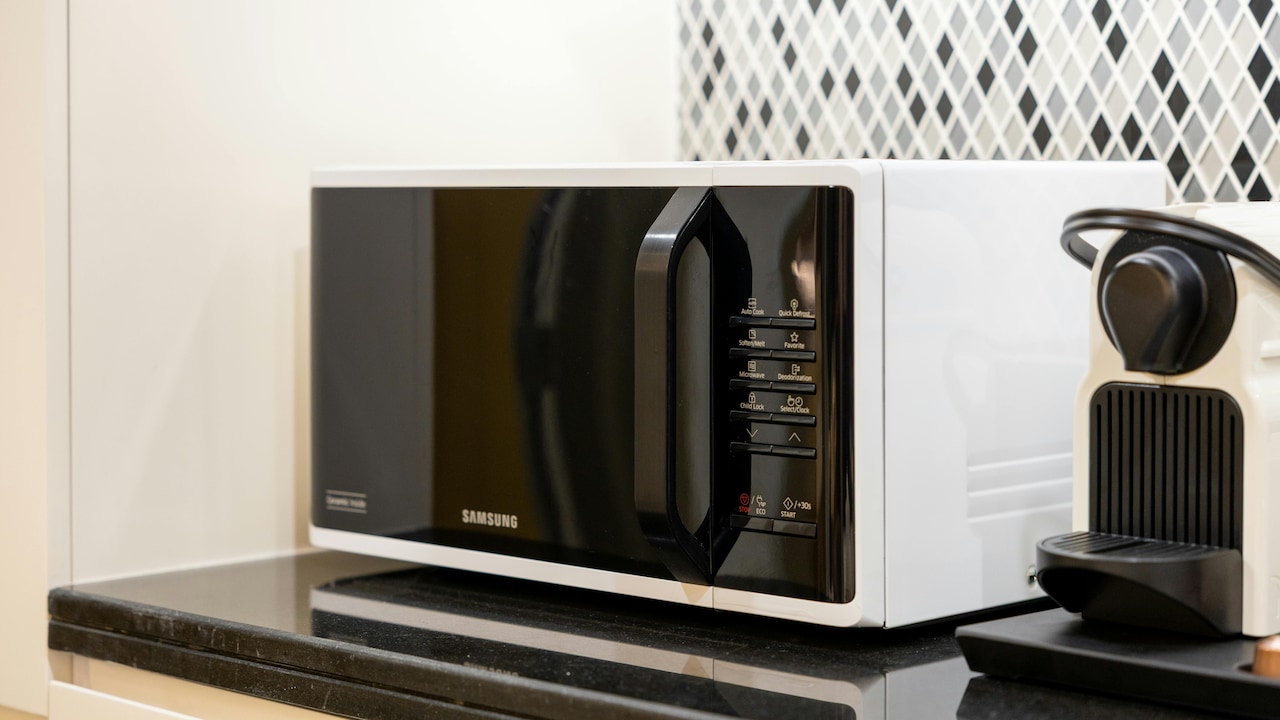
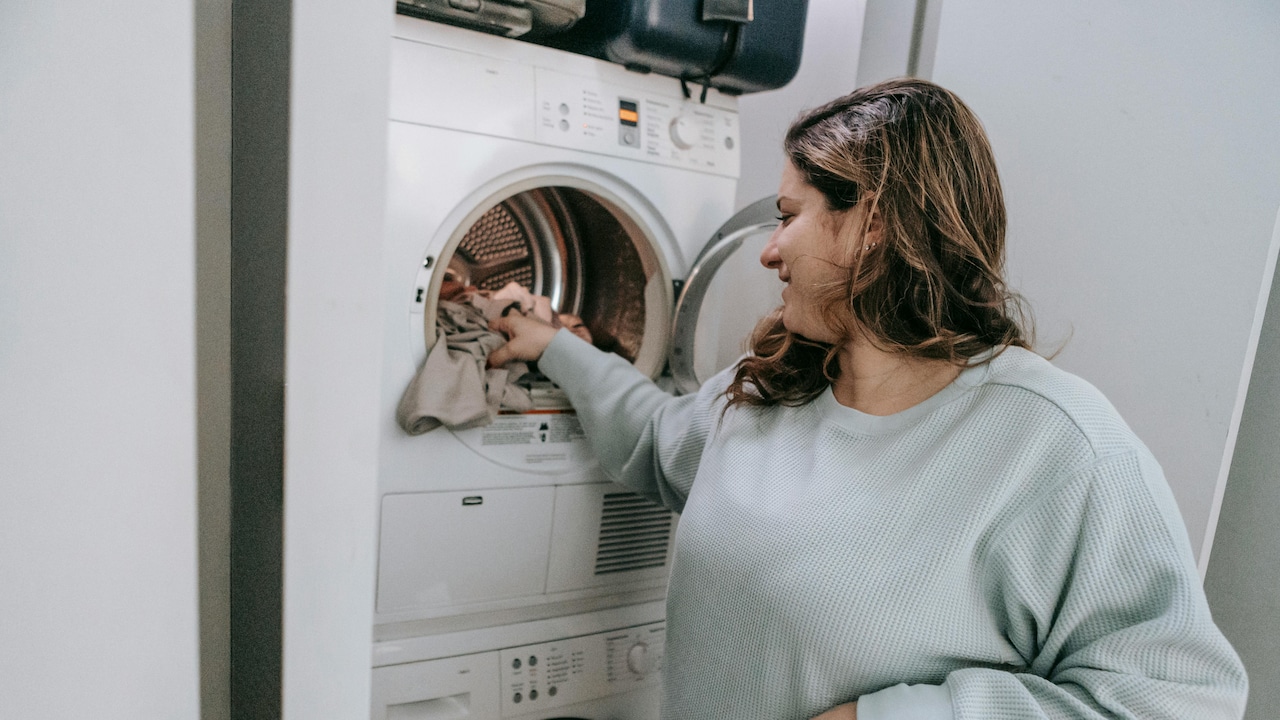
Turntables suit families that rely on reheating food; Photo Credit: Pexels
6. Defrosting Frozen Food Without Half-Cooking It
Defrosting is where uneven heating becomes painfully obvious. Frozen food has varying densities, and microwaves already struggle with this. A poor design can leave edges cooked while the centre remains frozen solid.
Turntable microwaves perform better here because movement reduces prolonged exposure to hot spots. Meat, bread, and frozen snacks thaw more evenly, especially at lower power settings.
Flatbed microwaves can defrost evenly, too, but only when their internal wave systems are well designed. Otherwise, frozen edges often start cooking prematurely.
If defrosting is a regular task, especially for meats or batch-cooked meals, turntables offer more consistent outcomes with less manual intervention.
7. Space, Shape, And Practical Convenience
Flatbed microwaves clearly win on usable space. Without a rotating plate, large square containers fit easily. Big casserole dishes slide in without worrying about rotation clearance. Cleaning is also simpler, with fewer removable parts.
Turntable models feel more restrictive in comparison. The raised centre and glass plate limit container size and shape. Cleaning spilt food beneath the plate is also a minor but frequent annoyance.
That said, convenience doesn't always equal performance. While flatbeds are more flexible, users may need to rotate food manually or pause cooking to stir, especially in mid-range models.
So the trade-off becomes clear: more space and convenience versus mechanical consistency.
8. Power Levels, Sensors, And Smart Features
Modern microwaves include sensors that adjust time and power based on steam, moisture, or weight. These features often matter more than whether the microwave has a turntable.
Turntable microwaves paired with good sensor technology deliver impressively even results. Flatbed microwaves depend even more heavily on sensors to compensate for the lack of rotation.
In cheaper models, sensors may feel gimmicky. In better models, they genuinely improve even cooking, especially for flatbeds.
If even heating is the priority, it's smarter to focus on power control and sensor quality rather than design alone.
9. Maintenance, Durability, And Long-Term Use
Turntable microwaves have moving parts that can wear out. Rollers crack, plates break, and replacements add small but recurring costs. Still, repairs are usually simple and affordable.
Flatbed microwaves have fewer mechanical parts, which sounds good on paper. However, their internal wave systems are more complex. When something goes wrong, repairs can be expensive or impractical.
From a long-term perspective, turntables feel easier to live with. Flatbeds feel cleaner and more modern, but depend heavily on build quality.
10. Which One Should You Actually Buy?
If even cooking is your top priority and daily use involves reheating home-style meals, a turntable microwave remains the most reliable choice. It may not look fancy, but it delivers consistency with minimal effort.
If you value space, design, and flexibility, and are willing to invest in a higher-quality model, flatbed microwaves can perform just as well, sometimes better. Just don't expect miracles from budget versions.
The smartest choice balances design, technology, and how you actually use the appliance. For most households, reliability still beats novelty.
Products Related To This Article
1. Panasonic 20L Solo Microwave Oven
2. Panasonic 27L Convection Microwave Oven
3. IFB 24L Solo Microwave Oven with 69 Auto Cook Menus
4. LG 20 L Solo Microwave Oven
5. Panasonic 23L Convection Microwave Oven
6. Samsung 28L, Convection Microwave Oven with Curd Making
7. Morphy Richards 20 Litres Solo Microwave Oven
Uneven microwave heating isn't just bad luck; it's closely tied to design choices. Turntable microwaves solve the problem mechanically, while flatbed models rely on smarter energy distribution.
Neither design is universally superior. Turntables win on consistency and forgiveness. Flatbeds win on space, aesthetics, and convenience when executed well.
Understanding how each design handles heat helps set realistic expectations. And once expectations are right, even the humble microwave becomes far less frustrating and far more useful in everyday cooking.
(Disclaimer: This article may include references to or features of products and services made available through affiliate marketing campaigns. NDTV Convergence Limited (“NDTV”) strives to maintain editorial independence while participating in such campaigns. NDTV does not assume responsibility for the performance or claims of any featured products or services.)