Vacuum Cleaner Not Picking Up Fine Dust? Common Causes And Simple Suction Fixes
Struggling with fine dust even after vacuuming? Learn the real reasons suction drops and discover simple, practical fixes to restore your cleaner’s performance at home.
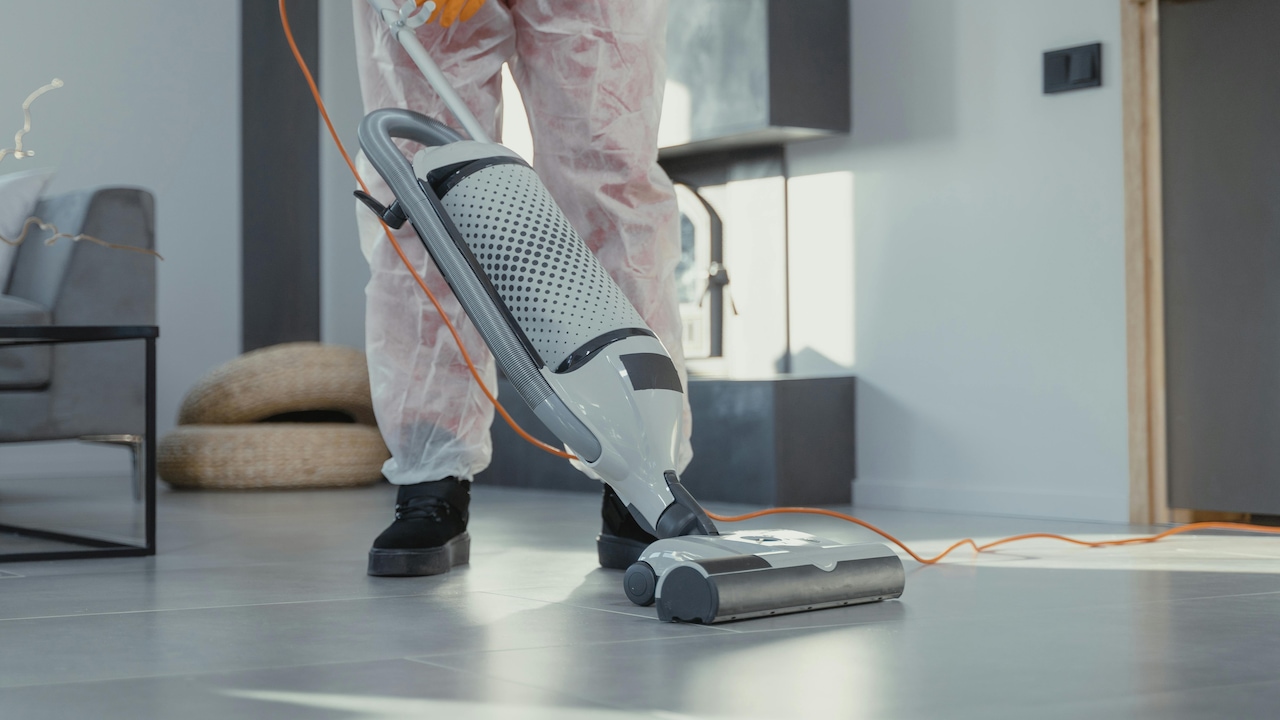
Why Your Vacuum Cleaner Isnt Picking Up Fine Dust And How To Boost Suction.
Fine dust behaves like an uninvited guest. It settles quietly, spreads everywhere and returns within hours. Floors may look clean at first glance, yet a swipe of the hand reveals that familiar powdery film. When a vacuum cleaner fails to lift this dust, frustration builds quickly.
The good news lies in understanding how these machines actually work. A vacuum cleaner relies on airflow, seals and clean pathways. When any part slips out of balance, suction drops. Fine dust, lighter than crumbs or hair, exposes these weaknesses faster than anything else.
Homes here deal with unique challenges. Dust enters through windows, balconies, and footwear. Ceiling fans stir it up daily. Cooking oils trap it on surfaces. Add monsoon humidity or dry summer heat, and the problem multiplies.
This article breaks down the most common reasons vacuum cleaners struggle with fine dust. Each section also shares practical, budget-friendly fixes. No technical jargon. No dramatic upgrades. Just smart habits, simple checks and a few clever tweaks that bring back that satisfying clean.
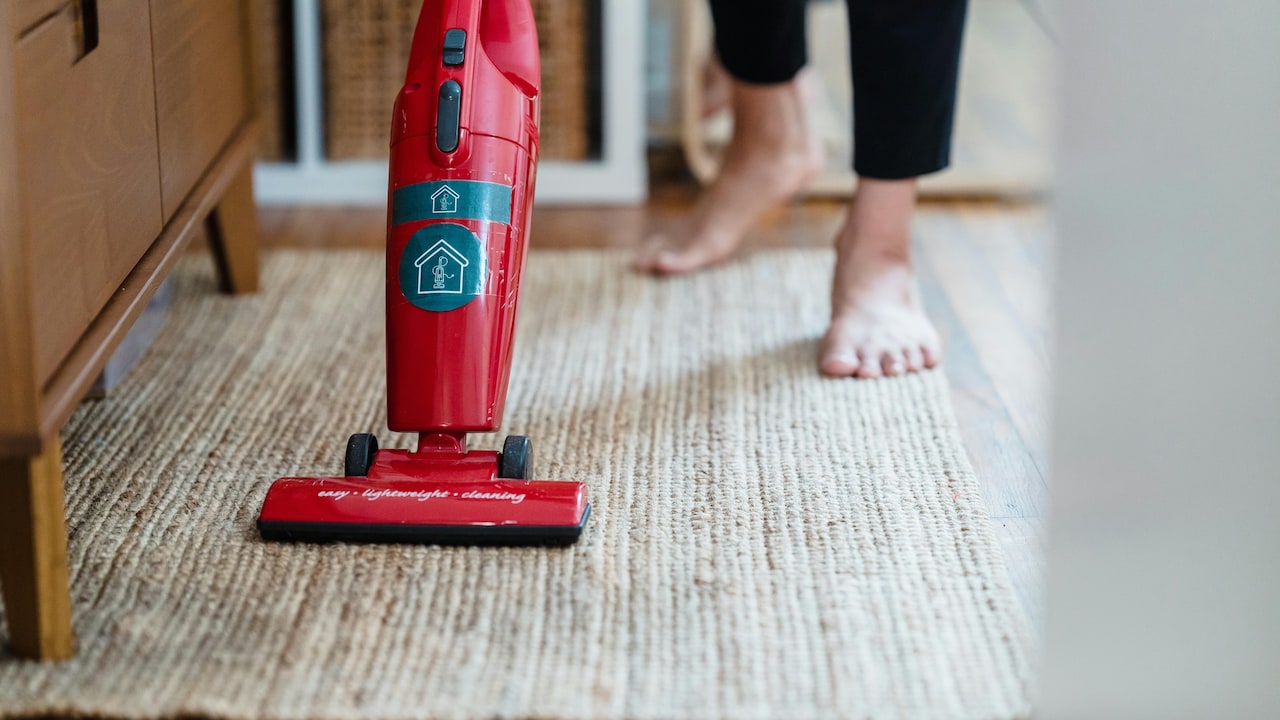
Why Your Vacuum Cleaner Loses Suction on Fine Dust and How to Fix It; Photo Credit: Pexels
What Is Really Going Wrong With Your Vacuum Cleaner
1. Clogged Filters Are Choking the Suction
Filters act like lungs for a vacuum cleaner. When clean, they let air flow freely while trapping dust. When clogged, they suffocate the machine. Fine dust causes this problem faster than visible debris. It packs tightly into filter fibres and blocks airflow.
Many users forget that filters need regular attention. Some models need washing every two weeks. Others require gentle tapping or replacement every few months. Ignoring this turns a powerful machine into a noisy box that pushes dust around instead of lifting it.
A simple test helps. Remove the filter and run the vacuum briefly. Strong suction without the filter signals the problem clearly. Cleaning or replacing the filter often restores performance instantly.
Washable filters should dry fully before reinstallation. Damp filters attract more dust and encourage odours. Replacement filters usually cost between ₹300 and ₹800, far cheaper than a new vacuum cleaner.
Clean filters also improve indoor air quality. Less dust escapes back into the room. Breathing feels easier. Floors stay cleaner for longer. A small habit change makes a big difference.
2. Dust Bin or Bag Is Overfilled
An overfilled dust container kills suction silently. Air needs space to circulate inside the bin or bag. When dust piles up, airflow drops and fine particles escape back onto the floor.
Many people wait until the bin looks full. Fine dust settles densely and fills gaps quickly. Suction often weakens long before the container appears packed.
Emptying the bin after every major clean keeps performance steady. For bagged models, replacing bags when they reach two-thirds capacity works best. Waiting longer saves nothing and costs efficiency.
While emptying, check the bin walls. Fine dust sticks due to static electricity. A quick wipe with a damp cloth removes residue that blocks airflow.
This habit also reduces strain on the motor. Motors work harder when the airflow drops. Over time, this shortens the machine's lifespan. Regular emptying protects both cleaning power and long-term value.
A vacuum cleaner thrives on space and flow. Give it room to breathe, and it returns the favour with better suction.
Also Read: Top 5 Handheld Vacuum Cleaners Under ₹2,000 For Pet Hair, Crumbs And Dust From Ambrane To Agaro
3. Blocked Hoses and Nozzles Hide the Real Issue
Fine dust rarely travels alone. It clings to hair, fibres and tiny debris. These combine inside hoses and nozzles, forming sneaky blockages that escape notice.
Loss of suction at the head but not the hose usually points to a nozzle issue. Weak suction everywhere suggests a deeper blockage. Detaching hoses and inspecting them against light reveals hidden clumps.
A straightened coat hanger or long brush helps clear obstructions safely. Avoid sharp objects that could tear the hose lining.
Nozzles need equal care. Brushes trap hair, threads and lint. These restrict movement and airflow. Regularly removing tangled debris restores smooth operation.
Blockages often build slowly. Cleaning performance declines gradually, making the problem easy to ignore. Monthly checks prevent sudden frustration before guests arrive or festivals begin.
Clear pathways let fine dust travel smoothly into the bin. Once the route opens, suction feels stronger almost instantly.
4. Worn or Dirty Brushes Fail to Agitate Dust
Vacuum cleaners do not rely on suction alone. Brushes play a vital role. They loosen fine dust from carpets, mats and floor grooves so airflow can lift it away.
Over time, brushes wear down. Bristles bend, break or clog with hair. This reduces their ability to stir dust. The vacuum still runs, but the dust stays put.
Cleaning brushes every few weeks helps. Scissors work well for cutting wrapped hair. A stiff brush removes packed dirt. For detachable rollers, washing and drying fully restores movement.
Some models allow brush height adjustment. Setting it too high reduces contact. Too low strains the motor. Adjusting it correctly improves both cleaning and comfort.
Replacing worn brushes costs far less than replacing the entire machine. Prices often range from ₹500 to ₹1,200 depending on the model.
Healthy brushes mean better dust agitation. Once dust lifts from the surface, suction can finally do its job.
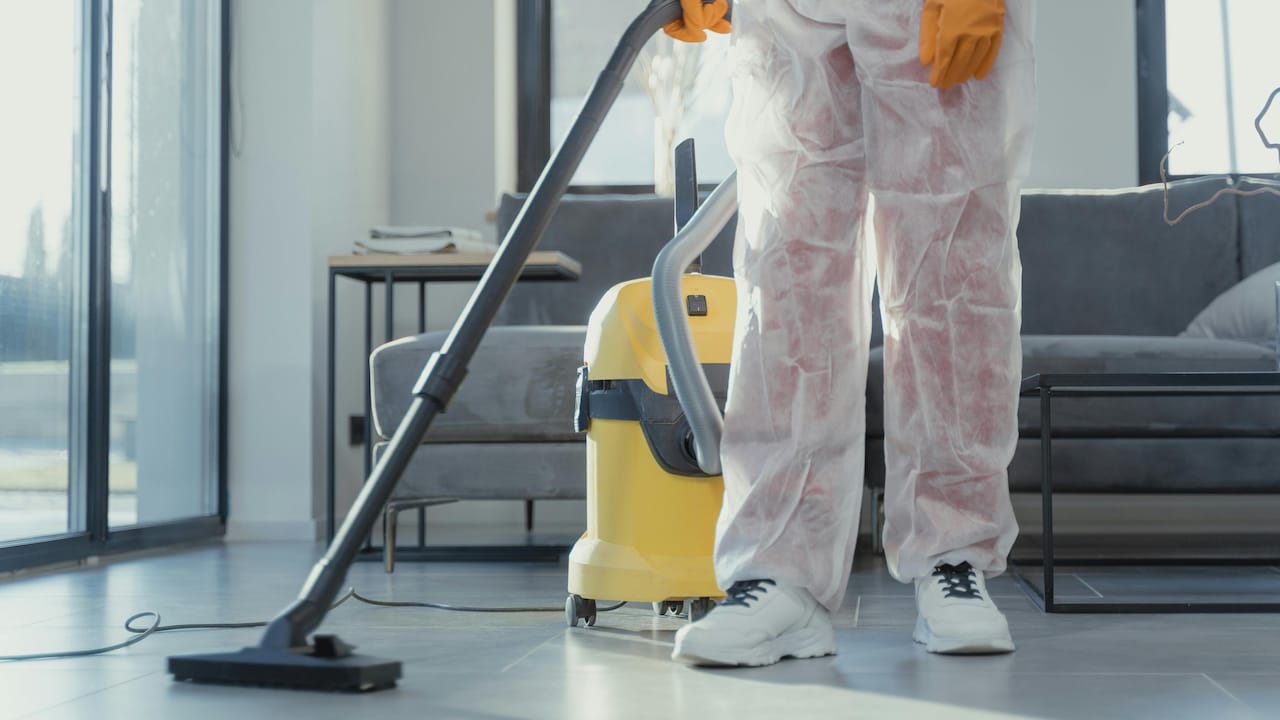
Why Your Vacuum Cleaner Loses Suction on Fine Dust and How to Fix It; Photo Credit: Pexels
5. Poor Seals Let Air Escape
A vacuum cleaner depends on sealed airflow. Cracks, loose fittings or worn gaskets let air escape. Suction drops even if the motor runs perfectly.
Fine dust highlights seal problems quickly. It sneaks through gaps and settles back onto floors. Users often mistake this for poor suction alone.
Checking seals takes little effort. Inspect connections between the hose, body and bin. Listen for hissing sounds during use. Feel for air leaks with a hand.
Replacing worn rubber seals restores airflow efficiency. Temporary fixes like insulation tape help in the short term but fail over time.
Even a small leak reduces suction noticeably. Restoring airtight pathways improves performance more than many expensive upgrades.
A sealed vacuum behaves like a focused tool. Air moves with purpose. Dust follows the path straight into the bin.
6. Incorrect Floor Settings Sabotage Cleaning
Many vacuum cleaners include adjustable floor settings. Hard floors need one approach. Carpets need another. Using the wrong setting leaves fine dust behind.
On hard floors, raised brushes or sealed heads work best. On carpets, lowered brushes agitate fibres and release trapped dust.
Ignoring these settings leads to frustration. The machine glides smoothly but cleans poorly. Dust clings stubbornly to surfaces.
Switching settings takes seconds. The improvement shows immediately. Floors feel cleaner underfoot. That gritty sensation disappears.
Some homes mix tile, rugs and mats in one room. Adjusting settings as needed improves results without extra effort.
Understanding the machine's design helps it work smarter. The right setting transforms an average cleaning into a thorough one.
7. Low-Quality Filters Release Fine Dust Back Into the Room
Not all filters handle fine dust equally. Basic filters trap larger debris but allow micro-particles to escape. This dust settles back onto floors and furniture.
Upgrading to high-efficiency filters improves capture significantly. These traps finer particles and reduce airborne dust after cleaning.
While premium filters cost more upfront, usually ₹800 to ₹1,500, they reduce cleaning frequency. Homes stay cleaner longer.
These filters also benefit those sensitive to dust. Sneezing reduces. The air feels fresher. Cleaning becomes less exhausting.
Compatibility matters. Using the correct filter model ensures proper fit and airflow.
Better filtration keeps dust where it belongs. Inside the vacuum, not floating back into the living space.
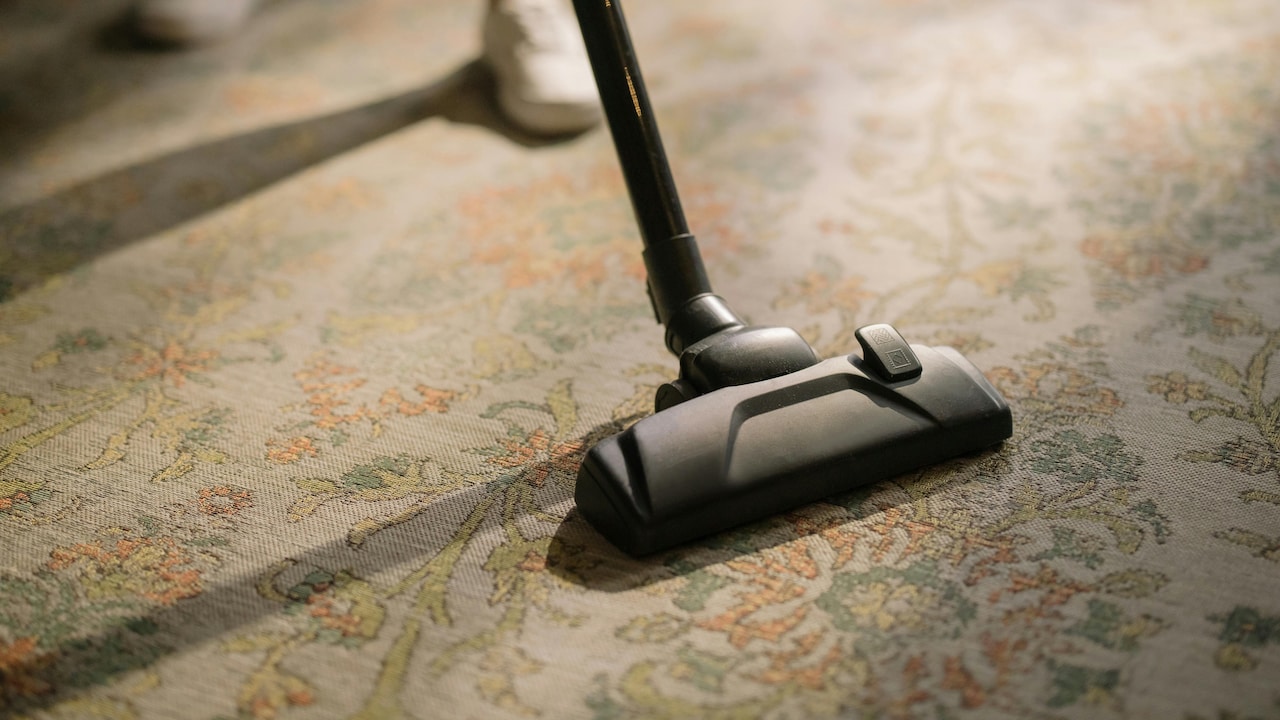
Why Your Vacuum Cleaner Loses Suction on Fine Dust and How to Fix It; Photo Credit: Pexels
8. Overheating Motors Reduce Suction Mid-Clean
Vacuum cleaners heat up during use. When airflow drops due to clogs or full bins, motors overheat faster. Many machines reduce power automatically to protect themselves.
Suction feels strong at first, then fades. Users often blame electrical issues, but airflow usually causes the problem.
Allowing the machine to cool restores power temporarily. Preventing overheating fixes it permanently.
Short cleaning sessions help. Clearing blockages, emptying bins and cleaning filters reduces strain.
Keeping vents clear also matters. Dust-covered vents trap heat.
A cooler motor runs stronger for longer. Consistent suction depends on proper airflow and cooling.
9. Cleaning Too Fast Leaves Dust Behind
Speed feels efficient, but vacuuming too quickly reduces effectiveness. Fine dust needs time to lift from surfaces.
Rushing passes over floors pulls only loose debris. Embedded dust remains untouched.
Slow, overlapping strokes improve results. Allowing the head to rest briefly lets suction work fully.
This habit matters especially on carpets and textured tiles. Dust hides deep within fibres and grooves.
Slowing down reduces repeat cleaning. Floors stay cleaner longer. Effort decreases overall.
Patience pays off. A calmer pace delivers a deeper clean without extra energy.
10. Ageing Machines Lose Efficiency Without Maintenance
Vacuum cleaners age like any appliance. Motors weaken. Seals wear. Parts loosen.
Regular maintenance extends life significantly. Annual servicing costs far less than replacement, often under ₹2,000.
Replacing key parts restores performance close to new. Many machines deliver strong service well beyond five years with care.
Knowing when to maintain saves money and frustration. Ignoring signs leads to sudden failure.
An ageing vacuum still performs well with attention. Maintenance keeps fine dust under control and makes cleaning stress-free.
Products Related To This Article
1. SEZNIK Vacuum Cleaner for Home Use Wet and Dry
2. AGARO Regal 800 Watts Handheld Vacuum Cleaner
3. Eureka Forbes Quick Clean DX Vacuum Cleaner with 1200 Watts Powerful Suction Control
4. Philips PowerPro FC9352/01-Compact Bagless Vacuum Cleaner for home
5. INALSA Wet and Dry Vacuum Cleaner for Home
6. KENT Storm Vacuum Cleaner
7. WOSCHER 2003 High Power Auto Car Vacuum Cleaner for Deep Cleaning
Fine dust challenges even the best vacuum cleaners, but the solution rarely lies in buying a new one. Small issues add up quietly. Filters clog. Bins fill. Seals loosen. Brushes wear out. Together, they weaken suction and leave homes feeling less clean than expected.
Understanding these details changes everything. Simple habits restore performance quickly. Regular checks prevent bigger problems. Thoughtful use makes cleaning easier and more satisfying.
A vacuum cleaner works best when treated like a partner, not a miracle worker. Care for it well, and it returns the favour with cleaner floors, fresher air, and fewer cleaning battles. Fine dust may be persistent, but with the right approach, it no longer stands a chance.
(Disclaimer: This article may include references to or features of products and services made available through affiliate marketing campaigns. NDTV Convergence Limited (“NDTV”) strives to maintain editorial independence while participating in such campaigns. NDTV does not assume responsibility for the performance or claims of any featured products or services.)