Home Appliances Trend 2026: What Do Consumers Actually Want?
Discover the key home appliance trends shaping 2026, from AI-enabled convenience to multifunctional designs, healthier living, and compact solutions.
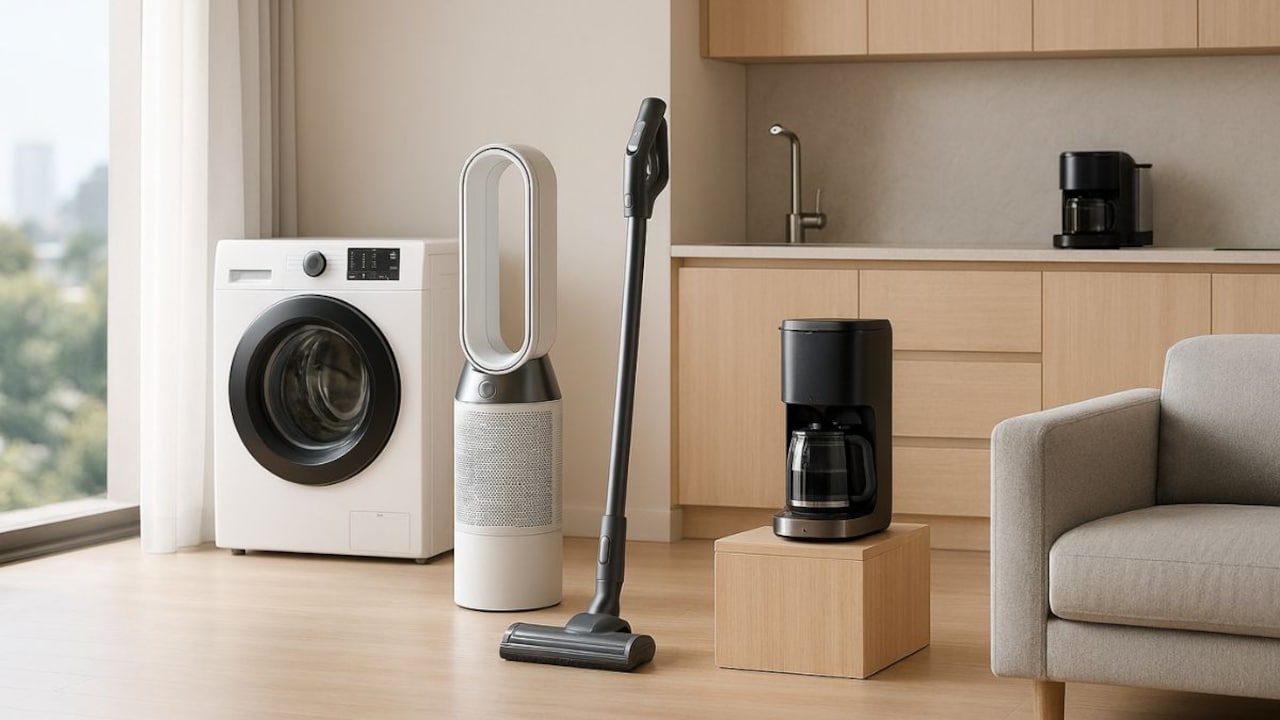
Consumers in 2026 want appliances that make everyday life easier, cleaner, and quieter.
The way we think about home appliances has changed dramatically. Not too long ago, most households were satisfied with a reliable fridge, a sturdy washing machine, and maybe an air conditioner to keep the house cool. Today, our homes have become multifunctional spaces, places where we live, work, cook, clean, relax, and take care of our health. As a result, what people expect from their appliances has evolved just as quickly.
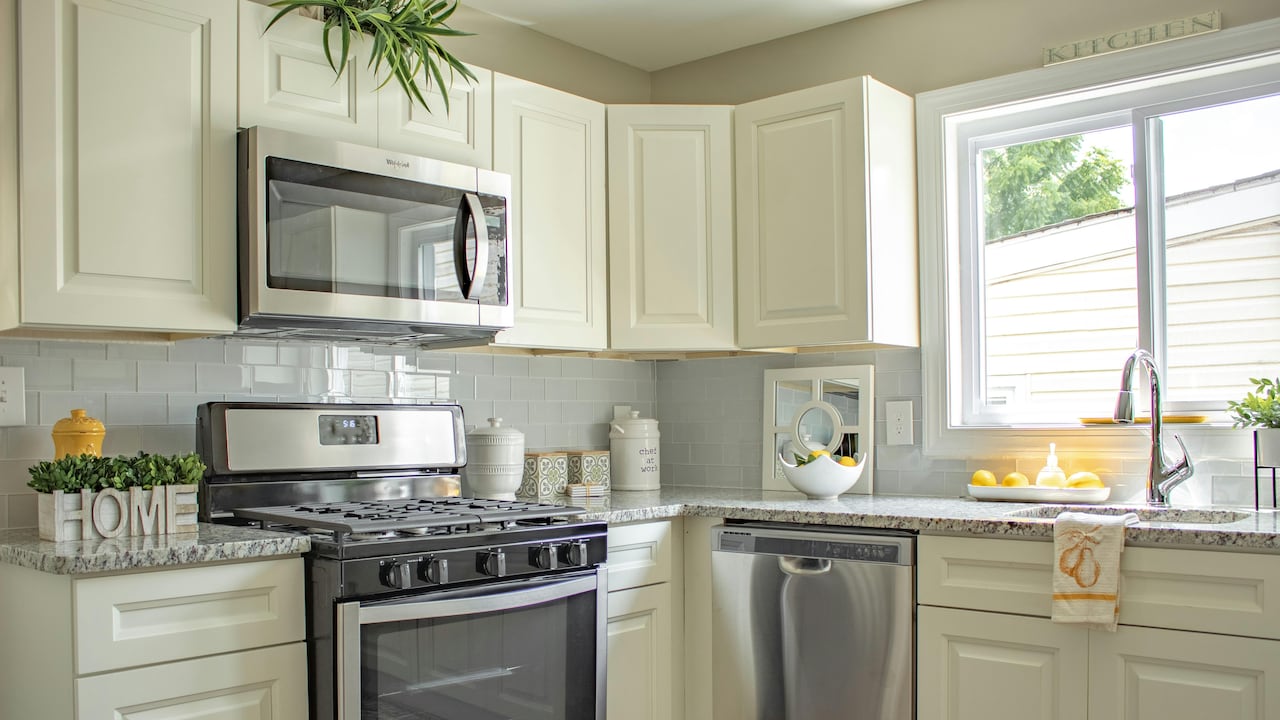
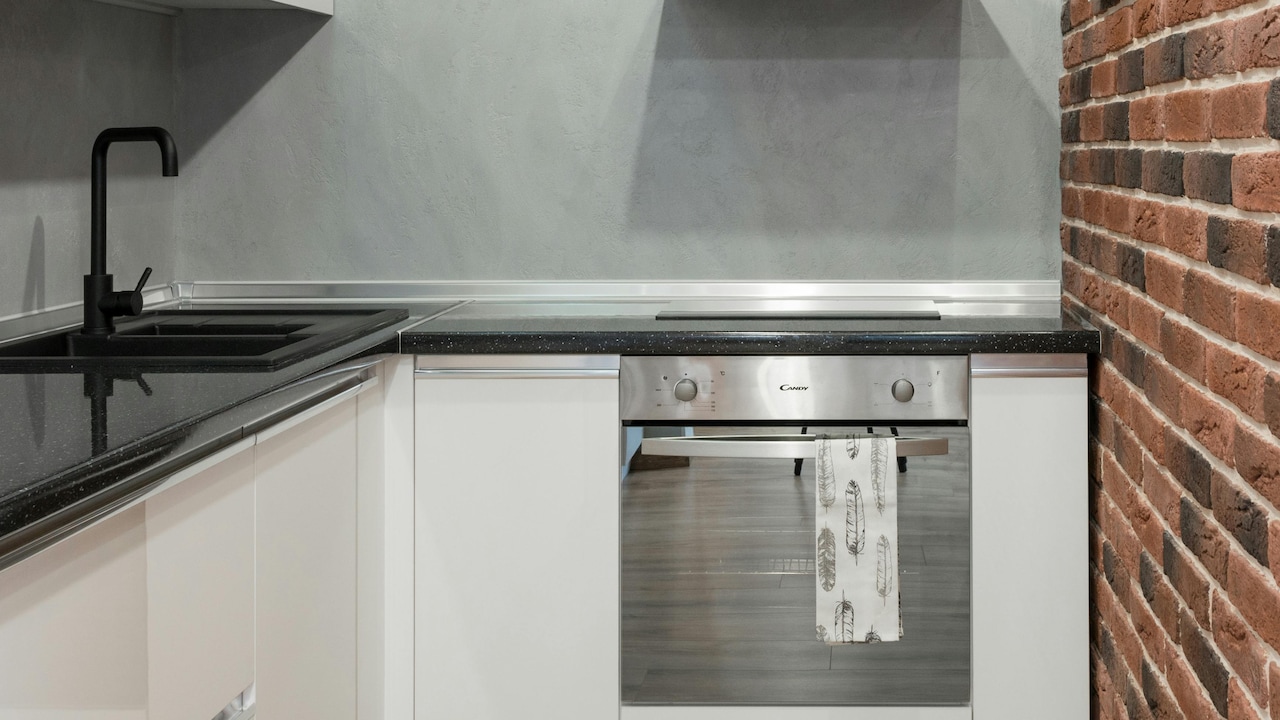
Modern home appliances tend to make everyday life less complex and smoother
Photo Credit: Pexels
NielsenIQ's Home Appliances Outlook 2026 distils this shift into a clear view of consumer expectations. Rather than projecting futuristic fantasies, the report reflects the real pressures and preferences of today's households, shaped by global tariff changes, emerging trade-in programmes, rising living costs, and the increasingly varied needs of Asian markets. It ultimately reveals what shoppers genuinely want from the devices they invite into their homes.
Also Read: Smart Heating For Smart Homes: Top Geysers To Buy In 2026
One of the most striking shifts is the fading importance of traditional brand loyalty. Norbert Herzog, Head of Global Strategic Insights at NielsenIQ, highlights that consumers are increasingly choosing appliances for their features, not their logos. They want energy efficiency, convenience, smart functionality, and real improvements to daily life.
The Indian landscape mirrors this global trend. As Chloe Kai Yun Tee, a Dyson Engineer, explains, the next phase of home technology will focus on machines that operate more intuitively, respond automatically to their surroundings, and reduce the effort required to maintain a clean and healthier home. This isn't about making homes futuristic; it's about making them easier.
Top 5 Home Appliances Trends For 2026
1. AI Optimisation
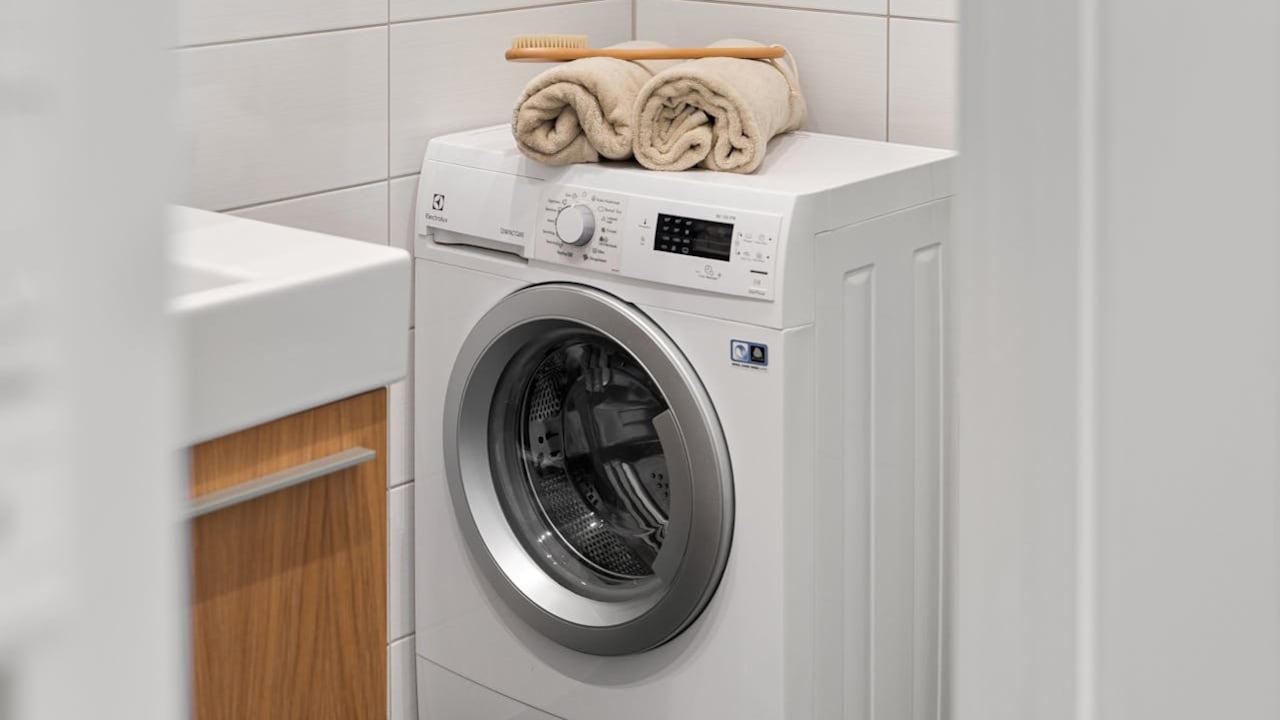
Artificial intelligence has become a buzzword in the appliance world, but consumers don't necessarily care about AI as a headline feature. What they want is the benefit: less effort, less waste, and better performance. When AI helps a robot vacuum navigate more accurately, or enables a washing machine to fine-tune its energy use based on the load, people notice the difference, not the technology.
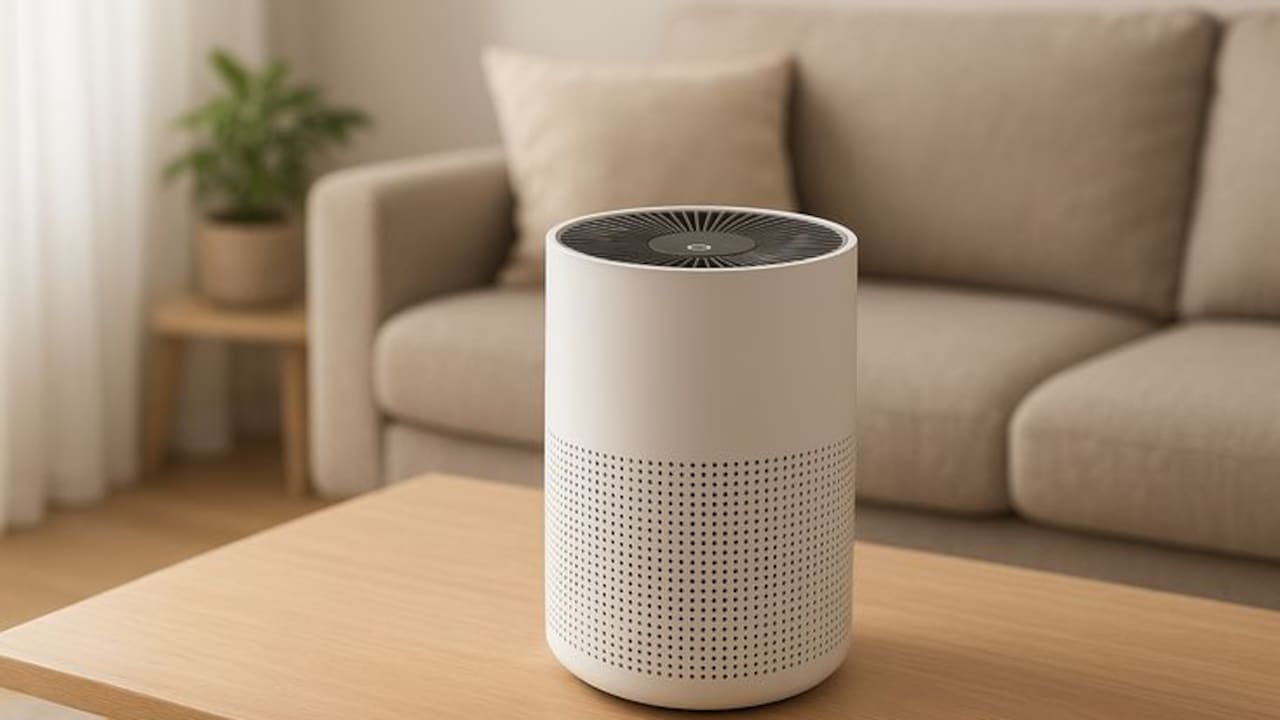
Air purifiers show this shift most clearly. With indoor air quality fluctuating due to pollution, dust, cooking, and climate-related factors, real-time sensing has become essential. Consumers want purifiers that automatically adjust airflow when particulate levels rise, without requiring constant manual checks or app notifications. In this sense, AI serves as an “invisible helper”, something that quietly improves home life without drawing attention to itself.
2. Convenience And Performance
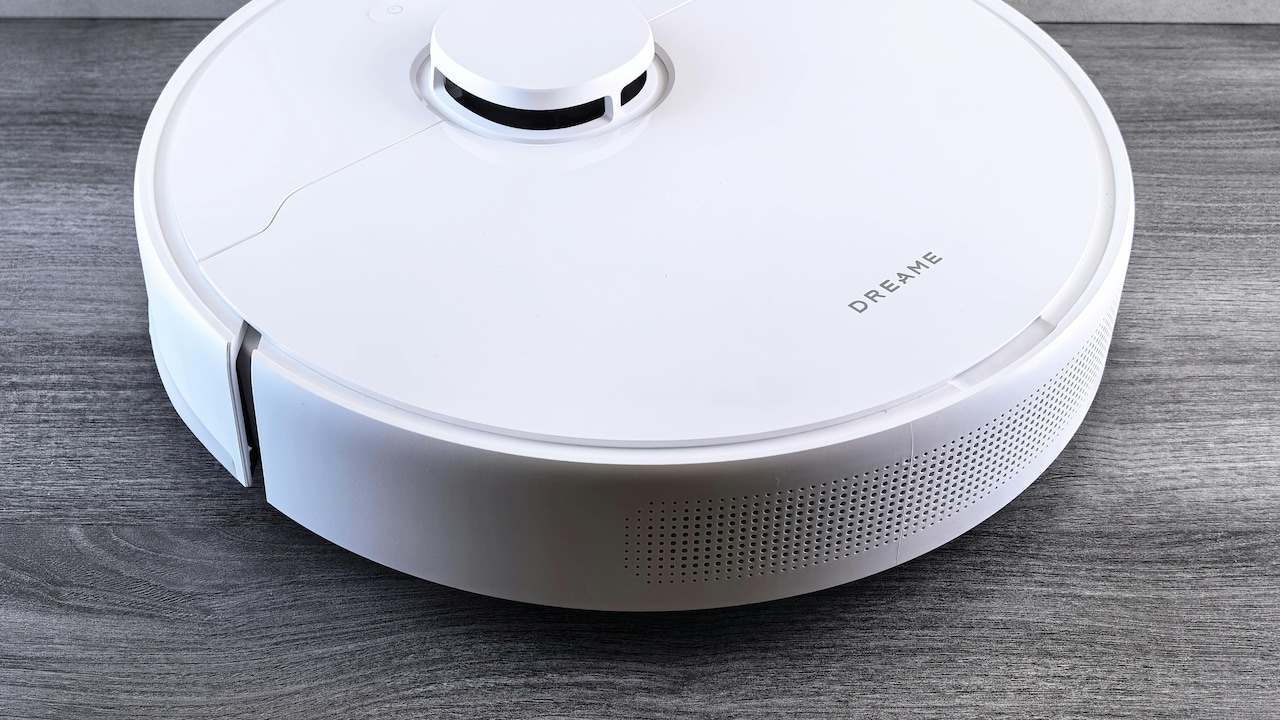
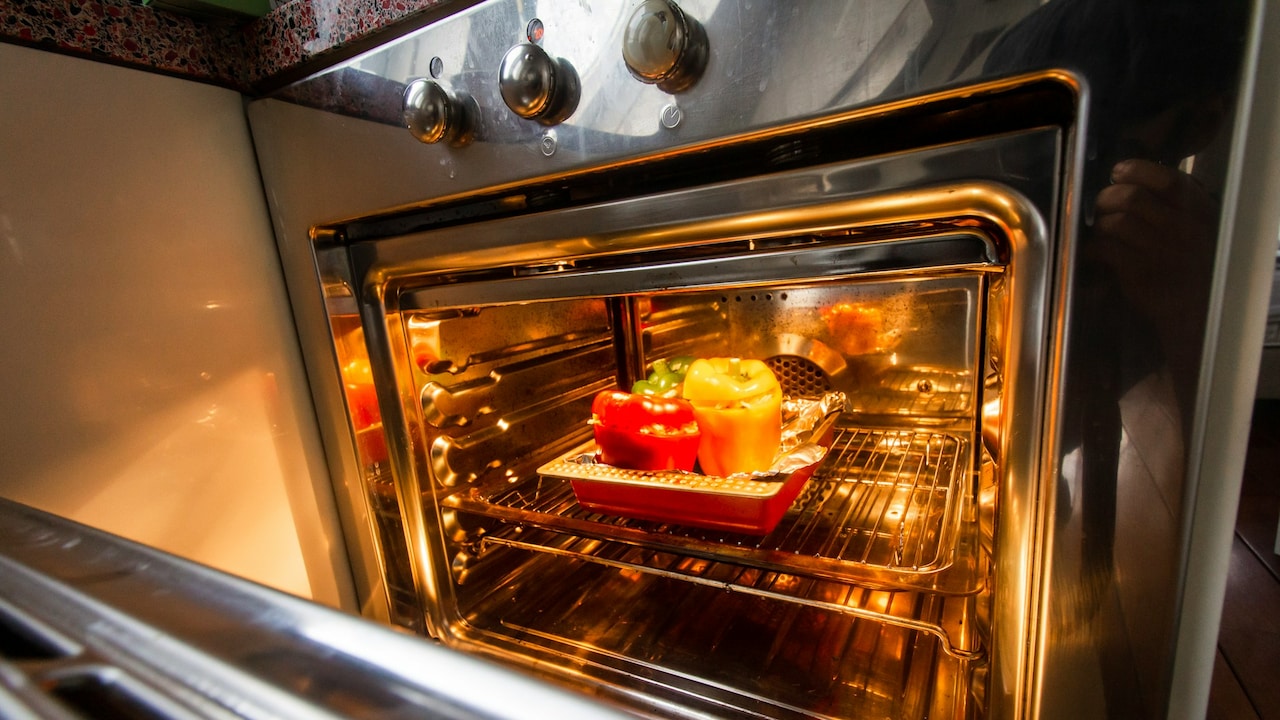
Less complex appliances are becoming essential as homes get smaller and routines busier.
Photo Credit: Pexels
Across the world, convenience and performance sit at the heart of consumer decision-making. Busy urban lifestyles mean appliances must work harder, faster, and more quietly, without demanding much effort from the user.
Space plays a major role in this shift. In densely populated urban regions, from Tokyo and Shanghai to Mumbai, compact homes push consumers to seek appliances that deliver maximum performance in minimal space. Equipment that folds, stacks, tucks away elegantly, or performs multiple tasks is increasingly preferred.
Consumers also remain strongly motivated by long-term savings. Energy-efficient motors, auto-dosing for detergents, water-saving wash cycles, and power-responsive modes offer real benefits, helping households reduce bills while feeling more environmentally responsible. At the same time, quiet operation has become essential in homes where children study, adults work, and families rest within the same few rooms. Machines that hum softly in the background are quickly replacing those that intrude on daily life.
3. Multifunctionality
One of the clearest trends of 2026 is the rising appeal of versatile appliances. As homes become more compact and budgets are more carefully planned, consumers want devices that can replace two or three conventional products at once.
Wet-and-dry vacuum cleaners, for example, are gaining fast traction, as they tackle liquid spills, dry dust, and routine cleaning in one go. This shift is not simply about saving money but reducing clutter and streamlining daily routines. As Nevin Francis, Senior Director of Global Strategic Insights at NIQ, puts it, multifunctional products are surging because they reduce the number of devices people need while giving manufacturers a strong incentive to introduce premium models.
When multifunctionality is executed well, it simplifies life, requiring fewer tools, fewer steps, and fewer decisions.
4. Practical Sustainability
Sustainability continues to influence purchase decisions, with nearly half of consumers saying environmental considerations matter to them. However, intentions shift at the moment of purchase. If performance, price, or availability fall short, sustainability alone doesn't seal the deal.
This means brands need to demonstrate practical, tangible environmental value, whether through best-in-class energy ratings, durable builds, or appliances designed to last longer and be repaired easily. Features such as usage dashboards that help people track their environmental footprint can also boost confidence, as they make sustainability measurable and visible.
5. Health, Hygiene, And Climate
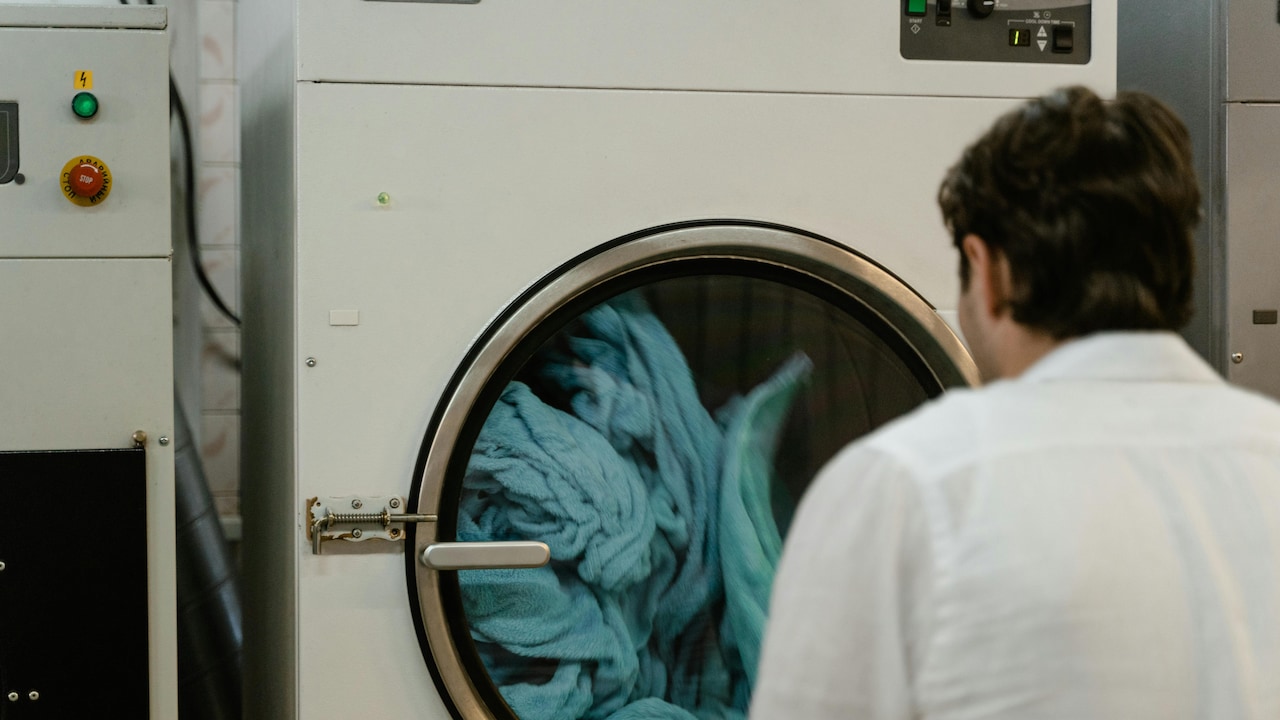
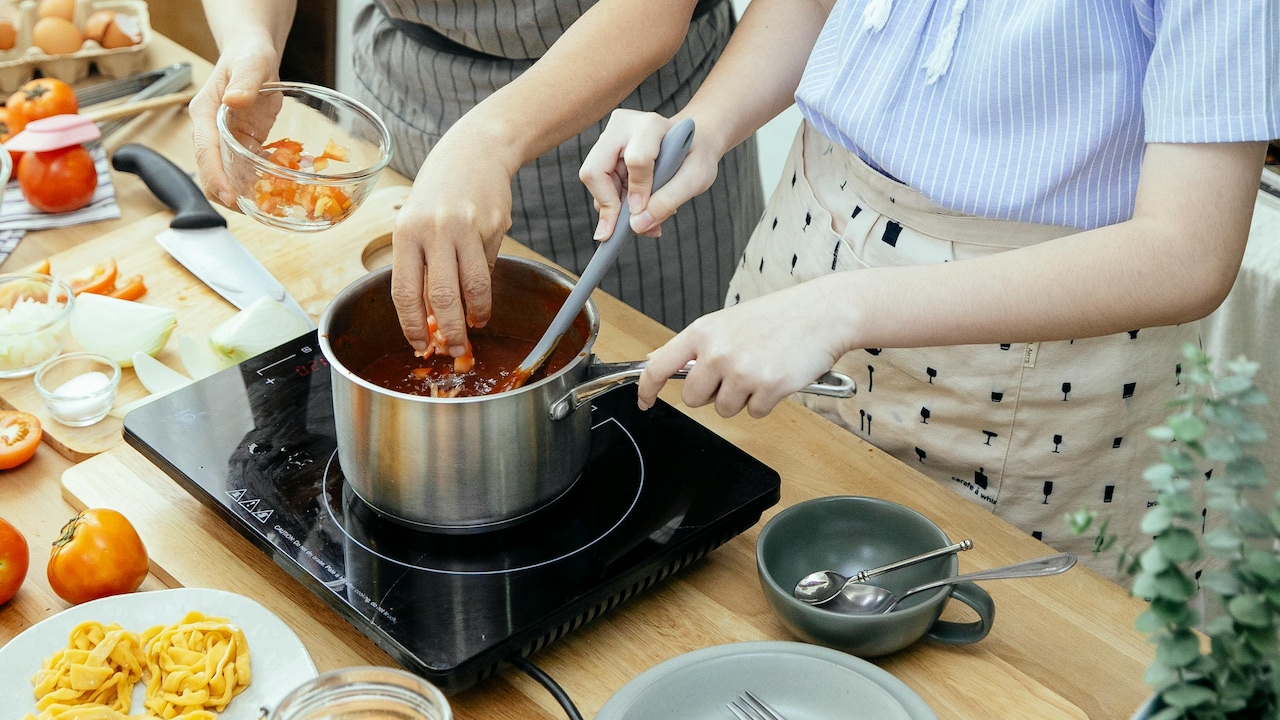
Health and hygiene features are no longer optional, they're expected
Photo Credit: Pexels
Perhaps the most emotionally driven trend shaping 2026 is the rising emphasis on health and hygiene. With cleaner air, safer water, and healthier cooking becoming household priorities, appliances are increasingly being viewed through a wellness lens.
Demand is rising for air purifiers, water purifiers, steam-enabled washing machines, healthier cooking gadgets like air fryers, and vacuum cleaners that offer deep filtration. According to NIQ's 2025 Global Health and Wellness findings, an overwhelming majority, 74%, prefer appliances with built‑in health or wellness features, while healthier cooking is a key motivation for nearly half of health-focused buyers.
Climate change also plays a role. With shifting weather patterns and higher temperatures, cooling solutions like air coolers, fans, and energy-efficient ACs are becoming staples rather than seasonal purchases.
What This Means For The Market In 2026?
The home appliance landscape in 2026 is shaped by a consumer who is practical, informed, and increasingly outcome‑driven. Instead of being swayed by traditional brand loyalty, people now prioritise what a product can genuinely offer in everyday life.
For major appliances, there is growing emphasis on energy efficiency, durability, compact footprints, and smart, AI‑enabled performance, particularly in fast-growing markets like those across Asia. Flexible ownership models, such as trade-in programmes, EMIs, and buy-now-pay-later options, are becoming essential in countries like India and across Southeast Asia, where consumers are aspirational but price-conscious.
Smaller appliances are witnessing rapid innovation too, especially those that contribute to healthier living: steam cleaning, better air and water purification, and solutions that help people cope with rising heat and changing indoor conditions. Retail strategies are also transforming, with success depending on a thoughtful mix of in-store experience, online discovery, social commerce, and ultra-fast delivery in markets where convenience is king.
Ultimately, consumers in 2026 are not buying appliances as objects; they are buying comfort, peace of mind, efficiency, and healthier living. They want products that blend into their homes, simplify their routines, and prove their value every day.
Top 10 Trending Home Appliances To Buy In 2026
1. LG 1.5 Ton 5 Star, Wi-Fi & Energy Manager+, DUAL Inverter Split AC
2. Whirlpool 235 L Frost Free Triple-Door Refrigerator
3. LG Smart Choice, AI Direct Drive Technology, Fully-Automatic Front Load Washing Machine
4. Dyson V11 Absolute Cordless Vacuum Cleaner
5. Beyond Appliances Altair 4 Burner Smart Glass Hobtop Gas Stove
6. Panasonic 27L Convection Microwave Oven
7. Ninja AF101 1550-Watt Programmable Base Air Fryer
8. BLUEAIR Air Purifiers
9. IFB 15 Place Freestanding Dishwasher
10. Native by Urban Company
Frequently Asked Questions (FAQs)
1. What are the biggest home appliance trends for 2026?
The key trends include AI-driven convenience, multifunctional designs, compact and minimalistic appliances, sustainability-focused features, and a strong emphasis on health and hygiene.
2. Why are consumers prioritising multifunctional appliances?
Multifunctional appliances save space, reduce clutter, and offer more value by performing several tasks with a single device, making them ideal for modern compact homes.
3. How important is sustainability in home appliance purchases?
Sustainability is increasingly important, but it must be supported by practical benefits such as energy savings, durability, and transparent usage metrics that help reduce environmental
impact.
4. Are consumers looking for more smart or AI-powered features?
Yes, when these features simplify routines, adjust automatically, or improve efficiency. Consumers prefer AI that works quietly in the background rather than as a complicated add‑on.
5. What role do health and hygiene play in appliance choices today?
Health and hygiene have become key motivations, driving demand for appliances that offer deeper cleaning, better filtration, healthier cooking, and improved indoor air quality.
Source: Home Appliance Outlook Report (Read Here)
(Disclaimer: This article may include references to or features of products and services made available through affiliate marketing campaigns. NDTV Convergence Limited (“NDTV”) strives to maintain editorial independence while participating in such campaigns. NDTV does not assume responsibility for the performance or claims of any featured products or services.)