Vacuum Cleaner Buying Guide: Suction Power, Filters, Attachments And Dust Capacity Explained
Understand suction power, filters, attachments and dust capacity before buying a vacuum cleaner. This practical guide helps you choose a model that suits your floors, cleaning habits and budget.
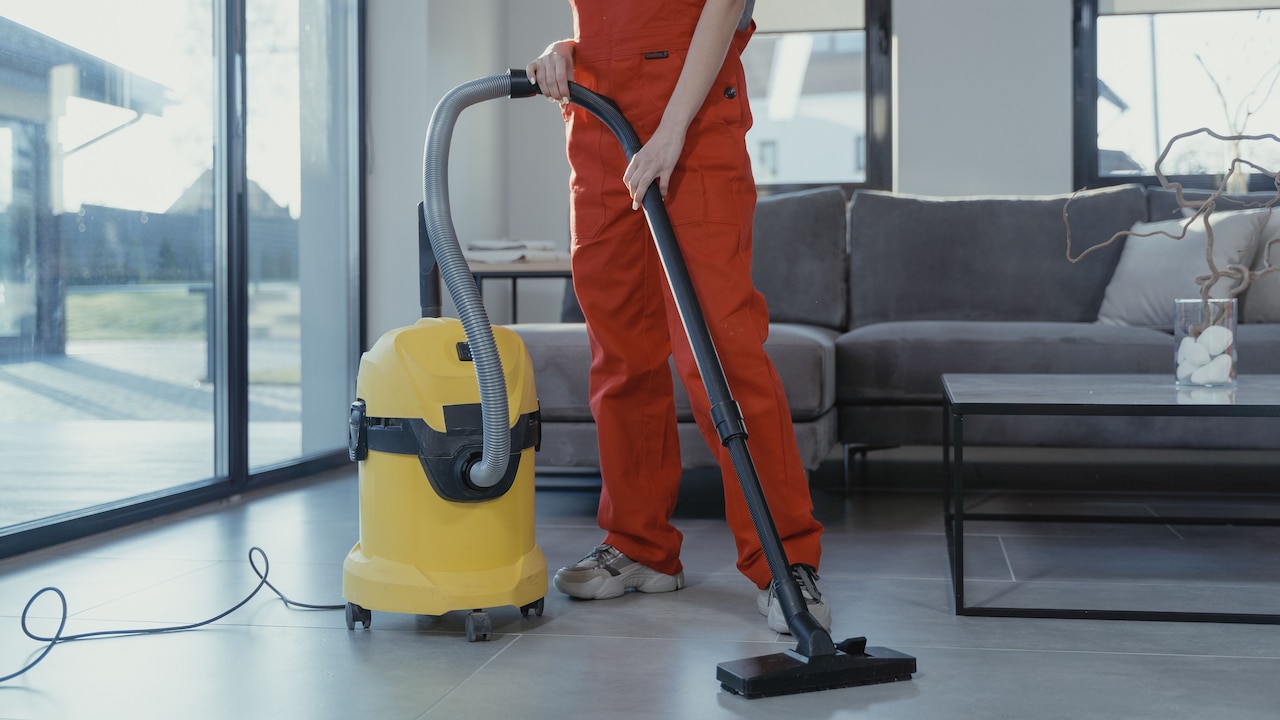
Expert tips to choose the right vacuum cleaner for your home
Dust has a remarkable talent for returning uninvited. Sweep the floor in the morning, and by evening, a fresh layer seems to have settled near the balcony door. Add biscuit crumbs, strands of hair, fabric fibres and the mysterious debris found under a sofa, and regular cleaning quickly becomes a demanding routine. A good vacuum cleaner can make that routine faster and far less tiring. However, choosing one is not as simple as picking the model with the biggest motor or the most dramatic advertisement. Homes differ. A compact flat with tiled flooring has different needs from a large house filled with rugs, curtains and upholstered furniture. Families with pets face another set of challenges altogether.
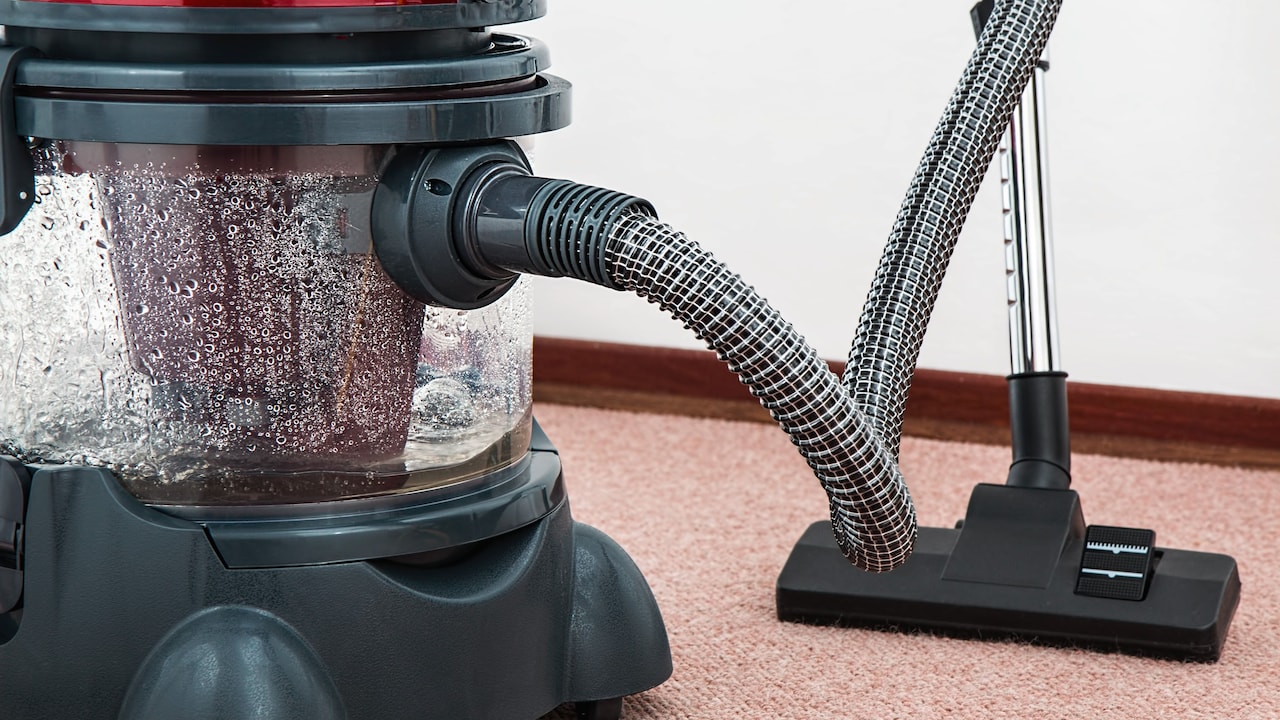
Vacuum cleaner buying guide for beginners; Photo Credit: Pexels
The most useful vacuum cleaner is one that matches the surfaces, cleaning frequency and storage space of the home. Suction power matters, but so do filtration, noise, attachments, dust capacity and maintenance costs. Understanding these features before buying can prevent disappointment later. The following ten points explain what truly deserves attention.
Also Read: Smart Ways To Clean Your Space: Best Wet And Dry Vacuum Cleaners Under ₹5000
Key Factors To Consider Before Buying A Vacuum Cleaner
1. Understand The Different Types Of Vacuum Cleaners
The first decision involves choosing the right type of vacuum cleaner. Canister models remain popular because they offer strong suction and work well across floors, sofas and curtains. They usually include a wheeled body connected to a hose, making them flexible but slightly bulky to store.
Upright vacuum cleaners combine the motor, brush and dust container in one unit. They suit large carpeted areas, though moving them around furniture or carrying them upstairs can feel awkward. Stick vacuums are slimmer and lighter. Many run on batteries, making them convenient for quick daily cleaning, especially when unexpected guests announce that they are “just five minutes away”.
Handheld models tackle car seats, kitchen spills and sofa corners. They are useful companions but rarely powerful enough to clean an entire home. Robotic vacuum cleaners offer automated floor cleaning and can handle daily dust, although they may struggle with thresholds, clutter and deeply embedded dirt.
Wet-and-dry models collect both dust and liquid spills. They suit garages, balconies and homes where cleaning jobs often go beyond ordinary floor dust. Choosing the category first helps narrow the search before comparing technical features.
2. Look Beyond Motor Wattage When Judging Suction
Motor wattage often appears prominently on product boxes, but it does not directly reveal how effectively a vacuum cleaner will pick up dirt. Wattage mainly indicates how much electrical power the motor consumes. A higher number may suggest a powerful motor, yet design, airflow and nozzle efficiency also influence cleaning performance.
Suction may be expressed in air watts, kilopascals or pascals. Air watts provide a more useful indication because they consider both airflow and suction. Kilopascals measure pressure strength. Unfortunately, brands do not always use the same measurement, so direct comparisons can become confusing.
Real-world performance matters more than a single impressive figure. A well-designed cleaner should lift fine dust from tiles, collect hair from rugs and remove crumbs from corners without requiring repeated passes. Reviews and demonstrations can reveal whether suction drops when the dust container begins to fill.
Variable suction control adds value. Full power may work beautifully on hard flooring, while a lower setting can prevent curtains from clinging to the nozzle like frightened ghosts. Strong suction is important, but controlled, consistent suction usually delivers a better cleaning experience.
3. Match The Cleaner To Your Flooring
Flooring plays a major role in determining which vacuum cleaner will perform well. Smooth surfaces such as marble, granite, vitrified tiles and wooden floors usually need strong airflow and a soft floor head. A harsh rotating brush may scatter debris or leave marks on delicate wood.
Carpets and rugs require more agitation. A motorised brush roll loosens dust, hair and fibres trapped between carpet strands. Without this movement, a vacuum may remove surface crumbs while leaving deeper dirt behind. Homes with both tiles and rugs benefit from a cleaner that allows the brush roll to be switched on or off.
Thick rugs can create another problem. Excessive suction may cause the nozzle to stick, making each cleaning pass feel like a gym workout. Adjustable suction or a height-adjustable floor head solves this issue.
Floor transitions also deserve attention. A bulky head may struggle around furniture legs or raised thresholds. Swivel steering and a low-profile nozzle make it easier to reach beneath beds, tables and cabinets.
Before buying, consider where most dust actually gathers. The best machine is not the one built for every possible surface, but the one designed for the surfaces cleaned most often.
4. Choose The Right Filter For Cleaner Air
A vacuum cleaner does more than collect visible dirt. It also pulls in fine dust, pollen, fabric fibres and other tiny particles. Without effective filtration, some of these particles can escape through the exhaust and return to the room.
HEPA filters receive plenty of attention, and for good reason. A genuine HEPA filter can trap very small airborne particles more effectively than a basic foam or cloth filter. This can be particularly useful in homes where family members experience allergies, asthma or sensitivity to dust.
However, filtration depends on the whole system, not merely the filter label. A sealed vacuum cleaner forces incoming air through the filter before releasing it. Poorly sealed models may allow dusty air to leak through gaps around the container or casing.
Washable filters reduce replacement expenses, but they need careful maintenance. A damp filter placed back into the machine can develop odours or even damage the motor. It must dry completely before reuse.
Replacement availability also matters. An advanced filter offers little comfort if a new one cannot be found six months later. Check the price and availability of filters before purchasing, especially for imported or less familiar models.
5. Decide Between Bagged And Bagless Models
Bagged and bagless vacuum cleaners manage collected dust differently, and each system has its own advantages. Bagged models store debris inside a disposable bag. When full, the bag can be removed and discarded with minimal contact with the dust.
This makes bagged cleaners appealing for people with allergies or anyone who dislikes the small dust cloud that often appears while emptying a container. Bags can also hold a considerable amount of dirt. The drawback is the recurring cost, along with the inconvenience of finding compatible replacements.
Bagless models collect debris in a reusable bin. They remove the need to buy bags and make it easy to see when the container needs emptying. Many households prefer this convenience, particularly for frequent cleaning. However, emptying the bin can release fine dust, especially when it is shaken over a small kitchen dustbin.
The design of the release mechanism deserves attention. A bottom-opening container allows dirt to drop out more neatly than a bin that must be pulled apart by hand.
Neither option is automatically superior. Bagged models favour cleaner disposal, while bagless machines offer lower recurring costs and greater convenience.
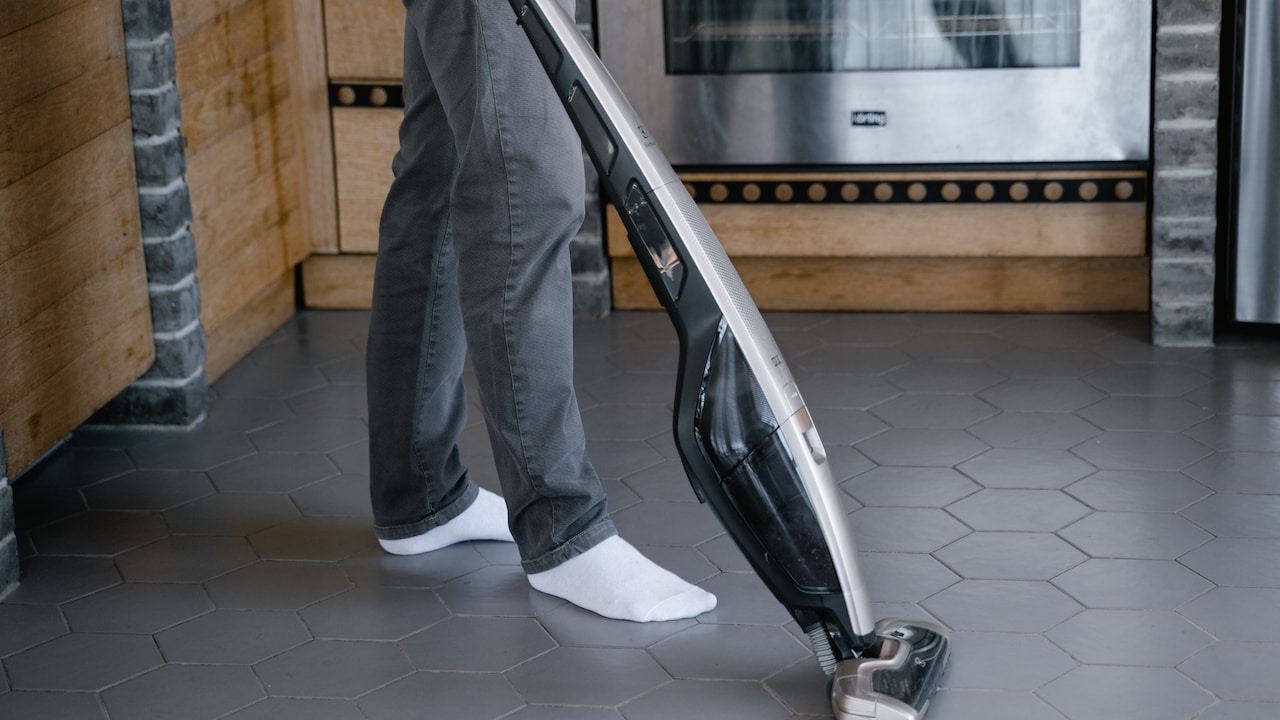
Consider both bagless and bagged options before buying any one; Photo Credit: Pexels
6. Pick A Practical Dust Capacity
Dust capacity determines how often the vacuum cleaner needs to be emptied. A small container may look sleek, but frequent trips to the bin can become annoying, particularly in a large home or during a thorough weekend cleaning session.
Compact cordless models often have dust bins below one litre. This may be sufficient for quick daily cleaning in a small flat, but it can fill rapidly when collecting hair, crumbs and dust from several rooms. Full-sized canister models usually offer larger capacities and suit longer cleaning sessions.
A bigger bin is not always better. Large-capacity cleaners tend to occupy more storage space and may become heavy when full. They can also tempt users to leave dust sitting inside for too long, which may lead to unpleasant smells.
Pet owners and families with children often benefit from a larger container because hair and food debris accumulate quickly. Homes cleaned every day may manage comfortably with a smaller capacity.
Pay attention to the maximum-fill line. Overfilling can reduce airflow, weaken suction and place unnecessary strain on the motor. The ideal capacity is one that supports a complete cleaning session without making the machine bulky or difficult to handle.
7. Choose Attachments You Will Actually Use
Vacuum cleaners often arrive with several accessories, but not every attachment earns its place in the cupboard. A useful set should match common cleaning tasks rather than simply increase the number printed on the box.
A crevice tool is one of the most practical accessories. Its narrow shape reaches between sofa cushions, beside skirting boards and into sliding-window tracks. A dusting brush works well on shelves, lampshades, keyboards and delicate surfaces. An upholstery tool removes crumbs, dust and hair from sofas, mattresses and car seats.
Homes with pets may benefit from a turbo brush or motorised pet-hair tool. Its rotating action helps lift stubborn hair from fabric and rugs. A flexible hose or extension wand makes it easier to clean ceiling corners, fans and curtain rods without balancing dangerously on a plastic stool.
Check how attachments connect and whether they can be stored on the machine. Loose tools have a mysterious habit of disappearing just when they are needed.
More accessories do not necessarily mean better value. Three well-designed tools used every week are far more useful than ten unusual nozzles that remain wrapped in plastic.
8. Consider Corded And Cordless Convenience
Corded vacuum cleaners deliver continuous power and usually maintain strong suction throughout the cleaning session. They suit deep cleaning, larger homes and jobs that take more than a few minutes. Their main inconvenience is the cord itself, which may need to be shifted between sockets and rescued from furniture legs.
Cord length matters. A longer cable reduces the need to unplug the cleaner when moving between rooms. An automatic rewind feature also prevents the familiar struggle of wrapping a stubborn cord around the machine.
Cordless models offer freedom of movement. They are easy to carry, quick to start and ideal for everyday dust, kitchen crumbs and sudden messes. Yet battery claims deserve careful attention. A machine advertised with a 45-minute runtime may achieve that only on its lowest setting. Maximum suction can reduce the operating time considerably.
Charging time and battery replacement costs also influence long-term value. A removable battery is useful because it can be replaced when performance declines. Some models support a second battery for longer sessions.
Corded machines favour power and endurance. Cordless machines favour speed and convenience. The better choice depends on whether cleaning happens in long weekly sessions or short daily bursts.
9. Check Noise, Weight And Ease Of Handling
A vacuum cleaner may clean brilliantly and still become unpopular if it sounds like road construction inside the living room. Noise levels are usually measured in decibels. Lower figures generally mean quieter operation, though the tone of the motor also affects how intrusive it feels.
Quiet operation matters in homes with babies, older family members, nervous pets or neighbours separated by thin walls. A less noisy machine also makes it easier to hear the doorbell, phone or pressure cooker whistle.
Weight deserves equal attention. A heavy canister may roll smoothly on the floor but prove difficult to carry between levels. Cordless stick models feel light at first, although a motor placed near the handle can strain the wrist during longer use.
Test the handle shape, wheel movement and swivel action where possible. A flexible hose should turn without twisting, and the floor head should move around chair legs without constant lifting. Controls placed on the handle add convenience, especially when changing suction levels.
Storage also affects everyday usability. A machine that fits neatly into a cupboard is more likely to be used regularly. Convenience may sound less exciting than raw power, but it often decides whether cleaning feels manageable or exhausting.
10. Compare Maintenance Costs And Warranty Support
The purchase price tells only part of the story. Filters, dust bags, batteries, brush rolls and replacement hoses can add to the total cost over several years. Before buying, check how often these parts need replacement and whether they are easily available.
A vacuum cleaner priced at ₹6,000 may seem economical, but expensive filters or hard-to-find bags can quickly reduce that advantage. Similarly, a cordless model may work perfectly for a few years before needing a battery that costs a significant portion of the original price.
Maintenance should be simple. Hair often wraps around rotating brushes, while fine dust can block filters and reduce airflow. Models with removable brush rolls and washable components are easier to keep in good condition. Clear instructions also help prevent accidental damage.
Warranty length matters, but service quality matters more. Check whether the brand provides support in your city and whether technicians offer home visits or require the machine to be carried to a service centre.
A reliable vacuum cleaner should remain repairable after the excitement of the first few months fades. Good after-sales support often proves more valuable than an extra attachment or a glossy digital display.
Products Related To This Article
1. KARCHER Wd 3 V Wet & Dry Vacuum Cleaner
2. AGARO Regal Plus Upright Vacuum Cleaner
3. Philips PowerPro FC9352/01-Compact Bagless Vacuum Cleaner for Home
4. Eureka Forbes Quick Clean DX Vacuum Cleaner with 1200 Watts Powerful Suction Control
5. INALSA Wet and Dry Vacuum Cleaner for Home
6. SEZNIK Vacuum Cleaner for House
7. Tusa Cordless Vacuum Cleaner for Car & Home
The right vacuum cleaner is not necessarily the most powerful, expensive or feature-packed model. It is the one that suits the home, the flooring and the people using it. Strong, consistent suction makes cleaning effective, while proper filtration keeps fine dust from returning to the room. Practical attachments help tackle furniture, corners and fabrics, and a suitable dust capacity prevents constant emptying.
Comfort matters too. Weight, noise, cord length, battery life and storage can shape the entire experience. A machine that feels awkward will eventually remain untouched while the old broom returns to duty.
Before making a purchase, consider daily cleaning habits rather than idealised ones. Think about the size of the home, the presence of rugs or pets, and how often deep cleaning takes place. Compare maintenance expenses alongside the upfront price, and pay attention to service support.
A thoughtful choice can turn vacuuming from a tiring household chore into a quicker, cleaner routine. Dust may always find its way back, but with the right machine, it no longer gets the final word.
(Disclaimer: This article may include references to or features of products and services made available through affiliate marketing campaigns. NDTV Convergence Limited (“NDTV”) strives to maintain editorial independence while participating in such campaigns. NDTV does not assume responsibility for the performance or claims of any featured products or services.)