Washing Machine Size Guide: What Capacity Does A Family Of 4 Need?
A family of four usually needs a 78 kg washing machine. This guide explains the best capacity for daily loads, bedsheets, towels, and seasonal laundry without overspending. Here's how you can find the right washing machine for a family of 4.

What Capacity Washing Machine Does a Family of 4 Need? Here Is A Complete Size Guide For You.
Choosing a washing machine is a bit like choosing a pressure cooker. Everyone thinks it's just about size, until you realise your entire routine depends on it. A family of four doesn't wash the same way every day. Some weeks are calm and predictable. Other weeks include a muddy football uniform, a surprise guest, a school costume emergency, and a towel pile that somehow multiplies overnight.
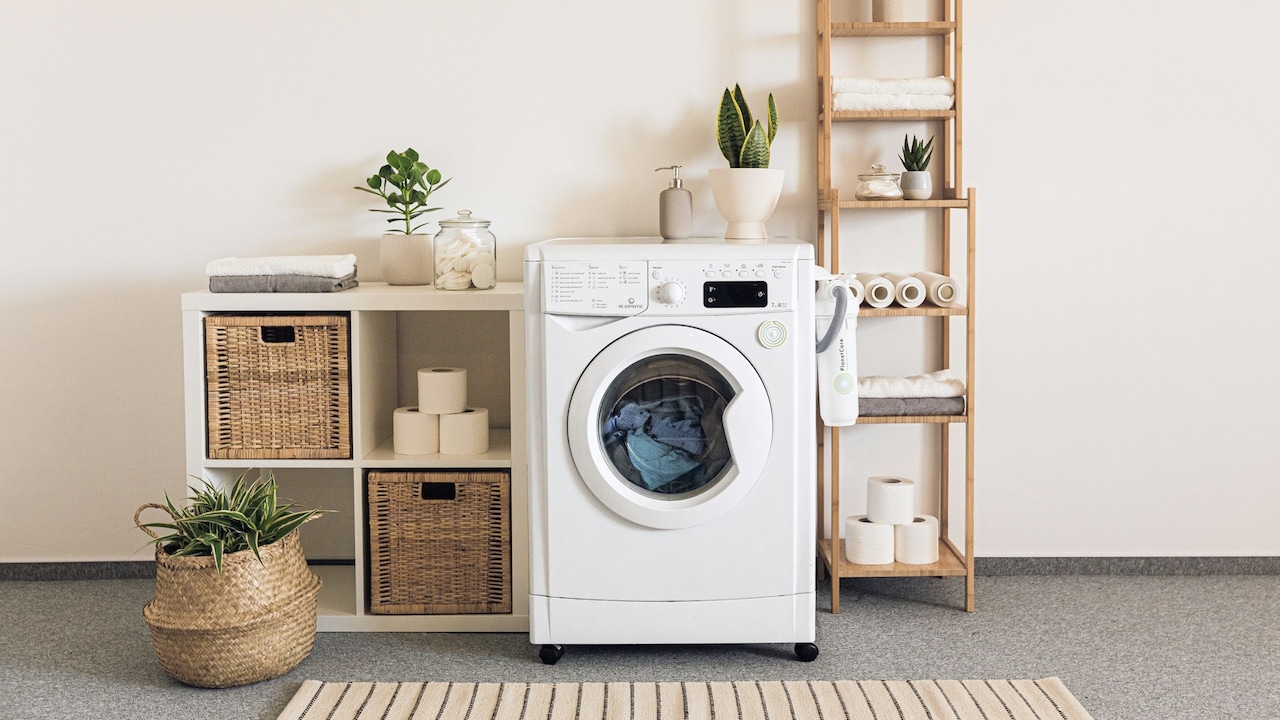
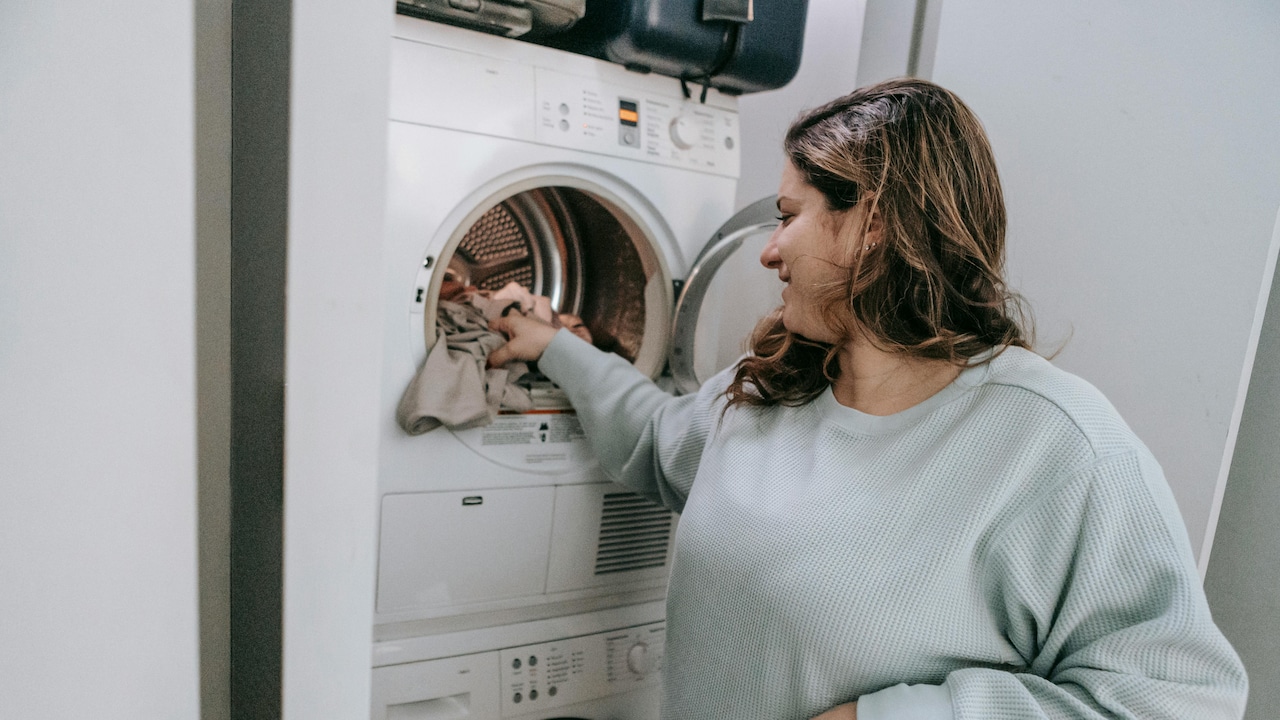
Expert tips to know before choosing washing machine for a family of four; Photo Credit: Unsplash
The most common mistake people make is assuming capacity works like a suitcase. If it says 7 kg, then surely you can throw in 7 kg of clothes and walk away. In real life, washing machines need space for water flow, tumbling, and proper rinsing. Overloading turns your “efficient” wash into a damp, detergent-scented disappointment.
The good news: picking the right capacity is not complicated once you understand how your home actually uses laundry. This guide covers what capacity a family of four truly needs, how to match it to your lifestyle, and how to avoid buying a machine that either struggles daily or sits underused like an expensive trophy.
Also Read: Best Budget Washing Machines Under ₹7,000, From Onida To Midea, for Powerful Cleaning
A Simple 10-Point Guide to Choosing the Right Washing Machine Size
1) What washing machine capacity actually means (and why it confuses everyone)
Capacity is measured in kilograms, but it doesn't mean the weight of your entire laundry basket. It refers to the dry weight of clothes the machine can handle in one cycle under ideal conditions. That “ideal” part is where things get messy. A load of cotton T-shirts behaves differently from jeans, towels, or bedsheets. Towels soak up water like they've trained for it. Jeans act like stubborn bricks. Bedsheets twist into dramatic knots and demand more space than their weight suggests.
This is why two households can own the same 7 kg machine and have completely different experiences. One family washes light everyday clothing and feels satisfied. Another tries to wash a double bedsheet with two towels and wonders why the machine shakes like it's trying to escape the balcony.
Capacity is not only about fitting items in. It's about giving them room to move. Clothes need tumbling space to get properly cleaned, rinsed, and spun. If the drum is packed, detergent gets trapped, lint sticks, and drying time increases. That's how a “big” machine still produces clothes that smell like damp regret.
Understanding capacity as “comfortable space” rather than “maximum limit” makes every decision easier from here.
2) The realistic sweet spot for a family of four
For most families of four, the practical sweet spot is 7 kg to 8 kg. This range usually handles everyday laundry without forcing you into daily washing. It also has enough breathing room for occasional heavy loads, like bedsheets or towels, without turning every wash into a juggling act.
A 6 kg machine can work for a family of four only if laundry happens very frequently and the clothing is mostly light. Think mostly office wear, school uniforms, and home clothes, washed almost daily. But many households don't operate with that level of discipline. Some days are simply too busy, and laundry gets pushed to “tomorrow”. Then tomorrow becomes three days, and suddenly the basket looks like a fabric version of Mount Everest.
On the other hand, going too large, like 10 kg, sounds tempting, but it's not always the best fit. Bigger machines take up more space, cost more upfront, and can use more water and power depending on the model. If you're rarely washing bulky items, the extra capacity becomes something you paid for but don't actually use.
So if the goal is balance, daily comfort, weekly flexibility, and fewer “why didn't we buy a bigger one?” moments, 7 kg to 8 kg is usually the most sensible range.
3) How your laundry habits change the ideal capacity
Two families can have the same number of people and still need different capacities. The difference lies in how laundry happens in your home. Some homes wash every day, almost like brushing teeth. Others treat laundry like a weekend sport, best played in long, sweaty sessions with dramatic sighing.
If washing happens frequently, a 7 kg machine can feel generous. You can do smaller loads, keep clothes fresh, and avoid the dreaded “Sunday mega-wash”. This also helps clothes last longer because they aren't crammed together and stressed during spinning.
If washing happens two or three times a week, 8 kg becomes more comfortable. You'll likely have mixed loads, school clothes, office wear, towels, and home clothes. A slightly bigger drum handles these without forcing you to split loads too often.
If your home does laundry once a week (and yes, some brave souls do), then even 8 kg can feel tight. Not because it can't wash the clothes, but because you'll spend half the day sorting, splitting, and waiting for cycles to finish. That's when 9 kg starts making more sense.
So capacity isn't just about family size. It's about the rhythm of your week. A washing machine should match your lifestyle, not force you to redesign it.
4) Clothes, towels, and bedsheets: the real capacity killers
Every household has a few laundry items that behave like villains. There aren't many, but they demand the most space and attention. Towels are the first troublemakers. They look harmless when dry, but once they absorb water, they become heavy and thick. Washing too many towels at once often leads to poor rinsing and a spin cycle that feels like a small earthquake.
Bedsheets are the next challenge. They don't weigh much, but they need room. A double bedsheet, especially one made of thicker cotton, can take up half the drum simply because it spreads out and wraps around everything else. Add two pillow covers and a couple of towels, and suddenly your machine is fighting for its life.
Then there are jeans, hoodies, and winterwear. Even in warmer cities, winter clothing shows up in hill trips, school events, or the one month when everyone suddenly remembers sweaters exist. These items are bulky and need space to tumble properly.
This is why families of four often feel limited with 6 kg machines. It's not the daily shirts. It's the weekly towel load and the bedsheet day. If your home regularly washes bedsheets and towels, 8 kg gives you far fewer headaches.
5) The monsoon factor: why capacity matters more in humid months
Capacity becomes a bigger deal during the monsoon. Not because you magically have more clothes, but because drying becomes slower and laundry piles up faster. In humid weather, clothes take longer to dry, and that changes your washing behaviour. You might delay washing because there's no space to hang clothes. Or you might wash smaller loads more often because you need them to dry properly.
This is where a slightly larger capacity helps. An 8 kg machine lets you finish washing in fewer cycles when the weather gives you a small dry window. You can wash a full load and take advantage of whatever drying time you get.
Monsoon also increases the number of “unexpected” washes. A child steps into a puddle and comes home looking like they auditioned for a mud wrestling show. A scooter ride ends with water splashes on trousers. Towels get used more often. Bedsheets feel damp and need more frequent washing.
A machine that's too small forces you into more cycles at a time when you already feel like you're managing a small weather crisis. A machine that's too big isn't necessary, but a comfortable 7.5 kg or 8 kg can feel like a genuine relief.
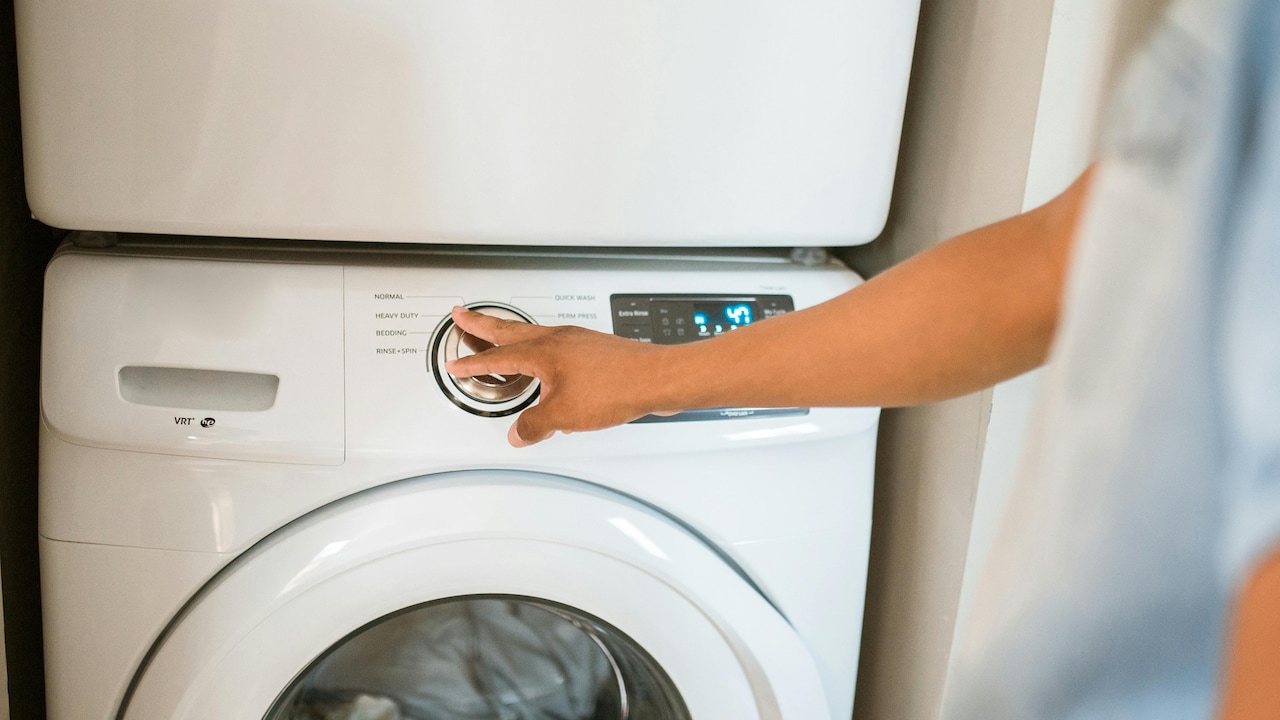
an 8 kg machine can come in handy during monsoon, so you can complete big loads of laundry; Photo Credit: Pexels
6) Space and placement: capacity should fit your home, not just your family
It's easy to focus only on capacity and forget the reality of where the machine will live. In many homes, the washing machine sits in a tight corner of the bathroom, kitchen, or balcony. A bigger capacity often means a larger body, especially for top-load models. Even front-load machines need space for the door swing and ventilation.
This matters because a cramped placement affects usability. If the lid hits a shelf, top-load becomes annoying. If the front-load door cannot open fully, loading and unloading become a daily irritation. And if the machine is squeezed too tightly, it may vibrate more and feel noisier.
A family of four might “need” 8 kg, but if the space only comfortably supports a 7 kg model, that trade-off can still be smart. A well-placed machine that you can use easily every day is better than a bigger one that becomes inconvenient.
Also, check if the floor is level and sturdy. Larger capacity machines spin harder and can cause more vibration. If your machine is going on a balcony with uneven tiles, a slightly smaller model might actually behave better.
Capacity is important, but comfort of use matters too. The right choice fits both your laundry basket and your home layout.
7) Top load vs front load: the capacity feels different in each
Capacity numbers don't always feel the same across types. A 7 kg top-load machine and a 7 kg front-load machine can deliver very different experiences. Front-load machines tend to be more efficient with water and cleaning performance. They tumble clothes, which helps with stain removal and gentler washing. They also handle mixed loads better.
Top-load machines, especially those with traditional agitators, can feel slightly less forgiving when overloaded. They may struggle more with bulky items because clothes don't tumble the same way. However, they are convenient for quick loading, and many households prefer them for ease and faster cycles.
For a family of four, if you're choosing a top-load model, 8 kg often feels like the safer capacity. It gives you more flexibility for towels and bedsheets. If you're choosing a front-load model, 7 kg can still work well for many homes because the washing action is more effective, and space inside the drum is used differently.
So if you're stuck between 7 kg and 8 kg, the type of machine can break the tie. Front-load: 7 kg often works. Top-load: 8 kg tends to feel more comfortable.
8) The hidden cost of going too small (and why it feels exhausting)
A smaller machine looks attractive in the shop. It costs less, fits easily, and the salesperson assures you it's “enough”. For a family of four, though, a too-small capacity quietly steals time and energy. You end up doing more loads, more often. That means more water, more electricity, more detergent, and more mental effort.
It also creates a constant sense of being behind. You wash clothes, but the basket never empties. You finish one load and immediately start another. On busy weeks, laundry becomes an endless background task, like a phone that never stops buzzing.
There's also the issue of wear and tear. Overloading a smaller machine becomes tempting when the basket is full. That puts stress on the motor, increases vibration, and can shorten the machine's life. It also reduces cleaning quality, so clothes may look dull or feel stiff.
In monetary terms, the difference between a 7 kg and an 8 kg model may be around ₹2,000 to ₹6,000, depending on brand and features. But the long-term cost of extra cycles and frustration can be higher than that.
A washing machine should make life easier. Too small, and it becomes a daily negotiation.
9) When a family of four should consider 9 kg or more
While 7 kg to 8 kg suits most families of four, there are situations where 9 kg makes genuine sense. The biggest factor is how much bulky laundry your home produces. If you regularly wash thick bedsheets, large towels, curtains, or heavy clothing, 9 kg gives you breathing room.
Another factor is the age group at home. If you have younger kids, laundry volume tends to increase. Clothes change more often. Spills happen. School activities involve paint, mud, or unexpected costume days. The laundry basket fills faster than logic allows.
Also consider whether your household includes frequent guests or extended family visits. When relatives stay over, towels and bedsheets multiply overnight. You can either run extra cycles or use a bigger machine to handle it smoothly.
A 9 kg machine is also helpful if you prefer washing fewer times per week. If your schedule is packed, fewer wash days can feel like freedom. The machine can take on bigger loads, and you spend less time managing laundry.
That said, 10 kg and above is usually better for larger families, heavy-duty washing needs, or very frequent bulky loads. Bigger isn't always better. Bigger should be justified.
10) A simple way to choose: match capacity to your “worst laundry day”
The smartest way to choose a washing machine capacity is not by thinking about your best days. It's by thinking about your worst laundry day. That day when the basket is overflowing, towels are piled up, bedsheets need washing, and someone announces they need a clean uniform in two hours.
If your machine can handle that day without drama, it will handle every other day with ease.
For most families of four, that “worst day” includes a mixed load of everyday clothes plus either towels or bedsheets. A 7 kg machine can do it if you split loads carefully. An 8 kg machine does it more comfortably, with fewer compromises. A 9 kg machine does it with a relaxed attitude, especially if your home often washes bulky items.
Also, think about your future. Kids grow, clothing sizes increase, and laundry gets heavier. The machine you buy now should still feel right three years later. It's not just a purchase. It's a daily tool.
So choose capacity like you choose shoes: it should fit well, feel comfortable, and support your daily life without making you think too hard.
Products Related To This Article
1. Samsung 7 kg, 5 Star, Eco Bubble Technology
2. Haier 8 kg 5 Star Powered by AI-DBT with PuriSteam
3. LG Smart Choice, 9 Kg, 5 Star, AI Direct Drive Technology
4. IFB 8 Kg 5 Star, DeepClean® Technology, AI Powered
5. Bosch 9kg 5 Star Anti Stain & AI Active Water+ Fully Automatic Front Load Washing Machine
For a family of four, the ideal washing machine capacity is usually 7 kg to 8 kg, with 8 kg being the safest all-round choice for most homes. It handles everyday laundry comfortably, manages towels and bedsheets without constant splitting, and saves you from the exhausting loop of back-to-back cycles.
If your laundry routine is frequent and light, 7 kg can still work well, especially in a front-load model. If your home often deals with bulky loads, younger children, or weekly wash marathons, 9 kg may be worth considering.
The best washing machine isn't the biggest one in the showroom. It's the one that fits your home, your schedule, and your laundry reality. And if it can survive bedsheet day without shaking the entire building, that's not just a feature. That's peace of mind.
(Disclaimer: This article may include references to or features of products and services made available through affiliate marketing campaigns. NDTV Convergence Limited (“NDTV”) strives to maintain editorial independence while participating in such campaigns. NDTV does not assume responsibility for the performance or claims of any featured products or services.)