Dust Making You Sick? How Can HEPA Air Purifiers Improve Indoor Air Quality?
Dust carries allergens and pollutants that harm indoor air quality. Discover how HEPA air purifiers trap these particles, reduce allergies and help create a cleaner, healthier living space.
Struggling With Dust? How HEPA Air Purifiers Clean Your Indoor Air
Dust has a peculiar way of settling into life. It gathers on bookshelves, floats lazily in sunlight, and somehow reappears just hours after cleaning. While it may seem like a minor nuisance, dust carries far more than just dirt. Tiny particles of pollen, pet dander, fabric fibres, and even microscopic pollutants travel through indoor air, often unnoticed.
Modern lifestyles mean more time spent indoors, working, relaxing, and even exercising. Yet indoor air can sometimes be more polluted than outdoor air, especially in bustling urban areas where construction, traffic, and seasonal changes constantly stir up fine particles. A persistent cough, itchy eyes, or unexplained fatigue might not always come from outside; sometimes, the problem lies within the walls of the home.
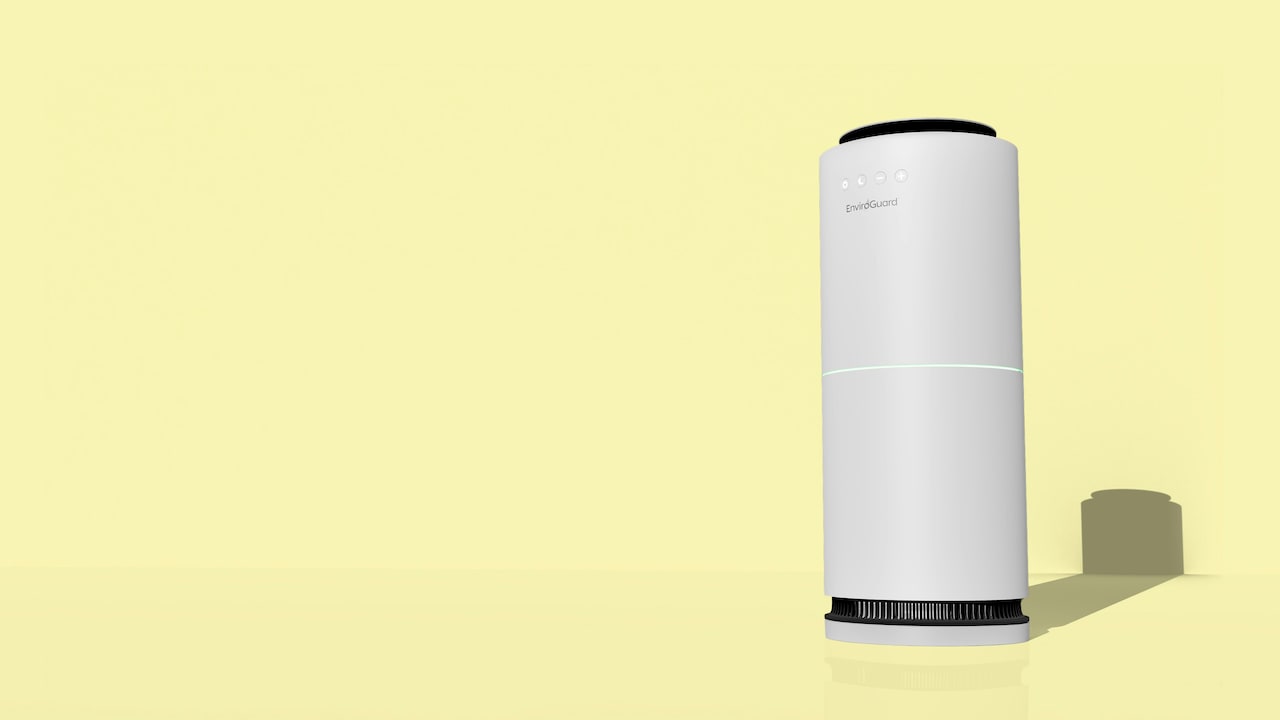
This is where HEPA air purifiers step in. Quiet, efficient, and increasingly common, these devices promise cleaner air and improved well-being. But how exactly do they help? And are they truly worth the investment? Let's explore.
Dust Making You Sick? How Can HEPA Air Purifiers Improve Indoor Air Quality?
Photo Credit: Pexels
The Real Impact Of HEPA Air Purifiers On Your Home Environment
The Hidden Problem With Household Dust
Dust rarely announces itself as a threat. It looks harmless, almost mundane, yet its composition tells a different story. Household dust often contains a mix of dead skin cells, pollen, bacteria, mould spores, and even traces of outdoor pollution carried in on shoes or through open windows. Each speck acts like a tiny vehicle transporting irritants directly into the lungs.
In homes located near busy roads or construction zones, dust can become even more complex. Fine particulate matter, often invisible to the eye, can linger in the air long after visible dust settles. Over time, breathing this air can trigger allergies, worsen asthma, and reduce overall comfort.
The challenge lies in its persistence. Even with regular sweeping and mopping, dust particles remain suspended in the air for hours. Ceiling fans, open windows, and daily movement only keep them circulating. It becomes a cycle where cleaning never quite feels complete.
Understanding this hidden complexity shifts the perspective. Dust is no longer just a cleaning issue; it becomes a health concern. And addressing it requires more than a quick wipe-down, it calls for smarter air management.
Why Indoor Air Quality Matters More Than Ever
Indoor air quality has quietly become one of the most important aspects of modern living. With increasing urbanisation and tighter living spaces, homes often trap pollutants instead of letting them disperse. What feels like a safe haven can sometimes hold layers of unseen irritants.
Long hours spent indoors mean prolonged exposure to these pollutants. A day filled with meetings, screen time, and indoor relaxation adds up to continuous breathing of the same recycled air. Over time, this can affect energy levels, sleep quality, and even concentration.
Seasonal changes add another layer to the problem. During certain months, windows remain shut to keep out heat or pollution, which reduces ventilation. Air conditioners, while essential for comfort, often recirculate indoor air rather than refreshing it.
Children and elderly family members tend to feel these effects more strongly. Frequent sneezing, dry throats, and mild respiratory discomfort become part of daily life, often brushed aside as minor inconveniences.
Improving indoor air quality is no longer a luxury; it is a necessity. Cleaner air contributes not just to physical health but also to mental clarity and overall well-being. It sets the stage for a healthier lifestyle within the comfort of the home.
Understanding HEPA Technology In Simple Terms
HEPA stands for High Efficiency Particulate Air, a term that may sound technical but describes a simple and powerful concept. A HEPA filter is designed to trap extremely small particles that ordinary filters often miss. These include dust, pollen, smoke particles, and even some bacteria.
The effectiveness of HEPA filters lies in their structure. They consist of a dense network of fibres that capture particles through multiple mechanisms. Some particles get trapped as they try to pass through, while others stick to the fibres due to natural forces. The result is air that emerges significantly cleaner than before.
Unlike basic filters, HEPA filters can capture particles as small as 0.3 microns with remarkable efficiency. To put that into perspective, many allergens and pollutants fall within or above this size range, making HEPA technology particularly useful for improving air quality.
What makes this technology appealing is its reliability. It does not rely on chemicals or complicated processes. Instead, it uses a straightforward mechanical system that consistently delivers cleaner air.
Understanding this simplicity makes it easier to appreciate why HEPA air purifiers have become a popular choice for households seeking a practical solution to indoor pollution.
How HEPA Air Purifiers Work: Daily Magic
A HEPA air purifier operates quietly in the background, yet its impact can be significant. The process begins with the device drawing in air from the surrounding environment. This air passes through a series of filters, with the HEPA filter acting as the main defence against fine particles.
As air flows through the filter, dust, allergens, and pollutants become trapped within the dense fibre network. Clean air then circulates back into the room, gradually improving overall air quality. This continuous cycle ensures that airborne particles are reduced over time.
The real charm lies in its consistency. Unlike occasional cleaning routines, a purifier works throughout the day and night. Whether someone is cooking, cleaning, or simply moving around, the device continues to capture particles that would otherwise remain suspended.
Noise levels are usually minimal, allowing it to blend seamlessly into daily life. Some models even adjust their speed based on air quality, making them both efficient and energy-conscious.
This steady, almost invisible operation creates a noticeable difference. Rooms begin to feel fresher, and the constant presence of floating dust gradually diminishes.
Dust Making You Sick? How Can HEPA Air Purifiers Improve Indoor Air Quality?
Photo Credit: Pexels
Relief For Allergies And Respiratory Issues
For those who wake up sneezing or struggle with itchy eyes, dust can feel like an unwelcome companion. Allergies often stem from prolonged exposure to airborne irritants, and reducing these triggers can make a meaningful difference.
HEPA air purifiers play a supportive role by removing common allergens from indoor air. Pollen, pet dander, and dust mites are among the particles effectively captured by the filter. Over time, this reduction can ease symptoms and create a more comfortable living environment.
Asthma sufferers may also notice improvements. Cleaner air means fewer irritants entering the respiratory system, which can help reduce flare-ups. While a purifier is not a replacement for medical treatment, it can complement existing care routines.
Even for those without diagnosed conditions, the benefits remain noticeable. Breathing cleaner air often leads to better sleep and reduced fatigue. There is a subtle but significant shift in how the body feels.
This improvement is not immediate magic but a gradual transformation. Day by day, the air becomes gentler, allowing the body to respond with greater ease and comfort.
A Quiet Upgrade For Urban Living Spaces
Urban homes often face unique challenges. Limited ventilation, nearby traffic, and constant activity contribute to indoor air pollution. Even high-rise apartments are not immune, as fine particles travel easily through the air.
A HEPA air purifier offers a quiet upgrade to such spaces. It does not require major changes or renovations. Instead, it fits seamlessly into existing setups, working quietly to improve air quality.
In compact apartments, where space is precious, modern purifiers come in sleek designs that do not disrupt aesthetics. They can sit comfortably in a corner, blending with furniture while performing their function.
The convenience factor adds to their appeal. With minimal maintenance and straightforward operation, they suit busy lifestyles. Once set up, they require little attention beyond occasional filter changes.
For those balancing work, family, and daily responsibilities, this simplicity matters. It provides a practical way to address air quality without adding complexity to life.
Energy Efficiency And Cost Considerations
When considering any appliance, cost and efficiency naturally come into focus. HEPA air purifiers vary widely in price, ranging from around ₹5,000 for basic models to ₹25,000 or more for advanced versions with smart features.
The initial investment may seem significant, but the long-term benefits often justify the expense. Improved air quality can reduce reliance on frequent cleaning and even minimise health-related costs associated with allergies.
Energy consumption is generally moderate. Many purifiers are designed to operate efficiently, with some models using less power than a standard ceiling fan. Features like auto mode and timers further help in managing energy usage.
Maintenance costs mainly involve replacing filters. Depending on usage and environmental conditions, filters may need changing every six months to a year. While this adds to the overall cost, it ensures consistent performance.
Balancing cost with benefits becomes easier when considering the daily impact. Cleaner air contributes to comfort, health, and peace of mind, factors that often outweigh the financial aspect.
Also Read: Why Air Purifiers Don't Always Work at Home: How to Fix It
Choosing The Right Air Purifier For Your Home
Selecting the right air purifier involves more than picking the first available option. Room size plays a crucial role, as each purifier is designed to handle a specific coverage area. Choosing a model suited to the room ensures optimal performance.
Filter quality is another important factor. Genuine HEPA filters offer reliable efficiency, while additional layers like activated carbon filters can help tackle odours and gases.
Noise levels matter, especially for bedrooms or study areas. A quieter model allows uninterrupted sleep and concentration. Checking specifications and user reviews can provide useful insights.
Placement also influences effectiveness. Positioning the purifier in areas with good airflow helps maximise its reach. Keeping doors and windows managed ensures the device works efficiently without constant interference from external pollutants.
Ultimately, the goal is to find a balance between functionality, comfort, and budget. A well-chosen purifier becomes a long-term companion in maintaining a healthier home environment.
Small Lifestyle Changes That Boost Results
While HEPA air purifiers are powerful tools, combining them with simple lifestyle changes enhances their effectiveness. Regular cleaning routines help reduce the overall dust load, allowing the purifier to work more efficiently.
Using doormats and removing footwear at the entrance can limit the amount of outdoor dust entering the home. Washing curtains and upholstery periodically also prevents dust buildup in fabrics.
Ventilation, when conditions allow, remains important. Opening windows during low pollution periods introduces fresh air and prevents stagnation. Pairing this with purifier use creates a balanced approach.
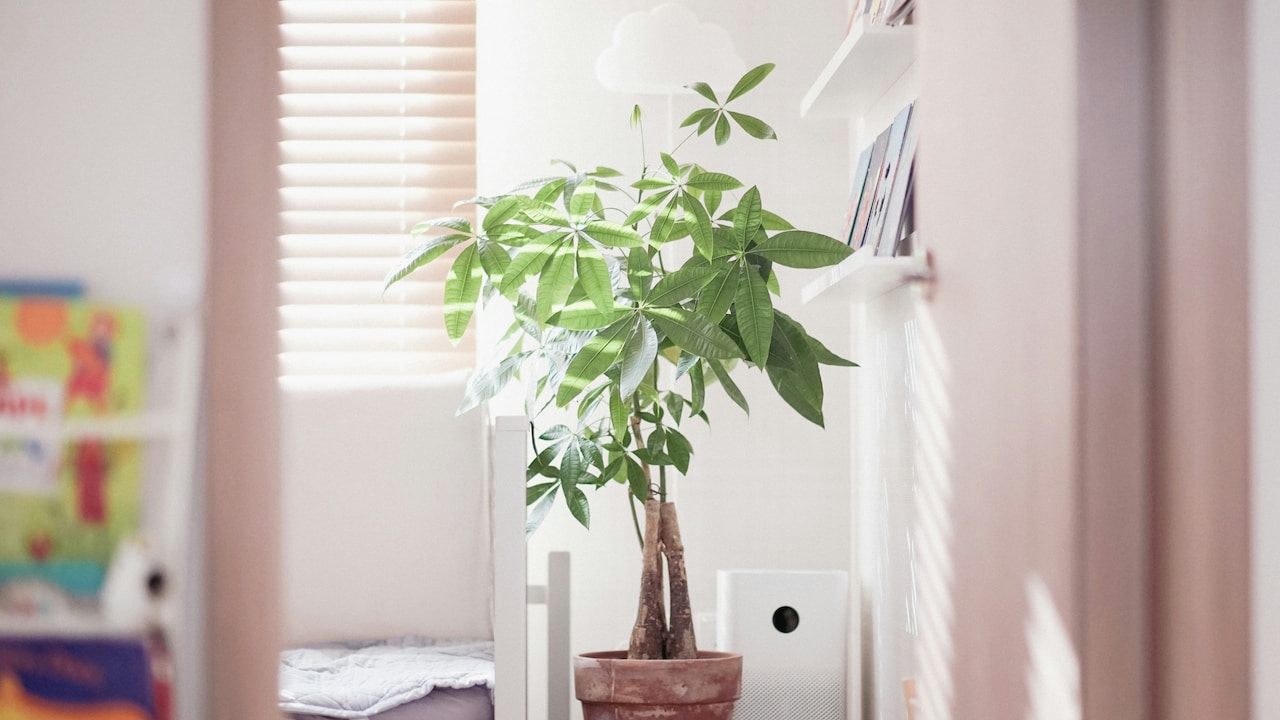
Indoor plants, though not a substitute for purifiers, can add a refreshing touch and contribute to a pleasant atmosphere. Keeping humidity levels in check also reduces the likelihood of mould growth.
These small habits, combined with consistent purifier use, create a comprehensive strategy. The result is a home environment that feels noticeably cleaner and more inviting.
Dust Making You Sick? How Can HEPA Air Purifiers Improve Indoor Air Quality?
Photo Credit: Pexels
Products Related To This Article
1. OTEK 330A Smart Air Purifier for Home & Office
2. Coway Airmega 150 (Ap-1019C) Air Purifier For Home
3. Honeywell Air Purifier for Home & Office, 3-in-1
4. LEVOIT Air Purifier for Home Allergies and Pets Hair Smokers in Bedroom
5. Qubo Smart Air Purifier Q600 for Home by Hero Group
Dust may seem like a minor inconvenience, yet its impact on health and comfort can be profound. From hidden allergens to persistent pollutants, indoor air often carries more than meets the eye.
HEPA air purifiers offer a practical and effective solution. By continuously filtering out harmful particles, they transform indoor spaces into healthier environments. The change is subtle yet meaningful, reflected in easier breathing, better sleep, and a general sense of well-being.
In a world where time indoors continues to increase, investing in air quality becomes a step towards a better lifestyle. Cleaner air is not just about comfort; it is about creating a space where health and relaxation coexist effortlessly.
Sometimes, the simplest changes, like improving the air we breathe, make the biggest difference. Shop now on Amazon
(Disclaimer: This article may include references to or features of products and services made available through affiliate marketing campaigns. NDTV Convergence Limited (“NDTV”) strives to maintain editorial independence while participating in such campaigns. NDTV does not assume responsibility for the performance or claims of any featured products or services.)