10 Reasons Rice Cookers Leave A Dry Layer At The Bottom And How To Prevent It
A dry, crusty layer at the bottom of your rice cooker doesn't always mean something went wrong. From water ratios to keep-warm time, here are 10 common reasons rice dries out underneath and simple ways to prevent it.

How to fix rice becoming dry at the bottom fo the rice cooker
You open the rice cooker expecting a pot of soft, fluffy rice. The top looks perfect. Then the serving spoon reaches the bottom and makes that unmistakable scraping sound. Underneath the good rice sits a dry, stubborn layer that seems determined to stay attached to the pot. Sometimes it turns lightly golden. Sometimes it becomes hard enough to resemble a rice cracker nobody ordered. A little drying at the base isn't unusual because the heating plate sits directly beneath the cooking pot. However, a thick crust appearing every single time usually points to something in the cooking process that needs adjusting. The problem may come from the amount of water, the rice variety, an ageing cooker or even what happens after the machine switches to its keep-warm setting.
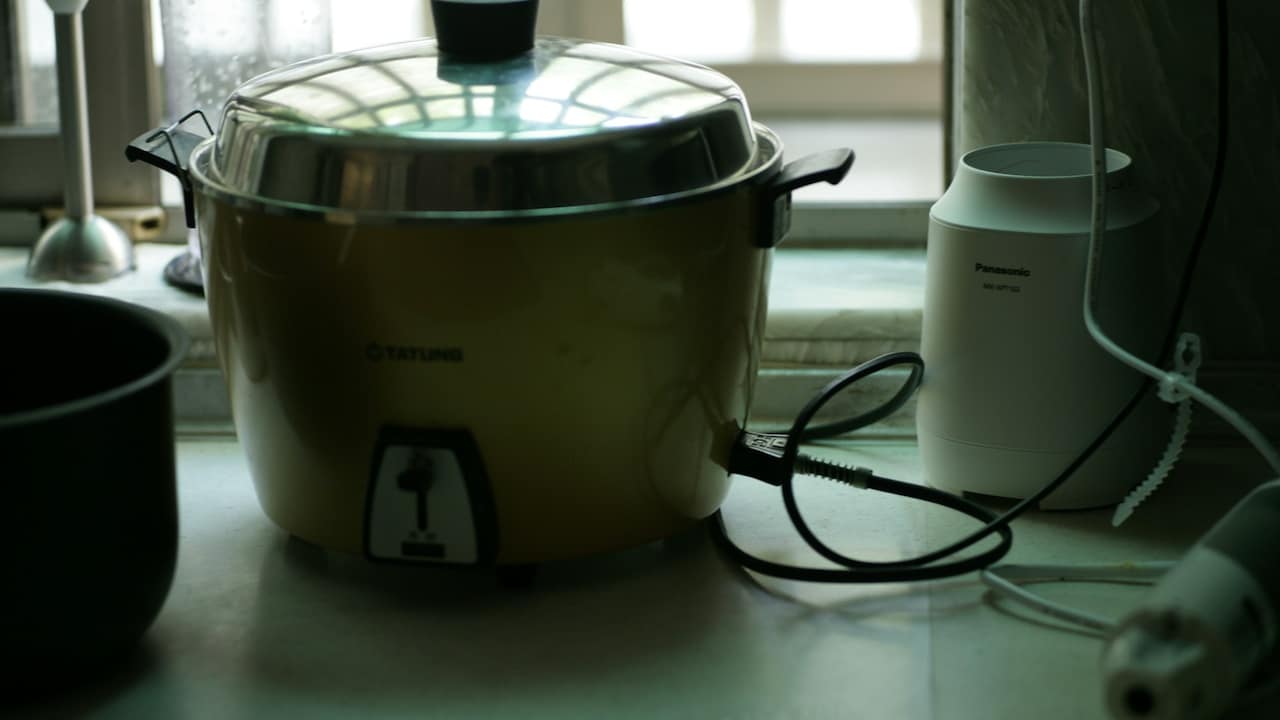
What causes dry rice at the bottom of the rice cooker
Photo Credit: Unsplash
The good news? Most causes don't require a new appliance or complicated kitchen tricks. Small changes can make a surprisingly big difference. Here are ten reasons rice cookers develop that dry bottom layer and what we can do to keep more rice fluffy from top to bottom.
Also Read: Serve Hot Rotis In Style With These Elegant Casseroles
Why Rice Dries Out At The Bottom Of The Cooker
1. There Isn't Enough Water For The Rice
The most obvious culprit often causes the biggest headache: too little water.
Rice absorbs water as it cooks. Once most of that moisture disappears, the temperature inside the pot begins to rise. That temperature change helps many rice cookers recognise that cooking has finished. However, if the water runs out too early, the grains touching the hot base continue receiving heat without enough moisture around them.
Those bottom grains start drying before the rice above has finished steaming.
Water requirements also change with the type of rice. Aged basmati, for example, may behave differently from freshly harvested rice. Brown rice generally needs more water and more cooking time than white rice. Even different brands of the same variety can absorb slightly different amounts.
Instead of treating one water ratio as universal, use the cooker's measuring cup and its internal markings as a starting point. If the bottom regularly turns dry while the rest cooks properly, increase the water slightly the next time. A tablespoon or two can sometimes solve the problem without turning the entire batch mushy.
2. The Rice Hasn't Been Rinsed Properly
That cloudy water running off uncooked rice contains loose surface starch. Leave too much of it behind, and the texture inside the cooker can change considerably.
Excess starch tends to make grains stick together. More importantly for our stubborn bottom layer, starch can settle close to the base and form a sticky coating as the water heats. Continued direct heat then dries this coating into a firmer crust.
This doesn't mean rice needs an endless spa treatment before dinner. Two or three gentle rinses often remove enough loose starch for everyday cooking. Swirl the grains carefully with clean water and drain. Repeat until the water becomes noticeably less cloudy. It doesn't need to become completely transparent.
Avoid aggressively rubbing the grains together as well. Breaking them releases even more starch, which rather defeats the purpose.
Rinsing becomes particularly useful when cooking varieties that naturally contain plenty of surface starch. The finished rice usually separates better, and the layer sitting against the base becomes less glue-like. One extra minute at the sink can save several irritating minutes of scraping later.
3. The Rice-To-Water Ratio Doesn't Suit The Variety
The words "one cup of rice" sound straightforward until different rice varieties enter the kitchen.
Long-grain basmati, sona masoori, brown rice, parboiled rice and short-grain varieties don't cook exactly alike. Grain size, age, processing and starch content all influence how much water each variety needs. Using the same ratio for every packet can produce perfectly cooked rice one week and a dry-bottomed batch the next.
Older rice often needs slightly more water because the grains contain less moisture. Newly harvested rice may require less. Brown rice keeps its outer bran layer, so water takes longer to penetrate it. Some parboiled varieties also need more water than regular white rice.
Start with the manufacturer's recommendation, but treat it as a baseline rather than an unbreakable kitchen law. Observe the finished rice. If the grains on top feel right while the base dries repeatedly, increase the water in small increments.
Large adjustments can quickly turn fluffy rice into porridge. Small ones let us find the sweet spot for the rice that actually sits in our pantry.
4. The Keep-Warm Setting Runs For Too Long
The rice cooker clicks from "Cook" to "Warm", dinner isn't ready yet, and everyone forgets about the rice.
An hour passes. Maybe two.
The keep-warm function sounds harmless, but it still uses heat. Its job is to hold cooked rice above a certain temperature, not to stop heating altogether. Over time, moisture continues escaping from the grains. The bottom experiences the most heat, so that section usually dries first.
This explains why rice can look beautiful when cooking finishes but develop a leathery base later.
Once the cooking cycle ends, gently fluff the rice with the supplied paddle or another non-scratching utensil. This releases excess steam and redistributes moisture. If the rice needs to stay warm, close the lid afterwards rather than repeatedly opening it.
For longer delays, don't assume the warm function can maintain freshly cooked texture indefinitely. The precise safe holding guidance depends on the cooker, so follow its manual. From a texture standpoint, though, serving the rice reasonably soon after cooking usually gives the best result.
5. The Cooker Is Making Too Little Rice
Cooking one tiny portion in a large rice cooker can create an unexpected problem.
Rice cookers work best within a particular capacity range. When only a thin layer of rice covers the bottom of a large pot, a greater proportion of those grains sits close to the heating surface. They have less surrounding rice and moisture to protect them from direct heat.
The result can resemble a miniature drought at the bottom while the handful of rice above cooks normally.
Check the minimum quantity recommended for the cooker. A large family-size model may not perform brilliantly when asked to cook enough rice for just one plate.
If small portions form part of the daily routine, measure the water especially carefully and avoid leaving the cooked rice on warm unnecessarily. A smaller-capacity cooker may also make more sense for households that consistently prepare modest quantities.
The biggest machine isn't automatically the most convenient one. With rice cookers, matching the batch size to the appliance often matters more than having impressive capacity numbers printed on the box.
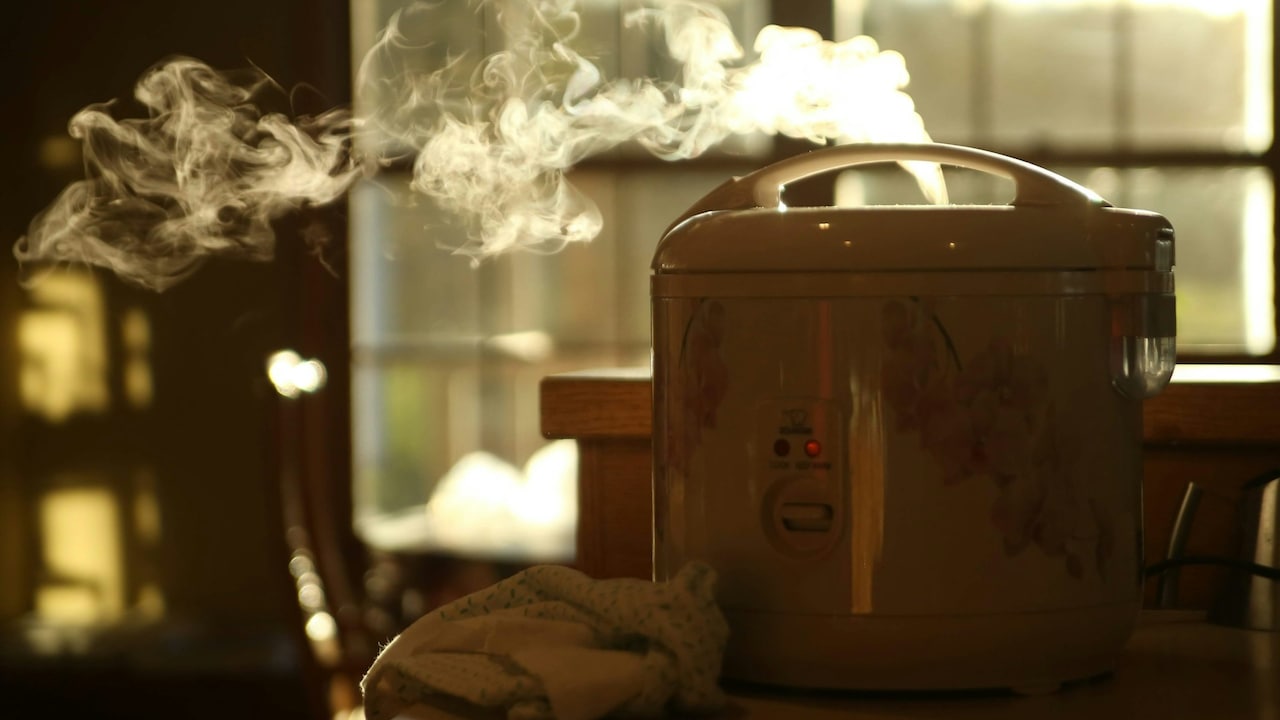
The quantity of rice in the cooker can also affect the final reuslts
Photo Credit: Unsplash
6. The Inner Pot Isn't Sitting Flat On The Heating Plate
Sometimes the rice isn't really the problem. The pot is.
The removable inner pot needs even contact with the cooker's heating plate. A stray grain of rice, dried starch, water droplet or bit of food underneath can prevent it from sitting properly. Even a small obstruction can create uneven heat transfer.
The same problem can develop if the base of the inner pot becomes dented or warped.
Before cooking, check that the outside of the pot feels clean and completely dry. Wipe the heating plate once it has cooled, making sure nothing remains stuck to the surface. Never pour water directly into the cooker body while cleaning it.
Also inspect the inner pot from the side. It should sit evenly rather than wobbling.
Uneven contact doesn't always create dramatic cooking failures. Sometimes the only clue appears at serving time: one section of the bottom becomes noticeably harder or browner than everything else. When the dry patch develops more strongly on one side, checking the pot and heating surface should move surprisingly high on the troubleshooting list.
7. The Rice Sits Too Long Before Being Fluffed
The cooking cycle has finished, but the job isn't quite over.
During the final stage, trapped steam continues moving through the rice. Leaving the entire batch untouched for a short resting period can help the moisture settle evenly. Leave it compressed for much longer, though, and the rice at the bottom remains packed against the warm pot.
That prolonged contact encourages moisture loss and compaction.
A useful routine involves letting the rice rest briefly after the cooker switches from cook to warm, then opening the lid and gently fluffing from the bottom upwards. The goal isn't to stir it like pulao in a kadai. Rough mixing can break soft grains and create a sticky texture.
Instead, lift and separate sections with the rice paddle.
Fluffing also allows steam trapped in wetter areas to escape and prevents the lower grains from staying pressed into one dense layer. It takes less than a minute but often improves both texture and serving. Think of it as the final cooking step rather than an optional flourish.
8. The Inner Pot's Non-Stick Coating Has Worn Down
That faithful rice cooker may have survived countless weekday lunches, late dinners and emergency khichdi nights. Its inner pot, unfortunately, doesn't last forever.
Many rice cookers use coated inner pots to reduce sticking. Over time, abrasive cleaning, metal spoons and general wear can damage that surface. Once the coating deteriorates, rice may cling more strongly to exposed areas. The grains stuck directly to those spots then lose moisture and harden.
Look closely at the pot after washing it. Deep scratches, peeling coating or visibly worn patches shouldn't simply become part of the appliance's personality.
Avoid scraping the pot with steel scrubbers or metal utensils. Use the supplied rice paddle, silicone utensils or another option recommended by the manufacturer. For stubborn residue, soaking the cooled pot in warm water usually works better than attacking it with force.
If the coating has seriously deteriorated, check whether the manufacturer sells a compatible replacement inner pot. Replacing the pot can sometimes restore cooking performance without replacing the whole machine.
9. The Cooker Heats Too Aggressively Near The End
Not every rice cooker manages heat in exactly the same way.
Basic models often use a straightforward mechanism that detects when the water has largely disappeared and then switches modes. More advanced cookers may adjust temperature throughout the cycle. Either system can work well, but an ageing thermostat or heating mechanism may eventually behave differently from when the appliance was new.
One clue is change.
If the cooker produced consistently soft rice for years and suddenly starts creating a thick, brown or unusually hard layer despite using the same rice and water ratio, the appliance itself deserves attention.
First eliminate simpler causes. Clean the heating plate, check the inner pot and confirm measurements. If the problem continues and scorching becomes increasingly severe, consult the manufacturer's service guidance rather than repeatedly adding more water to compensate.
Extra water can hide a heating problem temporarily, but it can also ruin the texture of the rest of the rice. When the cooker begins behaving unpredictably, troubleshooting the appliance makes more sense than endlessly changing the recipe.
10. Too Much Steam Escapes During Cooking
Curiosity and rice cookers don't always make good partners.
Opening the lid several times to "check how it's going" allows valuable steam to escape. That steam forms part of the moisture needed to cook rice evenly. Lose enough of it and the water may disappear sooner than expected, leaving the grains nearest the heating plate vulnerable to drying.
A lid that doesn't close properly can cause a similar problem. So can a damaged seal on models that use one.
Once cooking begins, resist the temptation to inspect the rice repeatedly. Let the cooker complete its cycle. If steam seems to escape excessively from places where it shouldn't, examine the lid, steam vent and removable components according to the appliance manual.
Keep the steam vent clean too. Starch residue can accumulate around it and interfere with normal operation.
Rice cooking often rewards restraint. Measure properly, close the lid and let the machine do its work. Sometimes preventing that dry bottom layer requires nothing more complicated than leaving dinner alone for twenty minutes.
Products Related To This Article
1. Wonderchef Nutri-Pot Electric Pressure Cooker with 7-in-1 Functions
2. Nutricook Smart Pot 2 Stainless Steel 6 QT
3. Milton Kitchen Essential Euroline Go Electro Electric Cooker With Glass Lid
4. CUCKOO Multifunction Electric Rice Cooker 3 Ltr Premium Nonstick Pot
5. V-Guard VRC 1.8-Litre Electric Rice Cooker with 700 W Power
6. Panasonic SR-WA22H(E) | 2.2-Litre Capacity or 1.25 KG Raw Rice Cooking
7. Wonderchef Nutri-Pot Electric Pressure Cooker with 7-in-1 Functions
A little rice sticking to the bottom doesn't automatically signal a faulty cooker, but a thick dry layer appearing every day deserves some investigation. Start with the simple fixes: adjust the water slightly, rinse the rice, match the ratio to the variety and don't leave cooked rice warming for hours. Then check the pot, heating plate and lid.
Small habits usually make the biggest difference. Once the balance of heat, water and time falls into place, the serving spoon should reach the bottom without discovering an unwanted rice cracker waiting underneath.
(Disclaimer: This article may include references to or features of products and services made available through affiliate marketing campaigns. NDTV Convergence Limited (“NDTV”) strives to maintain editorial independence while participating in such campaigns. NDTV does not assume responsibility for the performance or claims of any featured products or services.)