Why Hair Clippers Leave Uneven Lines Even With The Same Guard And How To Fix Them
Uneven clipper lines can appear even with the same guard. Discover 10 common causes, from changing angles and hair growth patterns to dull blades, pressure and poor blending.
Hair Clippers Can Leave Uneven Lines For A Variety Of Reasons
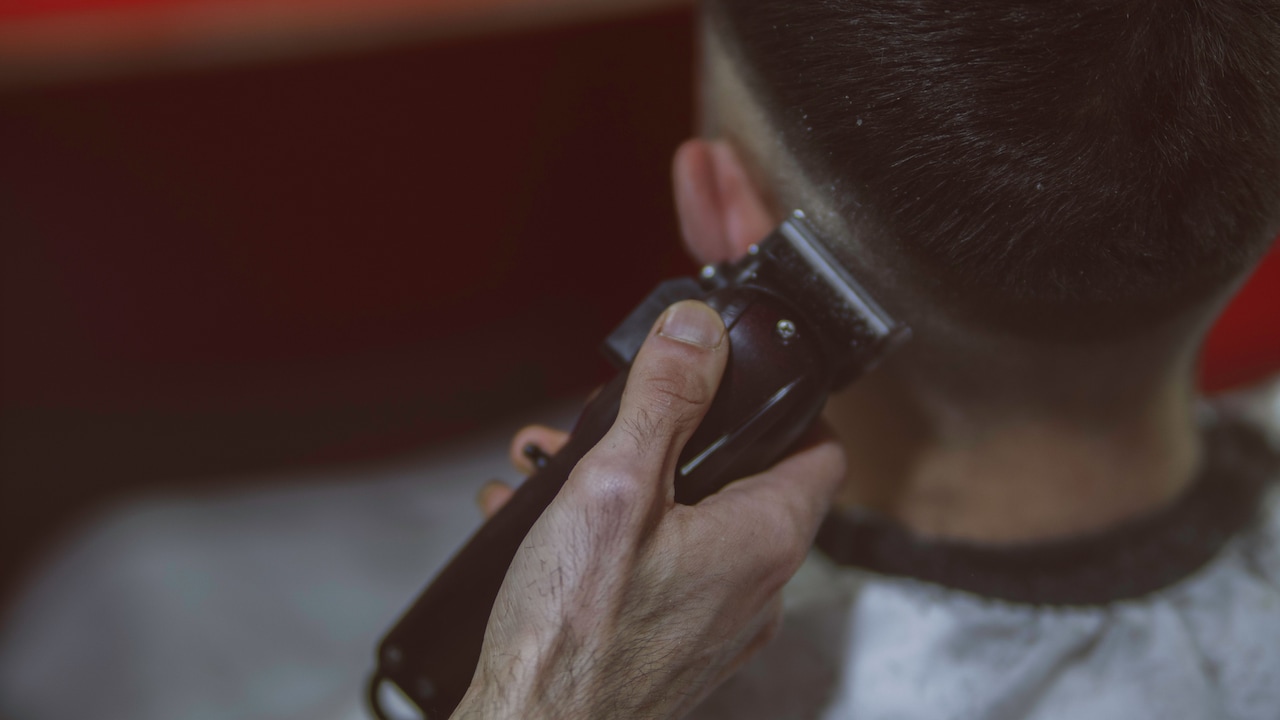
Few grooming mishaps feel quite as irritating as finishing a haircut, stepping towards the mirror and spotting a line that simply should not be there. The same clipper was used. The same guard stayed attached. The hair was cut twice for good measure. Still, one area looks darker, longer or less blended than the rest. It can make the humble clipper guard seem strangely unreliable. In reality, a guard controls the approximate distance between the blade and the scalp. It does not control every other part of the haircut. Hair direction, scalp shape, clipper position, blade condition and even the speed of each stroke can change the final result.
Why Hair Clippers Leave Uneven Lines Even With The Same Guard
Photo Credit: Pexels
This becomes especially obvious during home haircuts. A rushed Sunday trim before work on Monday can quickly become a twenty-minute battle with one mysterious patch near the crown.
Understanding why those uneven lines appear makes fixing them much easier. More importantly, it helps prevent the familiar cycle of cutting one area shorter and shorter while chasing a line that refuses to disappear.
Why The Same Clipper Guard Can Still Leave Uneven Lines
1. The Clipper Angle Keeps Changing
A clipper guard can only maintain a consistent cutting length when it meets the head at a reasonably consistent angle. Tilt the clipper even slightly and the guard may stop sitting flat against the scalp. That small change matters more than it seems.
Imagine trimming the side of the head with a number-three guard. One stroke travels straight upwards with the guard resting comfortably against the skin. The next stroke reaches the curved area near the temple, and the wrist automatically tilts. The blade now approaches the hair differently, leaving a subtle change in length.
Several strokes like that can create a visible line. The problem often appears around the sides, behind the ears and near the crown because these areas force the hand into awkward positions. A bathroom mirror does not make matters easier.
Keeping the clipper movement smooth helps. Rather than forcing the machine to follow every curve rigidly, keep the guard in steady contact and use controlled strokes. When blending, a gentle outward scooping motion near the end of each pass can also prevent a harsh shelf of hair from forming.
2. Hair Grows In Different Directions
Hair rarely grows in one obedient direction. Even a head that looks fairly uniform can contain swirls, diagonal growth patterns and sections that suddenly change direction.
The crown offers the classic example. Run clippers upwards across one section and they may cut almost every strand cleanly. Move a few centimetres towards a swirl and the same upward stroke may travel with the grain rather than against it. Some hairs bend away instead of entering the blade properly.
The result looks darker even though the same guard touched both areas. This explains why repeatedly travelling in one direction does not always fix an uneven patch. The clipper keeps missing the same hairs.
Try approaching stubborn areas from different directions. A pass against the natural growth usually lifts more hair into the cutting blade. Around crowns and cowlicks, several light passes from different angles often work better than one aggressive stroke.
That little dark patch may not need a shorter guard at all. It may simply need the clipper to meet the hair from the direction it has been cleverly avoiding.
Also Read: 5 Best Trimmers Under ₹1,500 With The Longest Battery Life
3. Too Much Pressure Compresses The Guard
Pressing harder feels like a sensible solution when a clipper seems to miss hair. Unfortunately, extra pressure can create another problem.
Many clipper guards contain plastic teeth with a slight amount of flexibility. Push them firmly against the scalp and their position can change. The clipper may then cut slightly closer than it does during a lighter pass.
Pressure also changes naturally throughout a haircut. Someone trimming the front may use gentle strokes while looking directly into the mirror. Reaching behind the head feels less certain, so the hand presses harder for reassurance. Suddenly, the same guard produces two subtly different lengths.
A firm but relaxed grip works better. The guard should maintain contact with the scalp without feeling as though it needs to be pushed through it.
This also improves comfort. Digging clipper teeth into the scalp can make a simple trim feel like someone is trying to rake a garden bed.
Consistency matters more than force. Allow the motor and blades to cut the hair. The hand should mainly guide the tool rather than bully it into doing the job.
4. The Guard Is Not Fully Attached
A clipper guard can look secure without actually sitting correctly on the blade.
Perhaps one side has clicked into position while the other remains slightly raised. Maybe a worn retaining clip allows the guard to move during a stroke. In either case, the cutting distance changes.
That can create surprisingly obvious lines.
Loose guards become more common as plastic attachments age. They get dropped, bent, squeezed into storage pouches and occasionally stepped on during hurried clean-ups. Eventually, the fit may lose its reassuring snap.
Before cutting, attach the guard and gently test it with a finger. It should remain firmly centred without rocking from side to side.
Also check the guard teeth. A cracked or bent tooth can allow hair to enter differently in one section of the attachment. The damage may look tiny yet produce an annoyingly visible patch.
When a ₹20-looking piece of plastic ruins a carefully planned haircut, replacing it feels far less painful than trying to rescue an accidental bald-looking stripe. A secure, undamaged guard creates a much more predictable result.
5. The Clipper Blades Need Cleaning
Hair clippings have a remarkable talent for finding every tiny space inside a clipper blade.
As cut hair, skin flakes and grooming products accumulate, they can obstruct the blade or clog the spaces between the guard teeth. The clipper then struggles to feed fresh hair evenly towards the cutting edge.
Some strokes cut cleanly. Others merely push hair around.
This often creates scattered longer patches rather than one perfectly straight line, although those patches can merge into what looks like an uneven band.
Cleaning during the haircut helps, especially with thick or dense hair. Switch the clipper off, remove the guard and brush away trapped clippings. Follow the manufacturer's maintenance instructions and use suitable clipper oil where recommended.
Oil matters because dry blades create extra friction. They may heat up, drag at the hair and lose cutting efficiency.
Think of blade cleaning as the grooming equivalent of wiping a windscreen. Technically, the journey might continue without it, but visibility gets steadily worse.
A clean blade gives the guard a fair chance to do what its number promises.
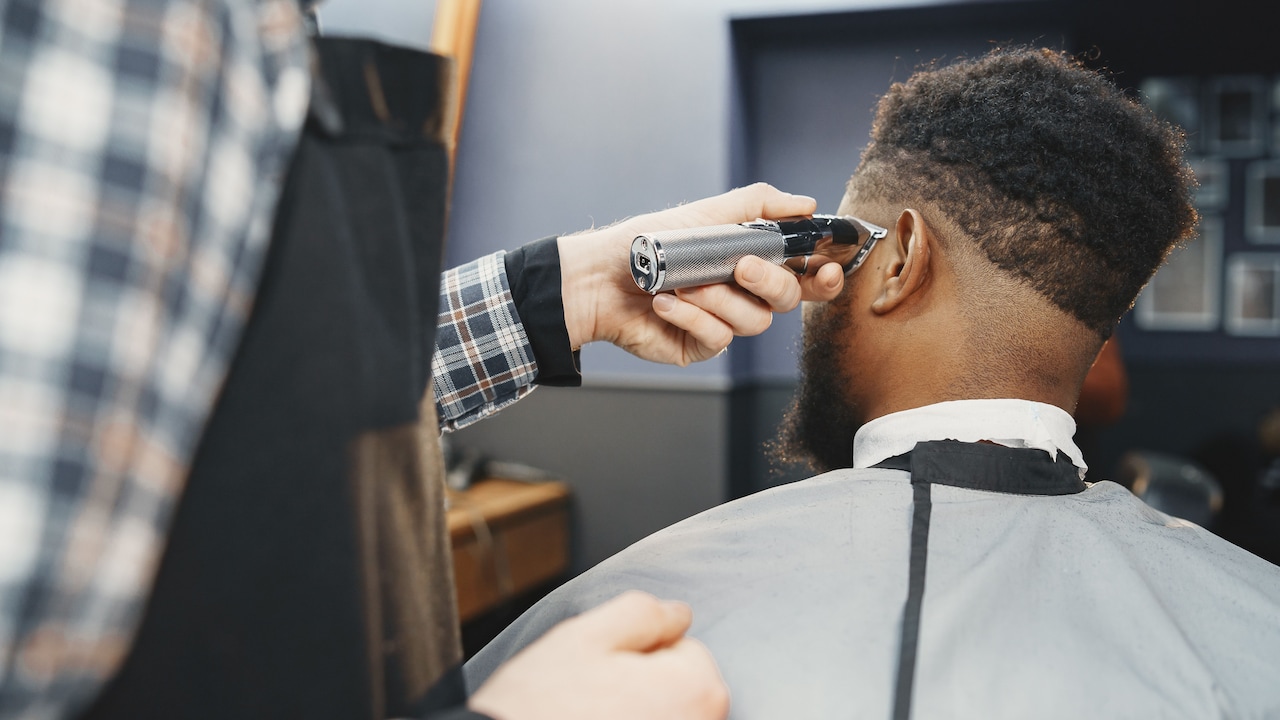
Why Hair Clippers Leave Uneven Lines Even With The Same Guard
Photo Credit: Pexels
6. The Hair Was Not Prepared Evenly
Hair condition can change the way clippers travel through it.
One area may sit completely dry and fluffy while another contains sweat, oil, water or styling product. Those differences affect how strands stand, clump and enter the blade.
Wet or greasy sections often lie flatter against the scalp. A guard may glide over them without lifting every strand. Once the hair dries or gets brushed later, previously flattened hairs suddenly appear longer.
That can make a fresh haircut look as though it changed length by magic.
Before using clippers, start with clean hair prepared according to the clipper manufacturer's guidance. For a typical dry clipper cut, make sure the hair has dried evenly and remove heavy gels, waxes or creams.
Comb or brush the hair before trimming as well. This separates clumps and exposes sections that may otherwise hide beneath neighbouring strands.
A haircut rarely forgives shortcuts in preparation. Five minutes spent getting the hair into a consistent condition can save much longer afterwards, particularly when the alternative involves staring at one uneven sideburn and wondering whether anyone at the office will notice.
7. The Scalp Is Not A Flat Surface
Guard numbers sound wonderfully precise. A number-four guard, for example, suggests that every strand should finish at the same neat length.
Heads have other plans.
The scalp contains curves, dips, bumps and flatter areas. Bone structure also changes around the temples, occipital area and crown. As a clipper travels across these contours, the guard does not always maintain the same relationship with every hair.
A hollow area may receive less effective contact. A prominent curve may push hair closer towards the blade.
This explains why a haircut can show a dark horizontal patch even when the hand seems steady.
Good technique follows the shape of the head without pressing excessively into every contour. Smaller, overlapping strokes can help around difficult curves. Changing the direction of approach may also catch hairs that one pass misses.
Professional-looking results rely on reading the head shape rather than treating it like a cricket pitch.
When one area appears darker, check the contour before reaching for a shorter guard. Removing more hair might disguise the patch, but it can also create an entirely new problem.
8. Each Clipper Stroke Moves At A Different Speed
Rushing a clipper through hair can prevent the blade from cutting everything that enters the guard.
This becomes particularly noticeable with thick, coarse or dense hair. The motor needs enough time to move the cutting blade through the strands. Push forward too quickly and some hairs may fold, escape or remain partially cut.
A slower pass nearby can then remove more hair, creating two different-looking sections with the exact same guard.
The answer does not involve moving at a painfully slow pace. Consistency matters most.
Use deliberate strokes and allow the clipper to work through resistance rather than forcing it forward. If the motor sounds strained or the clipper starts dragging, pause and inspect the blade for trapped hair.
Overlapping each stroke slightly also helps. It prevents narrow strips from escaping between passes.
Home haircuts often become uneven when confidence grows halfway through the job. The first few strokes move cautiously; the final few race along because dinner is waiting.
Maintaining roughly the same pace from beginning to end gives the haircut a far more even finish.
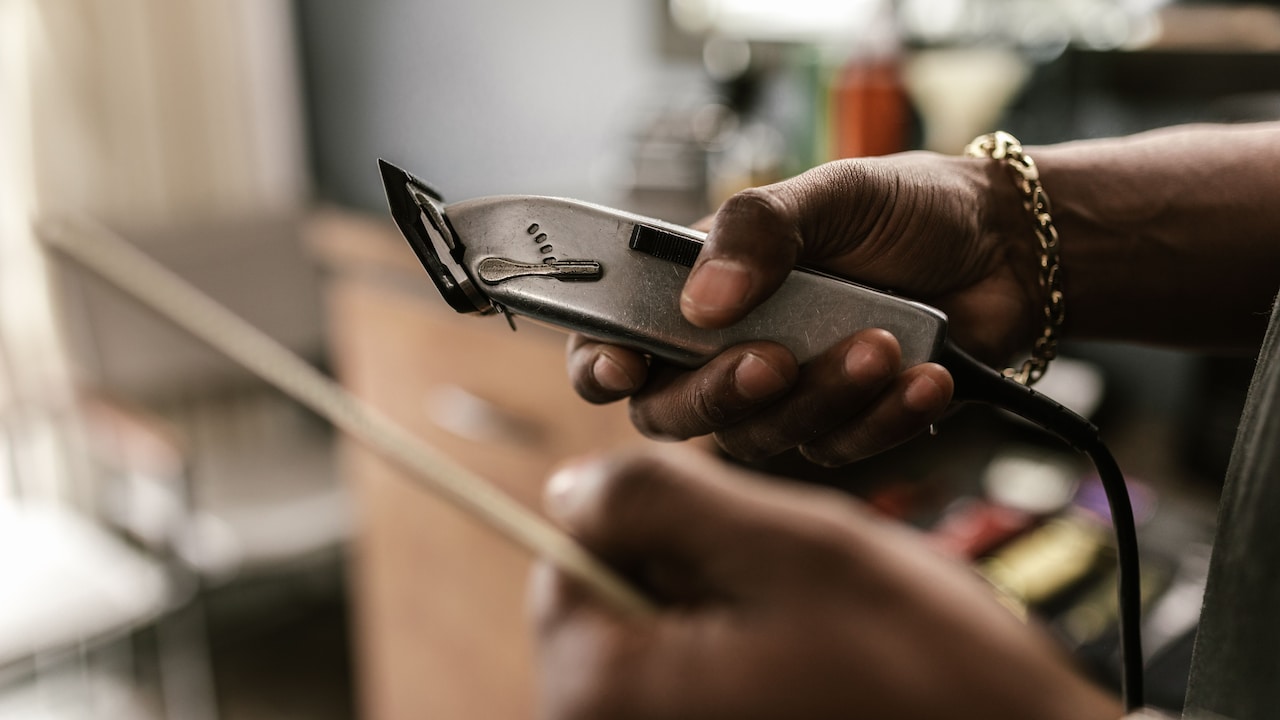
9. The Blades Are Dull Or Misaligned
Even a perfectly fitted guard cannot compensate for blades that no longer cut properly.
Dull clipper blades may tug, fold or skip hair instead of slicing it cleanly. Misaligned blades can also cut more effectively on one side than the other.
The frustrating part is that the clipper may still sound completely normal.
Watch the hair rather than relying only on the motor noise. If several passes leave random longer strands, or if the machine starts pulling instead of cutting smoothly, the blades deserve attention.
Cleaning and lubrication may solve mild performance problems. Worn blades, however, may need replacement or professional servicing. Always follow the manufacturer's instructions, particularly when adjusting blade alignment.
Avoid endlessly going over the same patch with increasing pressure. That usually irritates the scalp without fixing the underlying problem.
A decent clipper should remove hair efficiently without turning the haircut into an endurance test. When ten passes are needed where two once worked, the guard probably has not forgotten its job. The cutting system underneath it may simply need maintenance.
10. A Visible Line May Actually Come From Poor Blending
Sometimes the hair has been cut evenly within each guard length, yet a line still appears.
That happens when two sections meet too abruptly.
For example, the lower side may receive a number-two guard while the area above gets a number-three. Both lengths can look perfectly consistent on their own. The transition between them, however, may resemble a shelf if the boundary has not been blended.
Even using one guard can create a similar effect when the clipper stops repeatedly at the same height. Each stroke removes hair below that point but leaves more weight immediately above it. Soon, a visible horizontal band develops.
Instead of stopping every pass in the same place, finish with a gentle outward flick. This gradually reduces contact between the guard and the hair.
For more detailed fades, barbers often use intermediate adjustments, lever positions and careful corner work. Home users do not need to recreate an entire barbershop routine, but the principle remains useful.
A line does not always mean something went wrong with the guard. Sometimes the haircut simply needs a smoother transition.
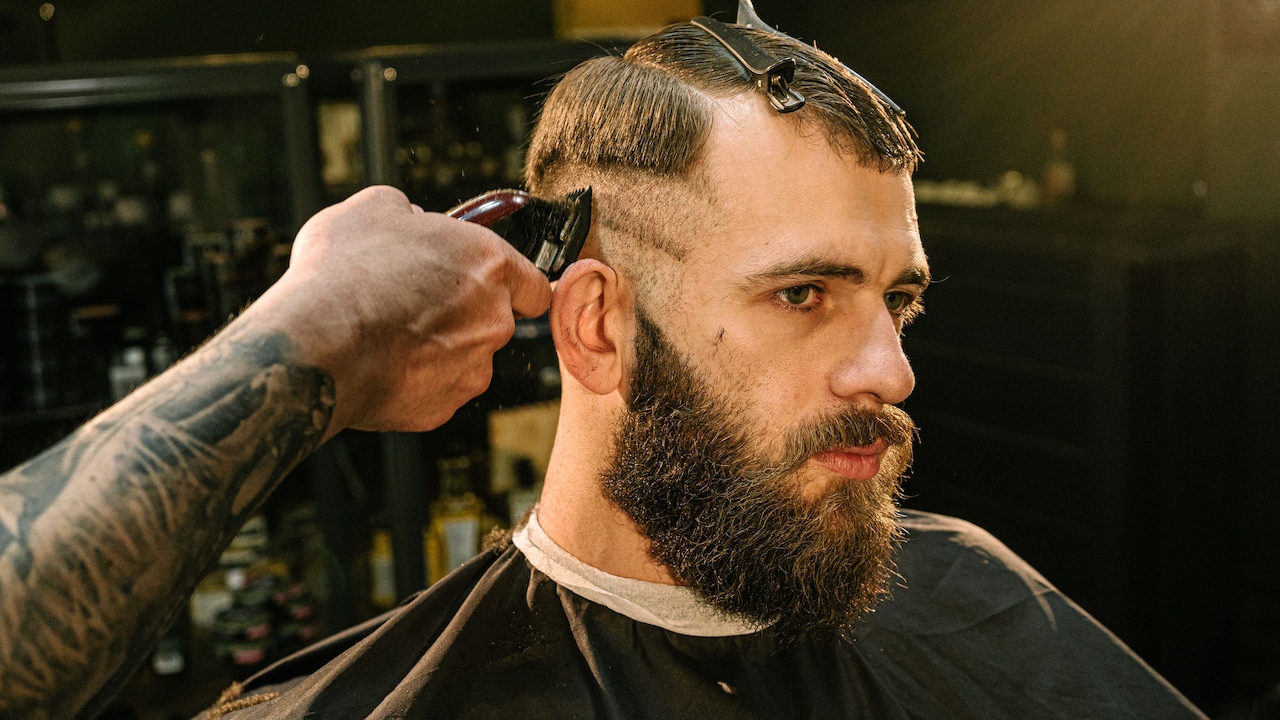
Why Hair Clippers Leave Uneven Lines Even With The Same Guard
Photo Credit: Pexels
Products Related To This Article
1. VGR V-969 Professional Hair Clipper with 180 Min Runtime
2. VTHIN Precision Pro Hair Clipper Kit
3. FINARO 809 Rechargeable Professional Electric Hair Clipper & Trimmer
4. KEMEI Professional Hair Clipper - KM-232
5. VGR VL-665 Barbers Choice Salon Hair Clipper with 180 Min Runtime & 6 Length Settings
6. VEGA PROFESSIONAL VPPHC-12 Vector 2.0 Cordless Hair Clipper with 150 Min Runtime - Green
7. Agaro Cordless Waterproof Hair Clipper 1717 with 4 Combs & Curved Blades - Black
Uneven clipper lines can feel mysterious because the guard number appears to remove all uncertainty. In practice, that little attachment controls only one part of the process.
Angle, pressure, hair direction, scalp shape, blade condition and cutting speed all influence how much hair actually reaches the cutting edge. Preparation and blending matter just as much.
The safest response to an uneven patch is therefore not to immediately grab a shorter guard. First, brush the hair, inspect the clipper, check the guard and approach the area from another direction. A few controlled passes may solve the problem without sacrificing extra length.
Most home clipper disasters begin with a tiny inconsistency and become serious only after enthusiastic attempts to “even everything out”.
When technique stays consistent and the equipment remains clean and well maintained, the same guard should produce far more predictable results. The mirror becomes friendlier too, which is always a pleasant bonus after a haircut.
(Disclaimer: This article may include references to or features of products and services made available through affiliate marketing campaigns. NDTV Convergence Limited (“NDTV”) strives to maintain editorial independence while participating in such campaigns. NDTV does not assume responsibility for the performance or claims of any featured products or services.)