10 Straightening Mistakes That Cause Hair To Catch, Snag Or Break Near The Plate Edges
Hair catching at the sides of a straightener isn't always a sign of damaged strands. From oversized sections to tilted plates, small straightening mistakes can repeatedly trap hair, create rough ends and eventually cause breakage.
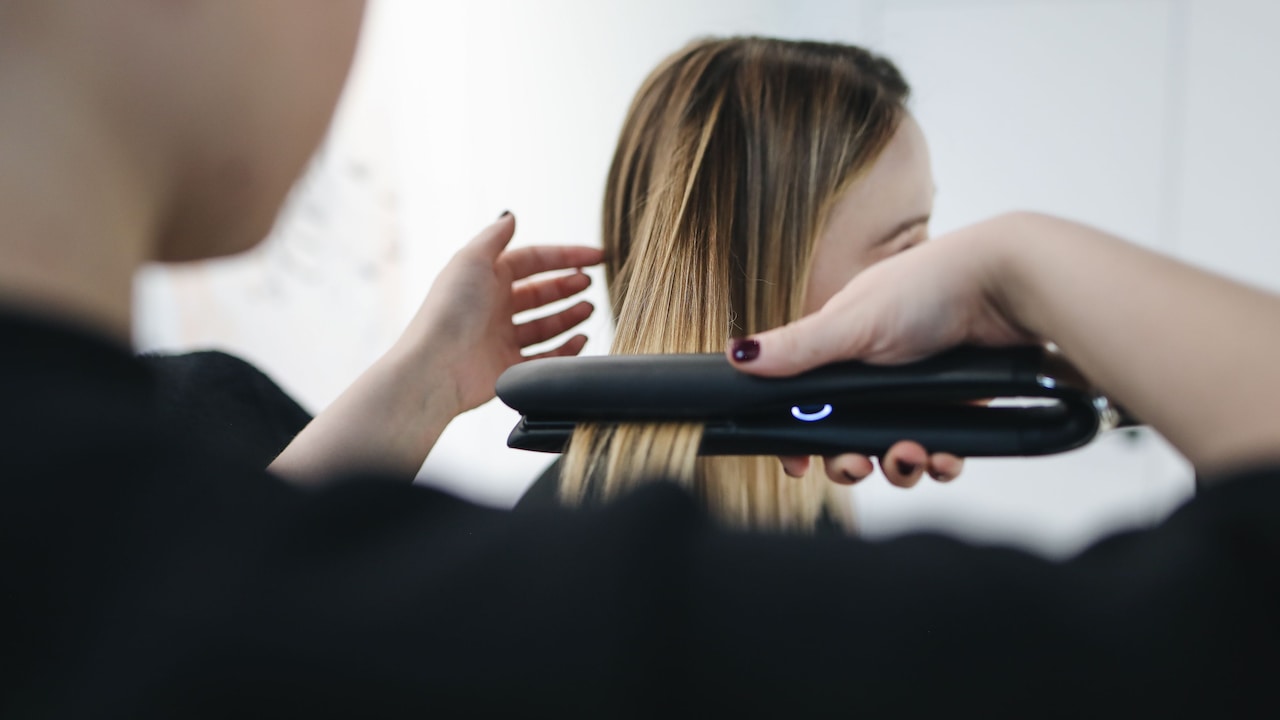
10 Flat Iron Mistakes That Make Hair Catch, Pull Or Break Near The Plates
There's a particular kind of irritation that comes with straightening hair and hearing that tiny, ominous snap. The straightener glides smoothly for a few centimetres, then suddenly a few strands catch near the edge. You stop, untangle them and carry on, only for the same thing to happen on the next section. It's tempting to blame dry hair, split ends or an ageing straightener straight away. Sometimes those things do contribute. Quite often, though, snagging begins with something much simpler: how the hair enters the plates. Straighteners need reasonably even tension and consistent contact between the plates. Change the angle, squeeze too hard or feed in a section wider than the heating surface, and individual hairs can wander towards the casing or plate edge. Repeating that friction day after day can weaken the cuticle and leave certain sections looking noticeably rougher. So, before declaring war on the straightener or reaching for another serum, it helps to look closely at the technique.
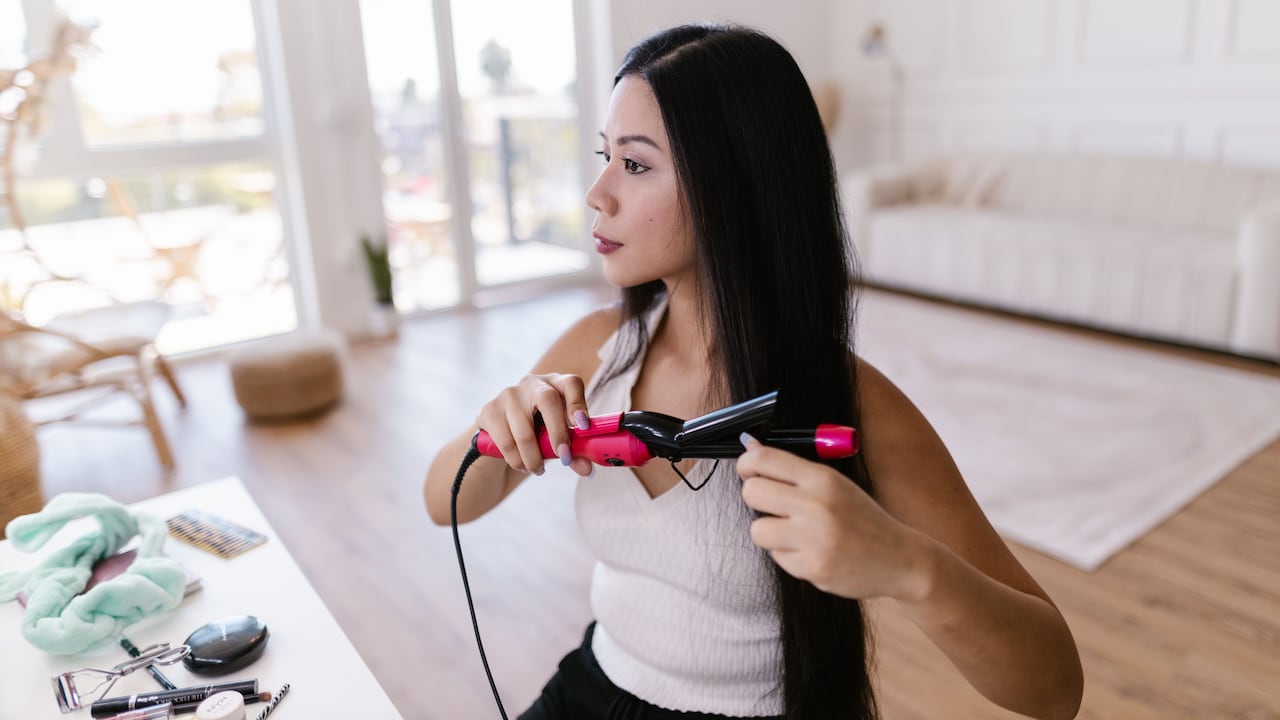
10 Flat Iron Mistakes That Make Hair Catch, Pull Or Break Near The Plates; Photo Credit: Pexels
Why Hair Snags At The Plate Edges During Straightening
1. Straightening Sections That Are Wider Than The Plates
A generous chunk of hair might look like a clever shortcut on a rushed morning. Unfortunately, a straightener has other ideas. When a section extends beyond the usable width of the plates, the outermost strands don't sit securely between the heated surfaces.
Instead, they can spill towards either side of the tool. As the straightener moves downwards, those loose hairs rub against the plate edge or the narrow gap between the plate and casing. Some slide through. Others catch.
Thick, dense or wavy hair makes this especially noticeable because a large section also creates uneven pressure. Hair in the middle receives firm contact while strands near the outside barely touch the plates.
Use sections slightly narrower than the straightener rather than matching its exact width. The extra breathing room helps keep everything inside the plates while you move.
Yes, smaller sections mean a few more passes around the head. But one controlled pass usually beats repeatedly going over an oversized section that never straightens evenly in the first place.
Also Read: Top 10 Tips to Use A Hair Straightener Without Damaging Your Hair At Home
2. Letting Stray Hairs Sit Across The Plate Edges
Baby hairs, shorter layers and broken strands have an annoying talent for appearing exactly where they shouldn't. A section may look neat from a distance while several tiny hairs stick sideways across the plate edge.
Close the straightener and those strands can land partly inside the plates and partly outside them. When the tool starts moving, they get dragged at an awkward angle.
This often happens around the hairline, crown and areas with lots of layering. It can also appear more frequently when static makes shorter hairs float away from the main section.
Before closing the straightener, use a fine-tooth comb or your fingers to align the entire section in one direction. Don't rush this tiny step. It takes seconds and helps the hair enter the plates as a single, organised sheet rather than a collection of rebellious threads.
If the same little pieces constantly catch, don't keep forcing them through alongside longer hair. Straighten shorter sections separately with lighter pressure. Those fragile strands rarely benefit from being tugged into submission.
3. Tilting The Straightener Sideways During A Pass
A straightener works best when both plates remain reasonably parallel to the section of hair. Problems start when one hand gradually twists or tilts the tool while pulling it down.
One side of the plates then places more pressure on the hair than the other. Strands naturally migrate towards the tighter edge, where they may pinch against the casing.
This mistake can creep in without you noticing. Straightening the back of the head often requires awkward arm positions. The wrist starts rotating to compensate, especially near the ends. Suddenly, a straight downward pass has become a diagonal one.
Watch what your wrist does rather than concentrating only on the finished hair. Keep the straightener level and allow your arm to move down with it. If reaching the back feels uncomfortable, bring the section slightly to the side instead of bending the tool around your head.
Curved passes for styling bends or turned-under ends are different. Those movements should stay smooth and deliberate. Accidental tilting is what creates unpredictable pressure at the edges.
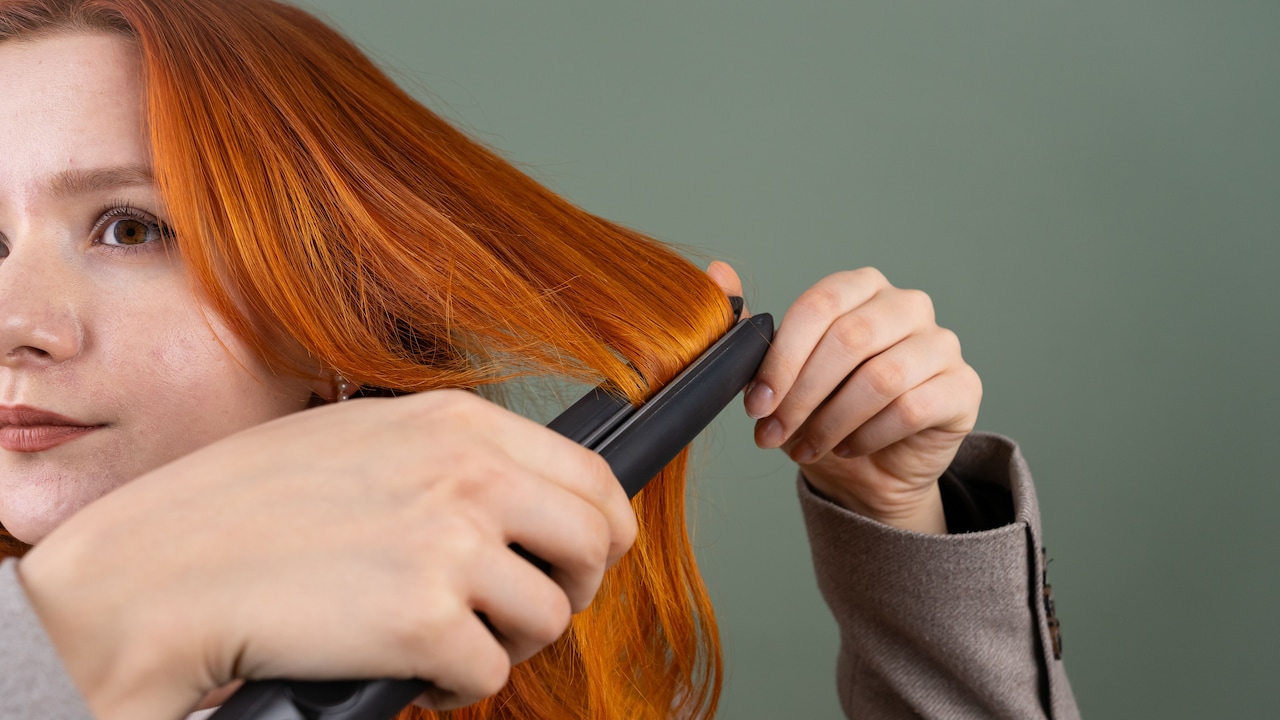
10 Flat Iron Mistakes That Make Hair Catch, Pull Or Break Near The Plates; Photo Credit: Pexels
4. Clamping The Plates Too Tightly
More pressure doesn't automatically create straighter hair. In fact, squeezing a straightener like it owes you money can make snagging worse.
Most straighteners need only enough pressure to keep the section in contact with both plates. When you clamp aggressively, hair has less room to move naturally through the tool. Any strand sitting near an edge can become tightly pinched.
Hard clamping also exaggerates tiny inconsistencies in your hand position. Tilt the straightener slightly and virtually all that pressure shifts towards one side.
Try holding the handles firmly but without forcing them together beyond their natural closing point. Floating-plate straighteners, in particular, usually have some movement built into their plates so they can adapt to the thickness of the section.
If hair only becomes straight when you squeeze extremely hard, look at your section size or temperature instead. You may simply have too much hair between the plates.
A relaxed grip gives you better control too. Your wrist can travel more smoothly, which means fewer sudden changes in angle halfway through the pass.
5. Starting A Pass Before The Section Is Properly Detangled
A straightener should smooth hair, not double as a very expensive comb.
Small tangles can hide surprisingly well inside a section. When the straightener reaches one, the knot can't travel freely through the plates. Hair bunches up behind it and spreads towards the sides. That's often when strands catch near an edge.
Forcing the straightener through makes matters worse. Heat, pressure and tension all concentrate around the tangled area at once.
Detangle every section before straightening it. Start from the ends and work upwards rather than dragging a brush straight from the roots. The section should feel smooth enough for a comb to travel through without stopping.
A comb-chase technique can also help. Run a comb just ahead of the straightener so it keeps individual hairs aligned before they reach the plates. There's no need to turn the process into salon choreography. A steady pace works perfectly well.
Pay extra attention after washing, sleeping with loose hair or removing hair ties. Tiny knots around the ends often cause those mysterious snags that seem to appear from nowhere.
6. Moving The Straightener Too Quickly Through Resistant Hair
Speed sounds harmless. After all, less contact with heat should surely mean less damage. But racing through a section can make your hands less controlled, particularly when the hair has waves, bends or inconsistent texture.
A rapid pass may cause the straightener to bounce slightly. The plates repeatedly loosen and tighten around the section while moving. Hair can then shift sideways and catch along an edge.
Going too quickly also encourages multiple passes because the first one doesn't produce the result you wanted. That exposes the same section to repeated heat and mechanical friction.
The answer isn't to crawl down every strand in slow motion. Aim for one smooth, continuous movement at a pace that lets the plates maintain stable contact.
Coarser or tightly textured sections may need a little more preparation and smaller section sizes rather than greater speed or aggressive pressure.
Think of straightening more like ironing a shirt than swiping a metro card. Consistent contact matters. A controlled pass gives the hair time to move through the plates without sudden sideways shifts, while still avoiding unnecessary lingering in one spot.

10 Flat Iron Mistakes That Make Hair Catch, Pull Or Break Near The Plates; Photo Credit: Pexels
7. Using Too Much Styling Product Before Straightening
Heat protectant can play an important role in a styling routine, but that doesn't mean hair needs to feel coated before the straightener comes out. Heavy serums, oils or generous layers of styling spray can leave residue on both the hair and plates. Over time, that build-up creates a less uniform surface. Instead of gliding cleanly, certain sections begin to feel sticky or resistant.
Product can also collect around plate edges, exactly where vulnerable strands are most likely to rub.
Use styling products according to their instructions and distribute them evenly. More isn't automatically better. If one area feels noticeably wetter, greasier or tackier than another, give it time to settle before applying direct heat.
And don't forget the straightener itself. Once it has fully cooled and you have unplugged it, follow the manufacturer's cleaning instructions to remove residue safely.
If a previously smooth straightener suddenly starts dragging without any change in your technique, inspect the plates. Sometimes the culprit isn't mysterious hair damage at all. It's yesterday's styling spray clinging to the tool.
8. Straightening Hair Before It Is Completely Dry
That faint sizzling sound should never become part of the morning soundtrack. Unless you own a tool specifically designed and approved for wet-to-dry styling, conventional straighteners belong on dry hair. Even slightly damp sections can behave differently under pressure and heat.
Moist hair may bunch, swell or move less smoothly between the plates. Damp strands can also stick together, making the section uneven. That uneven bundle can push certain hairs towards the plate edges as the straightener travels down.
The hair itself also becomes more vulnerable when heat rapidly interacts with retained moisture.
Don't rely entirely on how the surface feels. Thick hair can remain damp underneath even when the outer layers seem dry. After blow-drying or air-drying, separate a few sections near the roots and underneath the hair to check.
A cool patch often signals lingering moisture.
Straightening half-dry hair rarely saves much time anyway. The inconsistent result usually encourages extra passes, which defeats the supposed shortcut. Fully dry, properly detangled hair tends to move through the plates far more predictably.
9. Pulling The Hair Sideways While Moving The Straightener Down
Tension helps keep a section smooth, but direction matters. Suppose the straightener moves vertically down while your other hand pulls the hair sharply towards the shoulder. The section now travels in two competing directions. Strands on one side experience greater tension and can drift towards the plate edge.
This frequently happens when straightening the back sections. Bringing the hair forward makes it easier to see, so the hand naturally pulls sideways while the straightener continues downward.
Instead, try to keep your supporting hand moving in roughly the same direction as the straightener. You can still bring back sections forward, but reposition the entire section before starting the pass instead of changing direction halfway down.
Also avoid pulling the ends excessively tight. Fine and already weakened ends need very little tension to remain aligned.
Good straightening doesn't require a tug-of-war between your hands. Hair should travel through the tool in a controlled line. When both hands cooperate, strands remain centred between the plates rather than getting gradually steered towards one edge.
10. Ignoring Damaged Or Misaligned Plates
Sometimes your technique really isn't the main problem. Straightener plates should meet evenly and provide a reasonably smooth path for hair. A damaged coating, chipped edge, warped plate or poorly aligned housing can create tiny areas where strands repeatedly catch.
Run your eyes along the plates when the tool is switched off, unplugged and completely cool. Look for visible chips, peeling surfaces or unusual gaps. Close the straightener gently and check whether the plates sit evenly.
Don't run a finger along a damaged edge to investigate it. A visual inspection tells you enough.
Age alone doesn't decide whether a straightener needs replacing. A well-maintained older tool can still function perfectly. Conversely, accidental drops or manufacturing problems can affect a relatively new one.
The biggest clue is consistency. If hair catches at exactly the same spot on the same plate regardless of section size, angle or styling technique, the tool deserves closer attention.
No serum or clever hand movement can compensate reliably for a physical snag point. Once the hardware starts trapping strands, continuing to use it may turn a small annoyance into repeated breakage.
Products Related To This Article
1. Philips HP8302/06 Selfie SilkPro Care Hair Straightener with Ceramic Plates
2. Dyson Airstrait Hair Straightener To Retain Natural Volume - Prussian Blue/ Rich Copper
3. MAKEMEEBOLD Women Frizz Free Hair Straightening Brush
4. Ikonic Professional S3+ Ceramic Hair Straightener with Ceramic Floating Plates
5. WINSTON Hair Straightener With Titanium Ceramic Plates
6. BBLUNT Pro Insta Smooth Hair Straightening Brush With Ionic Technology
7. Ikonic Me 2 in 1 Straight & Curl Wide Hair Styler with Dual-Function - Black & Teal
Hair snagging during straightening can look random, but repeated catches near the plate edges usually have a reason. Oversized sections, awkward angles, excessive pressure, tangles and product build-up can all push strands into vulnerable spots. Sometimes the straightener itself causes the trouble.
A few slower, more deliberate passes can make a surprisingly big difference. Keep sections manageable, hair dry and detangled, and the tool centred as it moves. Your hair shouldn't have to survive a miniature obstacle course every time you want a smooth finish.
(Disclaimer: This article may include references to or features of products and services made available through affiliate marketing campaigns. NDTV Convergence Limited (“NDTV”) strives to maintain editorial independence while participating in such campaigns. NDTV does not assume responsibility for the performance or claims of any featured products or services.)