How To Stop A Juicer Filter From Blocking: 10 Fixes For Pulp, Ingredient Order And Cleaning
A juicer filter that keeps clogging can turn a quick morning juice into a messy chore. From prepping fibrous produce to changing ingredient order, these 10 practical fixes can help juice flow smoothly.

Why Your Juicer Filter Keeps Clogging And 10 Simple Ways To Fix It
A glass of fresh juice sounds like one of the easier kitchen jobs. Wash a few carrots, cut an apple, throw in some beetroot and let the juicer handle the rest. Then, halfway through, the machine starts sounding strained. Juice slows to an occasional drip, pulp begins collecting where it shouldn't, and the filter looks as though someone packed it with wet confetti. A blocked juicer filter isn't always a sign that something has gone wrong with the appliance. More often, the problem comes down to what we're juicing and how we're feeding it into the machine. Fibrous vegetables, soft fruits, leafy greens and even an ambitious feeding speed can quickly overwhelm the tiny openings in a filter. Cleaning matters too. A filter can look perfectly clean while dried pulp quietly sits inside its mesh. The good news is that most clogging problems don't require replacement parts or a new appliance. A few changes to preparation, ingredient order and cleaning can make juicing considerably less frustrating.
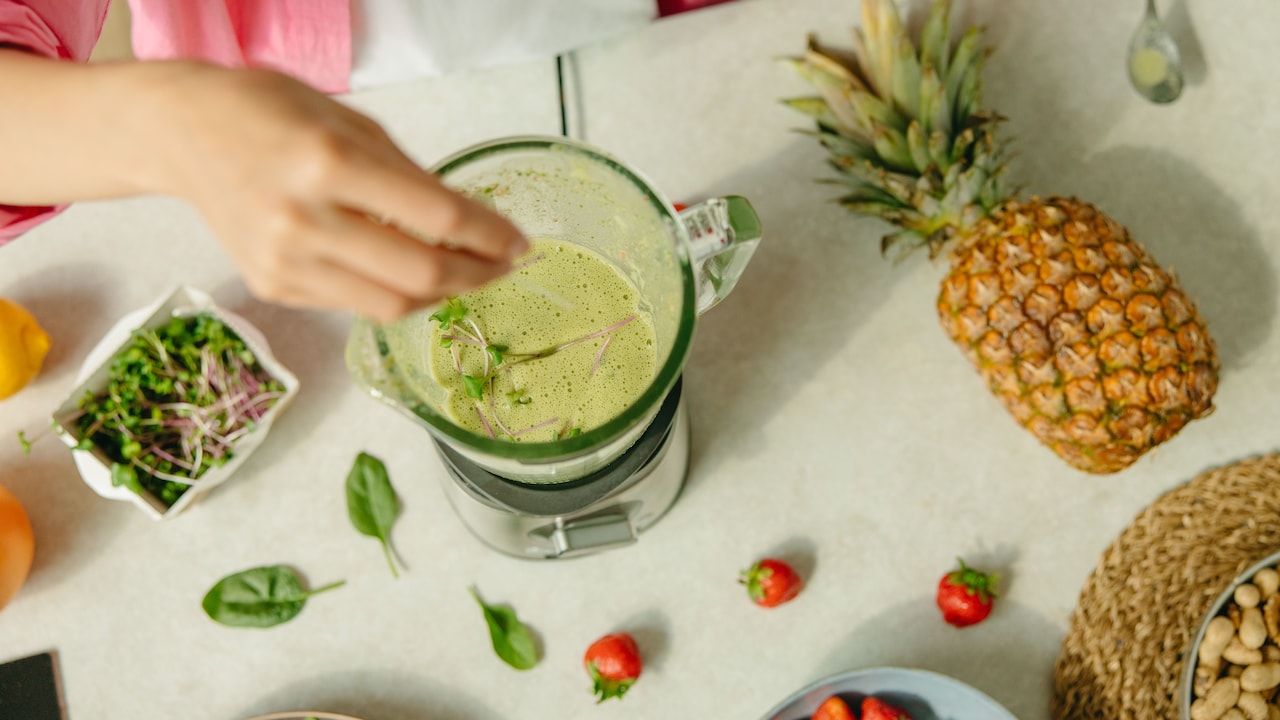
Why Your Juicer Filter Keeps Clogging And 10 Simple Ways To Fix It; Photo Credit: Pexels
What Keeps Blocking The Filter And How To Fix It
1. Cut Fibrous Ingredients Into Smaller Pieces
Celery, ginger, pineapple cores and certain leafy stalks contain long fibres that don't break apart as neatly as soft fruit flesh. Feed large pieces into a juicer and those fibres can wrap themselves around internal parts or settle across the filter mesh. Once that happens, incoming pulp has fewer places to go.
Smaller pieces make the juicer's job easier. Instead of pushing an entire celery stalk down the chute because it technically fits, cut it into short sections. Slice ginger rather than dropping in one thick knob. Tough greens can also benefit from chopping before juicing.
This doesn't mean reducing everything to tiny cubes. The aim is simply to shorten long fibres before they enter the machine.
Think of the filter openings as a row of small doorways. Short pieces can move through the processing system without much drama. Long, stringy fibres are more likely to lie across several doorways at once.
A little extra chopping before juicing can therefore save considerably more time than dismantling a pulp-packed machine afterwards.
2. Alternate Soft And Firm Ingredients
Ingredient order can make a surprisingly noticeable difference. Feeding several soft fruits one after another often creates thick pulp that spreads across the filter rather than moving efficiently towards the pulp container.
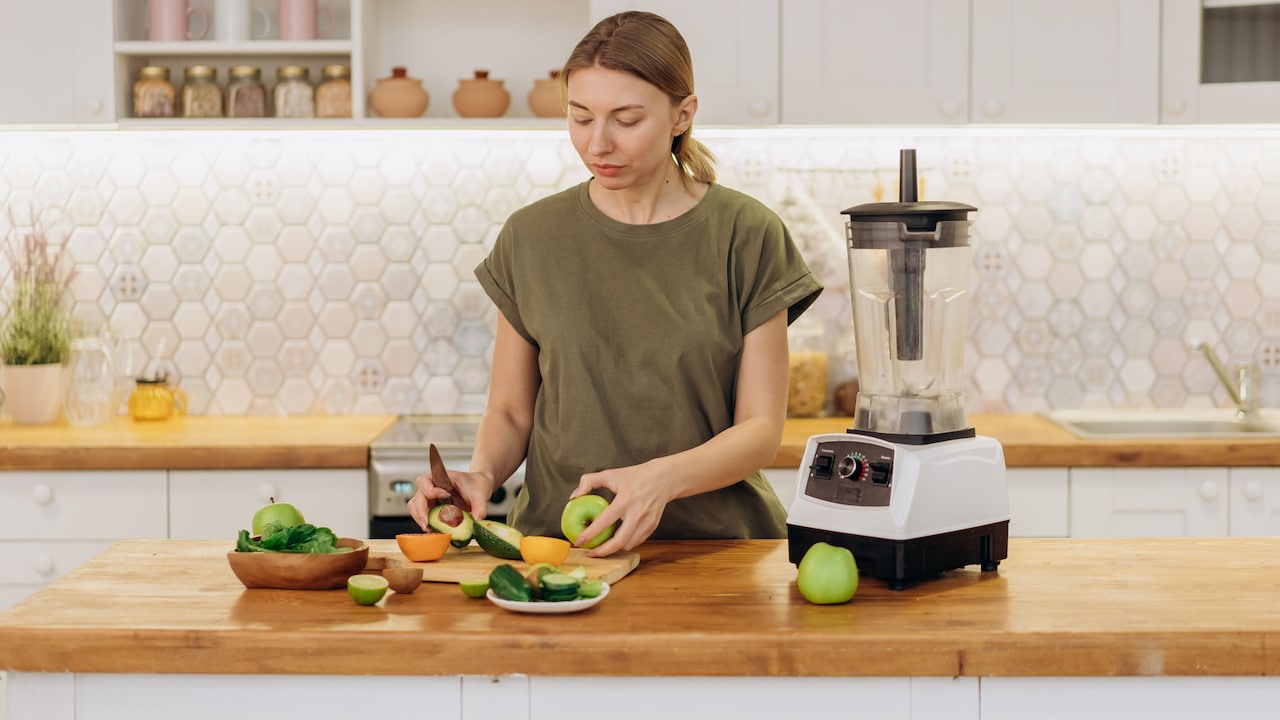
Consider a juice made with watermelon, orange, cucumber and carrot. Sending all the softer ingredients through first may leave a mushy layer behind. Following them with a firm carrot can help push some of that pulp along.
Alternating textures works particularly well when making mixed juices. Follow a soft ingredient such as a peeled orange with something firmer such as cucumber, apple or carrot. Then return to another softer ingredient if needed.
This rhythm prevents one particular texture from dominating the filter for too long.
However, don't treat harder ingredients like cleaning brushes. Their purpose isn't to scrape the machine clean. They simply create a different pulp consistency and may help keep material moving.
With a little experimentation, ingredient order stops feeling like an insignificant detail and starts becoming one of the easiest ways to prevent mid-juice interruptions.
3. Don't Push Produce Through Too Quickly
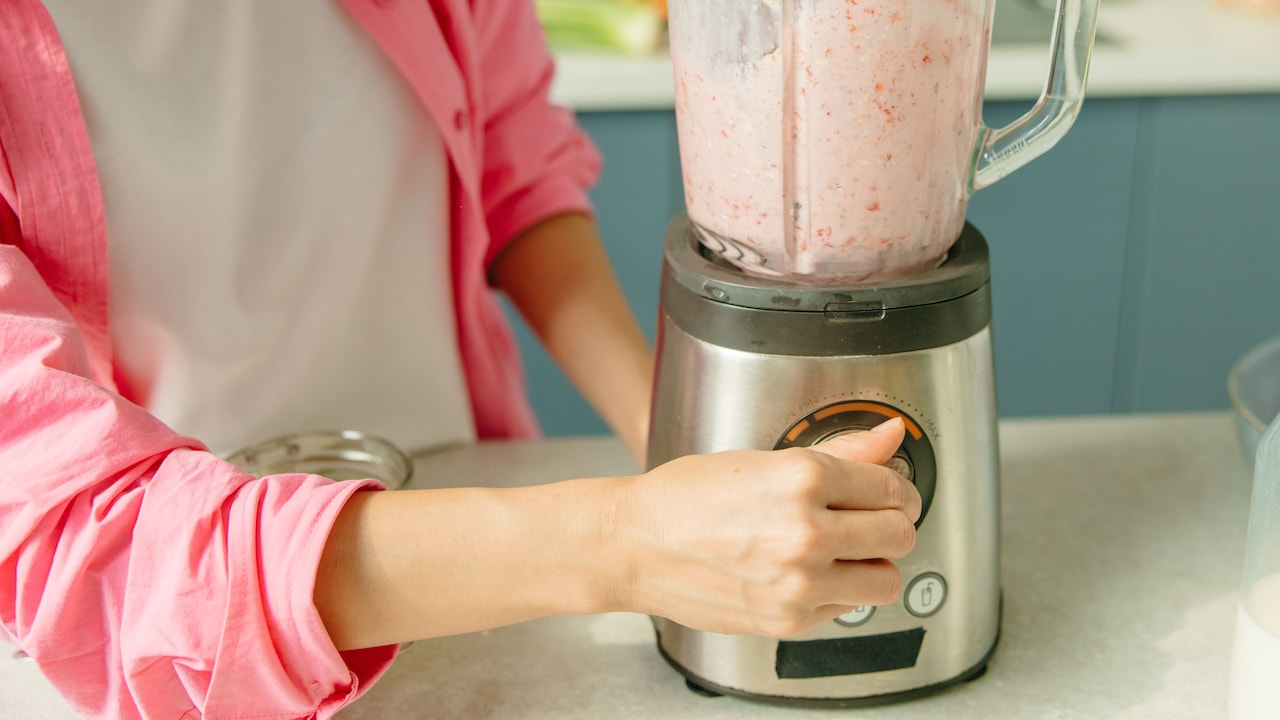
Morning hurry has a way of turning juicing into a competitive sport. One carrot goes in, then another, followed immediately by an apple and half a cucumber. The machine barely finishes processing one ingredient before the next arrives.
That pace can overwhelm the filter.
A juicer needs enough time to separate liquid from pulp and move the remaining fibre towards its waste outlet. When produce enters faster than the machine can process it, wet pulp builds up around the filter. Juice extraction slows, which often tempts us to push even harder. That only makes matters worse.
Instead, feed ingredients steadily and listen to the motor. Give each piece a moment to move through before adding the next one. If the machine sounds noticeably strained or the juice flow suddenly drops, stop feeding produce for a few seconds.
The goal isn't painfully slow juicing. It's controlled juicing.
Those few pauses rarely add much time to the routine, but they can prevent the much longer interruption of switching off the appliance, opening it and removing a fistful of trapped pulp.
Why Your Juicer Filter Keeps Clogging And 10 Simple Ways To Fix It; Photo Credit: Pexels
4. Be Careful With Very Soft Or Overripe Fruit
That extremely ripe mango or soft pear may seem perfect for juicing, but texture matters. As fruit ripens, its flesh becomes softer and more paste-like. Instead of producing free-flowing juice and relatively dry pulp, it may create a thick purée that coats the filter.
Bananas offer an extreme example. They're generally better suited to blending because their creamy flesh contains little free-running juice and can quickly clog many centrifugal juicers. Very soft mangoes, papayas and overripe pears can cause similar trouble depending on the appliance.
If a recipe includes softer produce, use smaller quantities and alternate it with ingredients that contain more water or have firmer flesh.
Another option is simple: blend ingredients that behave better in a blender. Not every fruit needs to pass through a juicer simply because we're making a drink.
Choosing the right appliance for the texture produces better results and means the juicer filter doesn't have to fight its way through what is essentially fruit paste.
5. Remove Tough Skins, Cores And Excessively Stringy Parts
Modern juicers can process plenty of produce with minimal preparation, but "can process" and "processes efficiently" aren't always the same thing.
Thick pineapple cores, tough citrus membranes, fibrous vegetable ends and particularly stringy stalks can create more pulp than useful juice. These pieces often travel through the machine poorly and may contribute to filter blockage.
Preparation doesn't need to become a lengthy ritual. Remove parts that are unusually tough, dry or stringy compared with the rest of the ingredient. Peel citrus when necessary and cut away damaged or woody sections of vegetables.
At the same time, avoid peeling everything automatically. Many edible skins can pass through compatible juicers without difficulty, and removing them unnecessarily creates more kitchen waste.
The manufacturer's instructions should guide what the specific model can handle.
A useful rule is to look at an ingredient before feeding it in. If a section feels significantly tougher or more fibrous than something we'd comfortably chew, the juicer may also appreciate having that section trimmed or chopped first.
6. Don't Overload The Pulp Container
Sometimes the filter isn't really the starting point of the blockage. The problem begins farther along the pulp route.
As a juicer extracts liquid, it needs somewhere to send the leftover solids. If the pulp container becomes overly full, newly separated pulp may struggle to leave the processing chamber. It can then collect near the filter, making it appear as though the mesh itself has suddenly failed.
This happens easily when making several glasses at once, particularly with ingredients such as carrots, beetroot and leafy vegetables that generate plenty of pulp.
Check the pulp container periodically rather than waiting until it resembles a compost mountain. Emptying it halfway through a large batch takes only a moment.
Also make sure the container sits correctly against the juicer. A poorly positioned container can interfere with the path that pulp should naturally follow.
This simple check is easy to overlook because our attention usually stays on the feeding chute and juice jug. Yet giving waste somewhere to go is just as important as giving juice somewhere to flow.
7. Rinse The Filter Between Large Batches
Making one glass of juice and making juice for an entire household aren't the same job. Even when the filter handles the first batch perfectly, microscopic pulp begins accumulating around its openings.
Continue feeding produce without a break and those small deposits eventually join forces.
For larger batches, pause once juice flow starts noticeably slowing. Switch off and unplug the machine before opening it. Remove the filter according to the manufacturer's instructions and rinse away accumulated pulp before continuing.
This isn't necessary after every apple or carrot. It becomes useful when processing a substantial quantity of produce or ingredients known to generate heavy pulp.
A quick mid-session rinse can also prevent the strange habit of increasing pressure on the pusher when juice output falls. Less juice doesn't necessarily mean the fruit suddenly contains less liquid. The filter may simply have fewer open holes available for extraction.
Cleaning for a minute in the middle of juicing can therefore be far less annoying than dealing with a thoroughly blocked filter at the end.
Why Your Juicer Filter Keeps Clogging And 10 Simple Ways To Fix It; Photo Credit: Pexels
8. Clean The Mesh Before Pulp Has Time To Dry
Fresh pulp is annoying. Dried pulp is stubborn.
Once tiny pieces of fruit and vegetable fibre dry inside a fine juicer filter, they can become surprisingly difficult to remove. A quick rinse hours later may make the filter look clean while numerous microscopic holes remain partially blocked.
That's why cleaning soon after juicing matters.
Once the appliance has been safely switched off and unplugged, remove washable components and rinse the filter before residue dries. Use the cleaning brush supplied with the machine when available. Gentle brushing helps dislodge pulp trapped inside the mesh.
Avoid attacking the filter with sharp objects. Poking blocked holes with knives, pins or other metal tools can damage the mesh and turn a cleaning problem into a replacement-part problem.
If immediate washing isn't practical, soaking compatible removable parts in water for a short period may help prevent residue from hardening.
The sink may look deeply unappealing after breakfast, but those extra two minutes of cleaning can make tomorrow's juice much easier.
9. Check For Mineral And Juice Residue On The Filter
Pulp isn't the only substance capable of reducing filter performance. Over time, mineral deposits and dried juice residue can create a thin film across the mesh.
This build-up may be difficult to spot. The filter can appear clean from a distance while its tiny openings gradually become narrower. Eventually, juice extraction seems slower even when using ingredients that previously caused no trouble.
Regular thorough cleaning helps prevent that gradual decline. Follow the appliance manufacturer's cleaning instructions, especially before using household cleaning ingredients or descaling methods. Filter materials and finishes differ between models, so a cleaning trick that suits one machine may not suit another.
Pay particular attention to filters that feel slightly rough, sticky or coated even after an ordinary wash.
Also inspect the mesh under good light. A genuinely clean filter should have visibly open perforations rather than patches that look cloudy or sealed.
Deep cleaning occasionally, rather than waiting for a serious blockage, keeps the filter working closer to the way it did when the juicer first left the box.
10. Know When The Filter Or Another Part Needs Attention
Not every blockage comes from carrots behaving badly.
If the juicer clogs repeatedly despite sensible ingredient preparation, slow feeding and thorough cleaning, inspect the appliance more closely. A damaged filter, incorrectly assembled component, blocked pulp outlet or worn internal part may interfere with normal extraction.
Stop using the appliance if the filter appears bent, cracked or otherwise damaged. A spinning component operates at considerable speed in some juicer designs, so improvising repairs isn't worth the risk.
Assembly matters as well. After washing several removable pieces, it's surprisingly easy to refit one component slightly incorrectly. The machine may still run, yet pulp and juice might not travel along their intended paths.
Reassemble the appliance according to its manual and check that every removable part sits securely.
If problems continue, manufacturer support or a qualified service professional can help identify mechanical issues.
Juicing should involve choosing fruit, not repeatedly performing kitchen engineering. When basic clog-prevention techniques stop helping, the machine itself deserves a closer look.
Products Related To This Article
1. Kuvings B1700 Dark Silver Cold Press Juicer for Home
2. Atomberg Althea Cold Press Juicer For Home
3. Philips HR1832/00 Centrifugal Juicer Fruits & Vegetables, 1.5L Capacity
4. Sujata Multimix Juicer Mixer Grinder|900 Watts Double Ball Bearing Motor
5. AGARO Regal Cold Press Juicer for Home
6. SOLARA Cold Press Juicer for Home With Automatic Fruit Cutting
7. Sujata Powermatic Maxima Juicer Mixer Grinder
A blocked juicer filter rarely needs an elaborate solution. Smaller pieces, sensible ingredient order, slower feeding and timely cleaning can solve many everyday problems. The biggest difference often comes from understanding how pulp moves through the machine rather than simply pushing harder when juice stops flowing. Treat the filter gently, keep its mesh genuinely clean and give tough ingredients a little preparation. The reward is simple: more juice in the glass, less pulp stuck where it shouldn't be, and a morning routine that feels considerably less like appliance maintenance.
(Disclaimer: This article may include references to or features of products and services made available through affiliate marketing campaigns. NDTV Convergence Limited (“NDTV”) strives to maintain editorial independence while participating in such campaigns. NDTV does not assume responsibility for the performance or claims of any featured products or services.)