10 Microwave Mistakes That Turn Leftover Rice Tough, Chewy Or Unevenly Hot
Leftover rice can taste soft and fresh again. Avoid these common microwave mistakes to prevent dry grains, stubborn clumps, cold patches and an unpleasant chewy texture.

Expert tips to reheat rice in a microwave
Leftover rice often begins with good intentions. Last night's pulao, biryani or plain steamed rice goes into the fridge, ready to rescue the next day's lunch. Then the microwave gets involved. A few minutes later, the bowl contains a strange mix of scorching-hot edges, cold clumps and grains tough enough to challenge a molar. The microwave usually gets blamed, but the appliance isn't the real villain. Refrigerated rice naturally loses moisture as its starch changes structure. Reheating must introduce enough moisture while distributing heat evenly. The container, portion size and power setting also shape the result.
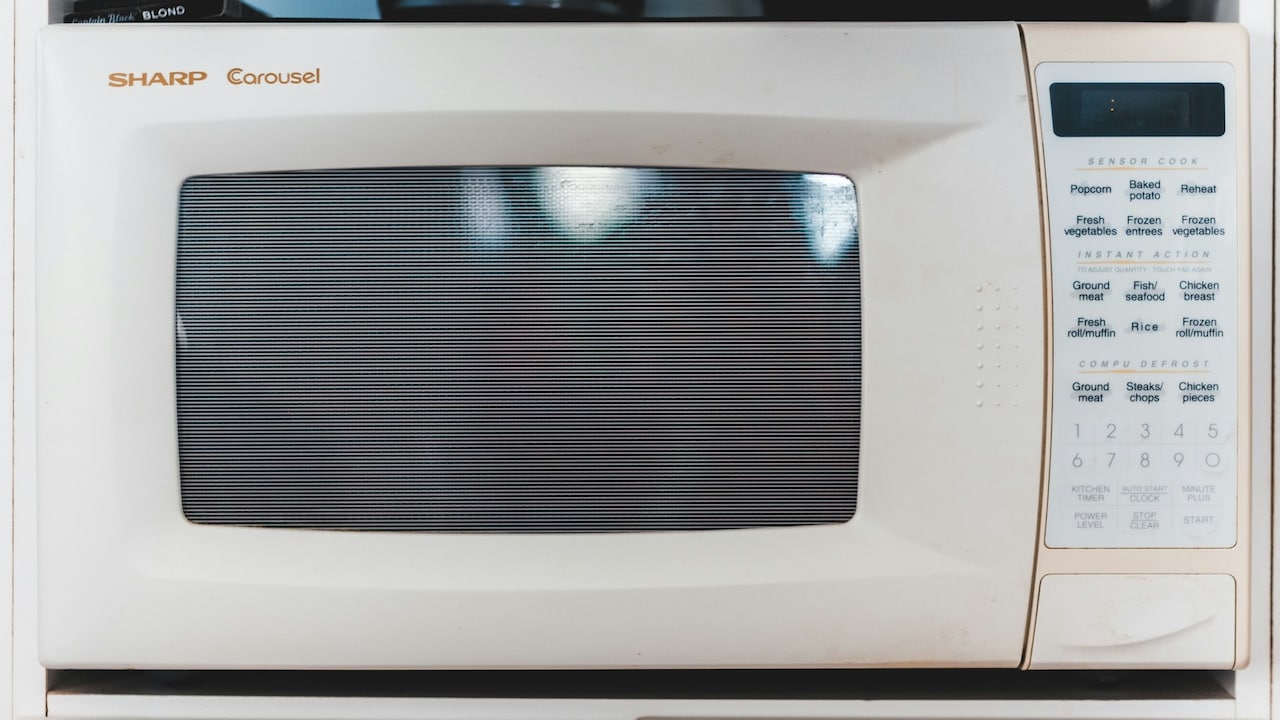
Best tips and tricks to reheat rice in a microwave
Photo Credit: Unsplash
Food safety matters just as much as texture. Cooked rice can harbour heat-resistant bacterial spores. Leaving it at room temperature for too long gives those spores a chance to multiply and produce toxins. Quick cooling, prompt refrigeration and thorough reheating make leftovers safer and more enjoyable. So, before turning yesterday's jeera rice into today's disappointment, check for these ten common mistakes.
Also Read: Enjoy Warm Meal Everytime: Explore Top 5 Microwaves Suitable For Indian Cuisine
10 Rice-Reheating Mistakes To Avoid For Softer, Evenly Heated Results
Mistake 1: Leaving Cooked Rice Out For Too Long
The first mistake often happens hours before anyone presses the microwave button. A large vessel of rice may sit on the dining table after dinner while everyone chats, clears the kitchen or debates who should pack the leftovers. During that time, the rice stays in a temperature range where bacteria can multiply quickly.
Cooked rice can contain spores of Bacillus cereus, a bacterium associated with food poisoning. Cooking may not destroy every spore. If rice remains at room temperature for too long, the bacteria can grow and produce toxins. Reheating may kill some bacteria, but it may not remove every toxin already formed.
Refrigerate leftover rice promptly, preferably within an hour after the meal and certainly within two hours. Transfer it to a shallow container so it cools faster instead of keeping it in a deep, steaming handi. Avoid placing a large quantity of piping-hot rice in one tightly sealed box. Divide it into smaller portions first. When in doubt about rice that has spent several hours outside, discard it. No plate of fried rice deserves a stomach ache as its side dish.
Mistake 2: Refrigerating Rice In One Dense, Sticky Mass
Scooping hot rice into a deep container and pressing it down may save refrigerator space, but it creates problems later. A tightly packed block cools slowly in the centre. Once chilled, it also becomes difficult to reheat evenly. The outer grains turn hot and dry while the middle remains cold and stubbornly clumped.
Spread the rice in a shallow container before refrigerating it. Loosen the grains gently with a fork or flat spoon rather than compressing them. A thinner layer allows heat to escape quickly, which supports safer storage. It also prevents excess steam from becoming trapped inside the container and creating soggy patches.
If the rice has already hardened into a solid mass, break it apart before microwaving. Use clean fingers, a fork or the back of a spoon. Don't wait for microwave heat to separate everything. Dense clumps block steam and keep their centres cool.
This small preparation step makes an enormous difference. Loose grains absorb added moisture more evenly, heat faster and regain a softer texture. Think of it as giving every grain some breathing room rather than sending the entire batch into the microwave as one refrigerated brick.
Mistake 3: Reheating Rice Without Adding Moisture
Cold rice looks dry because it genuinely has less available moisture than it did after cooking. During refrigeration, starch molecules rearrange and firm up. Some water also evaporates. Microwaving the rice without replacing any moisture simply makes those firm grains hotter, not softer.
Sprinkle a little water over the rice before reheating. Around one tablespoon for each cup usually works, although very dry rice may need slightly more. The aim isn't to soak it. Too much water can turn the bottom of the bowl mushy while the top remains firm.
For flavoured rice, choose the liquid carefully. A spoonful of water suits almost everything. Light stock can refresh pulao, while a small splash of coconut milk may complement coconut rice. Avoid adding a large amount of oil or ghee as a substitute for water. Fat adds richness and helps separate grains, but it cannot produce the steam required to soften them.
Distribute the water across the surface instead of pouring it into one spot. Once covered, the moisture turns into steam and moves through the rice. That gentle steam does the real repair work, restoring tenderness without reducing lunch to a bowl of wet paste.
Mistake 4: Microwaving Rice Without A Cover
An uncovered bowl allows precious steam to escape. As the microwave heats the rice, moisture rises from the grains and disappears into the appliance. The exposed surface dries first, leaving crisp edges and leathery grains even when the middle feels acceptably warm.
Cover the bowl with a microwave-safe lid, plate or vented cover. A damp paper towel can also help, provided it doesn't contain metallic decoration or unsuitable printing. The cover traps steam around the rice and creates a warm, humid environment. That moisture softens the grains while the heat spreads through the portion.
Don't seal the container completely unless its design specifically allows microwave use with the lid secured. Steam needs a small escape route. Leave the lid slightly ajar or open its vent to prevent pressure from building.
A cover also protects the inside of the microwave from oily splashes when reheating biryani, fried rice or masala rice. That means softer leftovers and less scrubbing afterwards, a fairly convincing double victory. Just take care when removing the lid. Hot steam can rush upwards, so lift the side facing away from the hands and face first.
Mistake 5: Using A Bowl That Is Too Deep Or Too Small
Container shape can decide whether the rice heats evenly. A deep, narrow bowl forces the grains into a thick layer. Microwave energy reaches some areas more effectively than others, so the edges may become piping hot while a chilly centre survives underneath.
Use a wide, shallow, microwave-safe dish whenever possible. Spread the rice into an even layer rather than piling it into a mound. If reheating a generous amount, create a small gap in the centre. Arranging the rice in a ring helps heat reach more of the food instead of concentrating on the outer edges.
Avoid overfilling the dish. There should be enough room to stir the rice without sending grains across the microwave turntable. A larger container also gives steam space to circulate beneath the cover.
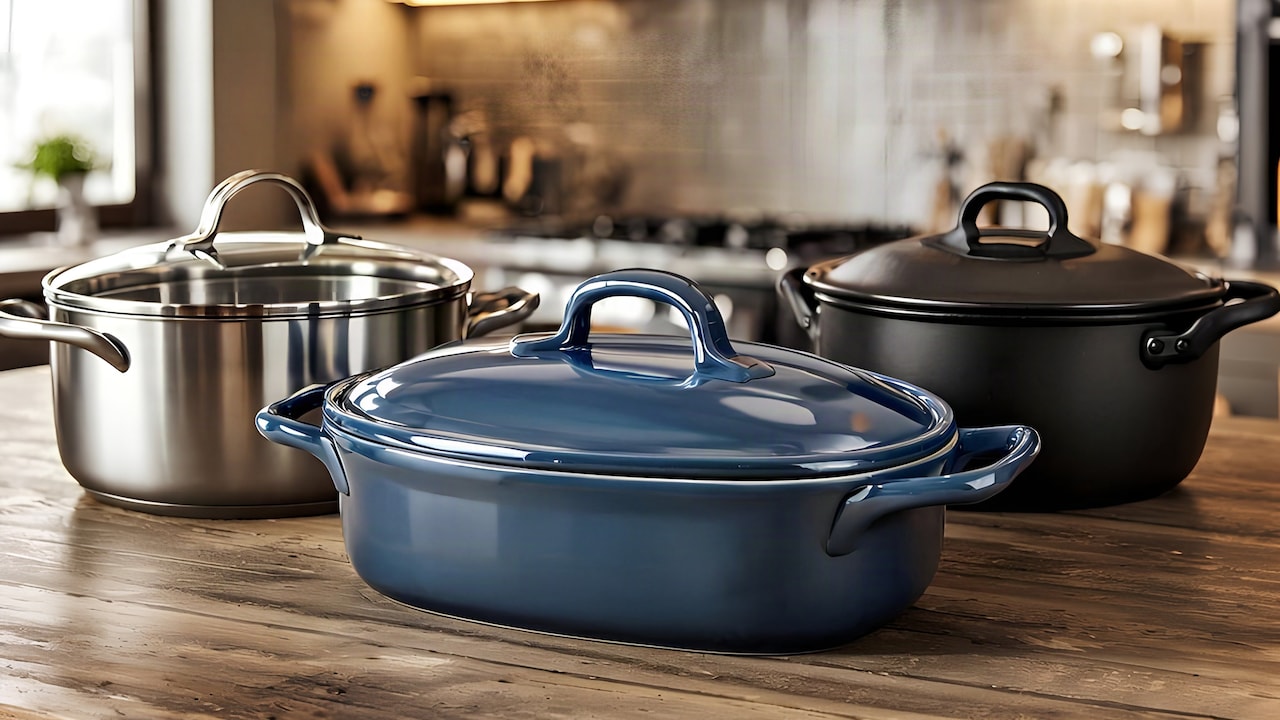
Glass and microwave-safe ceramic dishes work well because they handle heat without warping. Some plastics may stain, retain strong masala aromas or become damaged at high temperatures. Always check the microwave-safe marking.
The favourite little katori may look convenient, but it isn't the best choice for two cups of packed rice. Give the leftovers a little more space, and they'll repay the favour with fewer cold surprises.
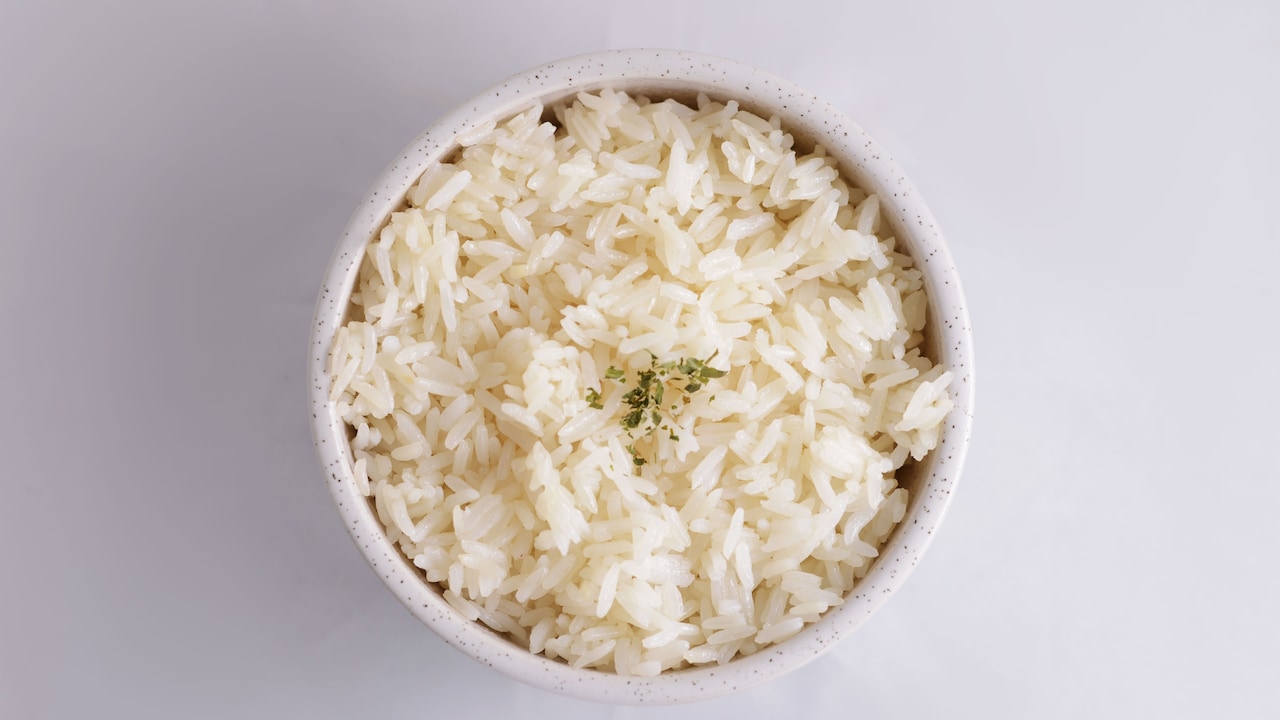
Using a bowl which is too deep or shallow may not heat rice the best way
Photo Credit: Pexels
Mistake 6: Heating A Large Portion In One Go
Trying to reheat an entire family-sized container at once seems efficient. In practice, it often produces a steaming perimeter around a cold centre. The microwave heats food unevenly, and a large quantity makes those variations more pronounced.
Reheat only the amount needed for the meal. Divide a big batch into smaller portions and warm them separately. A thinner layer heats faster and requires fewer repeated cycles, which reduces the risk of drying out the rice. It also helps avoid reheating the same leftovers several times.
When a larger serving must go into the microwave, pause midway and stir thoroughly. Move rice from the cooler centre towards the outside and bring the hotter edges inward. Break up any remaining clumps, add another teaspoon of water if the grains still look dry, then cover the dish again.
Batching may take an extra minute or two, but it usually saves the meal. Continually extending the timer on a huge bowl won't guarantee even heat. It simply punishes the grains that became hot first. By the time the centre warms through, the outer rice may have developed the texture of yesterday's papad.
Mistake 7: Using Full Power From Start To Finish
Maximum power feels like the quickest route to lunch, especially when hunger has already turned the kitchen into a place of emotional urgency. Yet blasting cold rice at full power for several minutes can overheat the edges before moisture and heat reach the centre.
A medium or medium-high setting gives the steam more time to move through the grains. For one cup of rice, start with a short cycle of roughly one minute, stir and then continue in intervals of 20 to 30 seconds. Microwave wattages differ, so treat timings as a guide rather than a fixed law.
If the appliance has a reheat setting, it may work well for plain rice. Flavoured dishes containing vegetables, paneer, egg or meat still need careful stirring because their components heat at different speeds.
Short intervals also make it easier to stop at the right moment. Rice continues to steam briefly after the microwave stops. Heating until every grain appears aggressively hot can push it past soft and into rubbery territory.
Patience sounds slightly ridiculous when the task involves a microwave, but slower heating often takes barely another minute. That minute can separate fluffy rice from an edible kitchen sponge.
Mistake 8: Skipping The Midway Stir
A rotating turntable improves heat distribution, but it doesn't guarantee an evenly heated meal. Microwave energy still creates hot and cool zones. Rice clumps make matters worse by preventing heat and steam from reaching their centres.
Pause the microwave halfway through reheating and stir the rice from top to bottom. Scrape the edges, lift the grains from the base and redistribute everything across the dish. Break apart clumps gently rather than crushing them into a sticky mash.
This step matters even more with biryani or pulao. Large pieces of potato, vegetables, paneer, chicken or meat may remain cold while nearby rice becomes extremely hot. Turn these pieces and distribute them throughout the dish. If any large portion still feels chilled, give it more time after stirring.
Don't judge the temperature by touching one patch or watching steam rise from the surface. Steam can appear while a dense pocket underneath remains cool. After the final cycle, check several areas, especially the centre and bottom.
Stirring isn't an unnecessary interruption. It is the closest thing the microwave has to a proper remix, ensuring that one spoonful doesn't burn the tongue while the next feels fresh from the fridge.
Mistake 9: Reheating Rice Again And Again
A container comes out for lunch, half goes back into the refrigerator and the same process repeats at dinner. This habit affects both safety and texture. Each cycle moves the rice through different temperatures, while repeated heating drives out more moisture.
Portion the rice before reheating and return the untouched portion to the refrigerator immediately. Warm only what will be eaten. This keeps the remaining rice cold, reduces unnecessary handling and protects it from repeated temperature changes.
Repeated microwave cycles also make rice increasingly tough. Added water may disguise the dryness for a while, but it cannot completely restore grains that have undergone several rounds of cooling and heating. Delicate varieties can become sticky, while long-grain rice may split or harden.
As a sensible rule, reheat rice only once and make sure it becomes steaming hot throughout. Eat it straight away rather than leaving the warm bowl on the counter for another round later.
Good portioning prevents waste without gambling on food quality. Use smaller containers when storing leftovers, especially if different family members eat at different times. That way, nobody needs to warm an oversized box merely to serve one modest plate.
Mistake 10: Serving Rice The Moment The Microwave Stops
The final beep creates an understandable urge to grab the bowl and start eating. However, letting rice rest under its cover for a minute or two can improve the result significantly. During this short pause, trapped steam continues to soften firmer grains and residual heat spreads through cooler sections.
Once rested, remove the cover carefully and fluff the rice with a fork. Fluffing releases excess steam and separates grains without smashing them. If the rice still looks slightly dry, mix in a few drops of water and heat it for another short interval. If it feels too moist, leave it uncovered for a minute before serving.
This is also the moment to refresh flavour. A small spoonful of ghee can revive plain rice. A squeeze of lemon may brighten pulao, while chopped coriander can make reheated rice feel less like a reluctant leftover. Additions should complement the dish rather than mask questionable freshness.
Resting cannot correct unsafe storage or rescue spoiled rice. If the leftovers smell unusual, look slimy or have spent too long at room temperature, discard them. When the rice has been stored safely, though, this brief pause brings the reheating process to a far more satisfying finish.
Products Related To This Article
1. Panasonic 25L Solo Microwave Oven
2. Midea 20L Solo Microwave Oven | 5 Power Levels
3. IFB 24L Solo Microwave Oven with 69 Auto Cook Menus
4. Godrej 20 L with 5 Years Comprehensive Warranty Multi Distribution System
5. Samsung 28L, Convection Microwave Oven with Curd Making
6. iBELL WAVE10 OTG Oven – 10L Compact Design
7. Panasonic 20L Solo Microwave Oven
Good reheated rice depends on three things: safe storage, enough moisture and evenly distributed heat. Cool leftovers promptly, store them in shallow portions and reheat only what the meal requires. Add a little water, cover the dish, stir midway and allow a brief rest. With these simple changes, yesterday's rice can return soft, fragrant and ready for another round, not dry, chewy or suspiciously cold in the middle.
(Disclaimer: This article may include references to or features of products and services made available through affiliate marketing campaigns. NDTV Convergence Limited (“NDTV”) strives to maintain editorial independence while participating in such campaigns. NDTV does not assume responsibility for the performance or claims of any featured products or services.)