Why Some Utensils Don't Work On Induction Cooktops And How To Choose The Right Ones
Induction cooktops need specific cookware to work effectively. Some utensils fail due to lack of magnetic properties. This guide explains why induction stoves reject certain pots and how to choose compatible cookware.
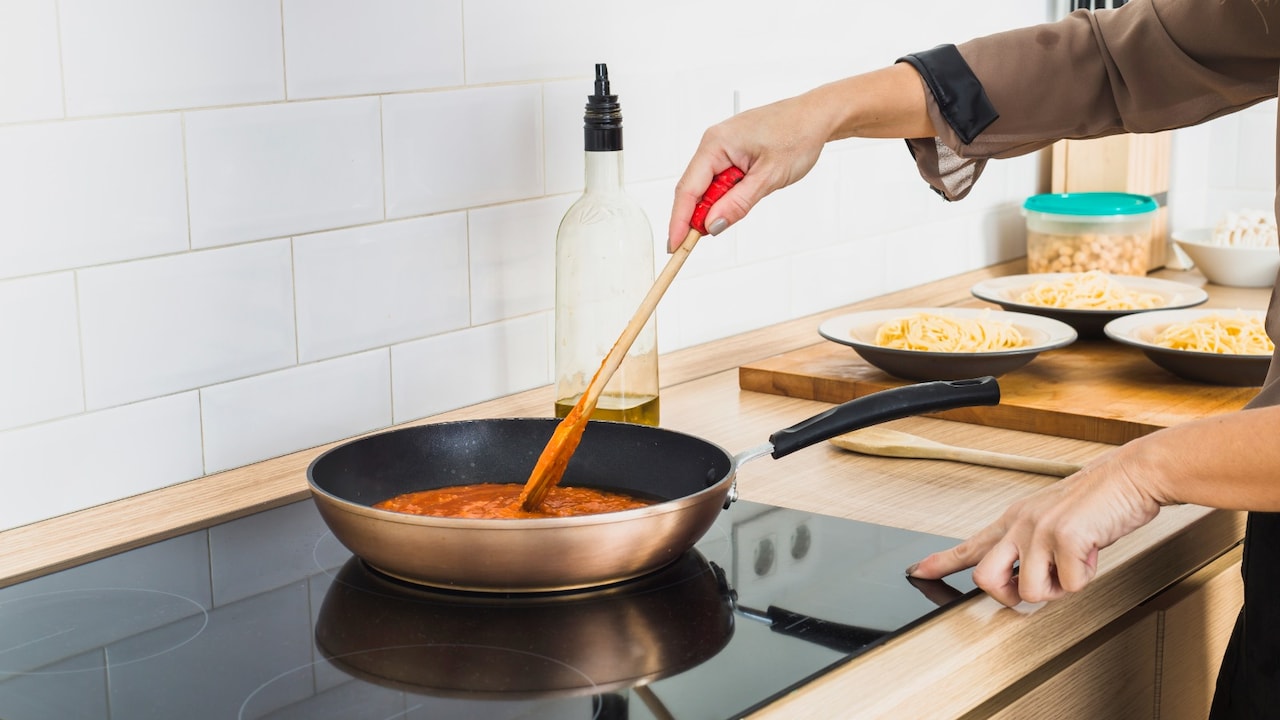
Induction Cooktop Compatibility: Some Utensils Dont Work On Induction Stoves, Know Why.
The first encounter with an induction cooktop often feels magical. Place a pan, press a button, and the heat appears almost instantly. No flames. No red-hot coils. Just swift, silent cooking. However, the magic fades quickly when a beloved pressure cooker or old kadai refuses to heat up. Confusion follows. After all, a pan is a pan, right?
Not quite. Induction cooking runs on a completely different principle compared to gas or electric stoves. It does not heat the surface. It heats the utensil itself. That simple shift explains why some cookware works beautifully while others sit there like stubborn guests at a dinner party.
Understanding this difference saves money, time, and frustration. It also helps make smarter choices while shopping for utensils or upgrading a kitchen. From steel and cast iron to aluminium and glass, every material behaves differently on induction. Let's dive into the reasons behind this selective behaviour and clear the smoke around induction compatibility.
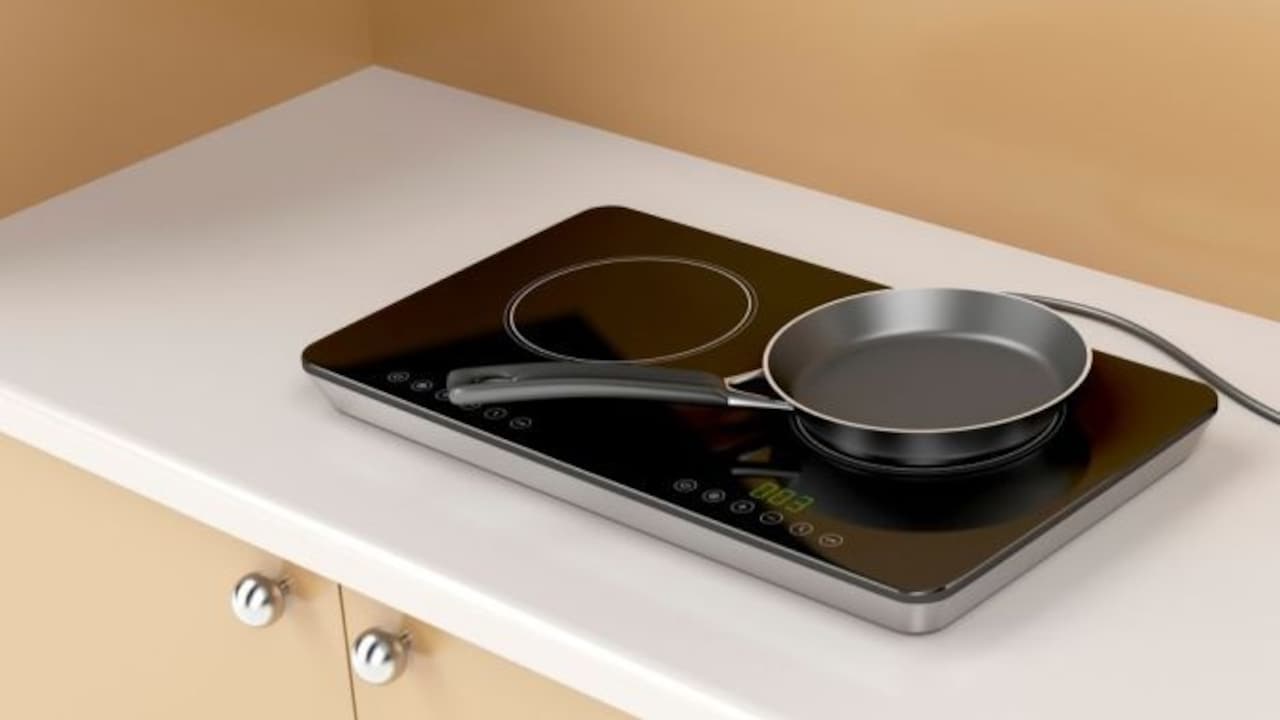
Induction Cooktop Compatibility Explained: Why Some Utensils Don't Heat; Photo Credit: Pexels
Understanding Why All Cookware Is Not Induction-Friendly
1. How Induction Cooking Actually Works
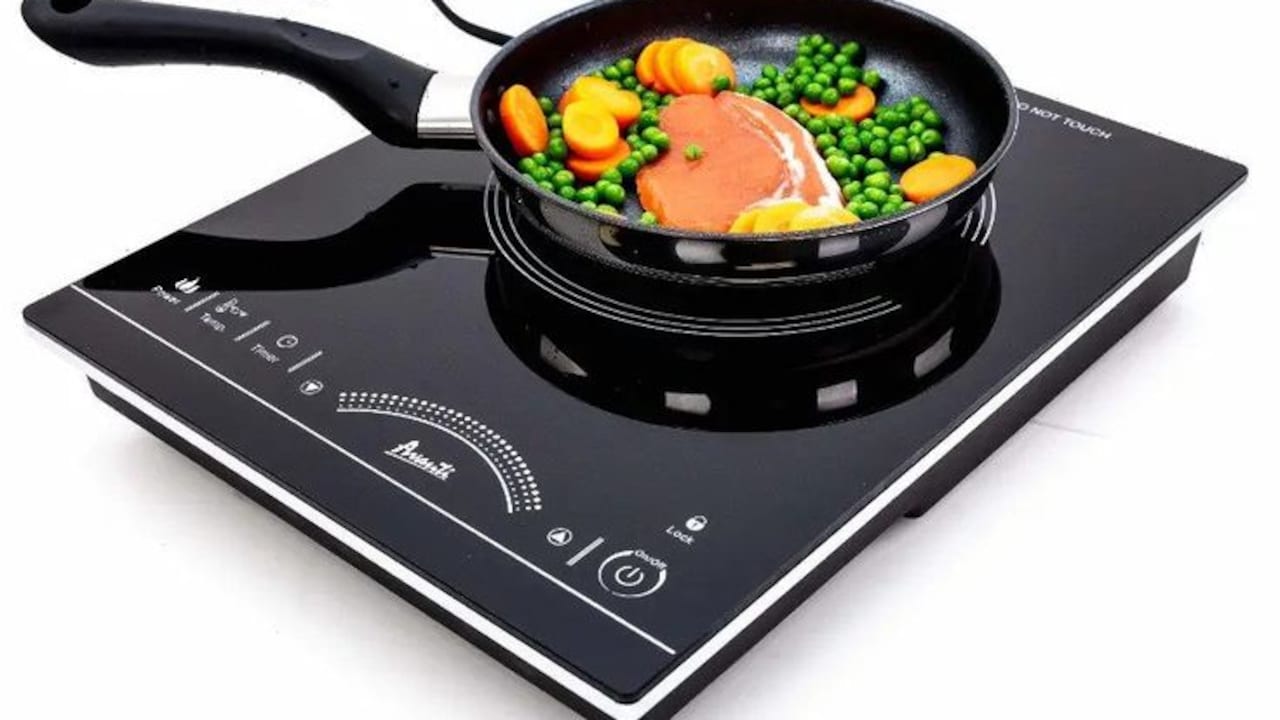
Induction cooktops rely on electromagnetism rather than direct heat. Beneath the sleek glass surface lies a copper coil. When switched on, electricity flows through this coil and creates a magnetic field. This field interacts directly with the base of the utensil placed on top.
Here's the twist. Heat forms only when the utensil contains ferromagnetic material. The magnetic field causes the metal's molecules to vibrate rapidly, producing heat from within. The cooktop surface stays relatively cool, while the pan heats up fast.
This process explains the speed and efficiency of induction cooking. It also explains the fussiness. Without magnetic properties, the utensil remains cold, no matter how long it sits on the cooktop.
That is why induction does not behave like a gas, where flames heat anything placed above them. Think of induction as a conversation. If the utensil does not speak the right magnetic language, the cooktop refuses to respond.
2. Why Some Utensils Simply Don't Respond
Many households own cookware collected over the years. Some pieces come from wedding gifts, others from local markets, and a few from supermarket discounts. Not all of them suit induction.
Utensils made entirely from aluminium, copper, glass or ceramic lack magnetic properties. When placed on an induction cooktop, they fail to trigger the magnetic reaction needed for heating. The cooktop often beeps or switches off automatically, leading to disappointment.
Even some stainless steel utensils confuse. Stainless steel comes in different grades. Only those with enough iron content work on induction. Shiny appearance alone does not guarantee compatibility.
This selective behaviour often feels unfair at first. Yet, it serves a purpose. Induction cooktops aim for efficiency and safety. Heating only compatible utensils reduces energy waste and prevents accidental burns from hot surfaces.
Understanding this helps avoid blaming the cooktop when the real issue lies at the base of the pan.
Also Read: Why Induction Cooktops Are The Future Of Home Kitchens: Benefits And Considerations
3. The Magnet Test: A Simple Kitchen Hack
Before replacing half the kitchenware, try a simple test. Grab a fridge magnet and stick it to the bottom of the utensil. If the magnet clings firmly, the utensil will most likely work on induction. If it slides off or refuses to stick, induction will ignore it too.
This quick check saves unnecessary purchases and awkward returns. Many experienced cooks rely on this trick while shopping or sorting through old cookware.
However, magnet attraction alone does not guarantee perfect performance. The base also needs to be flat and thick enough for even heating. Thin bases may heat unevenly, leading to burnt rotis or scorched gravies.
Still, the magnet test remains a reliable first filter. It turns a confusing technical concept into an easy household check, proving that smart cooking does not always require fancy tools.
4. Stainless Steel: Friend or Foe?
Stainless steel enjoys a strong reputation in modern kitchens. It looks sleek, lasts long and resists rust. Yet, not every stainless steel utensil suits induction cooking.
The secret lies in composition. Stainless steel with a magnetic base works well on induction. Many manufacturers now add an iron layer at the bottom to ensure compatibility. Utensils labelled as “induction-friendly” usually include this feature.
Problems arise with older or premium stainless steel cookware designed for gas stoves. These may use non-magnetic alloys that resist corrosion better but fail the induction test.
Another factor involves heat distribution. Stainless steel alone does not conduct heat evenly. Many induction-compatible steel utensils include an aluminium or copper core sandwiched between steel layers. This combination ensures faster and more uniform cooking.
So, stainless steel can act as a loyal ally or a silent saboteur, depending on its build.
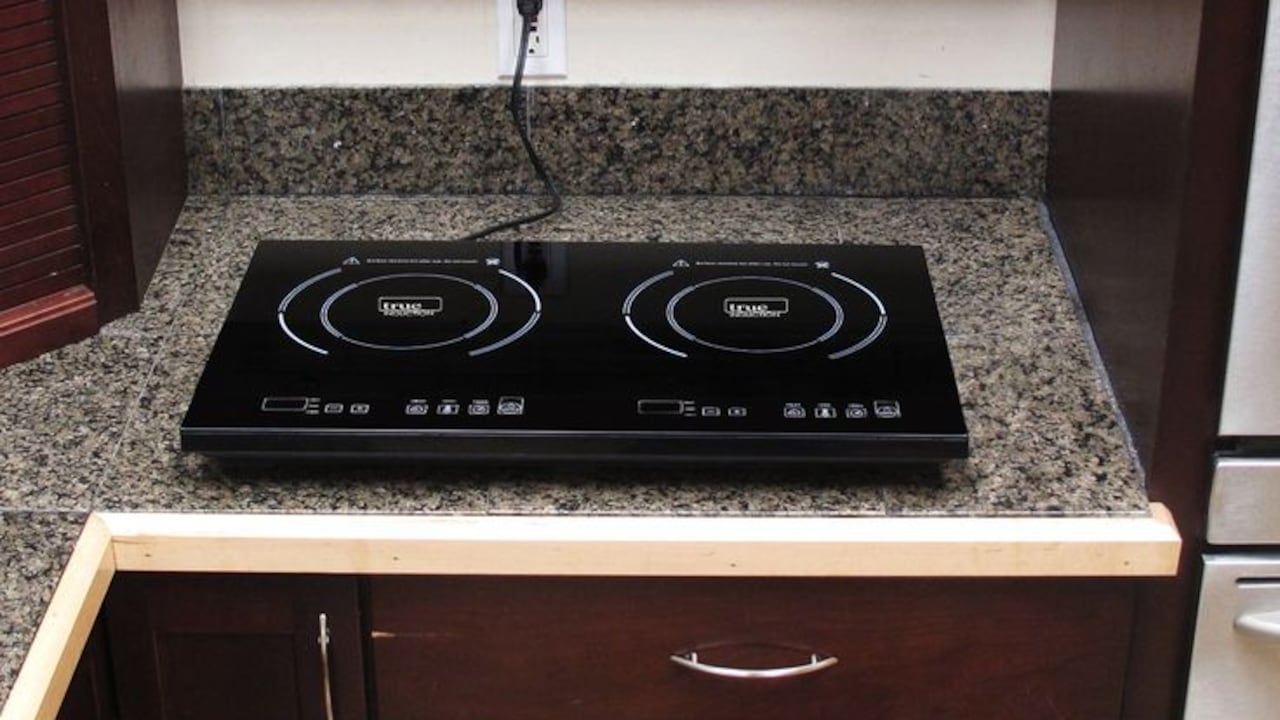
Induction Cooktop Compatibility Explained: Why Some Utensils Don't Heat; Photo Credit: Pexels
5. Aluminium and Copper: Great Conductors, Wrong Language
Aluminium and copper enjoy praise for excellent heat conduction. They heat quickly and distribute warmth evenly, making them favourites for traditional cooking.
However, induction cooktops demand magnetism, not conductivity. Aluminium and copper lack the required magnetic properties. As a result, pure aluminium or copper utensils remain useless on induction surfaces.
Some modern cookware solves this issue by adding a magnetic steel plate at the base. These hybrid utensils work on induction while retaining the benefits of aluminium or copper inside.
Without this added layer, no amount of wishful thinking will help. The cooktop simply does not recognise the utensil.
This often surprises home cooks who expect premium copper-bottomed pans to outperform others. On induction, price and shine matter less than material science.
6. Cast Iron: Heavyweight Champion of Induction
Cast iron feels almost tailor-made for induction cooking. It contains high iron content and responds beautifully to magnetic fields. Place a cast-iron tawa on an induction cooktop, and it heats up quickly and evenly.
Its thick base retains heat well, making it ideal for slow cooking, crisp dosas and searing vegetables. Once hot, cast iron maintains temperature even when ingredients get added.
The only drawback involves weight and maintenance. Cast iron utensils feel heavy and require seasoning to prevent rust. Dropping one on a glass induction surface could also cause damage.
Despite these concerns, cast iron remains one of the most reliable and efficient options for induction cooking. Many cooks rediscover traditional cast iron cookware after switching to induction, blending old wisdom with modern technology.
7. Flat Base Matters More Than Expected
Induction cooktops demand close contact between the utensil base and the surface. A warped or curved bottom disrupts the magnetic field and reduces heating efficiency.
Many older utensils develop slight bulges or uneven bases after years on gas stoves. These imperfections often go unnoticed until induction enters the picture.
A flat base ensures uniform heat distribution and stable placement. Without it, the cooktop may detect poor contact and shut off mid-cooking, leading to half-cooked meals and raised eyebrows.
Checking the base before use helps avoid these surprises. Place the utensil on a flat counter and see if it rocks. If it does, induction performance will likely suffer.
This requirement may feel strict, but it ensures safety and efficiency. Stable cookware reduces spillage risks and ensures consistent cooking results.
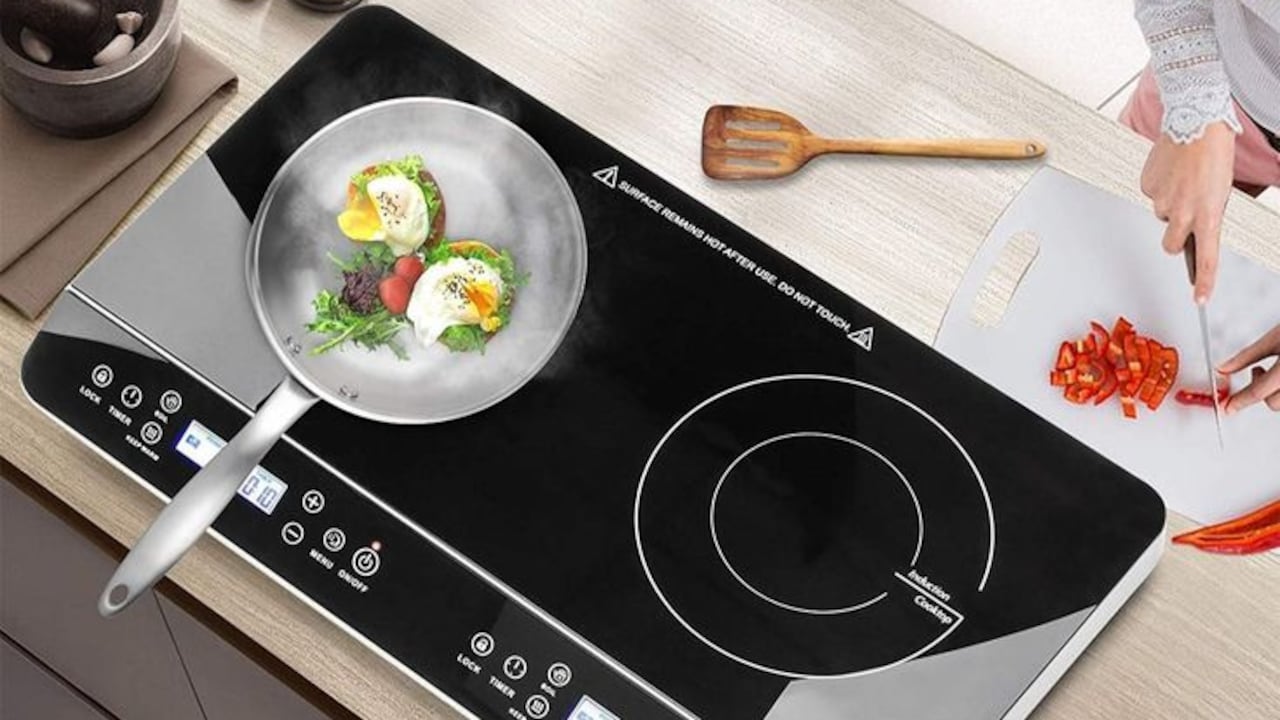
Induction Cooktop Compatibility Explained: Why Some Utensils Don't Heat; Photo Credit: Pexels
8. Size Sensitivity and Sensor Behaviour
Induction cooktops come with built-in sensors designed to detect compatible cookware. These sensors also check size. If the utensil base remains too small or fails to cover the marked cooking zone, the cooktop may refuse to heat.
This feature prevents energy waste and overheating. However, it can frustrate users trying to heat small tadka pans or tiny milk vessels.
Using cookware that matches the cooking zone size ensures smooth operation. Some cooktops allow flexibility, while others stick firmly to sensor rules.
Understanding this behaviour helps avoid unnecessary service calls. The cooktop often works perfectly; it simply follows programmed safety measures.
Once familiar with these quirks, users adapt quickly, choosing suitable utensils for each cooking task without second-guessing the appliance.
9. Labels, Symbols and Smart Shopping Choices
Modern cookware often carries symbols indicating induction compatibility. A small coil-like icon at the bottom usually signals suitability.
Reading labels carefully saves money and effort. Induction-compatible utensils may cost slightly more, but they offer long-term value through efficiency and durability.
Local markets also stock suitable options, though verification remains important. Asking sellers about induction compatibility and performing the magnet test on the spot helps avoid regrets later.
Mixing old and new cookware also works. There's no need to discard everything at once. Gradual replacement feels lighter on the wallet and allows time to discover preferred materials.
Smart shopping turns induction cooking from a source of confusion into a smooth, satisfying experience.
10. Common Myths Around Induction Compatibility
Several myths surround induction cooktops. One popular belief claims induction ruins utensils. In reality, it heats more evenly and reduces flame damage.
Another myth suggests that only expensive cookware works on induction. Truthfully, many affordable options perform just as well, provided they meet magnetic requirements.
Some believe induction cooking alters taste. The cooktop does not influence flavour. Heat control and cookware quality matter far more.
Clearing these misconceptions helps build confidence. Induction cooking thrives on understanding rather than fear. Once myths fade, the focus returns to enjoying quick meals and easy clean-ups.
Knowledge transforms induction from a mysterious appliance into a reliable kitchen partner.
Products Related To This Article
1. Philips Viva Collection HD4928/01 2100-Watt Induction Cooktop
2. Prestige PIC 20 1600 Watts Induction Cooktop | 4KV Surge Protection
3. Hafele Magnechef Induction Cooktop
4. Cadlec CookEase 2000W Induction Cooktop | 8 Cooking Modes
5. Hawkins Futura Dual Hob Induction Cooktop
Induction cooktops represent a smart shift in everyday cooking. They offer speed, safety, and efficiency, but they also demand the right companions in the form of compatible utensils.
When certain pots and pans fail to work, frustration often masks a simple scientific reason. Induction relies on magnetism, not flames. Understanding this unlocks the logic behind compatibility issues.
With simple tests, mindful shopping, and awareness of materials, induction cooking becomes seamless. Old favourites may need replacement, but discoveries await, too.
Once the learning curve flattens, induction cooktops reward users with consistent results and quieter kitchens. Compatibility stops being a hurdle and turns into a helpful guide, leading to better cooking experiences, one pan at a time.
(Disclaimer: This article may include references to or features of products and services made available through affiliate marketing campaigns. NDTV Convergence Limited (“NDTV”) strives to maintain editorial independence while participating in such campaigns. NDTV does not assume responsibility for the performance or claims of any featured products or services.)