Why Some Air Fryers Make Frozen Fries Soggy Instead Of Crispy: Top Tips To Get Crispy Fries
Frozen fries turning soggy in the air fryer? From overcrowded baskets to wrong temperatures, these simple tips will help you get crispy, golden fries every single time.
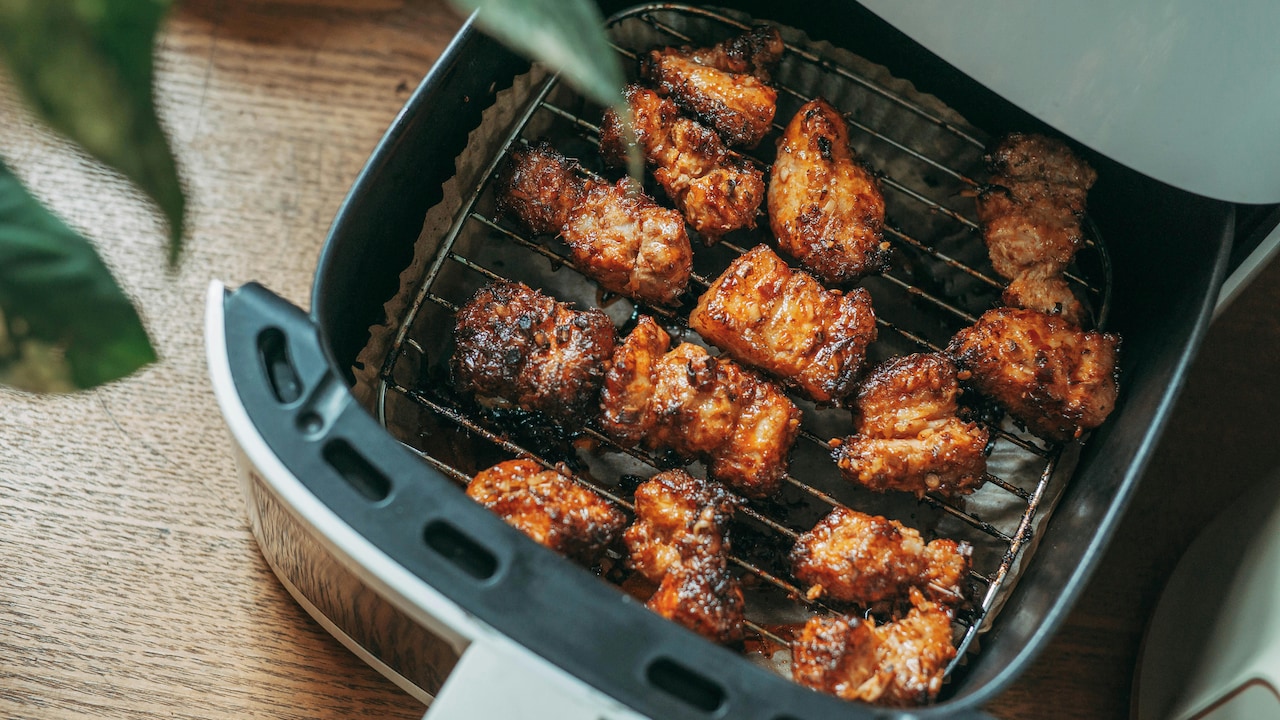
Easy tips to make your fries crispy even in an air fryer
Frozen fries have become the unofficial hero of busy evenings. They save time, demand almost zero prep, and somehow manage to fit every mood. Rain outside? Fries. Late-night cricket match? Fries. Unexpected guests? Fries again. Air fryers entered kitchens with bold promises. Crispy snacks, less oil, fewer greasy fingers, and lower electricity bills compared to heating an entire oven. It sounded almost magical. Yet plenty of people still pull out pale, soggy fries that taste strangely steamed instead of fried. The culprit often hides in simple habits. Many air fryers work brilliantly, but they need the right technique. Unlike deep frying, where bubbling oil hits every surface instantly, air fryers rely on circulating hot air. That means airflow becomes everything. Tiny mistakes can trap moisture and destroy crispiness.
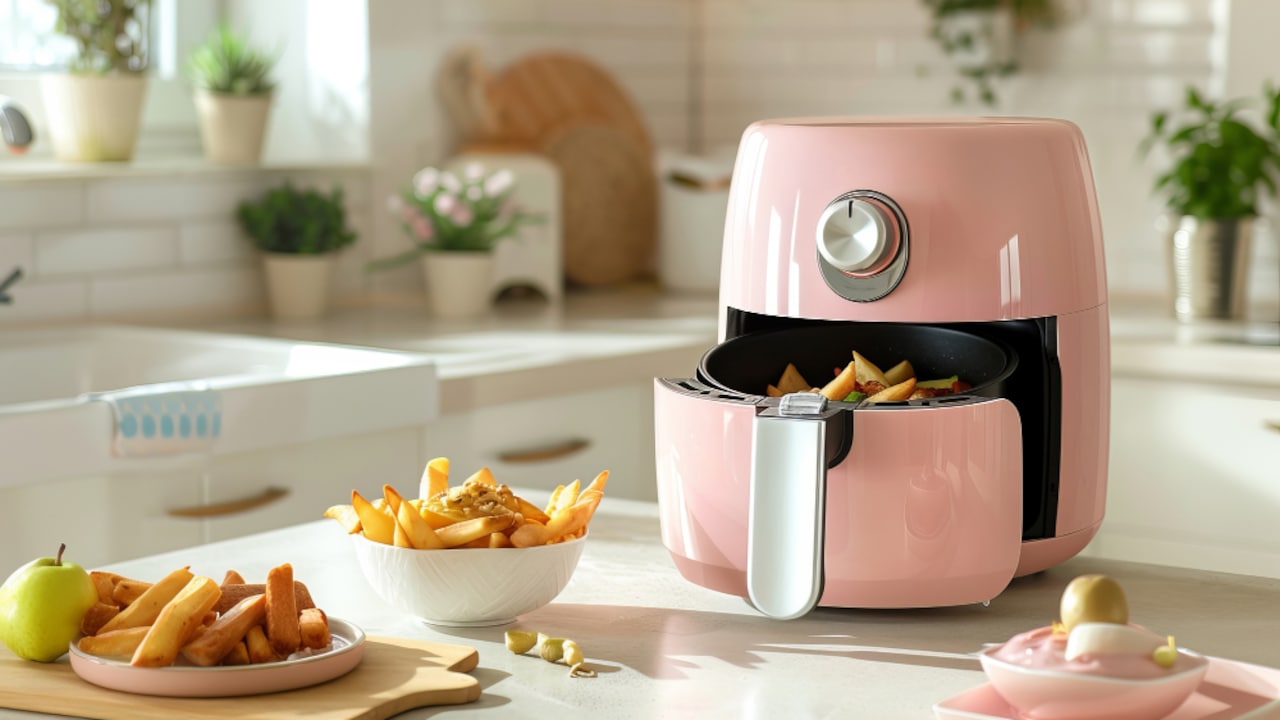
How to make crispy fries in air fryer without dealing with a soggy mess; Photo Credit: Freepik
The good news is that frozen fries do not require chef-level skills. A few smart adjustments can make a dramatic difference. Crispy fries are less about luck and more about understanding how the machine behaves. Once those little secrets become part of the routine, even a quick ₹150 bag of frozen fries can taste surprisingly close to restaurant quality.
Also Read: Best 5 Morphy Richards Air Fryers In India With Price 2026
Common Air Fryer Mistakes That Ruin The Perfect Crunch
Stop Overcrowding The Basket
One of the biggest reasons frozen fries turn soggy is overcrowding. It seems harmless at first. The basket looks spacious, the fries fit somehow, and nobody wants to cook in batches after a long day. Yet stuffing the basket creates a mini steam chamber inside the air fryer.
Air fryers depend on fast-moving hot air. When fries pile on top of one another, the air cannot circulate properly. Instead of crisping the surface, trapped moisture sits between the fries. The result feels disappointingly soft and slightly rubbery.
Many people discover this the hard way during house parties. Someone empties an entire family pack into the fryer, hoping to feed everyone quickly. Ten minutes later, the fries resemble boiled potato sticks with identity issues.
Cooking smaller portions changes everything. Spread the fries in a single layer with small gaps between them. Some overlap is manageable, but the basket should never look packed like a local train during rush hour.
Yes, batch cooking takes a little more time. However, crispy fries served in rounds still disappear faster than soggy ones sitting untouched on a plate. A patient approach almost always rewards the taste buds.
Preheat The Air Fryer Properly
Skipping preheating feels tempting. After all, air fryers market themselves as fast appliances. Why wait extra minutes when hunger levels already resemble a dramatic food commercial?
Yet preheating matters more than many realise. Frozen fries need instant heat exposure to develop that golden crust. Without preheating, the fries slowly warm up instead of crisping immediately. During that slow heating stage, moisture escapes from the potatoes and turns the surface soft.
Think about roadside dosa stalls. The cook never pours batter onto a cold tawa. The heat already exists before cooking begins. Air fryers follow a similar logic.
Most machines need only three to five minutes of preheating. It barely adds extra time, but it dramatically improves texture. Fries start sizzling the moment they hit the basket, which helps create crunch before moisture builds up.
Some newer air fryers even include automatic preheat settings. Others require manual heating at the desired cooking temperature. Either way, the few extra minutes pay off.
A properly preheated air fryer often delivers fries with a satisfying crunch outside and fluffy centres inside. Without it, even premium frozen fries can taste oddly lifeless.
Choose The Right Temperature
Temperature mistakes quietly ruin countless batches of frozen fries. Too low, and the fries dry out slowly while becoming soft. Too high, and the outside burns before the inside cooks properly.
Many people assume higher heat automatically means crispier fries. That logic works for some foods, but frozen fries need balance. Most brands perform best between 180°C and 200°C.
Lower temperatures encourage steaming instead of browning. The potatoes release moisture faster than the air fryer can remove it. The fries turn pale and limp rather than golden and crispy.
At extremely high temperatures, another problem appears. The outside cooks too quickly while frozen moisture remains trapped inside. Once the fries cool slightly, trapped steam softens the crust again.
Reading the packet instructions helps, but air fryer models behave differently. Some run hotter than advertised, while others need extra cooking time. Trial and error often becomes part of the process.
A smart trick involves starting at around 180°C and increasing slightly during the final few minutes for extra crispiness. That method encourages even cooking without scorching the surface.
Perfect fries rarely happen through guesswork. Temperature control matters just as much as the quality of the fries themselves.
Shake The Basket During Cooking
Many people place fries in the air fryer, press start, and walk away expecting perfection. Unfortunately, fries need attention halfway through cooking.
Shaking the basket prevents uneven cooking and soggy patches. Air fryers do circulate hot air, but certain spots still receive more heat than others. Fries sitting at the bottom often trap moisture, while those on top crisp faster.
A quick shake redistributes everything. It exposes hidden surfaces to hot air and prevents fries from sticking together. Even a gentle toss halfway through cooking can improve texture dramatically.
There is also something oddly satisfying about that mid-cook basket shake. The sizzling sound and rising aroma create the kind of anticipation usually reserved for fresh pakoras during monsoon evenings.
Some people ignore this step because they fear losing heat. In reality, opening the basket briefly causes minimal temperature loss. The crispiness gained easily outweighs the few seconds spent shaking.
For thicker fries, two shakes may work even better. One halfway through and another near the end often produces a more even crunch.
It is a tiny effort with surprisingly big results. Sometimes crispy fries simply need movement.
Avoid Adding Too Much Oil
Air fryers gained popularity partly because they reduce oil usage. Ironically, many people accidentally sabotage crispiness by adding too much oil anyway.
A light spray helps fries brown beautifully. Excess oil, however, creates a greasy coating that traps moisture instead of allowing crisp air circulation. The fries end up heavy and soft rather than crisp and light.
Frozen fries already contain some oil from pre-processing. They do not need a dramatic extra coating. A tiny mist of oil works better than pouring directly from the bottle, like preparing a restaurant fryer.
Certain oils also perform better than others. Neutral oils with higher smoke points help maintain crispiness without strange flavours. Strong oils sometimes overpower the fries completely.
There is also the classic mistake of adding oil midway through cooking after seeing pale fries. Unfortunately, sudden extra oil often makes them soggier within minutes.
A controlled approach works best. Light coating, even distribution, and patience usually deliver the golden finish people want.
Sometimes less genuinely becomes more, especially when crispy potatoes are involved.
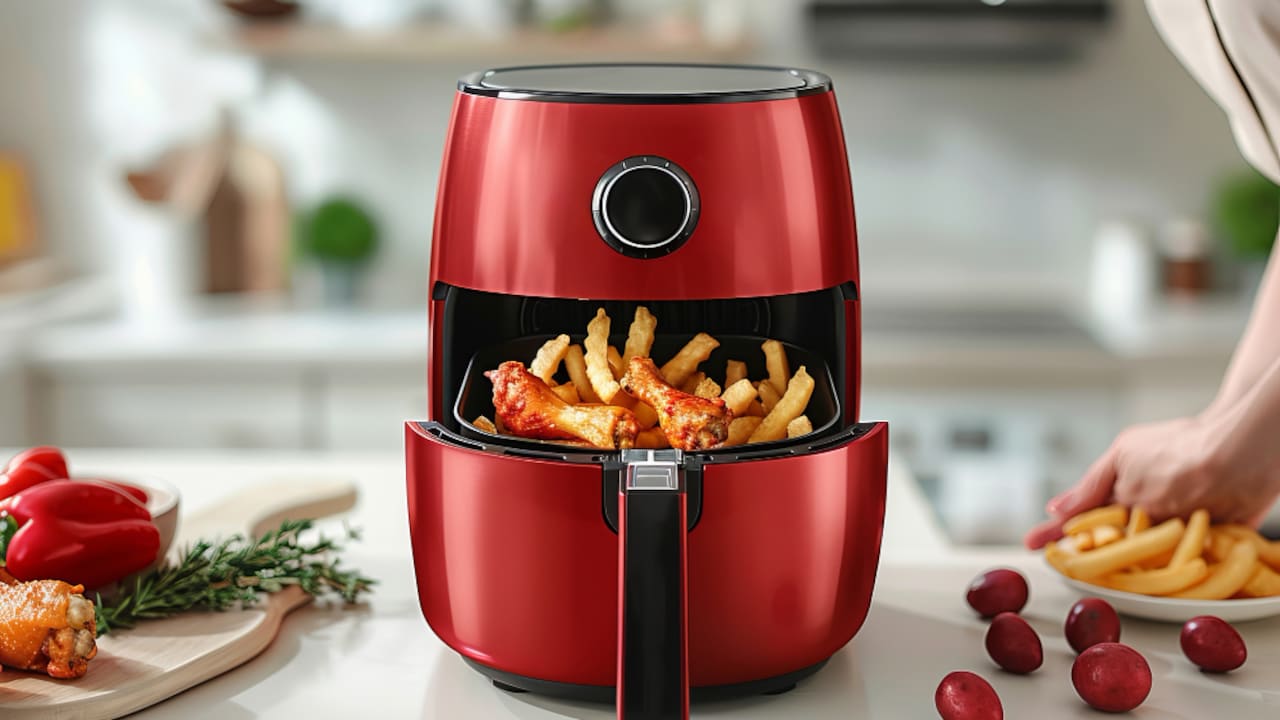
Avoid spraying too much oil over the food while cooking in an air fryer; Photo Credit: Freepik
Dry Excess Ice Before Cooking
Frozen fries often carry tiny ice crystals straight from the freezer. Those little frozen bits may seem harmless, but they create extra steam during cooking.
Steam becomes the enemy of crispiness. When ice melts rapidly inside the fryer, moisture clings to the fries before the outer layer can crisp properly. The final texture feels disappointingly damp.
This problem becomes even worse when frozen fries partially thaw before cooking. Perhaps someone left the packet outside while answering a delivery call or chatting during tea. The thawed fries release extra water instantly once heated.
A quick solution helps significantly. Pat the fries lightly with kitchen paper before placing them in the basket. No need for aggressive drying; simply remove visible ice and moisture.
This small step often surprises people because the difference becomes obvious after cooking. Fries brown more evenly, crisp faster, and hold their crunch longer.
Restaurant kitchens constantly control moisture levels for fried food. Home cooking benefits from the same principle, even with something as simple as frozen fries.
Sometimes crispiness starts before the cooking even begins.
Pick The Right Type Of Frozen Fries
Not all frozen fries behave the same way inside an air fryer. Some brands crisp beautifully while others remain stubbornly soft regardless of technique.
Thin-cut fries usually crisp faster because they contain less moisture. Crinkle fries, waffle fries, and thicker steak fries often need longer cooking times and more careful handling.
Coated fries generally perform better in air fryers, too. Certain brands apply a thin starch layer that helps create extra crunch during cooking. These fries often taste closest to takeaway versions.
Budget frozen fries occasionally contain more moisture or inconsistent potato quality. Saving ₹40 on a packet may sound smart until the fries emerge soggy and disappointing.
Storage matters too. Fries stored poorly in supermarket freezers often develop ice build-up, which affects texture later. A packet filled with visible frost rarely delivers great results.
Experimenting with different brands helps identify favourites. One household may swear by thin shoestring fries while another prefers chunky potato wedges with seasoning.
The air fryer itself matters less when the fries already struggle from the start. Quality ingredients still influence the final result heavily.
Good fries make crispy cooking much easier.
Clean The Air Fryer Regularly
A dirty air fryer quietly destroys crispiness over time. Leftover grease, crumbs, and burnt residue interfere with airflow and create uneven heating.
Many people focus only on the basket while ignoring the heating element and inner chamber. Yet grease build-up near the top can block proper heat circulation. Fries cook unevenly and lose their crunch potential.
Old crumbs also burn during cooking. That burnt smell eventually clings to fresh fries and creates a stale aftertaste nobody enjoys.
Cleaning does not need to become a dramatic weekend project. Wiping the basket after each use and giving the machine a deeper clean weekly usually keeps performance strong.
Some air fryers also contain hidden corners where grease collects quietly. A quick inspection with a flashlight occasionally reveals surprising amounts of residue.
A clean machine heats faster, circulates air better, and delivers more reliable results. Crispy fries depend heavily on consistent airflow.
Ignoring maintenance feels a bit like expecting perfect tea from a kettle coated in old residue. The appliance still works, but never quite at its best.
Fresh fries deserve a clean cooking space.
Do Not Rely Completely On Timer Presets
Preset buttons sound convenient. Fries button, chicken button, snacks button, modern air fryers practically resemble gaming consoles. Yet presets rarely understand the exact quantity or thickness of food inside the basket.
Frozen fries vary wildly between brands and styles. One preset may overcook thin fries while undercooking thicker wedges. Blind trust in presets often leads to soggy disappointment.
Visual cues matter more than numbers. Crispy fries usually develop rich golden edges and slightly darker corners. The texture changes visibly during the final minutes.
People often remove fries too early because the timer says cooking has finished. Unfortunately, frozen fries continue softening after removal if the crust has not fully developed.
A better approach involves checking regularly near the end of cooking. Taste one fry if necessary. Kitchens are not examination halls; sampling is completely acceptable.
Different weather conditions even affect results slightly. Humid evenings may require longer cooking compared to dry days.
Air fryers work best when treated as cooking tools rather than vending machines. Observation and adjustment create better results than blindly following presets every single time.
Technology helps, but attention still matters.
Let The Fries Rest Briefly Before Serving
This tip surprises many people because it sounds counterintuitive. Why wait after cooking when fries taste best hot?
A short resting period actually improves texture. Freshly cooked fries release steam rapidly. Serving immediately traps that steam under sauces, plates, or piled-up portions. The crispy surface softens within moments.
Allowing the fries to rest for one or two minutes lets excess steam escape. The outer layer firms up slightly, creating a better crunch.
Restaurants use similar tricks regularly. Fresh fried food often rests briefly before plating, even when kitchens look frantic and chaotic.
Serving style also matters. Dumping fries into deep bowls traps heat and moisture. Spreading them loosely on a plate keeps them crisp longer.
Sauces deserve attention, too. Pouring ketchup directly over fries immediately creates sogginess faster than expected. Side dips maintain crunch far better.
This final stage may seem small, but it completes the process properly. Crispy fries depend not only on cooking but also on handling after cooking ends.
Tiny details often separate average fries from unforgettable ones.
Products Related To This Article
1. Ninja Air Fryer MAX PRO 6.2L (AF180IN) 2000W Max Crisp Technology Variable Air Flow PFOA
2. PHILIPS Air Fryer NA120/00, uses up to 90% less fat
3. Bosch CrispMaxx Digital Air Fryer XXL 7.2L with Baking Tray
4. COSORI Air Fryer 5 QT (4.7 Litre) Black, 1500W Fast Cooking 9 Preset Menu
5. Acerpure Air Fryer | 100% Glass Bowl | 90% Less Oil
6. Cookwell Air Fryer - 5L With See Through Window
7. Lifelong 4.2L Digital Air Fryer |7 Preset Menus| Detachable Handle
Soggy frozen fries rarely happen because the air fryer is faulty. Most of the time, small habits quietly sabotage the cooking process. Overcrowding, skipped preheating, trapped moisture, wrong temperatures, and neglected cleaning all contribute to disappointing texture.
The good news is that crispy fries do not demand expensive gadgets or professional training. A little patience, smarter airflow management, and a few practical tricks can completely change the outcome.
Air fryers shine when treated properly. They reward attention to detail and punish shortcuts with surprising honesty. Once the basics become routine, frozen fries transform from limp side dish to crunchy comfort food worthy of weekend cravings.
And honestly, few things feel more satisfying than hearing that first crispy crunch while rain taps against the windows and chai waits nearby.
(Disclaimer: This article may include references to or features of products and services made available through affiliate marketing campaigns. NDTV Convergence Limited (“NDTV”) strives to maintain editorial independence while participating in such campaigns. NDTV does not assume responsibility for the performance or claims of any featured products or services.)