Why Your AC Cools Slowly Even At A Low Temperature: 10 Common Reasons
Your AC may cool slowly despite a low temperature setting due to clogged filters, poor airflow, gas leakage, wrong capacity, sunlight, or neglected servicing.
AC Not Cooling Fast Enough? 10 Reasons Your Room Still Feels Hot
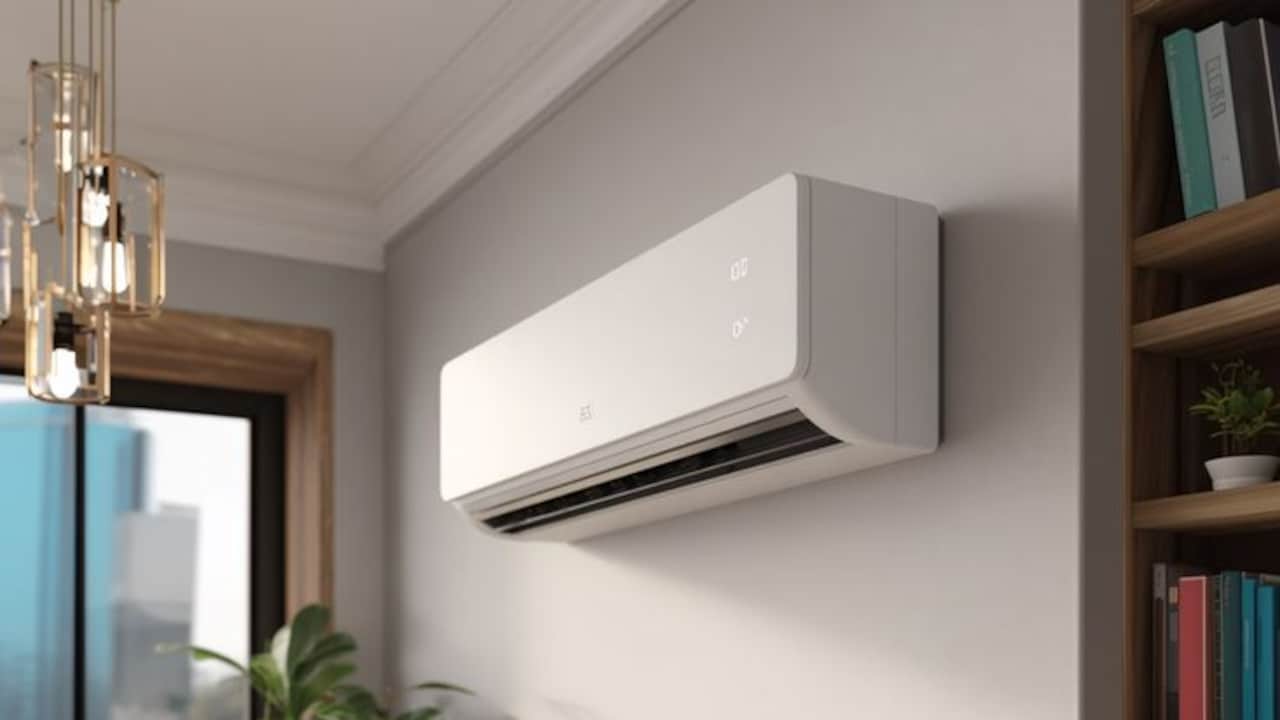
Every summer has that one familiar scene. Someone enters the room, wipes the forehead, grabs the AC remote, and jabs the temperature button down to 18°C as though launching a rescue mission. The display obeys. The room, however, continues to feel like a tandoor with curtains. This slow cooling feels annoying because the AC seems to run, hum, and blow air, yet comfort arrives late. Many people blame the brand, the remote, or even the electricity supply. Sometimes those reasons matter. More often, the real culprits hide in plain sight. Dusty filters, direct sunlight, wrong tonnage, gas leakage, heat from appliances, open doors, poor servicing, and simple room habits can make even a good AC behave like a tired ceiling fan with ambition. A low temperature setting does not create instant cold air. It only tells the AC to keep working until the room reaches that target. When the machine struggles, lowering the number only makes it run longer. Here is why that happens.
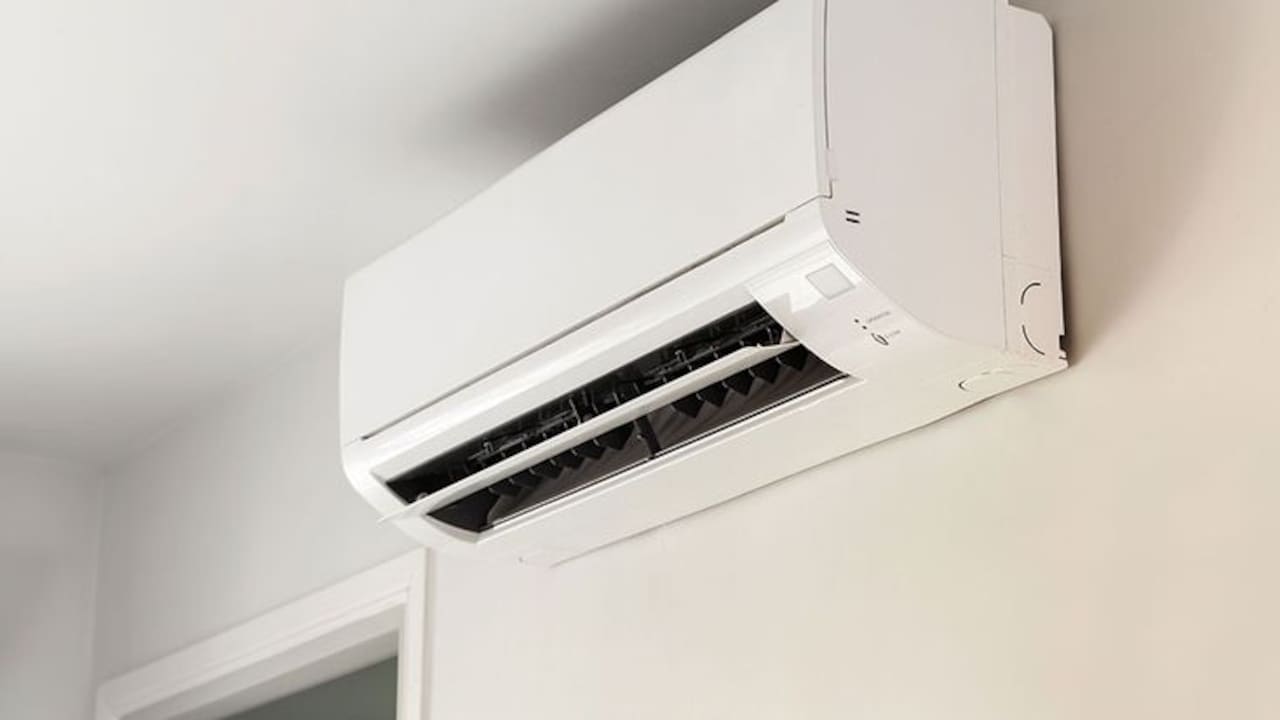
AC Not Cooling Fast Enough? 10 Reasons Your Room Still Feels Hot; Photo Credit: Pexels
Common Reasons Your AC Takes Too Long To Cool
Dirty Filters Choke The Airflow
An AC breathes through its filters. When dust, lint, pet hair, kitchen grease, and city grime collect on them, the machine loses its easy breathing space. The indoor unit may still make a familiar sound, but the airflow drops. Cold air then trickles out instead of sweeping across the room. That gentle breeze may feel cool near the vent, yet the corners stay warm and stubborn.
This problem grows fast in homes near busy roads, construction sites, or open balconies. Fine dust enters quietly and settles everywhere. Filters catch much of it, which helps the room air, but only until they clog. After that, the AC works harder and cools more slowly.
A quick filter wash can make a surprising difference. Many households wait for the annual service, but filters often need cleaning every two to four weeks during peak summer. Clean filters reduce strain, improve cooling, and may even trim the electricity bill. Think of it like asking someone to run in May heat while wearing a thick scarf. Remove the scarf, and the performance changes at once.
Also Read: Summer is Here: Top 10 Air Conditioners You Can Grab Under ₹50,000
The Outdoor Unit Cannot Release Heat Properly
The indoor unit gets all the attention because it sits inside the room, flashes lights, and responds to the remote. The outdoor unit does the heavy lifting. It throws room heat outside, and when it cannot release that heat, cooling slows down inside.
Many outdoor units sit in cramped balconies, narrow shafts, or corners packed with old paint buckets, mops, and forgotten flower pots. Some face direct afternoon sun. Others collect dust, dry leaves, pigeon feathers, or plastic wrappers around the coil. When hot air cannot escape freely, the AC keeps circulating stress instead of comfort.
This issue becomes worse in high-rise flats where several outdoor units blow hot air into the same service shaft. The machine then inhales warm air again and again. Naturally, the room takes longer to cool.
A technician can clean the outdoor coil and check the fan. At home, the basic rule stays simple. Give the outdoor unit open space, shade where practical, and no clutter around it. The AC cannot cool your bedroom well if its outdoor half feels trapped in a heated cupboard.
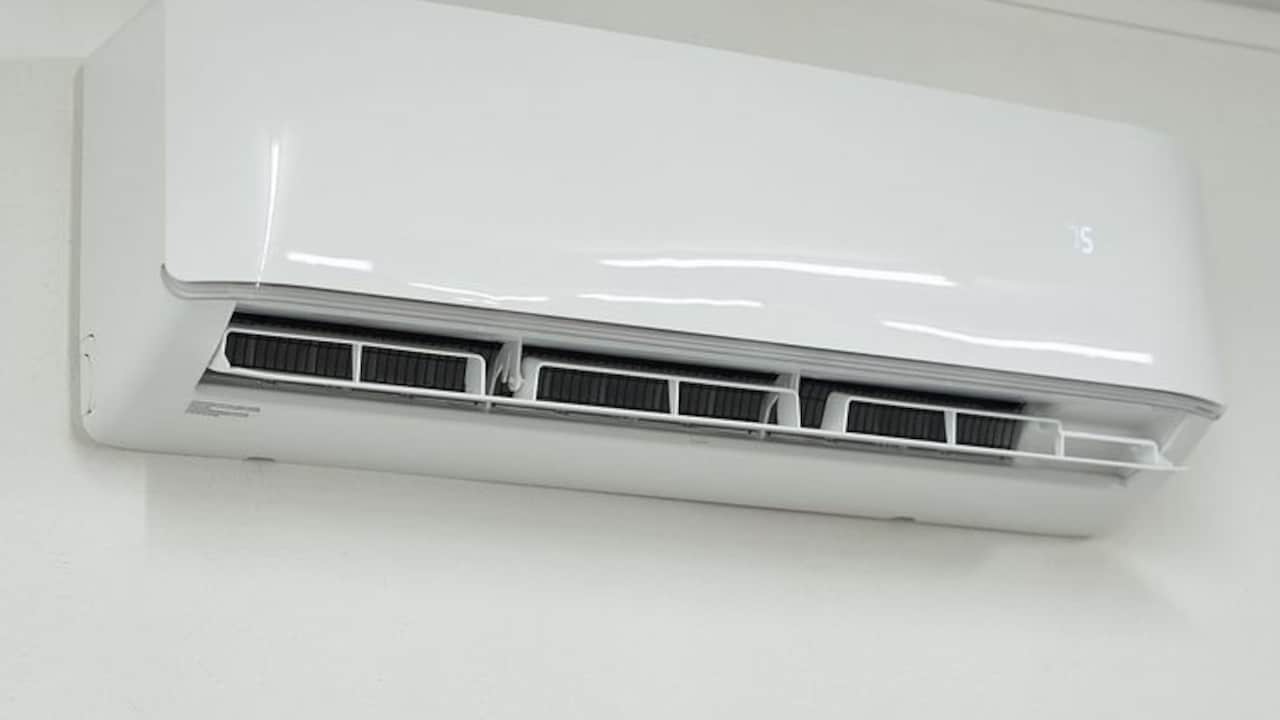
AC Not Cooling Fast Enough? 10 Reasons Your Room Still Feels Hot; Photo Credit: Pexels
The Room Size Does Not Match The AC Capacity
A small AC in a large room works like a tiny cooler at a wedding hall. It may try sincerely, but the job asks too much. Many slow-cooling complaints begin with a mismatch between room size and AC capacity.
Tonnage matters because every room has a heat load. A compact bedroom may cool well with a 1-tonne AC, while a larger living room may need 1.5 tonnes or 2 tonnes, depending on sunlight, ceiling height, floor level, window size, and the number of people inside. Top-floor rooms under a hot terrace often need more cooling power than shaded rooms on lower floors.
The problem does not always appear on day one. A room may cool decently in March and then struggle in May. During a heatwave, the gap between AC capacity and room demand becomes painfully clear. The remote may show 18°C, but the compressor keeps chasing a target it cannot reach quickly.
Before buying a new AC, measure the room and consider real conditions, not just catalogue claims. A slightly better fit saves daily frustration, especially when the family gathers in one room after dinner.
Sunlight And Poor Insulation Keep Adding Heat
An AC does not only cool the air already in the room. It also fights the heat that keeps entering. Sunlight through windows, thin curtains, hot walls, leaky doors, and uninsulated ceilings can turn cooling into a never-ending wrestling match.
West-facing rooms suffer the most during late afternoon. The sun bakes the wall for hours, and that stored heat continues to radiate even after sunset. Glass windows add another layer of trouble. They let sunlight pour in and warm up bedsheets, floors, sofas, and curtains. The AC cools the air, but hot surfaces keep giving heat back.
Simple changes help more than people expect. Thick curtains, blinds, reflective window film, door seals, and keeping curtains closed before peak heat can reduce the load. On top floors, terrace heat can make rooms feel like pressure cookers. False ceilings, roof coating, or better insulation can help, though they cost more.
The AC performs best when the room helps it. A room that keeps inviting heat inside will cool slowly, no matter how dramatically someone presses the remote.
Frequent Door Opening Breaks The Cooling Cycle
Every AC-cooled room has one villain in daily family life: the door that never stays shut. Someone comes in for the charger. Someone leaves to check the doorbell. A child runs out. A parent calls from the kitchen. The dog enters with great purpose and leaves with none. Each opening lets cool air escape and warm air enter.
The AC then starts recovering lost ground. This may not matter much once or twice, but constant opening can delay cooling by a lot. It also creates uneven comfort. The person near the AC feels fine, while the one near the door complains.
Open doors also bring humid air inside, especially during monsoon. The AC must remove moisture before the room feels truly comfortable. That takes extra time and energy. This is why a room can feel sticky even when the display shows a low temperature.
Keeping the door closed sounds too obvious, yet it remains one of the most ignored cooling tips. Close the door, seal obvious gaps, and let the machine finish one proper cooling cycle. Comfort arrives faster when the room stops leaking it.
Low Refrigerant Makes Cooling Weak
Refrigerant, often called gas at home, carries heat out of the room. When the level drops due to leakage, the AC loses its cooling strength. The fan may run, the display may glow, and the compressor may attempt the job, but the air from the indoor unit does not feel cold enough.
A gas leak does not always announce itself loudly. Sometimes the AC simply takes longer each week. Ice may form on the indoor coil. The outdoor unit may run continuously. Electricity use may climb while comfort drops. People then lower the temperature further, which only pushes the system harder.
Refilling gas without fixing the leak only buys a short break. The same problem returns, usually at the worst time, like a sweaty Sunday afternoon when every service centre phone line sounds busy. A trained technician should check pressure, locate leakage, repair it, and then refill refrigerant as required.
This repair may cost more than a basic service, but ignoring it can damage the compressor. Slow cooling with weak airflow and poor chill deserves attention before the bill turns into a painful ₹10,000 conversation.
The AC Needs Proper Servicing, Not Just A Quick Wipe
Many homes treat AC servicing like a pre-summer ritual. One visit, one cloth wipe, one spray bottle, and everyone hopes for a peaceful season. Real servicing goes deeper. Coils, blower wheels, drain lines, electrical connections, refrigerant pressure, fan motors, and outdoor fins all affect cooling speed.
A dirty blower inside the indoor unit can quietly reduce airflow even when the filter looks clean. Grease from nearby kitchens can stick to the coil and form a stubborn layer. Outdoor coils collect dust that a casual splash of water cannot remove well. Over time, the AC works harder for weaker results.
Good servicing should improve airflow, remove dirt from heat-exchange surfaces, and catch early faults. It should not feel like a five-minute blessing with a damp cloth. Ask what the technician cleaned and checked. A proper wet service before peak summer can bring back much of the original performance.
Regular maintenance also protects expensive parts. An AC that struggles for months may draw more current, heat up more often, and age faster. Clean machines cool with less drama. Dirty ones make the remote look guilty.
Heat From Appliances And People Raises The Load
Rooms do not heat up only because of weather. People, gadgets, lights, and appliances add warmth too. A living room packed with six relatives, a television, a gaming console, bright lights, and a laptop charging on the side creates more heat than an empty bedroom.
Kitchens make the situation even tougher. If a room sits next to a busy kitchen, or if the door opens often while cooking continues, warm air travels in. Even a small home office can become difficult to cool when a desktop computer, monitor, printer, and router run all day. Every watt eventually turns into heat.
Body heat also matters. One person watching a show quietly and five people debating cricket highlights after dinner create very different cooling loads. The AC does not judge the conversation, but it must handle the heat.
Switching off unnecessary lights, reducing appliance use, and cooling the room before everyone gathers can help. LED lights, shaded windows, and sensible placement of electronics also make a difference. The AC works best when the room does not host a heat festival.
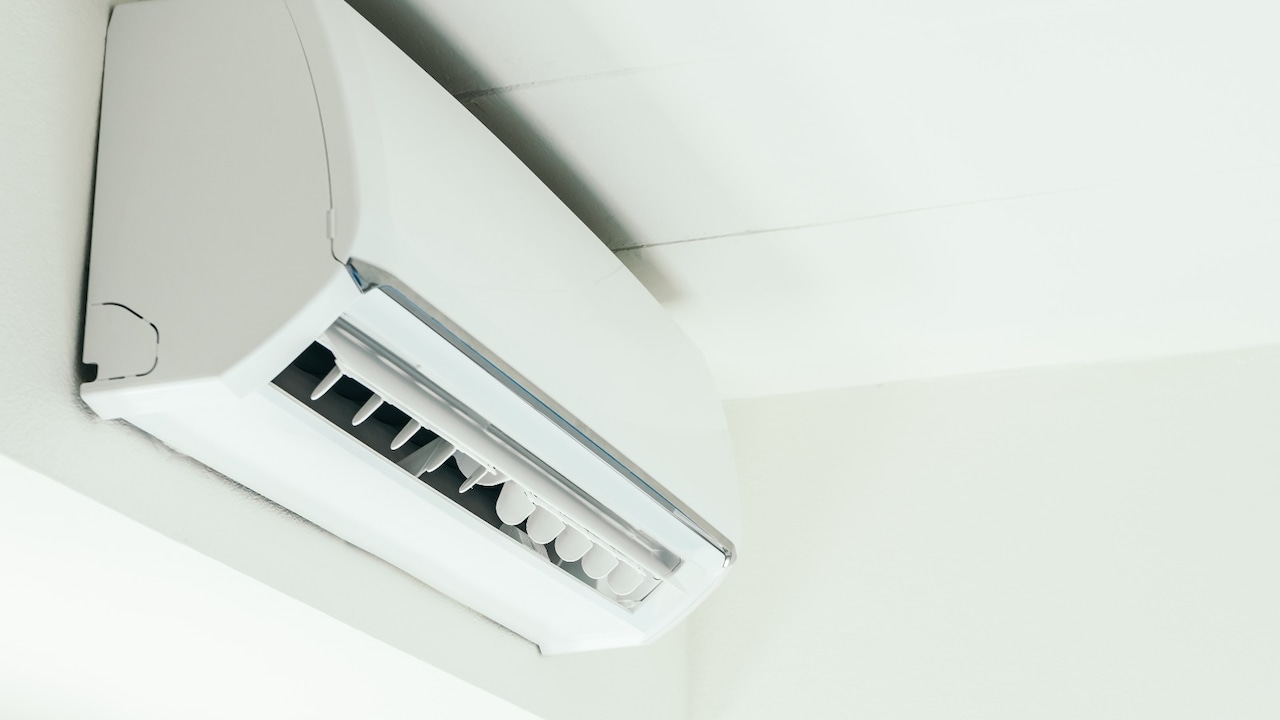
AC Not Cooling Fast Enough? 10 Reasons Your Room Still Feels Hot; Photo Credit: Pexels
Wrong Mode Or Fan Setting Delays Comfort
The AC remote looks simple until someone presses a mystery button and changes the whole mood of the machine. Cool mode, dry mode, auto mode, fan mode, sleep mode, and eco mode all behave differently. Slow cooling sometimes begins with the wrong mode, not a faulty AC.
Fan mode only circulates air. It does not cool the room. Dry mode removes humidity and helps during damp weather, but it may not cool as aggressively as cool mode. Eco mode saves power by reducing compressor activity, so the room may take longer to reach a lower temperature. Sleep mode can raise the set temperature gradually to maintain comfort at night.
Fan speed also matters. Low fan speed may feel quiet, but it spreads cool air slowly. During the first 15 to 20 minutes, a higher fan speed helps circulate cold air across the room. Once the room feels comfortable, a lower setting can maintain comfort without too much noise.
A good habit works well. Start with cool mode, set a sensible temperature around 24°C or 25°C, use medium or high fan speed, and then adjust for comfort. The lowest number rarely gives the smartest result.
Ageing Parts Reduce Cooling Performance
An AC does not remain young forever. After years of summer duty, parts lose efficiency. The compressor may weaken, fan motors may slow down, sensors may misread room temperature, and capacitors may struggle during start-up. The machine may still run, but it no longer cools with the same confidence.
Older ACs also use more electricity compared with many newer inverter models. A ten-year-old unit that cools slowly, trips often, needs repeated gas refills, and demands frequent repairs can become expensive to keep alive. Sentiment works for old radios and family cupboards. With ACs, sentiment can raise the power bill.
This does not mean every older unit needs replacement. A well-maintained AC can serve for many years. But repeated slow cooling after proper cleaning and repairs points to deeper wear. A technician can check compressor health, current draw, capacitor condition, thermostat accuracy, and overall performance.
When repair costs keep climbing, replacement may make more sense. A new efficient unit costs more upfront, but faster cooling, lower noise, and reduced bills can soften that blow over time.
Setting A Very Low Temperature Can Backfire
The most common cooling myth deserves the final word. Setting the AC to 16°C or 18°C does not make the room cool faster in most regular home units. The AC usually cools at its available capacity until it reaches the set temperature. A lower setting only tells it to continue working longer.
This habit can create discomfort too. People set the temperature very low, feel cold after some time, switch the AC off, feel hot again, and then repeat the cycle. The room never settles. The compressor faces more strain, and the electricity bill starts behaving like a horror story with numbers.
A more comfortable approach works better. Set the temperature around 24°C or 25°C, use the right fan speed, close the room properly, and give the AC a clean path to circulate air. In humid weather, dry mode for a short period may help the room feel fresher. A ceiling fan at low speed can also spread cool air evenly without forcing the AC to chase an extreme target.
Smart cooling does not come from punishing the remote. It comes from helping the machine do its job.
Products Related To This Article
1. LG Essential Series, 0.8 Ton 2 Star,New star rated, Smart Inverter Split AC
2. Cruise 1 Ton 3 Star, New Star rated, Inverter Split AC with 7
3. Daikin 1.5 Ton 3 Star, New Star rated, Inverter Split AC
4. Carrier 1 Ton 3 Star,New Star rated, Flexicool Inverter Split AC
5. Sharp 1 Ton 3 star, New Star Rated,Split AC (4 Way Swing
6. Midea 1.5 Ton 3 Star, New Star Rated, Wifi Inverter Split AC
7. Blue Star 1.5 Ton 5 Star,New Star Rated, Wi-Fi Smart Inverter Split AC
Slow cooling can feel mysterious, but the reasons usually come down to heat, airflow, maintenance, capacity, and habits. The Air conditioner in summer may not have a dramatic fault at all. A clogged filter, a sun-baked wall, a crowded room, a dirty outdoor unit, or a door that keeps opening can delay comfort more than expected.
The low number on the remote offers reassurance, not magic. An AC cools well when air moves freely, heat exits easily, and the room stops working against it. Start with simple checks: clean the filters, close the curtains, seal the room, choose cool mode, and keep the outdoor unit clear. Then call a reliable technician if cooling still feels weak.
In peak summer, patience runs thin and tempers rise faster than the room temperature. A little care, however, can turn the AC from a noisy disappointment into the quiet hero of the house. The goal is not to win a battle with the remote. The goal is to make the room comfortable, steady, and calm enough for tea, sleep, or a peaceful evening without anyone declaring war on the weather.
(Disclaimer: This article may include references to or features of products and services made available through affiliate marketing campaigns. NDTV Convergence Limited (“NDTV”) strives to maintain editorial independence while participating in such campaigns. NDTV does not assume responsibility for the performance or claims of any featured products or services.)