Why Your Hair Straightener Pulls Hair And The Best Plate Type To Prevent It
Hair straighteners shouldn’t pull your strands. If they do, the cause may lie in damaged plates, product build-up, or the wrong plate material. Here’s why it happens and how choosing the right plate type can make styling smoother.
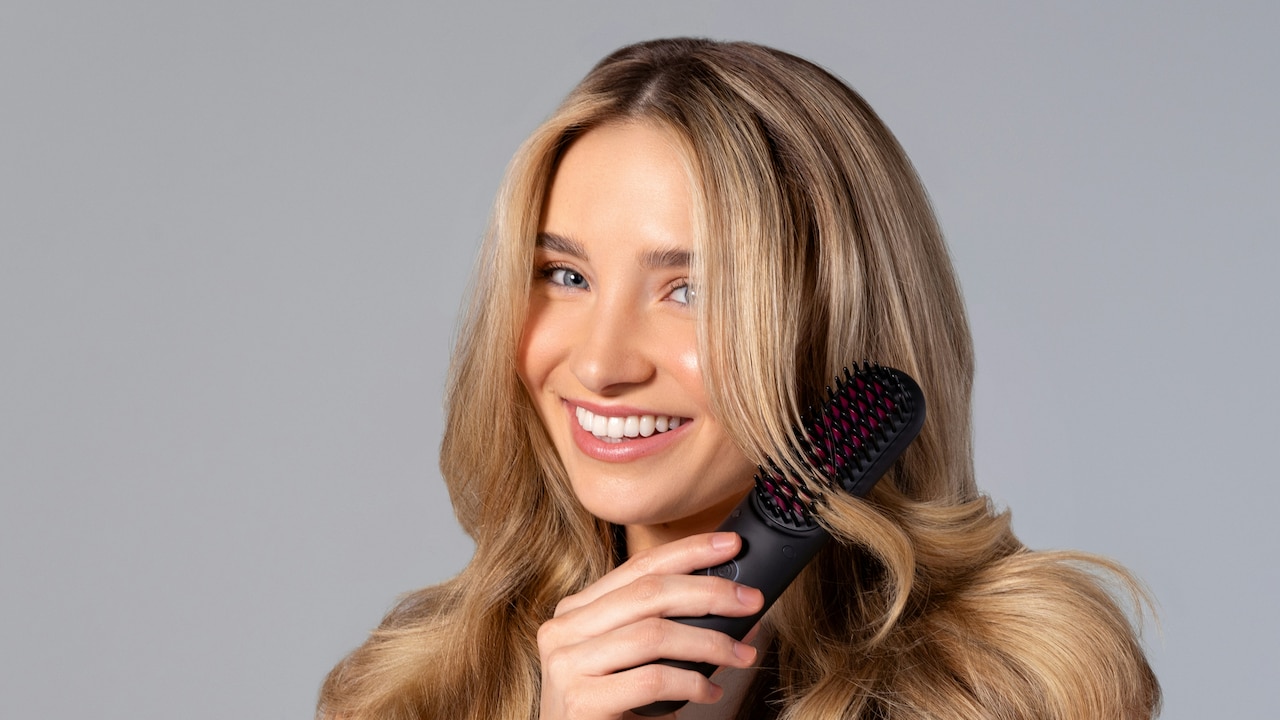
Why Your Hair Straightener Pulls Strands While Styling And the Right Plate Type to Use.
Hair straighteners have become everyday styling companions. From quick weekday touch-ups before office meetings to sleek looks for festive gatherings, a straightener sits proudly in many dressing drawers. Yet a common complaint refuses to disappear: that uncomfortable tug when the plates glide through the hair.
At first, it feels like a minor annoyance. Then it becomes a full-blown worry when strands begin to snap or shed. Some blame the straightener. Others suspect their hair type. In reality, several factors work together behind the scenes.
The design of the plates, their material, the temperature setting, and even how the tool moves through the hair influence whether the experience feels smooth or painful. A straightener should glide. When it pulls, something in the equation needs attention.
Understanding the root causes helps protect hair health while improving styling results. Choosing the correct plate type can also make a remarkable difference, especially in climates where humidity and dust add extra stress to hair.
The sections ahead explore why hair straighteners sometimes tug at strands and how selecting the right plate material transforms styling from a struggle into a satisfying ritual.
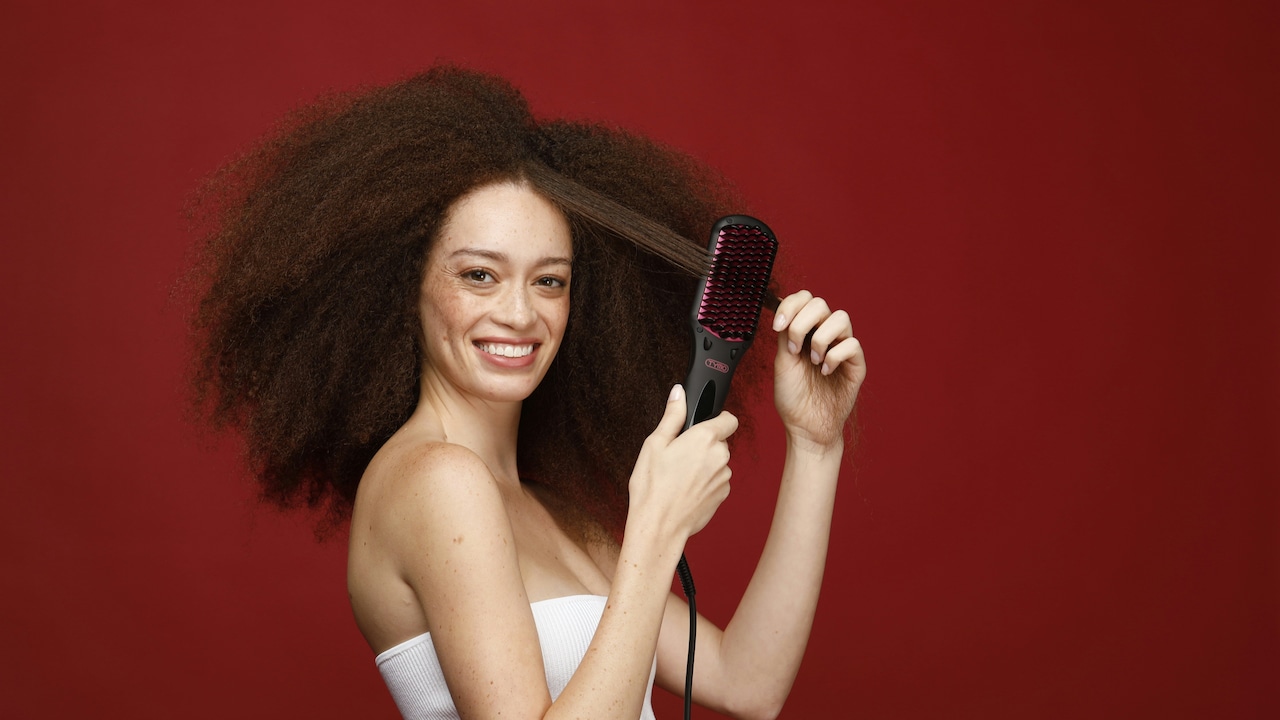
Why Your Hair Straightener Pulls Strands While Styling And the Right Plate Type to Use
Photo Credit: Pexels
Understanding The Reasons Behind Hair Straightener Pulling
Rough Or Damaged Plates Can Catch Hair
A straightener works by pressing hair between two smooth plates. Ideally, those plates glide like silk over the strands. However, when plates develop roughness or micro-scratches, the story changes completely.
Many people overlook how everyday wear slowly affects straightener plates. Frequent heating, accidental drops, and product build-up gradually damage the surface. Tiny imperfections then begin to catch hair fibres during styling.
The result feels unmistakable. Instead of a smooth slide, the straightener drags slightly, almost as if the hair refuses to pass through. That resistance leads to pulling and sometimes snapping.
Lower-quality tools often face this issue faster because their coating wears off quickly. Cheaper ceramic coatings, for instance, may chip after months of use. Once the coating fades, the exposed metal underneath tends to grip strands rather than glide.
A simple inspection can reveal early warning signs. If the plates appear dull, scratched, or uneven, they may already harm hair. Regular cleaning helps prevent residue build-up that mimics roughness.
Smooth plates remain essential for safe styling. When a straightener begins pulling frequently, the tool itself often sends a quiet signal that replacement time has arrived.
Hair That Is Too Dry Or Brittle Snags Easily
Hair health plays a significant role in how smoothly a straightener moves. Extremely dry or brittle strands behave differently under heat. Instead of bending gently, they resist movement.
Moisture acts like a natural lubricant for hair fibres. When hydration levels drop, the cuticle layer lifts slightly. That raised texture creates friction. A straightener passing through such strands may tug or catch along the way.
Daily environmental exposure often worsens the situation. Dust, sun, and hard water can strip natural oils from hair. Even frequent shampooing with harsh cleansers leaves strands feeling rough.
In these conditions, the straightener does not necessarily malfunction. The hair simply lacks the flexibility required for smooth styling.
Regular conditioning makes a noticeable difference. Deep conditioning masks or lightweight hair serums help seal the cuticle and restore softness. When strands feel smoother to the touch, straighteners usually glide better, too.
Heat styling on brittle hair without preparation almost guarantees pulling. A small layer of heat protectant or serum before styling creates a protective barrier. That barrier reduces friction and allows the plates to move with far less resistance.
Healthy hair always responds better to styling tools.
Uneven Heat Distribution Creates Friction
Temperature consistency rarely receives attention, yet it plays a vital role in straightening performance. When heat spreads unevenly across the plates, certain sections become hotter while others stay cooler.
This imbalance affects how the hair behaves between the plates. Hot spots may over-soften parts of the strand while cooler sections resist straightening. As the straightener moves downwards, the hair struggles to slide evenly.
That resistance produces the unpleasant tugging sensation many people recognise.
High-quality straighteners often include advanced heating systems that distribute temperature uniformly across the plates. These tools maintain steady heat throughout styling, allowing hair to glide without interruption.
Older or budget models sometimes struggle to regulate temperature effectively. They heat unevenly or fluctuate during use. This inconsistency makes styling unpredictable.
Using excessively high heat settings can worsen the problem. Hair may stick momentarily to overly hot surfaces before releasing abruptly.
Choosing a straightener with stable heat technology helps prevent pulling. Consistent temperature ensures the hair softens evenly from root to tip, allowing the plates to move smoothly through every section.
Smooth heat equals smooth styling.
Hair Sections That Are Too Thick Cause Tugging
Technique influences styling comfort more than many realise. One common mistake involves working with hair sections that are too thick.
A straightener functions best when a manageable amount of hair passes between the plates. When the section becomes bulky, the plates struggle to close evenly around it.
The outer strands receive heat and pressure, while the inner strands remain partially untouched. As the tool slides down, the uneven pressure creates friction.
Hair then resists movement. Instead of gliding freely, the section drags along the plates and pulls at the roots.
Thicker hair types especially face this issue during rushed styling sessions. In the morning rush before work or college, it feels tempting to grab large sections to finish quickly.
However, smaller sections actually save time overall. They require fewer passes and produce sleeker results.
Dividing hair carefully also reduces stress on individual strands. When each section receives even heat and pressure, the straightener moves effortlessly without painful tugging.
A patient approach during styling often solves what seems like a tool problem.
Product Residue Builds Up On Straightener Plates
Hair products create beautiful results, but sometimes leave behind unwanted consequences. Serums, sprays, oils, and heat protectants gradually accumulate on straightener plates.
At first, the residue appears harmless. Over time, however, it forms a sticky layer that interferes with the smooth surface of the plates.
That layer increases friction. Instead of sliding effortlessly, hair begins to stick slightly before releasing again. The movement feels jerky and uncomfortable.
Many users assume the straightener has become faulty. In reality, the plates simply need cleaning.
Residue also reacts with high heat. Certain products may harden or burn slightly when exposed to repeated heating cycles. This hardened film roughens the plate surface further.
Regular cleaning solves the issue easily. A soft cloth with mild rubbing alcohol or a damp microfiber cloth removes product build-up effectively once the tool cools down.
Maintaining clean plates protects hair and extends the lifespan of the straightener.
Even premium tools struggle when coated with layers of styling residue.
Cheap Plate Materials Often Grip Hair
The material of the straightener plates plays a huge role in how smoothly they perform. Lower-cost straighteners often rely on basic metal plates with thin coatings.
These coatings may look glossy initially, but they wear off quickly. Once exposed, the underlying metal tends to grip hair rather than glide over it.
Metal plates also heat unevenly and cool down rapidly, which contributes to inconsistent styling performance.
Users often notice the difference immediately after upgrading to better materials. Higher-quality plates feel smoother and require fewer passes through the hair.
Common plate materials include ceramic, titanium, and tourmaline. Each offers unique benefits depending on hair type.
Ceramic plates distribute heat evenly and suit most hair textures. Titanium plates heat quickly and work well for thick or stubborn hair. Tourmaline plates release negative ions that reduce frizz and enhance shine.
Investing in a reliable straightener might feel expensive at first. Prices often range from ₹2,000 to ₹7,000 for reputable tools. However, the improvement in comfort and hair health usually justifies the cost.
Good plate materials rarely pull hair when used correctly.
Ceramic Plates Offer Smooth Everyday Styling
Ceramic plates remain one of the most popular choices for hair straighteners. Their smooth surface and balanced heat distribution create a comfortable styling experience.
Unlike bare metal plates, ceramic surfaces glide gently through hair strands. The material spreads heat evenly, preventing the hot spots that cause snagging or burning.
This consistency makes ceramic straighteners particularly suitable for regular use. Many people who style their hair several times a week prefer ceramic tools for their gentle performance.
Ceramic also works well across various hair types. Whether dealing with wavy hair that needs a quick polish or moderately curly hair that requires full straightening, ceramic plates handle the task effectively.
Another advantage lies in temperature control. Ceramic tools often maintain stable heat without dramatic fluctuations.
For individuals new to heat styling, ceramic straighteners offer a forgiving learning curve. The plates glide smoothly, reducing the chance of accidental pulling.
While they may not straighten extremely coarse hair in a single pass, they deliver sleek results with minimal damage.
For daily styling routines, ceramic plates often strike the perfect balance between performance and hair protection.
Titanium Plates Work Best For Thick Hair
Titanium straighteners bring professional-level power to styling routines. The material conducts heat extremely efficiently, allowing the plates to reach high temperatures quickly.
For thick, coarse, or tightly curled hair, this feature proves particularly useful. Titanium plates straighten stubborn strands in fewer passes, saving time during busy mornings.
The surface of titanium plates also feels incredibly smooth. When paired with proper technique, they glide through dense hair sections without pulling.
However, the same power that makes titanium effective also requires caution. The plates heat up rapidly and can reach very high temperatures. Fine or fragile hair may suffer damage if exposed to excessive heat.
Therefore, titanium straighteners suit individuals with strong hair strands who require higher heat to achieve sleek results.
Professional stylists frequently choose titanium tools because they perform consistently under heavy use.
When used responsibly with heat protection products, titanium plates offer impressive speed and smoothness.
They rarely snag hair unless the styling technique or hair preparation needs adjustment.
Tourmaline Plates Reduce Frizz And Static
Tourmaline plates often appear in premium straighteners designed to enhance hair shine and smoothness. This semi-precious mineral contains natural properties that release negative ions when heated.
These ions help neutralise static electricity within the hair. As a result, strands lie flatter and appear smoother after styling.
Reducing static also improves how hair moves between the plates. With less friction and fewer flyaways, the straightener glides more comfortably.
Tourmaline plates typically combine with ceramic bases to create a hybrid surface. This combination offers the benefits of both materials: even heat distribution and enhanced smoothness.
People who struggle with frizz during humid weather often appreciate tourmaline straighteners. The plates seal the hair cuticle effectively, producing sleeker results that last longer.
Because the surface feels extremely smooth, tourmaline tools rarely pull hair unless the plates become dirty or damaged.
For anyone seeking glossy, polished styles with minimal friction, tourmaline plates provide an excellent option.
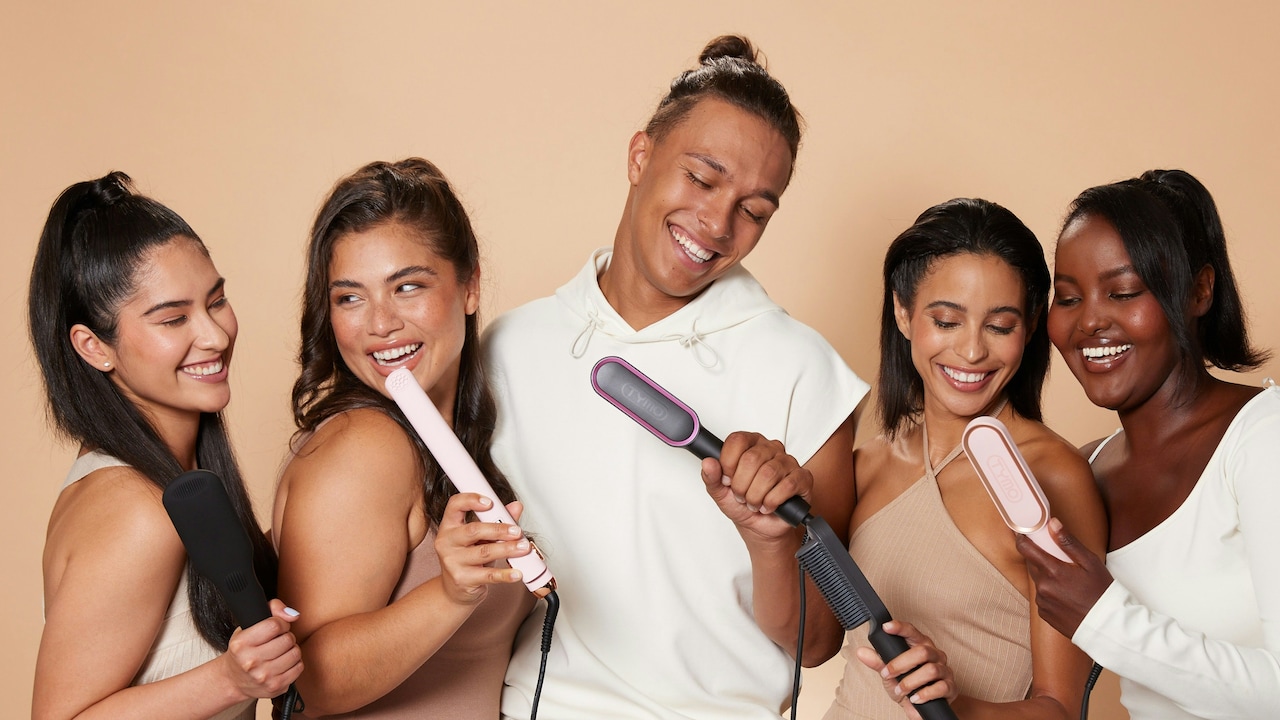
Why Your Hair Straightener Pulls Strands While Styling And the Right Plate Type to Use
Photo Credit: Unsplash
Correct Temperature Settings Prevent Hair Pulling
Temperature control may sound technical, yet it affects everyday styling comfort significantly. When the heat setting does not match the hair type, problems quickly appear.
Low heat may fail to soften the hair adequately. In this situation, the strands resist straightening and drag along the plates.
Excessively high heat creates another issue. Hair may momentarily stick to overheated surfaces before releasing abruptly, causing a sharp tug.
Finding the right temperature helps maintain smooth movement through each section. Fine or delicate hair usually responds well to settings between 150°C and 170°C. Medium hair textures work comfortably around 180°C. Thick or curly hair may require temperatures closer to 200°C.
Many modern straighteners include digital controls that allow precise adjustments. These tools offer better styling control than older models with basic heat settings.
Combining the correct temperature with small hair sections and proper heat protection dramatically reduces pulling.
When heat matches hair texture, the straightener glides naturally without resistance.
Products Related To This Article
1. Philips India's No.1 Hair Styling Brand NourishCare Hair Straightener
2. AGARO 4 in1 hair Straightener,Wavy Hair
3. AGARO Hair Straightening Brush, Hair Straightening Comb For Women
4. Havells Wide Plate Hair Straightener
5. Vega 3 in 1 Hair Styler for Women
6. IKONIC Professional S3+ (Auburn) Hair Straightener
7. WINSTON Hair Straightener with Titanium Ceramic Plates
Hair straighteners should feel like helpful styling tools, not instruments of frustration. When strands begin to tug or snap during styling, several factors may be responsible.
Damaged plates, product build-up, uneven heat, poor technique, and unsuitable plate materials all contribute to the problem. Addressing these issues transforms the styling experience immediately.
Choosing the right plate type plays an especially important role. Ceramic plates provide balanced everyday performance, titanium suits thick hair, and tourmaline enhances shine while reducing friction.
Alongside the right tool, healthy hair habits matter just as much. Conditioning, heat protection, proper temperature settings, and manageable styling sections all support smoother results.
When these elements come together, the straightener finally behaves as intended. The plates glide effortlessly, the hair stays protected, and styling becomes a quick, satisfying ritual rather than a painful chore.
A little awareness about plate materials and hair preparation goes a long way towards keeping strands sleek, smooth, and happily tug-free.
(Disclaimer: This article may include references to or features of products and services made available through affiliate marketing campaigns. NDTV Convergence Limited (“NDTV”) strives to maintain editorial independence while participating in such campaigns. NDTV does not assume responsibility for the performance or claims of any featured products or services.)