Hair Masks vs Conditioners: Know the Real Difference and Choose What You Need
Hair masks and conditioners may look similar, but they serve different purposes. One offers daily smoothing and detangling, while the other delivers deep repair. Understanding the difference helps you choose what your hair truly needs.
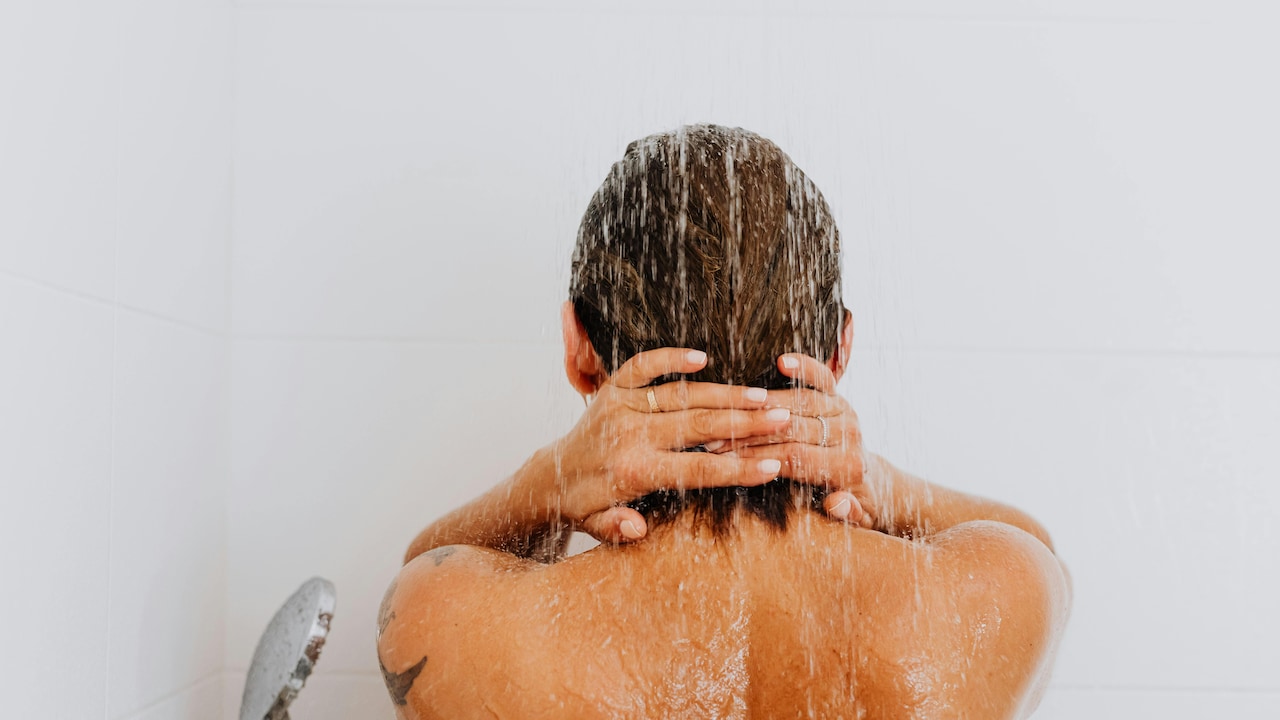
Everything you need to know about hair masks vs conditioners before you use one.
Walk into any supermarket or beauty store, and the hair care aisle feels overwhelming. Glossy tubs promise “intense repair”, sleek bottles shout “silky smooth in minutes”, and every brand claims salon-level results. The confusion usually begins with one common question: Does hair really need both a conditioner and a mask?
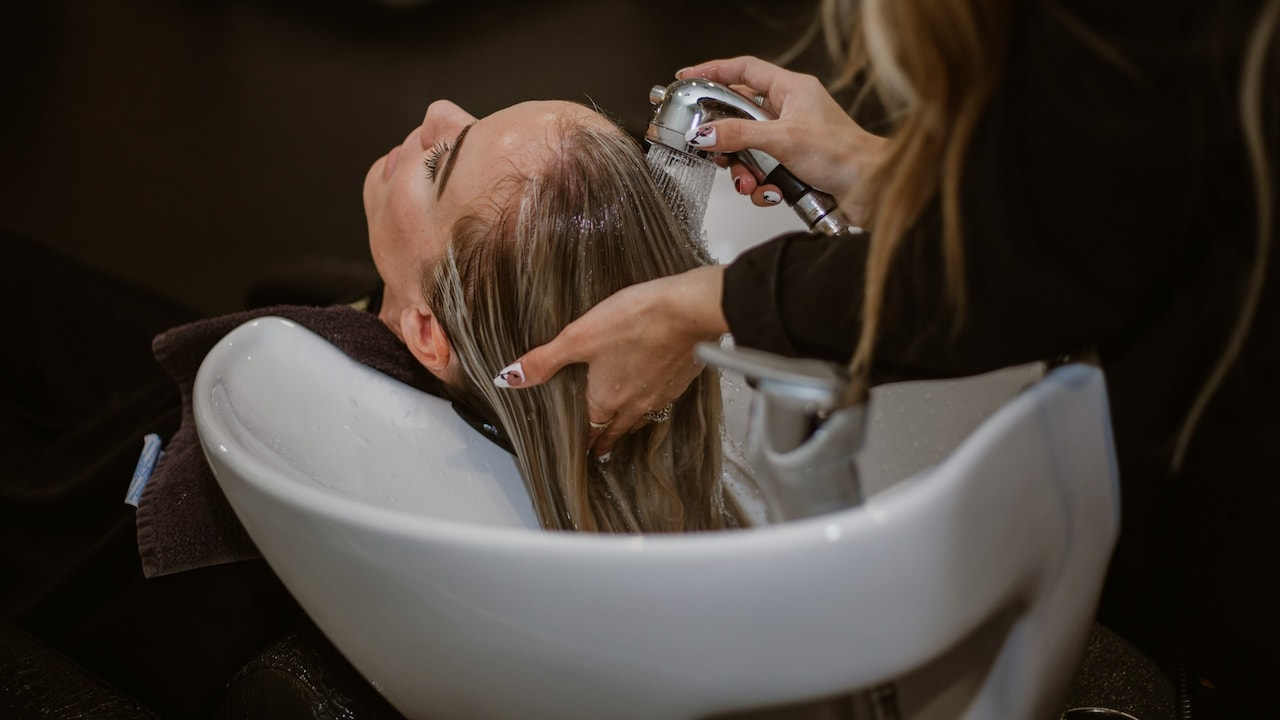
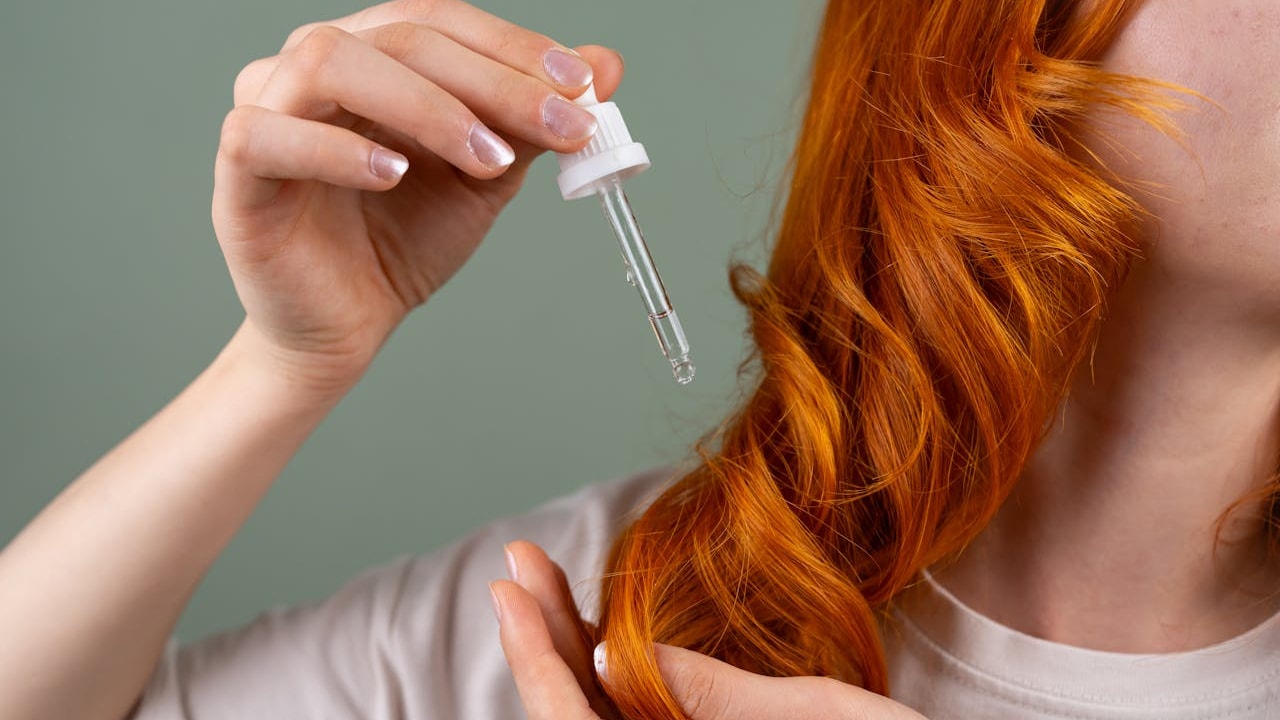
Learn key differences between a hair mask and a conditioner before your next purchase; Photo Credit: Unsplash
Many people treat them as interchangeable. Some skip one entirely. Others use both without knowing why. The result often shows up as limp strands, frizz that refuses to behave, or hair that feels dry despite spending ₹800 on a fancy product.
The truth remains simple. Conditioners and hair masks serve different roles. They work at different depths and suit different routines. Once the difference becomes clear, choosing between them no longer feels like guesswork. It feels practical, even empowering. Hair care then becomes less about trends and more about what your strands genuinely crave.
Also Read: How I Keep My Hair Soft And Strong In Just 5 Simple Steps
What Exactly Is A Conditioner?
A conditioner works as the everyday friend in a hair routine. After shampoo strips away dirt, sweat, and oil, conditioner steps in to soften and smooth the cuticle. It coats the outer layer of the hair strand and reduces friction. That is why combing feels easier after conditioning.
Most conditioners contain light moisturising agents, silicones, and smoothing ingredients. These elements sit on the surface rather than travelling deep into the hair shaft. They improve texture instantly. Hair feels manageable, less tangled, and visibly shinier within minutes.
In busy households, conditioner suits rushed mornings. Apply it for two to three minutes while finishing the rest of the shower routine. Rinse and step out. No drama, no waiting game.
For people who wash hair frequently due to humidity, pollution, or workouts, conditioner becomes essential. It restores basic hydration and protects strands from daily wear. Think of it as daily nourishment. It keeps hair civilised, even on chaotic days filled with traffic, heat, and unexpected rain showers.
What Exactly Is A Hair Mask?
A hair mask behaves more like a treatment than a quick fix. It contains richer oils, butters, proteins, and deeply hydrating ingredients. Unlike conditioner, a mask penetrates deeper into the hair shaft. It repairs, strengthens, and restores rather than simply smooths.
Hair masks demand patience. Most require at least ten to twenty minutes. Some people even leave them on for thirty minutes while sipping evening chai or catching up on a favourite series. The wait pays off. Hair often feels softer, stronger, and noticeably healthier after a single session.
Masks work especially well for chemically treated hair, heat-damaged strands, or dryness caused by harsh summers. They bring back elasticity and reduce breakage. People who colour their hair or use straighteners regularly often find masks transformative.
While conditioners maintain, masks rebuild. That distinction changes everything. One supports daily health. The other repairs deeper issues. Using a mask feels like sending hair for a weekend spa retreat rather than just offering a quick rinse-and-go solution.
How They Differ In Ingredients And Formulation
The difference between a conditioner and a mask starts at formulation. Conditioners contain lightweight emollients and smoothing agents. They focus on detangling and surface hydration. Their consistency feels creamy yet light. They spread easily and rinse out without effort.
Hair masks feel thicker, almost buttery at times. Many contain nourishing oils like argan, coconut, or avocado. Protein-based masks include keratin or silk proteins that strengthen weak strands. These ingredients target internal damage rather than surface smoothness.
A conditioner prioritises manageability. A mask prioritises restoration. The science behind them reflects this purpose. Masks often feature higher concentrations of active ingredients. That is why overusing a mask can weigh hair down, especially fine hair.
Understanding this distinction helps avoid disappointment. Expecting a conditioner to repair split ends sets unrealistic standards. Expecting a mask to provide daily lightness leads to greasy roots. Each product performs best within its intended role. Recognising the formulation difference allows smarter choices instead of impulsive purchases during festive sales.
When To Use A Conditioner
Conditioner belongs in nearly every wash routine. After shampooing, hair cuticles remain slightly raised. Conditioner smooths them down and prevents moisture loss. Skipping conditioner regularly can leave hair rough and prone to tangles.
People with straight, wavy, curly, or coily textures all benefit from conditioning. The amount may vary. Fine hair needs only a small coin-sized quantity. Thick or long hair may require more.
In humid climates, conditioner helps combat frizz. During winter, it prevents dryness caused by cooler air. Gym-goers who shampoo frequently rely on conditioner to maintain softness without overloading hair.
Conditioner suits everyday maintenance. It keeps strands flexible and reduces breakage during combing. Think of it as brushing teeth daily. No one expects toothpaste to fix cavities overnight, but it maintains oral health consistently. Conditioner plays a similar role in hair care.
Ignoring conditioner often leads to more damage over time. Simple, regular use protects hair from daily stress, pollution, and styling tools.
When To Use A Hair Mask
Hair masks work best once or twice a week. They address deeper concerns that a daily conditioner cannot fix. Dryness from summer heat, damage from festive styling, or dullness after repeated colouring all signal the need for a mask.
After long holidays spent in the sun and salt water, hair often feels straw-like. A mask restores lost moisture. During wedding season, when heat styling happens repeatedly, protein masks strengthen weakened strands.
People who invest ₹1,500 in colouring services should protect that investment. A nourishing mask helps maintain shine and structure. Without it, colour-treated hair may look faded and brittle within weeks.
However, moderation matters. Using a heavy mask daily can flatten fine hair and make the scalp oily. Balance ensures results. Weekly masking feels indulgent yet purposeful. It turns into a small ritual, perhaps on Sunday evenings, setting the tone for a smoother week ahead.
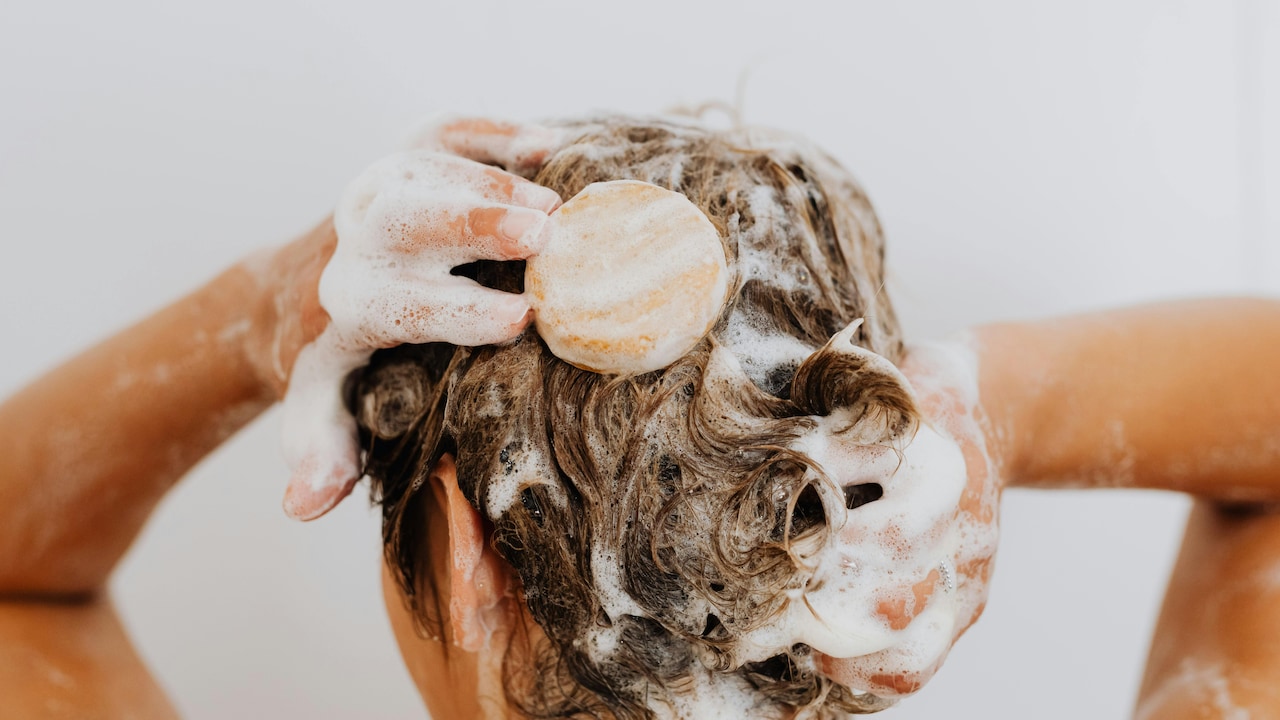
Use hair masks once or twice a week to prevent dryness and dullness; Photo Credit: Pexels
Understanding Hair Type Before Choosing
Hair type determines which product deserves priority. Fine hair often struggles with heavy masks. Lightweight conditioners usually suffice unless the damage appears severe. Thick, curly, or textured hair benefits greatly from richer masks because natural oils struggle to travel down the hair shaft.
Oily scalps with dry ends present another common scenario. Conditioner should focus on mid-lengths and ends. A mask can treat dryness without touching the scalp. Applying heavy products near roots may create greasiness.
Chemically treated hair requires extra care. Rebonding, smoothing, or colouring alters hair structure. In such cases, combining regular conditioning with weekly masks maintains balance.
Listening to hair signals proves essential. Does it snap easily? Does it feel rough even after conditioning? These signs suggest deeper treatment needs. On the other hand, if hair feels soft yet slightly dry at ends, a conditioner likely does the job.
Understanding personal hair behaviour saves money and avoids product overload. It encourages mindful selection instead of blind experimentation.
Frequency And Application Matter More Than You Think
Application technique influences results more than brand labels. Conditioner works best when applied after gently squeezing excess water from hair. Leaving it on for two to three minutes allows ingredients to bind effectively.
Hair masks demand more attention. Apply them to damp, not dripping hair. Comb through gently to distribute evenly. Wrapping hair in a warm towel can enhance absorption. Heat opens cuticles slightly and allows deeper penetration.
Overuse creates problems. Too much conditioner can cause build-up. Excess masking can weigh hair down and reduce volume. Balance prevents these issues.
Timing also matters. Busy weekdays suit quick conditioning. Leisurely weekends allow masking sessions. Building a rhythm ensures consistency.
Many people blame products when results disappoint. Often, the technique or frequency causes the issue. Small adjustments in how and when products are applied can dramatically change outcomes. Hair responds well to thoughtful care rather than random application.
Common Myths That Confuse Everyone
One common myth suggests that hair masks can replace conditioner entirely. In reality, masks complement but do not substitute daily conditioning. Skipping conditioner may leave hair tangled between mask sessions.
Another myth claims that more product equals better results. Overloading hair suffocates strands and wastes money. A ₹900 mask applied excessively will not deliver double benefits.
Some believe masks repair split ends permanently. No topical product can truly seal split ends. Trimming remains the only solution. Masks improve appearance and strength but cannot reverse severe structural damage.
Many assume oily hair never needs masks. Even oily scalps can have dry ends. Targeted application solves this issue.
Clearing these misconceptions simplifies hair care. Marketing often exaggerates claims. Realistic expectations help build routines that actually work. When myths fade, practical habits take their place.
Budget, Time, And Lifestyle Considerations
Hair care should align with lifestyle and budget. Students juggling classes and part-time work may prefer a reliable conditioner that costs ₹250 and performs consistently. Professionals attending frequent social events might invest in a richer mask for polished results.
Time also influences choice. Morning rush rarely allows for twenty-minute treatments. Weekend evenings offer better opportunities for masking.
Frequent travellers need lightweight products. Carrying bulky mask tubs may not feel practical. In such cases, smaller sachets or travel packs make sense.
Balancing cost and benefit matters. Expensive does not always mean effective. Understanding hair needs prevents unnecessary spending during online sales.
Practical decisions ensure sustainability. Hair care routines should feel manageable rather than burdensome. When products fit daily life, consistency follows naturally. Consistency, more than luxury branding, creates visible improvement.
Can You Use Both Together?
Using both products in a routine often delivers the best results. Shampoo first, apply a mask once a week, rinse thoroughly, and finish with a small amount of conditioner. This method seals in treatment benefits and smooths the cuticle.
On non-mask days, simple conditioning suffices. This balanced approach maintains hydration and strength without overwhelming hair.
Layering works particularly well for damaged or very dry strands. However, fine hair may require lighter combinations. Adjust quantities accordingly.
Listening to hair remains the guiding principle. If strands feel heavy, reduce frequency. If dryness persists, increase masking sessions slightly.
Combining both products does not complicate routines. Instead, it builds a flexible system that adapts to changing weather, stress, and styling habits. Hair evolves, and care routines should evolve alongside it.
Products Related To This Article
1. Streax Professional Canvoline Conditioner for Straightened Hair
2. LOreal Paris Hyaluron 72H Moisture Sealing Conditioner For Dry & Dehydrated Hair
3. LOreal Professionnel Absolut Repair Mask For Dry Hair with Protein & Omega-9
4. Bare Anatomy Anti-Dandruff Hair Conditioner With Rosemary
5. WELLA PROFESSIONALS Invigo Nutri-Enrich Deep Nourishing Hair Mask with Goji Berry
6. Pilgrim Patua & Keratin Hair Smoothing Conditioner for Smooth, Frizz
7. K18 Molecular Repair Leave-in Hair Mask
Hair masks and conditioners serve different yet complementary purposes. Conditioner supports daily manageability and surface hydration. Hair masks dive deeper, repairing and restoring damaged strands. Confusing the two often leads to frustration and wasted money.
Understanding hair type, lifestyle, and frequency needs simplifies the decision. Conditioner suits regular washes and busy mornings. Masks deserve a dedicated slot, usually once a week, for deeper nourishment.
Good hair care does not demand extravagance. It demands awareness. When products align with real needs, hair responds with softness, strength, and shine. The next time the hair aisle feels overwhelming, clarity replaces confusion. Choose wisely, apply thoughtfully, and let hair reflect care that feels intentional rather than impulsive.
(Disclaimer: This article may include references to or features of products and services made available through affiliate marketing campaigns. NDTV Convergence Limited (“NDTV”) strives to maintain editorial independence while participating in such campaigns. NDTV does not assume responsibility for the performance or claims of any featured products or services.)