Does Your Helmet Stink? Try This 5 Step Cleaning Process For Fresher Rides And Longer Gear Life
Helmet funk is real and it can ruin your rides. Here is a simple, safe, and effective 5-step cleaning process along with some tips and tricks to remove odour, kill germs, and protect padding, so your lid smells fresh and lasts longer.

Helmet Odour? Try These 5 Step Cleaning Process
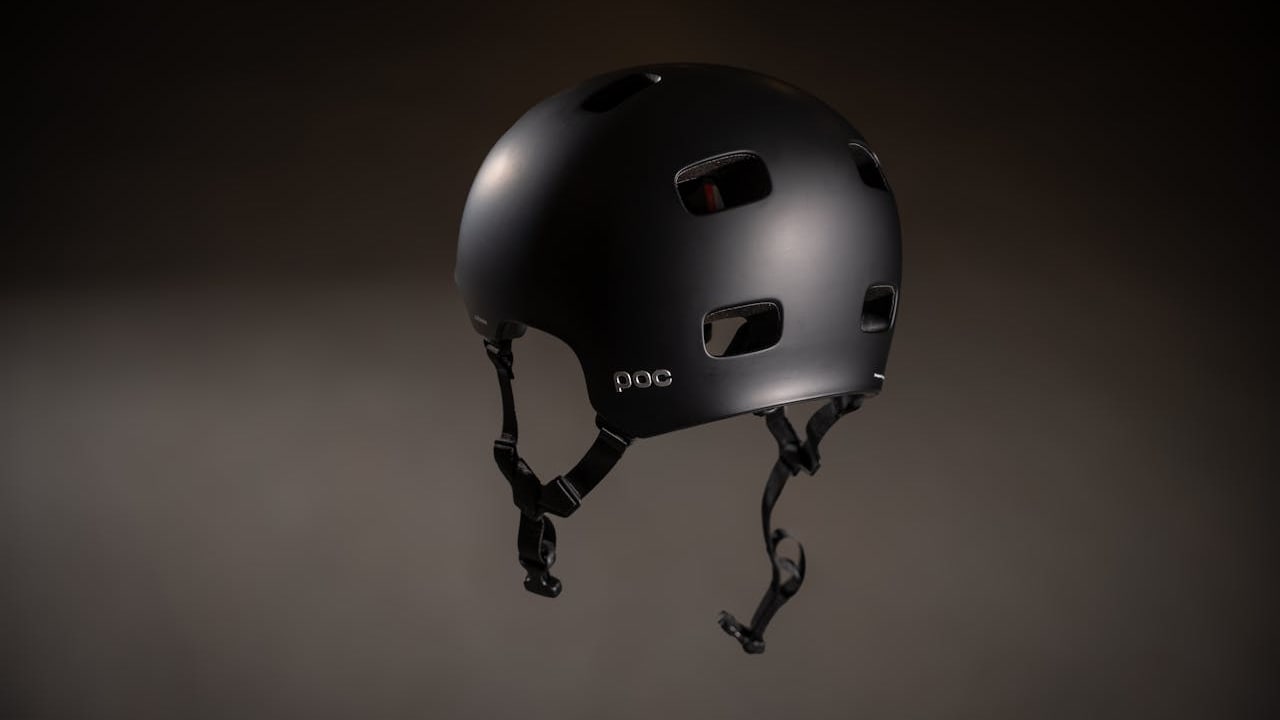
A smelly helmet can turn a breezy commute or weekend ride into a claustrophobic ordeal. Sweat, skin oils, hair products, pollution, and trapped moisture embed into liners and foam, creating that stubborn, sour odour. The good news is you do not need harsh chemicals or a professional valet to fix it. With a focused 5-step routine, you can neutralise smells, remove grime, and protect the materials that keep you safe. Think of it as basic gear hygiene. 15 minutes of care now saves discomfort and money later.
Helmet Odour Try These 5 Step Cleaning Process
Photo Credit: Pexels
This is not just about fragrance. A cleaner helmet manages bacteria and mould, preserves impact-absorbing foams, and makes daily rides feel better. Many riders overclean the wrong parts and underclean the right ones, which shortens lifespan and still leaves odour behind. The following 5-step process is designed for everyday helmets, whether cycling, motorcycling, skating, or scootering, with tweaks for removable and fixed liners. It is simple, budget-friendly, and repeatable. Follow it once, then maintain with small weekly habits. Your head, hair, and wallet will thank you.
Also Read: How To Choose A Helmet That Is Lightweight And Safe For Long Rides
Step 1: Dry And Disassemble Before You Clean
Before any scrubbing, let your helmet dry fully so odours do not lock in. Unclip visors, remove action cams, peel off cheek pads and liners if they are removable, and separate small parts like breath guards or bug meshes. Lay components on a clean towel and take a quick phone photo of their arrangement for easy reassembly. This is the step many people skip. Starting dry makes cleaning faster and more effective. It also prevents water from seeping where adhesives sit. If your liner is not removable, do not force it. You will shift to careful surface cleaning later.
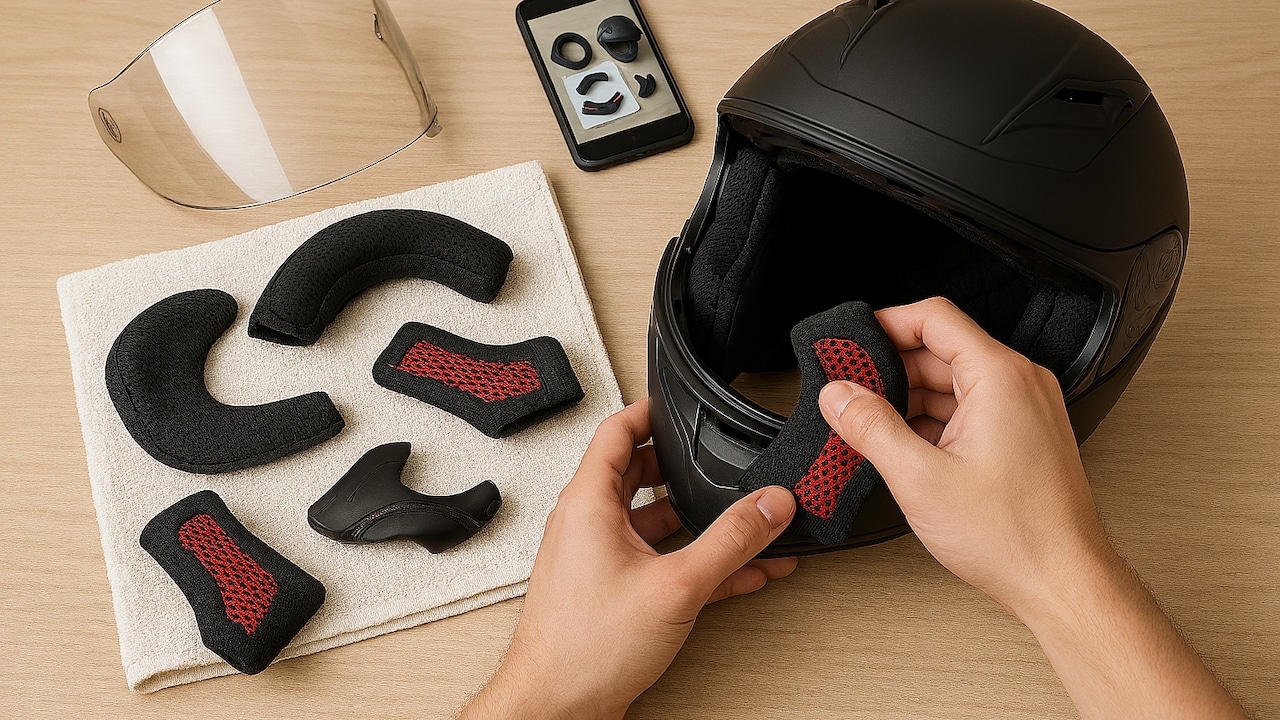
Step 1: Dry And Disassemble Before You Clean
Photo Credit: Copilot
Step 2: Wash Soft Parts Gently For Deep Freshening
Fill a basin with lukewarm water and a small squeeze of pH-neutral liquid soap or baby shampoo. Swish removable liners and pads through the water, pressing rather than wringing to protect foam shape. Focus on high-contact areas such as forehead bands and cheek pads where sweat and sunscreen gather. For straps, use a soft toothbrush and the same solution, paying attention to buckle crevices. Rinse thoroughly until the water runs clear. If odour persists, a second pass with a dilute white vinegar solution can help, followed by a clean water rinse to remove the tang. Pat everything with a towel.
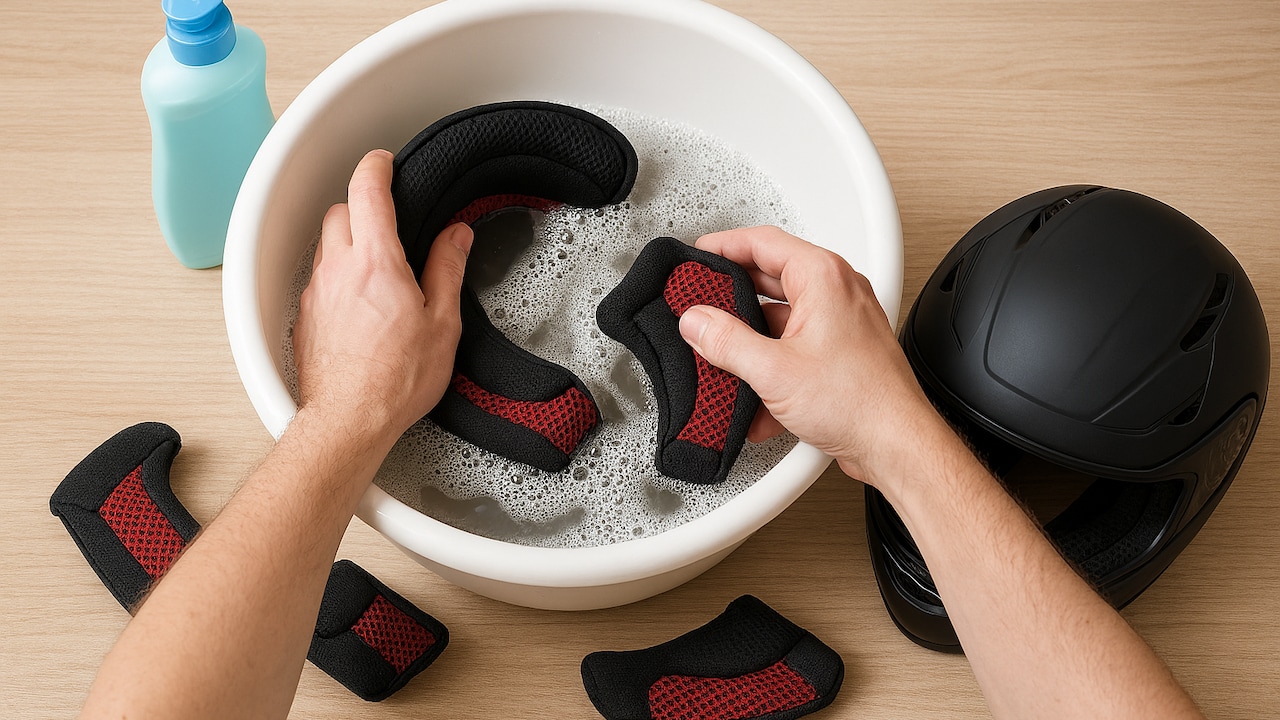
Step 2: Wash Soft Parts Gently For A Deep Freshen
Photo Credit: Copilot
Step 3: Clean The Shell And Vents With Care
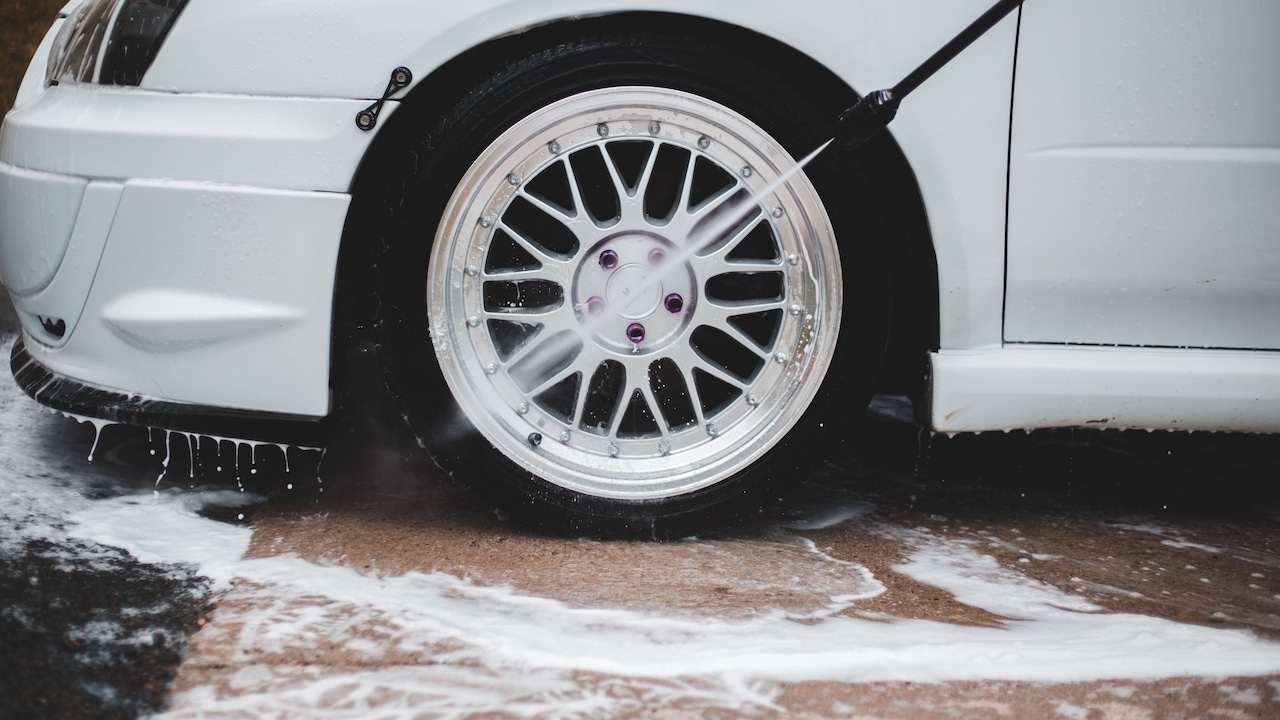
The outer shell collects grime, exhaust dust, and micro grit that works its way into vents. Use a microfibre cloth dipped in the same mild soapy water to wipe the exterior in gentle circles. For vent channels and intakes, a soft paintbrush or a clean makeup brush lifts dust without scratching. Avoid abrasive sponges, which can dull finishes and compromise reflective decals. If your helmet has a visor, clean it separately using water and a small drop of gentle soap, then rinse and blot. For anti-fog coatings, resist the temptation to rub hard. Let water do the work.
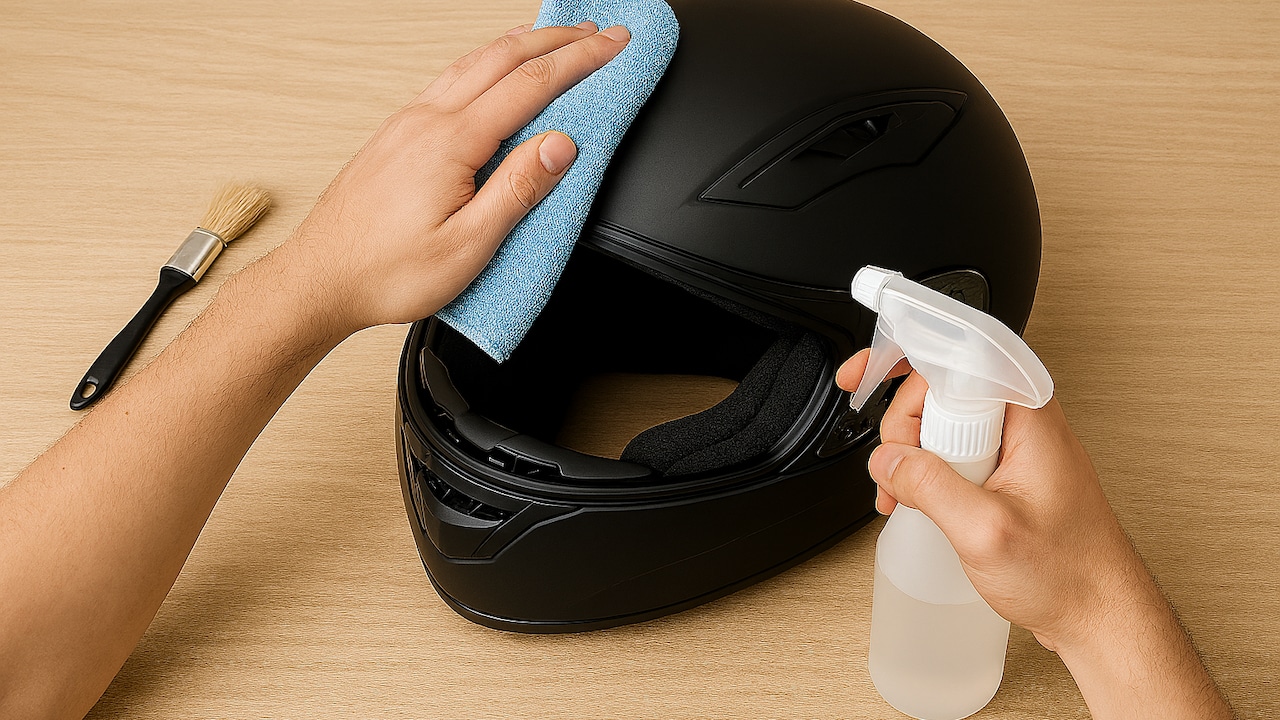
Step 3: Clean The Shell And Vents With Care
Photo Credit: Copilot
Step 4: Disinfect Without Damaging The Foam
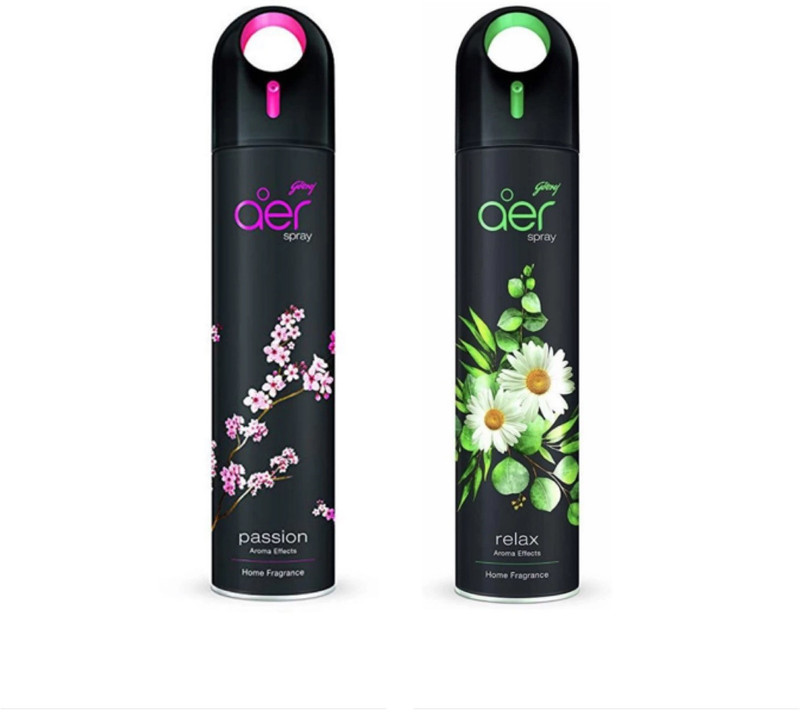
Freshness is part fragrance and part hygiene. To disinfect non-fabric parts, lightly wipe the inner hard shell and buckle hardware with a 70% isopropyl alcohol cloth. Keep alcohol away from expanded polystyrene (EPS) foam and fabric pads to avoid drying or deterioration. If your liner is fixed, use a fabric-safe sanitising spray, mist lightly, and blot with a clean towel. The aim is damp, not drenched. Some riders swear by a single drop of tea tree oil in a spray bottle, but it can be too strong. Personally, I prefer predictable, fabric-safe sprays in light applications.
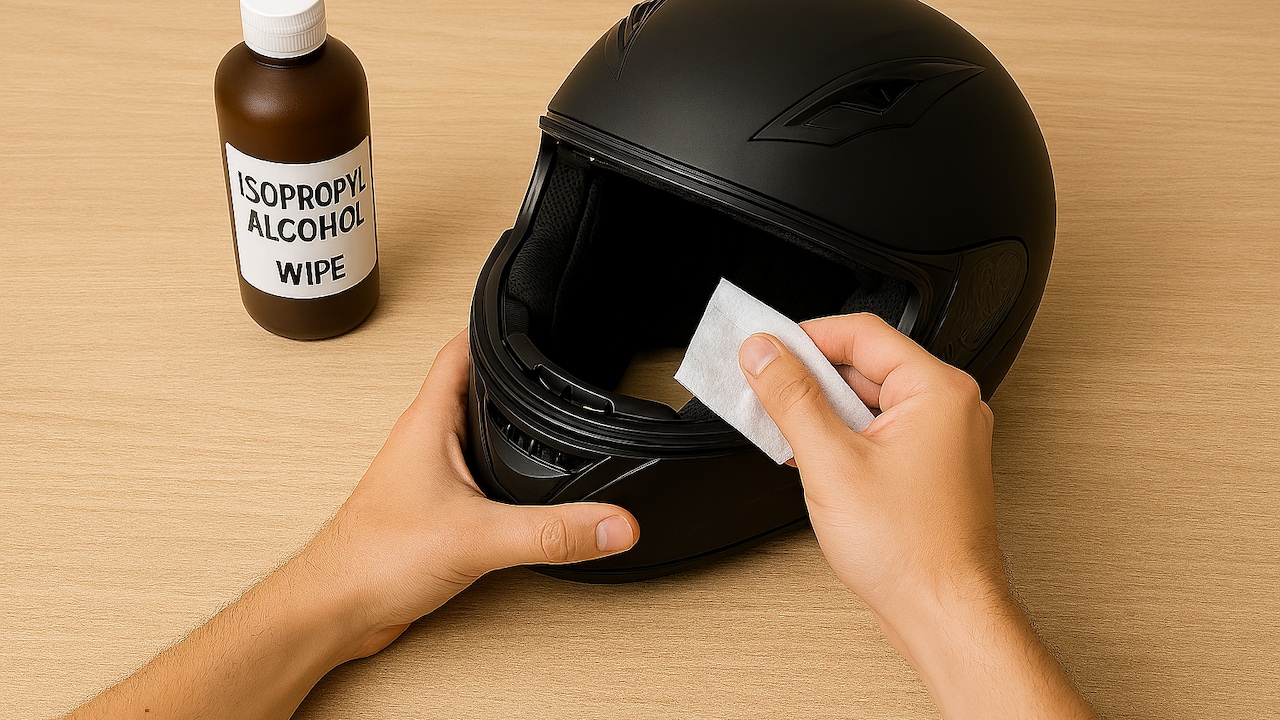
Helmet Odour Try These 5 Step Cleaning Process
Photo Credit: Copilot
Step 5: Dry Slowly And Reassemble Correctly
Drying is where freshness is locked in. Squeeze pads gently with a towel to remove excess water. Air dry everything in a shaded, ventilated spot, ideally near a fan, for several hours. Avoid direct sun for long stretches and never use a hairdryer on hot settings, which can warp plastics and weaken adhesives. Once all parts feel fully dry, check fasteners, relube visor pivots with a drop of silicone safe lube if needed, and reassemble using your reference photo. Finish with a short airing period with the visor open. The first sniff should be neutral, clean, and quietly satisfying.
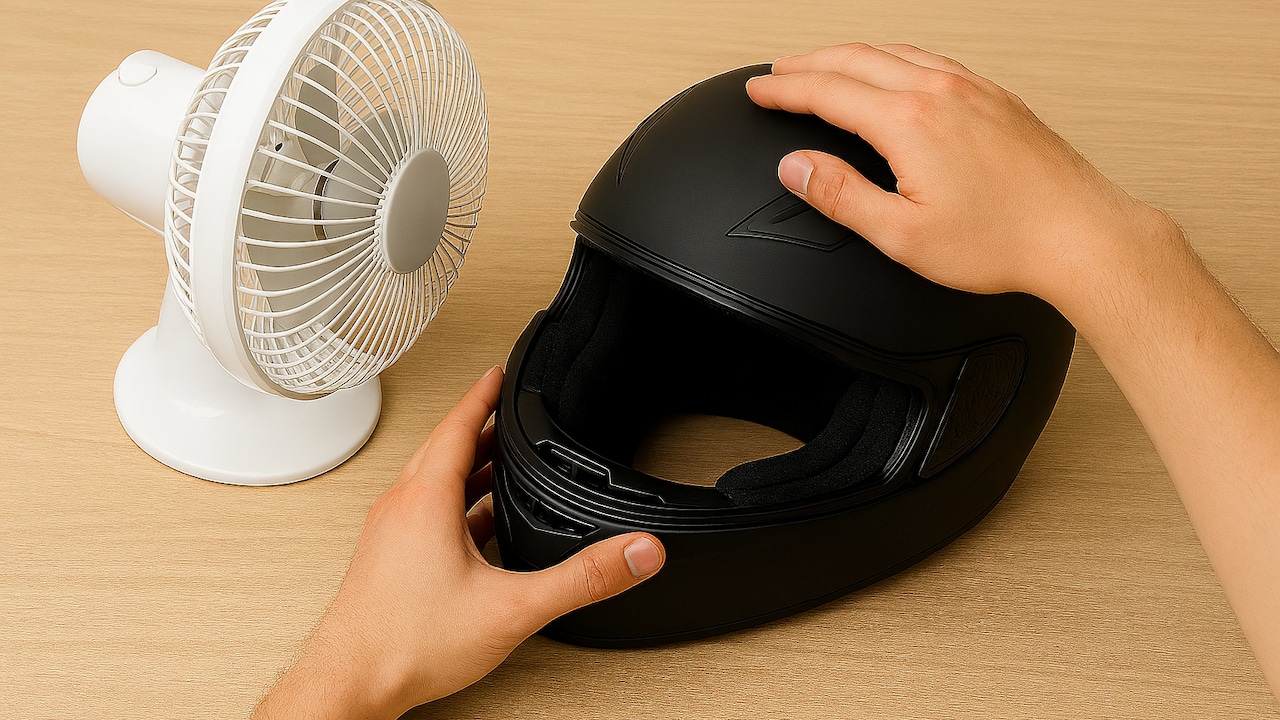
Step 5: Dry Slowly And Reassemble Correctly
Photo Credit: Copilot
Maintenance Habits: Small Moves That Prevent Big Smells
Consistency beats intensity. After sweaty rides, remove the helmet promptly and open vents and visors so heat escapes. Air the helmet in a shaded area rather than leaving it sealed in a bag or top box. Use a thin skull cap or moisture-wicking liner on long or humid rides to catch sweat and oil before they hit the pads. It is a trivial addition that dramatically cuts odour build-up. Once a week, give straps and contact points a quick wipe. Build a monthly reminder to wash reusable pads, and a seasonal reminder to inspect for wear.
What Not To Do: Common Mistakes That Shorten Helmet Life
Even well-meaning cleaning can harm. Do not soak the entire helmet, as water can creep into multi-piece construction and weaken adhesives. Skip harsh solvents, bleach, or strong degreasers that attack EPS and fabrics. Avoid abrasive pads that haze visors or scratch shells. Do not machine wash pads unless the manufacturer explicitly permits it. Avoid leaving the helmet to dry on a radiator or in the hot sun for hours. Finally, never tamper with inner foam layers in pursuit of a deeper clean. If a smell survives proper washing, it is time to replace the pads, not the foam.
When To Replace Pads Or The Entire Helmet
Freshness has limits. If pads stay spongy, misshapen, or retain odour after a proper wash, replacement liners and cheek pads are an inexpensive reset. Many brands offer pad kits that snap right in and feel like new. Look for fraying fabric, compressed foam that does not rebound, or cracked strap stitching as cues to swap. As for the helmet itself, retire it after a significant impact, visible cracks, or around 5 years of use, depending on manufacturer guidance and your mileage. Materials age with sweat, sun, and time. No clean is a fix for compromised protection, and that is the line.
Tech Touches: Smart Add-Ons That Help Keep Things Fresh
A few clever accessories make maintenance easier. Portable helmet dryers that circulate ambient or gently warmed air help after monsoon rides and winter commutes. Clip-in odour absorbers, such as activated charcoal or bamboo inserts, keep the interior neutral between rides. Moisture-wicking skull caps with silver-infused fibres reduce bacterial growth and wash quickly. Even a simple stick-on hook lets your helmet hang and air properly at home. None of these is mandatory, but they create a system where sweat does not linger and the weekly clean becomes a two-minute wipe rather than a monthly rescue mission.
Storage Smarts: Where You Park Your Helmet Matters
The cleanest helmet will still smell if it lives in a damp boot, a sunbaked dashboard, or a musty cupboard. Store your lid in a cool, dry place with air circulation. Keep the visor cracked open to prevent trapped humidity. If you use a bag, choose a breathable one and drop in a small desiccant pack to catch moisture. In rainy seasons, rotate between two sets of pads so one can fully dry. If you share a household gear rack, assign each helmet a dedicated hook to avoid cross-contamination from wet jackets and gloves. Simple habits, big results.
Also Read: 5 Best Helmets Under ₹1000 With ISI Mark: Helmets For City Riders From Studds, Vega To TVS
A fresh-smelling helmet is not vanity. It is comfort, care, and confidence every time you clip in. With a straightforward 5-step process and a handful of sensible habits, you will remove odour, protect materials, and extend the life of your most important piece of kit. Start by drying and disassembling, washing the soft parts, cleaning the shell, disinfecting with care, and drying patiently before reassembly. Then maintain lightly and store smartly. Honestly, once you do it properly, you will wonder why you waited. Clean gear rides better, and you will feel the difference the very next time you roll out.
Best Helmet Care Products To Buy In 2026
1. ShineXPro Helmet Cleaner Spray
2. SUNMORY Foaming Helmet Cleaning Spray
3. Kelvinn Quick Dry Helmet Cleaner
4. Bike Spa & Shine Kit
5. Antson Helmet Cleaner Spray
6. Anti-Bacterial Helmet Cleaner Foam Spray
7. Vista Auto Care Helmet Kleen
8. Castrol All-in-One Helmet Cleaner
9. Kelvinn Quick Dry Helmet Cleaner
10. Vista Auto Care Helmet Kleen
Frequently Asked Questions (FAQs)
Q1. How often should I clean my helmet?
A light refresh weekly and a deeper clean monthly works for most riders. If you sweat heavily, commute daily, or ride in humid weather, increase the frequency to keep odour in check.
Q2. Can I put helmet pads in the washing machine?
Only if the manufacturer's manual explicitly says so. Machine cycles and spin forces can deform foam and loosen stitching. Hand washing with mild soap is safer and usually faster.
Q3. What should I do if my helmet still smells after cleaning?
Run a second gentle wash of the pads and add a dilute white vinegar rinse, then air dry thoroughly. If odour persists, consider replacing the pad kit, which is affordable and very effective.
Q4. Is it safe to use disinfectant sprays inside the helmet?
Use fabric-safe sprays sparingly and avoid soaking the foam. For hard plastic parts and buckles, a 70% isopropyl alcohol wipe is fine. Always patch test on a hidden area first.
Q5. When is it time to replace the entire helmet?
Replace after any significant impact, visible cracks, or according to age guidance, typically around 5 years of use. If the structure is compromised, cleaning will not restore safety, and replacement is the right move.
(Disclaimer: This article may include references to or features of products and services made available through affiliate marketing campaigns. NDTV Convergence Limited (“NDTV”) strives to maintain editorial independence while participating in such campaigns. NDTV does not assume responsibility for the performance or claims of any featured products or services.)