How To Choose A Helmet With Good Ventilation: What Riders Should Know
Poor helmet ventilation can make every ride uncomfortable. Learn what features actually improve airflow, reduce heat and keep riders cool during daily commutes and long journeys.

10 eays tips to find a breathable and well-ventilated helmet
Nothing ruins a ride faster than that sticky, suffocating feeling trapped inside a helmet. The traffic crawls, the sun blazes, and suddenly every signal feels twice as long. Many riders blame the weather, but often the real issue sits right on the head. Helmet ventilation plays a bigger role than most realise. It is not just about comfort; it affects focus, fatigue, and even safety. A poorly ventilated helmet can make short trips feel exhausting, while a well-designed one can turn long rides into a breeze. Choosing the right helmet, however, is not as simple as picking the most stylish option on the shelf. Ventilation systems vary widely, and marketing jargon can easily confuse even experienced riders. This article dives into what truly matters, cutting through the noise to help identify helmets that keep things cool, literally.
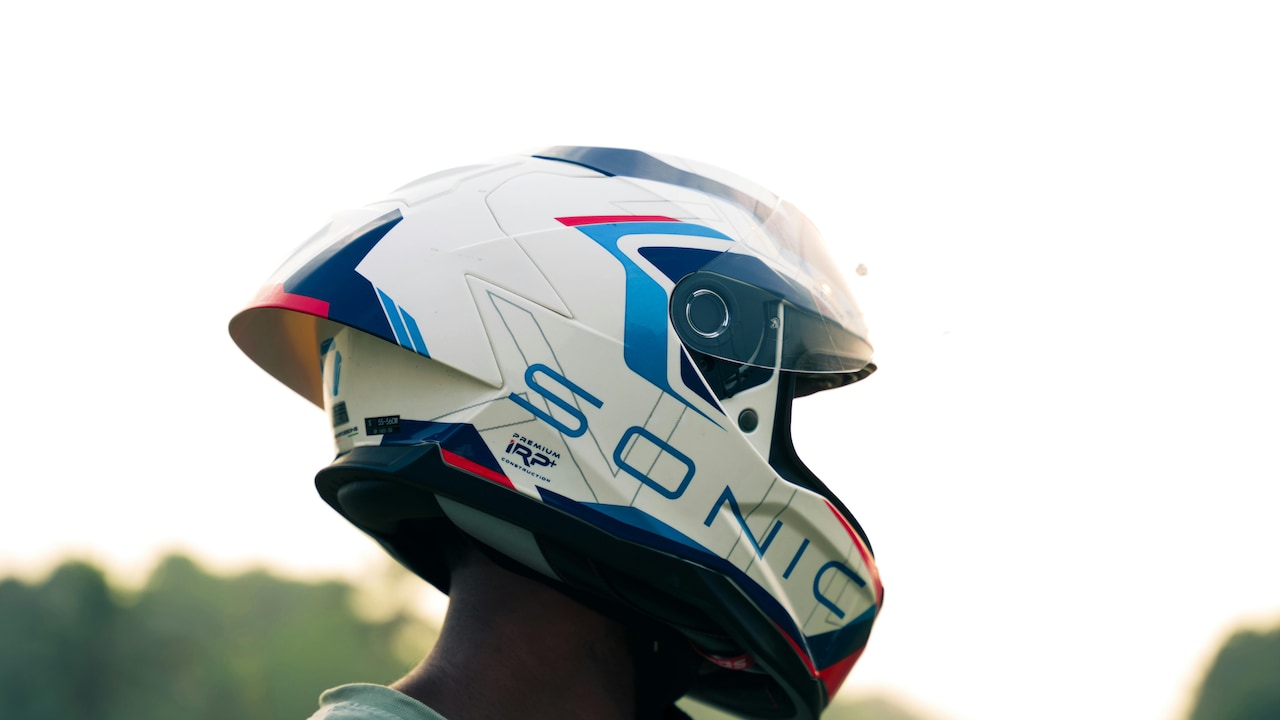
How to choose helmet that doesn't compromise on ventilation; Photo Credit: Pexels
What To Check Before Calling A Helmet “Well Ventilated”
Air Intake Design Matters More Than Looks
At first glance, vents on a helmet may seem like decorative grooves or aggressive styling elements. In reality, their design determines how effectively air flows through the helmet. Larger intake vents positioned at the front play a crucial role in drawing fresh air inside.
When riding through humid streets or under harsh sunlight, a helmet with poorly placed vents can feel like wearing a sealed box. On the other hand, thoughtfully positioned intake vents capture airflow even at moderate speeds. This makes a noticeable difference during stop-and-go traffic.
Helmets with adjustable vents offer an added advantage. Riders can tweak airflow depending on weather conditions, whether it is a scorching afternoon or a breezy evening ride. It is worth checking how easy these vents are to operate, especially while wearing gloves.
A helmet may look sleek and aerodynamic, but without efficient intake vents, that style comes at the cost of comfort. Prioritising function over appearance often pays off in the long run.
Exhaust Vents Are The Unsung Heroes
While intake vents grab attention, exhaust vents quietly do the heavy lifting. They allow hot air to escape, preventing heat build-up inside the helmet. Without proper exhaust outlets, incoming air has nowhere to go, turning the helmet into a warm chamber.
Think of it like a room with open windows but no exit for stale air. The circulation simply does not work. Exhaust vents, typically placed at the rear, create a pressure difference that pulls hot air out as the rider moves forward.
This feature becomes especially important during longer rides. Heat accumulation can lead to discomfort, headaches, and reduced concentration. A well-designed exhaust system keeps the internal temperature balanced, even during peak afternoon hours.
When examining a helmet, it helps to look at the size and placement of rear vents. Subtle design differences can significantly impact how effectively heat escapes. Often, the best-performing helmets are those where intake and exhaust systems work in harmony.
Internal Air Channels Make A Difference
The outer vents are only part of the story. Inside the helmet, a network of channels guides airflow across the head. These channels distribute fresh air evenly, preventing hot spots and ensuring consistent cooling.
Without these pathways, air entering through vents may stagnate in one area, leaving other parts of the head feeling warm and uncomfortable. It is a bit like having a fan pointed at one corner of a room while the rest remains stuffy.
High-quality helmets often feature multi-channel systems built into the inner shell. These channels direct air from the front to the back, enhancing overall ventilation efficiency. Riders may not see these details at first glance, but they make a noticeable difference during use.
Trying on a helmet and inspecting its interior can reveal a lot. A well-ventilated helmet often feels lighter and more breathable, even before hitting the road. It is a subtle detail, yet one that transforms the riding experience.
Padding And Liner Materials Affect Airflow
Comfort padding might feel soft and luxurious, but it can also impact ventilation. Thick, dense padding tends to trap heat, while breathable materials allow air to circulate more freely.
Modern helmets often use moisture-wicking liners that draw sweat away from the skin. This not only keeps the head cooler but also prevents that unpleasant damp feeling during long rides. It is particularly helpful during humid weather, where sweat builds up quickly.
Removable and washable liners add another layer of practicality. Over time, sweat and dust accumulate, reducing the effectiveness of ventilation. Being able to clean the liner helps maintain airflow and hygiene.
A helmet priced around ₹3,000 to ₹7,000 often offers decent liner quality, while premium options above ₹10,000 usually provide advanced fabrics with better breathability. It is a small investment that pays off in everyday comfort.
Fit And Size Influence Ventilation Efficiency
Even the most advanced ventilation system cannot perform well if the helmet does not fit properly. A helmet that is too tight restricts airflow, while one that is too loose allows air to bypass intended channels.
A snug yet comfortable fit ensures that air moves through the designed pathways rather than escaping randomly. This enhances cooling and maintains stability during rides.
Trying different sizes and shapes is essential. Head shapes vary, and a helmet that fits one rider perfectly may feel awkward on another. Spending time to find the right fit can make a significant difference in ventilation performance.
It is also worth noting that padding compresses over time. A helmet that feels slightly firm initially often settles into a comfortable fit after a few rides, maintaining effective airflow without compromising comfort.
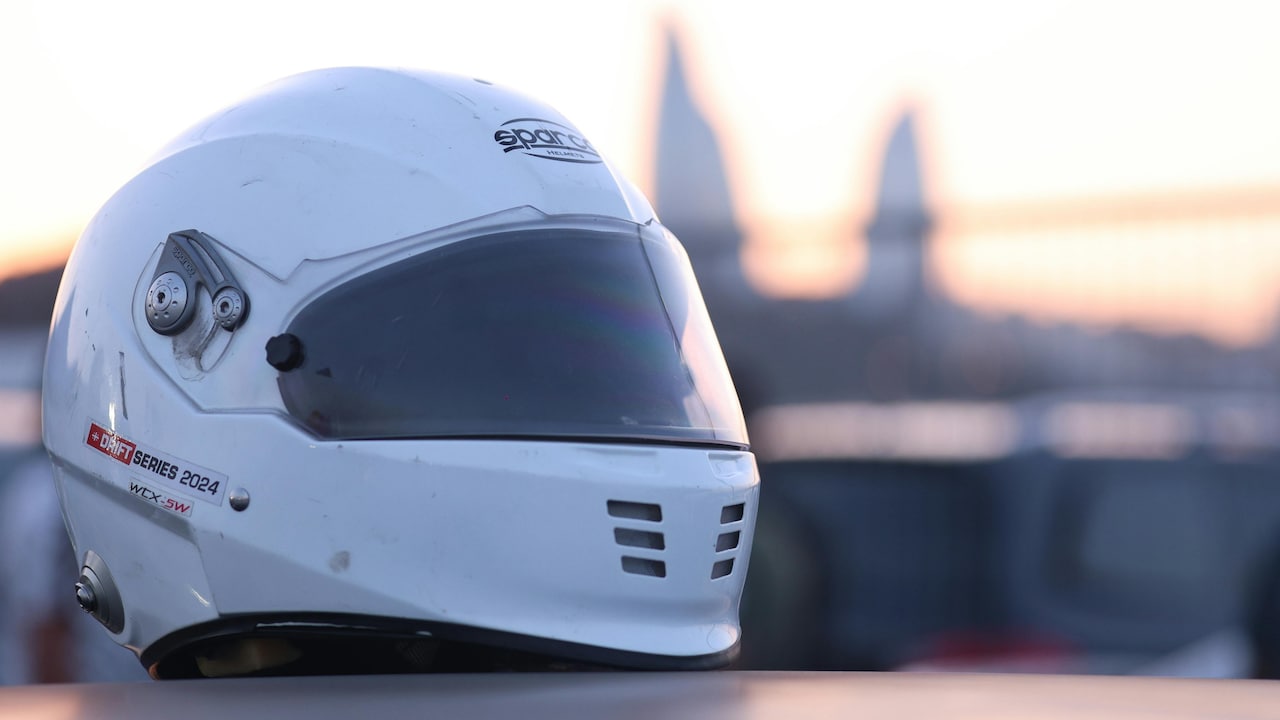
Ensure that the helmet isn't too tight to ensure proper airflow; Photo Credit: Unsplash
Visor Design Impacts Air Circulation
The visor does more than protect against dust and glare. Its design influences how air enters and moves within the helmet. Small gaps or poorly sealed visors can disrupt airflow, while well-designed ones guide air efficiently.
Some helmets feature visor vents that allow controlled airflow without requiring the visor to be opened. This is particularly useful in traffic, where lifting the visor is not always safe or practical.
Anti-fog features also play a role. A foggy visor often leads riders to open it slightly, altering airflow and reducing ventilation efficiency. Helmets with proper anti-fog coatings or inserts help maintain clear vision and consistent airflow.
Attention to visor quality and design ensures that ventilation works as intended, enhancing both comfort and safety.
Shell Shape And Aerodynamics Play A Role
A helmet's outer shape influences how air moves around and through it. Aerodynamic designs reduce drag and improve airflow, allowing vents to function more effectively.
Helmets with smooth contours and well-placed ridges guide air towards intake vents while aiding the extraction of hot air from the rear. This creates a natural flow that enhances ventilation without requiring additional effort from the rider.
Bulky or poorly shaped helmets can disrupt airflow, making ventilation less efficient. This becomes noticeable at higher speeds, where airflow dynamics play a bigger role.
While aerodynamics often get associated with performance riding, they also benefit everyday commuting. A well-shaped helmet feels more comfortable and stable, especially during longer journeys.
Weather Conditions And Riding Style Matter
Ventilation needs vary depending on how and where the helmet is used. City commuting, with frequent stops and slow speeds, demands efficient ventilation even with minimal airflow.
Highway riding, on the other hand, benefits from stronger airflow, making even moderate ventilation systems feel effective. Riders who frequently switch between these environments should look for helmets that perform well in both scenarios.
Seasonal changes also play a role. During peak summer, ventilation becomes critical, while cooler months may require adjustable vents to reduce airflow.
Understanding personal riding habits helps in choosing a helmet that matches specific needs. What works for weekend highway rides may not suit daily office commutes through congested streets.
Weight And Comfort Go Hand In Hand
Heavier helmets tend to trap more heat and feel more tiring over time. Lightweight designs not only reduce strain on the neck but also improve ventilation by allowing better airflow.
Modern materials such as advanced polycarbonate or composite fibres help reduce weight without compromising safety. Helmets in the ₹5,000 to ₹12,000 range often strike a good balance between weight and ventilation.
Comfort also depends on how evenly the helmet distributes pressure. A well-balanced helmet feels lighter and allows air to circulate more effectively, enhancing the overall riding experience.
Choosing a lightweight, well-ventilated helmet makes long rides more enjoyable and less exhausting.
Brand Reputation And Testing Standards Count
Not all helmets deliver on their ventilation claims. Established brands often invest in research and testing to ensure their designs perform in real-world conditions.
Reading reviews and seeking feedback from fellow riders can provide valuable insights. Sometimes, a helmet that looks impressive on paper may fall short in everyday use.
Certifications ensure safety, but ventilation performance often depends on design expertise. Trusted brands usually strike a better balance between safety, comfort, and airflow.
While it may be tempting to save a few rupees, investing in a reliable helmet often proves worthwhile. After all, comfort and safety are not areas where compromises make sense.
Products Related To This Article
1. TVS MissFit Women's Open Face Helmet
2. Vega Edge ISI Certified Full Face Gloss Finish Helmet for Men and Women with Clear Visor
3. Steelbird SBA-20 7Wings ISI Certified Flip-Up Helmet with Black Spoiler for Men and Women with Inner Smoke Sun Shield
4. TVARRA Lotus ISI & DOT(USA) Certified Women's Open Face Helmet Design Helmet
5. Axor Apex Dc Joker ISI ECE DOT Certified Full Face Dual Visor Helmet
A helmet should protect, but it should also breathe. Poor ventilation turns every ride into a test of patience, while a well-ventilated helmet makes even challenging conditions manageable.
From intake vents to internal channels, every detail contributes to how effectively a helmet handles heat and airflow. Understanding these elements helps in making informed choices, rather than relying on looks or price alone.
Riding through busy streets or cruising along open roads feels far more enjoyable when the helmet works with the rider, not against. A little attention to ventilation can transform the entire experience, making each journey cooler, safer, and far more pleasant.
(Disclaimer: This article may include references to or features of products and services made available through affiliate marketing campaigns. NDTV Convergence Limited (“NDTV”) strives to maintain editorial independence while participating in such campaigns. NDTV does not assume responsibility for the performance or claims of any featured products or services.)