Long Riders Want Bluetooth Helmets: But Are They Worth The Upgrade?
Bluetooth helmets promise navigation, music, and seamless communication for long riders. But with higher costs, safety concerns and added maintenance, are they a smart touring essential or just an expensive riding gadget?
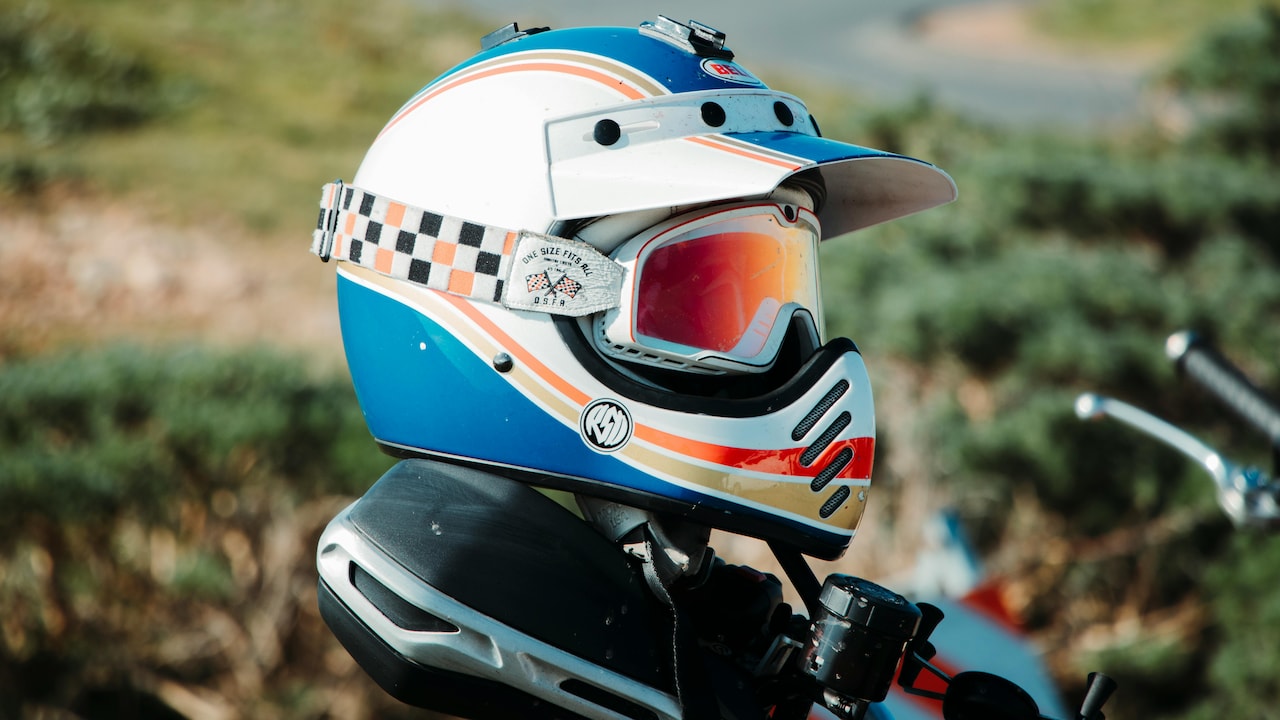
10 things to know about bluetooth helmets before buying one
Long-distance riding has changed dramatically over the years. Gone are the days when a sturdy helmet, a paper map stuffed into a tank bag, and shouted directions at fuel stops defined the touring experience. Modern riders crave convenience. Navigation apps guide every twist and turn, playlists keep spirits high on endless highways, and quick communication has become almost essential for group rides. Bluetooth helmets fit neatly into this evolving lifestyle. They blend traditional protection with technology, offering built-in speakers, microphones, and wireless connectivity. At first glance, it feels like the perfect answer for touring enthusiasts. After all, who wouldn't want seamless navigation while cruising through mountain roads or answering an urgent call without fumbling at the roadside?

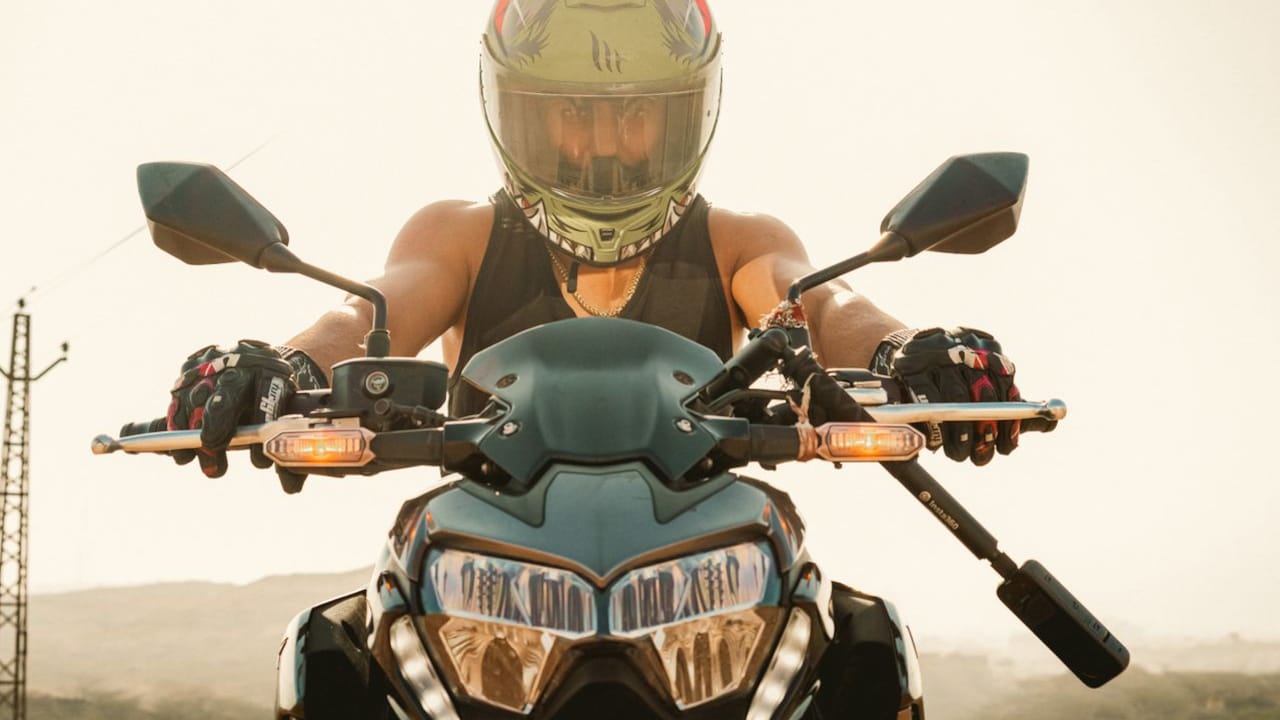
How crucial are Bluetooth helmets for riders; Photo Credit: Pexels
Yet, practicality matters more than novelty when it comes to riding gear. A Bluetooth helmet often costs significantly more than a regular full-face helmet, with prices ranging from ₹8,000 to well above ₹40,000. That raises an important question. Does this investment genuinely improve the riding experience, or does it simply add another gadget to charge and maintain?
For seasoned riders and ambitious road-trippers alike, the answer lies somewhere between comfort, safety, and value.
Also Read: Safe, Sturdy And Affordable, Here Are Top 5 Studds Helmets Under ₹2,000
Why Riders Are Considering Bluetooth Helmets
The Appeal Of Staying Connected On The Open Road
For many touring enthusiasts, the biggest attraction of Bluetooth helmets lies in constant connectivity. Long rides often stretch across unfamiliar highways, winding hill roads, and bustling city outskirts. In these situations, easy access to navigation can feel like a blessing.
Voice-guided directions delivered directly into the helmet remove the need to repeatedly stop and check a smartphone. Riders can stay focused while following routes more efficiently. Group riders also appreciate intercom systems that allow communication without hand signals or roadside huddles.
Then there's entertainment. Endless stretches of road can become mentally exhausting, especially on solo trips. Music, podcasts, or even cricket commentary can add a welcome spark to otherwise repetitive journeys.
For urban professionals who combine daily commutes with occasional touring, Bluetooth helmets offer practical convenience too. Taking calls hands-free may help during emergencies or important moments.
This blend of functionality and leisure makes Bluetooth helmets incredibly appealing. They transform helmets from passive safety gear into active riding companions, offering a sense of modern convenience that traditional helmets simply cannot match.
Safety Concerns Cannot Be Ignored
While the features sound exciting, safety remains the heart of any helmet discussion. A helmet's primary job is protection, not entertainment.
Bluetooth technology introduces potential distractions. Music played too loudly can drown out essential traffic sounds like horns, approaching vehicles, or sirens. Conversations during heavy traffic may split concentration, even for experienced riders.
Some riders argue that navigation prompts improve focus by reducing visual distractions. That may be true, but overdependence on connected features can still create cognitive overload. Riding requires sharp awareness, especially on unpredictable roads where sudden obstacles appear without warning.
Weight also matters. Bluetooth-enabled helmets or aftermarket communication systems may add extra grams, which can impact neck comfort on long journeys.
Quality becomes crucial here. Poorly designed helmets that prioritise technology over protective certification pose genuine risks. Riders should never compromise on safety standards such as ISI, DOT, or ECE approval for the sake of added features.
In simple terms, Bluetooth should remain a secondary benefit. If the helmet sacrifices protection or encourages distraction, the upgrade quickly loses its shine.
Cost Versus Value For Serious Riders
Bluetooth helmets rarely come cheap. Entry-level options may start around ₹8,000, but premium models can easily climb beyond ₹35,000 or more.
For occasional riders, that price can feel steep. A reliable standard full-face helmet paired with a separate Bluetooth communication device may offer better flexibility at a lower cost.
However, for frequent tourers, the equation changes. Long riders spend countless hours on highways, often navigating unknown routes or coordinating with fellow riders. In such cases, integrated systems may justify the expense through comfort and convenience.
Built-in systems often provide better aerodynamics, cleaner designs, and less hassle than external attachments. Riders avoid tangled wires, awkward installations, and compatibility issues.
Still, value depends on usage. Spending ₹30,000 on features used only twice a year makes little financial sense. But for those who regularly tackle routes from Mumbai to Goa or Ladakh expeditions, the investment may feel worthwhile.
Ultimately, Bluetooth helmets are less about luxury and more about frequency. The more the road becomes part of life, the more practical the upgrade can seem.
Comfort Matters More Than Many Realise
Long-distance riding tests endurance in ways casual city rides never do. Helmet comfort can make or break a journey.
Bluetooth helmets often feature improved padding, ventilation systems, and touring-friendly designs. Manufacturers understand that riders investing in connected gear expect comfort alongside technology.
Integrated speakers and microphones usually fit more neatly than aftermarket setups. This reduces pressure points around the ears, a common complaint with external communication systems. Better ergonomics can significantly improve multi-hour rides.
Yet, not all Bluetooth helmets deliver equally. Some budget models compromise internal comfort to accommodate electronics, resulting in awkward fits or poor airflow.
Battery placement can also influence weight distribution. A poorly balanced helmet may create neck fatigue over extended periods.
Trying before buying becomes essential. A helmet that feels fine during a ten-minute store visit might become unbearable after six hours on the highway.
For touring enthusiasts, comfort should carry equal weight to connectivity. A feature-packed helmet means little if it leaves the rider desperate to remove it at every fuel station.
Battery Life And Reliability On Long Tours
Technology introduces one unavoidable dependency: power.
Bluetooth helmets rely on batteries, and battery anxiety can quickly become a nuisance during long trips. Riders covering hundreds of kilometres may find themselves juggling charging schedules along with fuel stops and accommodation plans.
Premium models often offer 10 to 20 hours of battery life, which usually covers a day's ride. However, using music, calls, and intercom simultaneously can drain power faster than expected.
Charging options matter too. USB-C support, quick charging, and power bank compatibility make a noticeable difference.
Reliability under varied weather conditions also deserves attention. Dusty highways, sudden monsoon showers, and rough terrain can challenge electronic components.
Traditional helmets, of course, avoid these complications entirely. They simply work.
For riders who prefer simplicity, Bluetooth helmets may feel like unnecessary technological baggage. But for gadget-friendly tourers willing to manage charging routines, the convenience often outweighs the inconvenience.
Like smartphones, Bluetooth helmets offer impressive benefits, provided riders stay prepared.
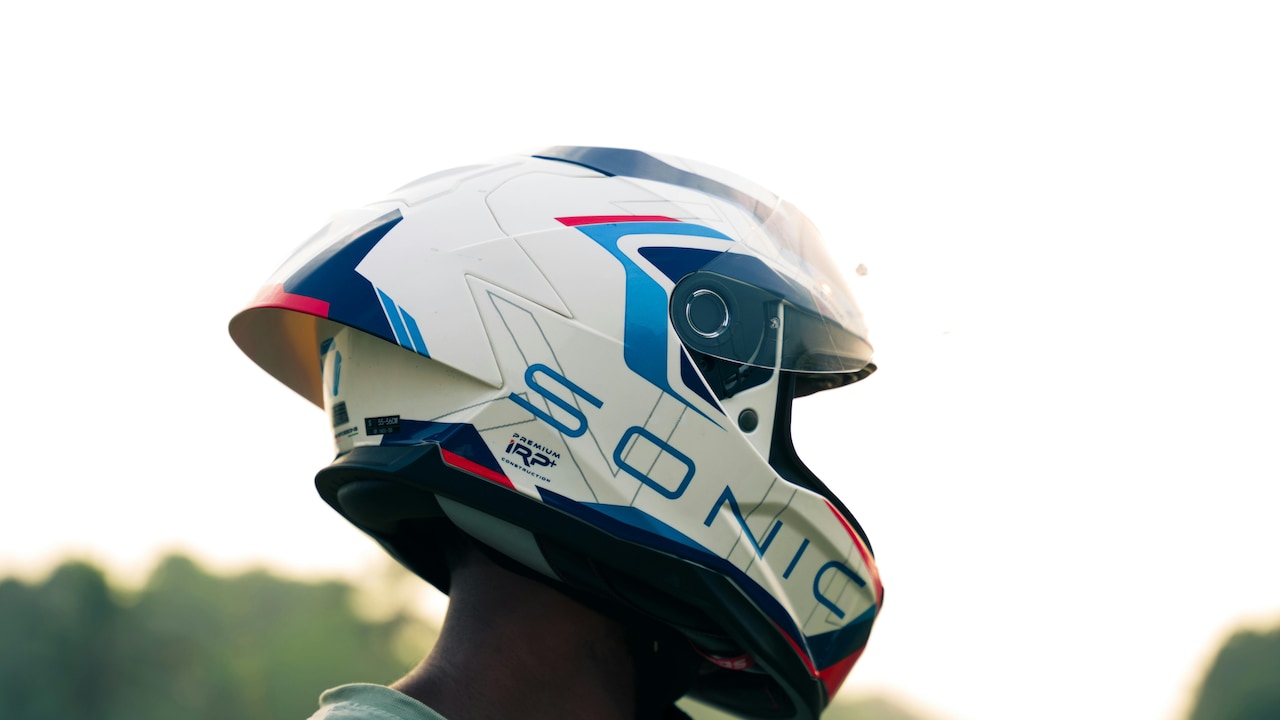
Bluetooth helmets rely on batteries which can cause a nuisance during long trips; Photo Credit: Pexels
Group Riding Becomes Far More Efficient
Group tours often bring unforgettable memories, but they also create logistical headaches. Coordinating fuel stops, warning about potholes, or adjusting routes can become chaotic without proper communication.
Bluetooth intercom systems address this beautifully. Riders can communicate instantly, making group travel smoother and safer.
Lead riders can warn others about sudden road hazards. Tail riders can report delays or breakdowns. Conversations also add camaraderie, making long stretches feel less isolating.
This functionality proves especially useful during challenging rides through mountain roads, forest routes, or remote highways where mobile networks may fail.
However, intercom quality varies significantly between brands. Premium helmets typically offer clearer audio and longer communication ranges, while budget options may struggle.
For dedicated riding clubs or touring groups, Bluetooth helmets can genuinely enhance coordination and reduce stress.
In these scenarios, the upgrade feels less like a luxury and more like a strategic tool that improves both safety and enjoyment on shared adventures.
Maintenance Can Become A Hidden Challenge
A traditional helmet requires basic cleaning, visor maintenance, and occasional liner replacement. Bluetooth helmets add another layer of responsibility.
Electronic systems need software updates, charging, troubleshooting, and protection from moisture. Speakers or microphones may wear out over time. Battery performance can degrade after repeated use.
Repairs may also cost more. Replacing integrated communication systems often proves more expensive than swapping out external accessories.
For riders who value straightforward reliability, this added complexity may feel frustrating. Not every touring enthusiast wants to troubleshoot pairing issues before a sunrise ride.
Premium brands usually offer better support, but servicing can still involve delays or added expenses.
That said, tech-savvy riders may not view this as a major drawback. For them, maintenance becomes part of owning advanced gear, much like caring for action cameras or navigation devices.
Still, it's worth acknowledging that Bluetooth helmets demand more attention than standard options. Convenience on the road may sometimes come at the cost of extra effort off it.
Are Bluetooth Helmets Suitable For Every Rider?
Not every rider needs a Bluetooth helmet, despite the growing hype.
Daily commuters navigating crowded streets may find limited benefit beyond occasional navigation. Budget-conscious riders may prefer investing in superior protective gear, riding jackets, or better tyres instead.
Adventure tourers, highway cruisers, and frequent road-trippers stand to gain the most. Their journeys often involve longer hours, group rides, and route complexities where connectivity shines.
Riding style matters too. Some riders cherish the pure, unplugged joy of motorcycling. For them, engine sounds, wind rush, and roadside banter form the essence of the experience. Bluetooth features may feel intrusive rather than helpful.
Others embrace technology wholeheartedly, viewing smart helmets as natural progress.
The key lies in honest self-assessment. Buying a Bluetooth helmet simply because it feels trendy can lead to regret. Choosing one because it aligns with actual riding habits creates genuine value.
Personal riding philosophy matters just as much as technical features.
The Future Of Riding Gear Is Clearly Smart
Bluetooth helmets represent only the beginning of smart riding gear. Features like heads-up displays, integrated cameras, crash detection, and voice assistants continue to emerge.
As technology advances, prices may gradually become more accessible. Better battery efficiency, lighter materials, and stronger safety integration could make future smart helmets even more compelling.
For now, Bluetooth helmets occupy an interesting middle ground between practical touring accessory and lifestyle upgrade.
They are not essential for every rider, but they undeniably signal the direction in which riding culture is heading.
Much like smartphones once seemed excessive before becoming everyday essentials, connected riding gear may eventually become standard.
Today's riders simply face the classic early-adopter dilemma: invest now for convenience or wait for better, cheaper options tomorrow.
Either way, smart helmets are no passing trend. They are steadily reshaping how modern riders experience the road.
Products Related To This Article
1. HEADFOX N2F Sharp Full Face Bluetooth Helmets for Bike
2. Vega Bolt Superhero Smart Bluetooth Full-Face Helmet
3. HEADFOX N2F Wolf Full Face Bluetooth Helmet for Bike
4. Axor x Altor Apex Smart Bluetooth ECE DOT ISI Certified Full Face Helmet for Bike
5. Steelbird Crazy Doe Bluetooth Full Face ISI Certified Motorcycling Helmet for Men with Inner Smoke Sun Shield
Bluetooth helmets offer undeniable advantages for long-distance riders. They improve navigation, streamline communication, and add entertainment to demanding journeys. For touring enthusiasts who spend serious time on highways, these benefits can justify the higher price.
However, they are not universally necessary. Safety, comfort, maintenance, and actual riding habits should guide the decision far more than flashy features.
For some, a Bluetooth helmet will feel like an invaluable travel companion. For others, it may simply be an expensive gadget with limited practical value.
The best approach remains clear. Prioritise protection first, then consider technology as an enhancement rather than a necessity.
Because on every great ride, the destination matters, but arriving safely matters far more.
(Disclaimer: This article may include references to or features of products and services made available through affiliate marketing campaigns. NDTV Convergence Limited (“NDTV”) strives to maintain editorial independence while participating in such campaigns. NDTV does not assume responsibility for the performance or claims of any featured products or services.)