Why Some Bike Covers Trap Moisture Instead Of Protecting Bikes From Damage
Some bike covers trap moisture instead of protecting your ride. Poor breathability, humidity, and everyday habits create condensation, leading to rust and damp surfaces, even without rain.
Why Some Bike Covers Trap Moisture Instead Of Protecting
A bike parked under a cover should feel safe, shielded from rain, dust, and harsh sunlight. That's the idea most riders sign up for when spending anywhere between ₹300 and ₹2,000 on a cover. Yet, the reality often turns frustrating. Lift the cover after a humid night, and there it is, condensation clinging to the tank, droplets sliding off the mirrors, and sometimes even patches of rust quietly forming. The irony feels almost cruel. A cover meant to protect ends up doing the opposite. The culprit, however, isn't just the material. Weather patterns, parking habits, and even the way a cover gets draped play a role. In cities where humidity lingers like an uninvited guest, this issue becomes even more noticeable.
Understanding why some bike covers trap moisture rather than repel it can save both money and effort. More importantly, it keeps a bike looking sharp and running smoothly. Because no one enjoys wiping down a wet seat before a morning ride or discovering that tiny rust spots have quietly spread overnight.
Why Some Bike Covers Trap Moisture Instead Of Protecting
Photo Credit: Amazon
Understanding Why Bike Covers Fail To Keep Moisture Away
1. The Illusion Of Waterproof Protection
A waterproof label often feels reassuring. It suggests that rain cannot seep through and that the bike underneath remains untouched by moisture. However, waterproof does not always mean breathable. Many low-cost covers rely on plastic-like materials that block water from entering but also trap any moisture already inside.
Picture a freshly washed bike covered immediately. The surface might appear dry, yet tiny droplets linger in crevices. Once sealed under a non-breathable cover, that moisture has nowhere to escape. Over time, it builds up, creating a damp environment that mimics a greenhouse.
Even covers exposed to sudden temperature changes behave similarly. Daytime heat warms the air trapped underneath. When night falls, that warm air cools and condenses into water droplets. The result? A bike that feels wetter under the cover than it would have in open air.
The promise of waterproofing, while appealing, often hides this critical drawback. Without proper ventilation, even the best-looking cover can turn into a moisture trap.
2. Breathability Matters More Than Thickness
Thicker materials often get mistaken for better protection. Many assume that a heavy, dense cover offers superior shielding against the weather. While thickness can guard against physical elements like dust and debris, it does little to address moisture retention.
Breathable fabrics, on the other hand, allow air circulation. This movement helps evaporate trapped moisture instead of locking it in. Covers designed with ventilation panels or specialised fabric layers strike a balance between protection and airflow.
Consider two bikes parked side by side. One sits under a thick, plastic cover, while the other rests beneath a lighter, breathable one. After a humid evening, the first bike may feel clammy, while the second remains relatively dry.
Breathability often gets overlooked during purchase decisions. Price and durability dominate attention, while airflow quietly takes a back seat. Yet, this single factor can determine whether a bike stays fresh or slowly succumbs to hidden moisture damage.
3. Humidity: The Silent Trouble Maker
Humidity rarely gets the blame it deserves. In coastal cities or during monsoon months, the air itself carries moisture. Even without rain, this moisture settles on surfaces, including bikes.
When a cover encloses a bike in such conditions, it traps humid air inside. With no ventilation, that moisture condenses on cooler surfaces like metal parts and seats. Over time, this leads to rust, mildew, and an unpleasant smell that refuses to go away.
Even a short overnight cover can cause noticeable dampness. Riders often notice foggy mirrors or slightly wet grips early in the morning. These subtle signs hint at a larger issue brewing beneath the surface.
Humidity works quietly, without dramatic downpours or visible leaks. It seeps into every corner, making breathable covers and proper ventilation essential rather than optional. Ignoring it often leads to long-term damage that becomes costly to fix.
4. Improper Covering Habits Add To The Problem
A cover's effectiveness depends heavily on how it gets used. Throwing it over a bike without checking for trapped water or ensuring a proper fit can worsen moisture buildup.
A loose cover flaps around, allowing humid air to enter while preventing proper airflow. Conversely, an overly tight cover restricts ventilation entirely. Both situations create conditions where moisture thrives.
Covering a bike immediately after a ride can also contribute. Engines and exhaust systems retain heat, which warms the air beneath the cover. As temperatures drop, condensation forms rapidly. The same applies to covering a bike right after washing without allowing it to dry fully.
Small habits, often overlooked, make a noticeable difference. Taking a few extra minutes to ensure the bike is dry and the cover is fitted correctly can prevent hours of frustration later. The difference between a dry bike and a damp one often lies in these simple actions.
Also Read: Ride In Style: Shop Premium Bike Cycles For Men Under ₹5,999 On Amazon
5. Material Quality Plays A Bigger Role Than Price
A higher price tag does not always guarantee better performance. Some expensive covers focus on aesthetics or branding rather than functionality. Meanwhile, certain mid-range options use advanced fabrics that offer both water resistance and breathability.
Polyester blends with ventilation layers tend to perform better than basic PVC covers. These materials resist water while allowing trapped moisture to escape. They also adapt better to temperature changes, reducing condensation.
Cheaper covers often skip these features to cut costs. The result is a product that looks protective but fails in real-world conditions. Riders may save ₹200 initially, only to spend far more on maintenance later.
Choosing the right material requires a closer look beyond marketing claims. Understanding how a fabric behaves in varying weather conditions proves far more valuable than simply trusting the label or price.
Why Some Bike Covers Trap Moisture Instead Of Protecting
Photo Credit: Amazon
6. Condensation: The Hidden Enemy
Condensation often gets mistaken for leakage. Many riders assume that water has seeped through the cover when, in reality, it has formed from within.
Warm air trapped under the cover meets cooler surfaces, leading to the formation of water droplets. This process happens even without rain, making it particularly frustrating. A perfectly dry evening can still result in a damp bike by morning.
Metal parts feel the impact most. Bolts, chains, and exposed components begin to show signs of rust if condensation persists regularly. Seats and grips may also absorb moisture, leading to discomfort during rides.
Understanding condensation shifts the focus from blaming the cover to addressing ventilation and usage habits. Preventing it requires airflow, proper drying, and choosing materials that minimise temperature-related moisture buildup.
7. Parking Location Influences Moisture Levels
Where a bike gets parked plays a crucial role. Open areas exposed to wind allow better airflow, reducing moisture accumulation. In contrast, enclosed or poorly ventilated spaces trap humid air.
Basements and shaded corners often feel cooler, which encourages condensation. Even a high-quality cover struggles in such conditions if airflow remains restricted.
Parking under trees might seem convenient, but it introduces additional moisture from leaves and dew. Combined with a cover, this creates a damp environment that persists for hours.
A slight shift in parking habits can make a noticeable difference. Choosing a spot with better air circulation or occasional sunlight helps reduce moisture buildup. While not always possible, even small adjustments can improve outcomes significantly.
8. Seasonal Changes Amplify The Issue
Different seasons bring unique challenges. Monsoons naturally increase moisture levels, making condensation more frequent. However, winter mornings can be equally problematic due to temperature drops.
During colder months, warm air trapped under a cover cools quickly overnight, leading to condensation. Riders often notice dampness even without rain, which can feel confusing.
Summer, while dry in many regions, still presents challenges in humid areas. Sudden rain showers followed by heat create ideal conditions for moisture to linger under covers.
Adapting cover usage to seasonal changes proves essential. What works during summer might fail during monsoon. Recognising these shifts helps riders make smarter decisions, ensuring consistent protection throughout the year.
9. Ventilation Features Often Get Ignored
Many modern covers include small vents or mesh panels designed to improve airflow. Unfortunately, these features often go unnoticed or undervalued during purchase.
Vents allow trapped air to escape while preventing water from entering. They reduce condensation significantly, especially in humid conditions. Without them, even high-quality materials struggle to maintain a dry environment.
Some riders worry that vents compromise waterproofing. In reality, well-designed vents balance both needs effectively. They keep rain out while allowing moisture to exit.
Paying attention to these details can transform the overall experience. A cover with proper ventilation feels less like a sealed container and more like a protective shield that works with the environment rather than against it.
10. Maintenance Of The Cover Itself Matters
A cover requires care just like the bike it protects. Dust, grime, and accumulated moisture on the cover can affect its performance over time.
A dirty cover may lose its water-resistant properties, allowing moisture to linger on its surface. When placed over a bike, this dampness transfers easily, creating a cycle of trapped moisture.
Regular cleaning and occasional drying of the cover help maintain its effectiveness. Storing it properly when not in use also prevents mould and unpleasant odours.
Ignoring cover maintenance often leads to gradual deterioration. What once worked well begins to fail, leaving the bike exposed to hidden moisture issues. A little care goes a long way in preserving both the cover and the bike underneath.
Why Some Bike Covers Trap Moisture Instead Of Protecting
Photo Credit: Pexels
A bike cover should protect, not create new problems. Yet, many covers fall short due to poor breathability, unsuitable materials, and everyday habits that trap moisture inside. The issue rarely stems from a single factor. Instead, it builds from a mix of humidity, condensation, and usage patterns.
Choosing the right cover involves more than picking the thickest or cheapest option. Breathable fabrics, proper ventilation, and mindful usage make all the difference. Even small adjustments, like allowing a bike to dry before covering or selecting a better parking spot, can prevent long-term damage.
A dry bike not only looks better but also performs reliably. Rust-free components, fresh seats, and a clean finish reflect the care invested in maintenance. And that satisfaction, lifting a cover to find a perfectly dry machine, feels worth every thoughtful choice made along the way.
Some Bike Covers Available Online You May Like
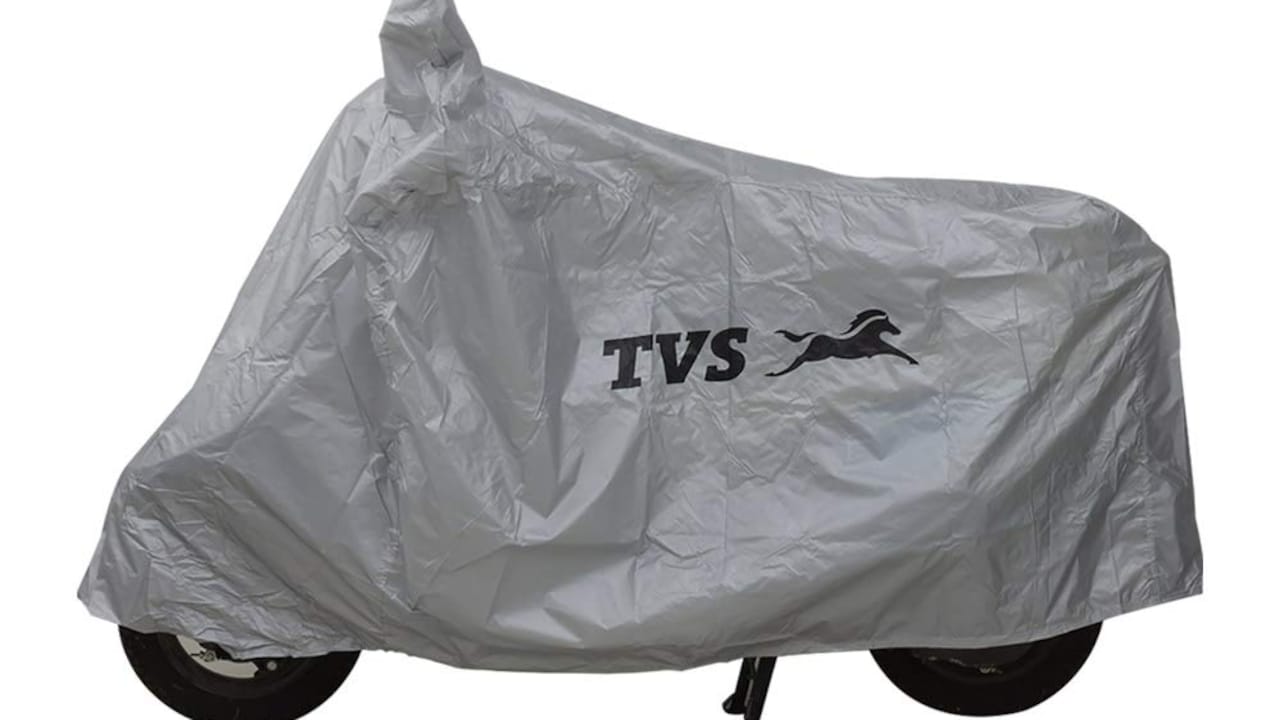
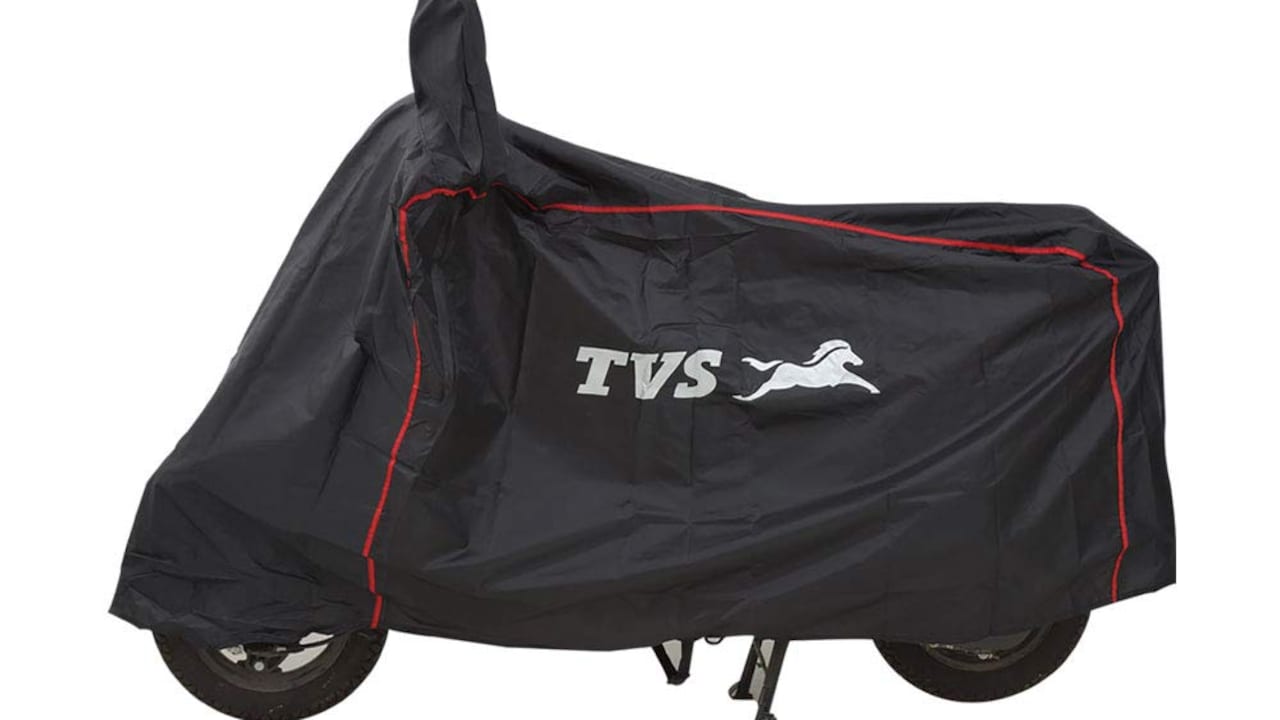
1. TVS Bike Cover for Rain with UV Protection
2. Autofy Universal Bike Cover UV Protection & Dustproof Bike Body Cover
3. Waterproof Bike Body Cover Compatible with RE Classic 350 Dustproof Scratchproof
4. Bike Body Cover Compatible with Bullet 350 Cc Full Body Cover with Waterproof
5. Kayme Classic 350 Water Resistance Bike Cover Heavy Duty Premium Taffeta Motorcycle Cover
(Disclaimer: This article may include references to or features of products and services made available through affiliate marketing campaigns. NDTV Convergence Limited (“NDTV”) strives to maintain editorial independence while participating in such campaigns. NDTV does not assume responsibility for the performance or claims of any featured products or services.)