How To Stop Your Helmet From Feeling Too Hot During Longer Rides
A helmet can become uncomfortably hot during long rides, especially in warm weather and slow traffic. From improving airflow to choosing the right liner, these practical fixes can help keep your head cooler without compromising safety.

Tips to prevent helmets from feeling hot during rides
A helmet can feel perfectly comfortable when a ride begins. Twenty minutes later, though, things may change dramatically. Your forehead feels damp, the padding sticks to your skin, and every traffic signal seems to last twice as long. On a warm afternoon, the inside of a helmet can start feeling less like protective gear and more like a tiny portable greenhouse. Heat inside a helmet doesn't come from one source. Warm weather plays a role, but airflow, helmet fit, padding, riding speed and even what you wear underneath can make a noticeable difference. City traffic creates another problem. A ventilation system that works beautifully at 60 km/h may do very little when you are crawling between vehicles at walking pace.

Why do helmets become hot during long rides
Photo Credit: Pexels
The answer isn't to compromise on protection by loosening straps, riding with the visor wide open in risky conditions or switching to unsuitable headgear. Small changes can make longer rides far more comfortable while keeping the helmet secure. Here are ten practical ways to reduce that trapped, sweaty feeling when the road ahead isn't going to be short.
Also Read: Matte, Printed And More: Explore Stylish Steelbird Helmets For Safer Rides
10 Practical Ways To Keep Your Helmet Cooler And More Comfortable During Long Rides
1. Make Sure The Helmet's Air Vents Are Actually Open
Helmet vents can be surprisingly easy to forget. Some riders leave the vents closed after a rainy ride and don't notice until the next hot afternoon. Others may not even realise their helmet has adjustable intake and exhaust vents.
Check the controls before setting off. Most full-face helmets use front vents to bring cooler air around the chin and forehead, while rear exhaust vents help warm air escape. Both matter. Opening only the front vents won't work as efficiently if hot air has nowhere to leave.
Dust can also interfere with ventilation over time. Riding regularly on busy roads exposes a helmet to fine dust, pollution and insects. These can partly block narrow ventilation channels. Cleaning the exterior openings gently during routine helmet maintenance can help restore airflow.
Ventilation works best once the motorcycle starts moving, so don't expect dramatic cooling while parked. Still, properly opened vents can make the difference between tolerable warmth and a soaked helmet liner after an hour on the road.
2. Avoid Wearing A Helmet That Is Too Tight
A new helmet should fit snugly, but snug doesn't mean painfully tight. Excessive pressure around the forehead, temples or cheeks can make heat feel much worse because the padding presses firmly against the skin and leaves little room for air to circulate.
Helmet padding normally softens slightly with regular use. However, a helmet that causes headaches, deep pressure marks or significant discomfort after a short ride may simply be the wrong size or shape.
Head shape matters just as much as the number printed on the size label. Two helmets marked medium can feel completely different because one may suit a rounder head while another works better for a longer oval shape.
When trying on a helmet, wear it for several minutes rather than making a decision after twenty seconds in front of a mirror. It should remain secure when you move your head, but it shouldn't create sharp pressure points.
A properly fitted helmet won't suddenly turn summer into winter, but reducing unnecessary pressure can make long rides noticeably less tiring and sweaty.
3. Wear A Thin Moisture-Wicking Skull Cap
Adding another layer inside a hot helmet sounds like exactly the wrong idea. With the right material, however, a thin skull cap or helmet liner can actually improve comfort.
The key is moisture management. Sweat sitting directly between your scalp and the helmet padding creates that sticky, clammy feeling familiar to anyone who has spent an afternoon riding through slow-moving traffic. A lightweight moisture-wicking liner helps move perspiration away from the skin and spreads it across a larger surface where it can evaporate more efficiently.
Avoid thick cotton caps. Cotton absorbs sweat readily but tends to hold onto moisture, which can leave the inside of the helmet feeling damp for longer. Thin technical fabrics designed for sports or cycling usually work better.
A washable liner also has another advantage: it takes much of the sweat, hair oil and grime that would otherwise soak into the helmet padding.
During particularly humid weather, it won't eliminate perspiration completely. Still, removing and washing a small liner after every few rides feels far easier than repeatedly cleaning an entire helmet interior.
4. Keep The Helmet Liner Clean
A helmet liner doesn't stay fresh forever. Sweat, skin oils, hair products and road dust gradually build up in the padding, especially when the helmet gets used almost every day.
Dirty padding can feel warmer because the fabric loses some of its ability to handle moisture effectively. It may also develop that unmistakable old-helmet smell that becomes painfully obvious the moment you remove it indoors.
If your helmet has removable cheek pads and liners, follow the manufacturer's cleaning instructions. Usually, gentle hand washing with mild soap works better than aggressive detergents or hot water. Let everything dry completely before reinstalling it.
Never put damp padding back into the helmet simply because you need to leave quickly. Moisture trapped inside thick foam can produce unpleasant odours and create an uncomfortable environment during the next ride.
For regular commuters, rotating between a washable skull cap and routine liner cleaning can make a remarkable difference. A fresh interior won't lower the temperature by several degrees, but it makes sweat far easier to tolerate.
5. Choose Your Visor Position Carefully
The temptation to lift the visor completely during slow traffic can be strong. Suddenly, air reaches the face and everything feels better.
Unfortunately, leaving the visor fully raised while riding can expose your eyes and face to dust, insects and small debris. A tiny stone doesn't need much speed to ruin an otherwise ordinary commute.
Many helmets have a slightly cracked visor position that allows additional airflow without opening the entire front. If your helmet supports this setting, it can help during slow sections of a journey. Some models also include dedicated chin ventilation that directs air upwards towards the visor and face.
At higher speeds, closing the visor generally provides better protection and often lets the helmet's designed ventilation system work more efficiently.
Also check whether your visor mechanism moves freely. Dirt around hinges can make small adjustments frustrating, which often leads riders to keep the visor either completely open or completely closed.
Think of the visor as part of the ventilation system rather than merely a transparent shield. Small adjustments can dramatically change how stuffy the helmet feels.
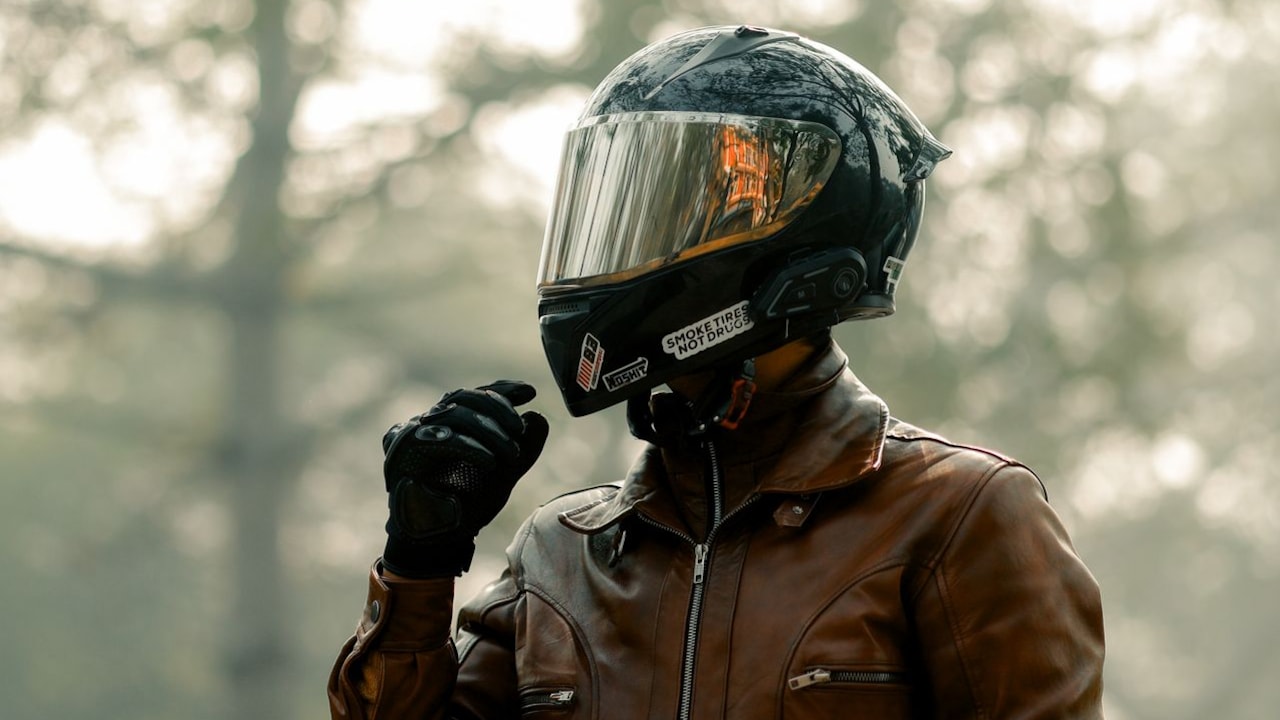
Choose a suitable visor position during rides; Photo Credit: Pexels
6. Reduce Heat Build-Up During Traffic Stops
Even an excellent ventilation system struggles when the motorcycle isn't moving. This explains why a helmet can feel comfortable on an open stretch of road but suddenly become unbearable after ten minutes of crawling traffic.
Whenever you stop safely for a longer period, such as at a petrol station or designated rest area, taking the helmet off for a few minutes can release accumulated heat and moisture. For genuinely long journeys, these short cooling breaks can make the second half of the ride far more comfortable.
At traffic lights, opening adjustable vents and slightly cracking the visor can help if conditions allow. Once movement resumes, close or adjust the visor as required.
Don't loosen the helmet strap simply to create airflow. A loose strap reduces the helmet's ability to stay properly positioned when protection matters most.
Long-distance riders sometimes focus heavily on reducing journey time, but arriving five minutes earlier isn't much of a victory if the final hour feels miserable. A short break, some water and a little shade can reset your comfort surprisingly quickly.
7. Avoid Thick Hair Products Before Long Rides
Hair wax, heavy styling creams and oily serums may not seem connected to helmet temperature, but they can make the interior feel much more uncomfortable.
When hair products mix with sweat, they create a sticky layer that transfers easily onto helmet padding. The liner then feels greasy faster and may retain moisture and odour.
For a long ride, keeping hair relatively clean and light can improve comfort. Those with longer hair should also avoid bulky hairstyles that create pressure points inside the helmet. A large bun tucked under the shell, for example, can alter how the helmet sits and make ventilation less effective.
Keep hair arrangements simple and compatible with a secure helmet fit. Never choose a hairstyle that forces you to wear a larger or looser helmet than required.
This may sound like a minor detail, but anyone who has removed a helmet after an hour in summer heat knows how quickly sweat and hair products can become an unpleasant combination.
Saving the heavy styling products for after the ride may be the easier solution.
8. Pick Lighter-Coloured Helmets When Practical
A black helmet can look sharp, but darker surfaces generally absorb more solar radiation than lighter ones. When a helmet spends long periods under strong sunshine, that additional heat absorption may contribute to how warm the shell becomes.
That doesn't mean everyone needs to replace a perfectly good dark helmet. Ventilation, construction, fit and safety certification matter far more than colour alone.
However, if you are already shopping for a new helmet and frequently ride during hot daytime conditions, colour can become one small factor in the decision. White, silver and other lighter finishes may feel more sensible for riders who regularly spend hours under direct sunlight.
There is another practical advantage. Bright helmets can sometimes improve visibility to other road users, particularly against darker surroundings.
Whatever colour you choose, safety standards and correct fit should come first. A poorly fitted white helmet isn't a better choice than a properly fitted black one.
Think of helmet colour as one piece of the heat-management puzzle rather than a magical cooling solution. Several small improvements working together usually produce the biggest difference.
9. Choose A Helmet With Effective Ventilation When Replacing It
Not all ventilation systems perform equally. Some helmets have vents that look impressive but move surprisingly little air. Others channel air efficiently across the scalp and out through rear exhaust ports.
When your current helmet eventually needs replacing, pay attention to ventilation design rather than simply counting visible vents.
Look for clearly positioned intake vents near the chin and forehead, along with rear exhaust channels. Reviews from riders who use the helmet in warm climates can also reveal whether those vents work well outside an air-conditioned showroom.
Removable and washable liners deserve attention too. Breathable interior fabrics can make long rides much more pleasant, particularly for daily commuters.
Don't compromise recognised safety certification, shell integrity or fit for extra airflow. Ventilation is a comfort feature, while impact protection remains the helmet's primary job.
A helmet can represent a sizeable purchase, so there is no harm in spending fifteen or twenty minutes wearing different models at the shop. Your head will tell you more during that test than a glossy product description ever will.
10. Plan Long Rides Around The Hottest Part Of The Day
Sometimes the easiest way to keep your helmet cooler has nothing to do with the helmet itself.
If a journey allows flexibility, starting earlier in the morning or later in the afternoon can reduce exposure to intense midday heat. The difference becomes especially noticeable on long stretches where shade disappears and the road radiates heat upwards.
This doesn't mean rearranging your entire life around the weather. Daily commuting rarely offers that luxury. Weekend rides, intercity journeys and recreational trips, however, usually provide more flexibility.
Route planning matters too. A slightly longer road with steady traffic may feel more comfortable than a shorter route filled with signals and congestion. Helmet ventilation depends heavily on moving air, so constant stop-start riding can make heat build up quickly.
Hydration also matters during longer journeys. Feeling dehydrated can make heat much harder to tolerate, even when the helmet itself hasn't become significantly warmer.
Check the weather, carry water and schedule sensible breaks. Heat management works best when the helmet, rider and journey plan all work together.
Products Related To This Article
1. TVS Cruisetown Open Face Helmet
2. STUDDS | RAY ISI Certified Open FACE Helmet
3. TVARRA Lilt Women's Open Face Helmet for Scooty
4. Vega Cruiser ISI Certified Matt Finish Lightweight & Compact
5. O2 Open Face / Half face Helmet Unisex for Bike Women Men
6. Steelbird SBH-23 Brutal ISI Certified Open Face Helmet
7. Vega Aster Dx ISI Certified Full Face Motorcycle Helmet
8. Axor Apex Ascetic Motorcycle Helmet | Triple Certified
A hot helmet doesn't automatically mean you bought the wrong one. Long rides combine body heat, sunshine, humidity, traffic and limited airflow, so even good helmets can become uncomfortable.
Start with the simple fixes: open and clean the vents, keep the liner fresh, use a lightweight moisture-wicking layer and check that the helmet fits correctly. During longer trips, short breaks and smarter ride timings can help even more.
Most importantly, never trade safety for a cooler head. Loosening the strap, riding without proper protection or choosing an oversized helmet creates far bigger problems than sweat. The goal isn't to make a helmet feel like an air-conditioned room. It is to make the heat manageable enough that you can stay comfortable, focused and properly protected until the ride ends.
(Disclaimer: This article may include references to or features of products and services made available through affiliate marketing campaigns. NDTV Convergence Limited (“NDTV”) strives to maintain editorial independence while participating in such campaigns. NDTV does not assume responsibility for the performance or claims of any featured products or services.)