Does Stronger AC Airflow Make Car Fragrance Last Longer? 10 Air-Freshener Myths Explained
Does stronger AC airflow make car fragrance last longer? Not always. Discover 10 common air-freshener myths and learn how airflow, heat, placement and cabin conditions really affect scent and longevity.
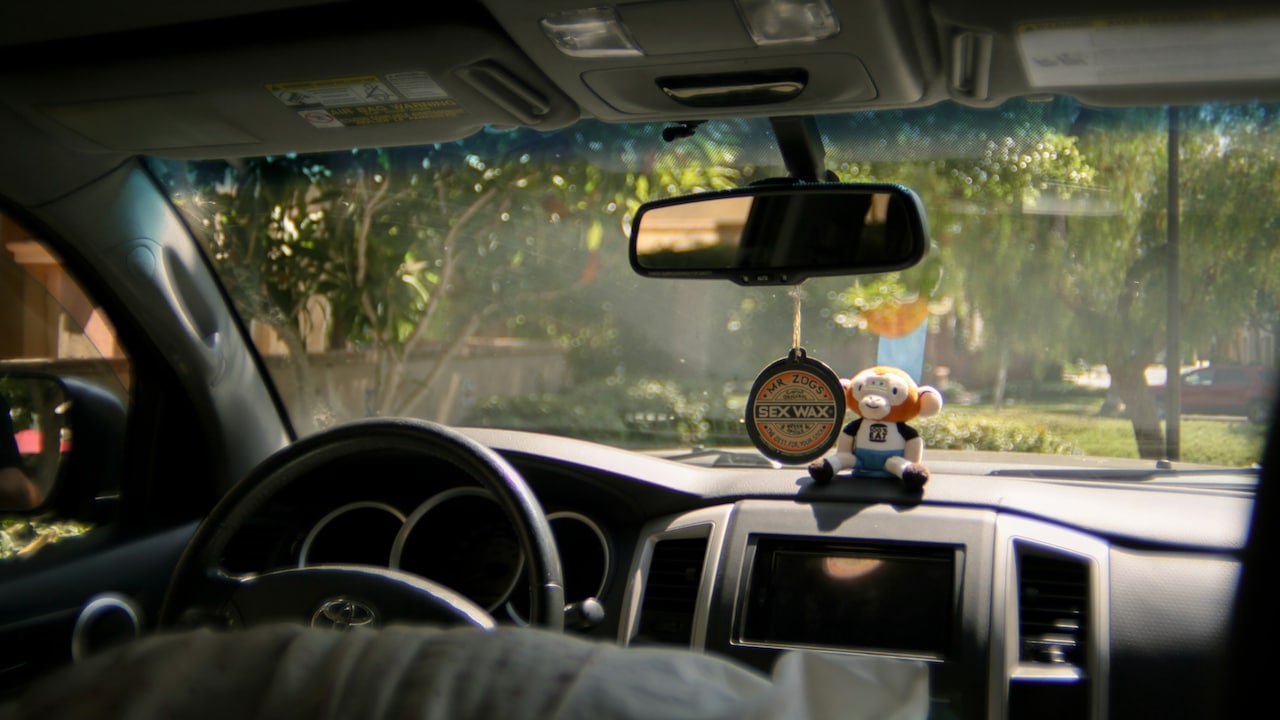
Common air freshener myths to know before adding one to your vehicle
A pleasant-smelling car can make even a slow crawl through weekday traffic feel slightly more civilised. Whether the favourite scent is citrus, sandalwood, lavender or that mysterious “new car” aroma, a good fragrance adds a small touch of comfort to everyday journeys. Yet car air fresheners often come with their own collection of folklore. Someone says hanging the freshener near an AC vent makes it last longer. Someone else insists that leaving it in the sun strengthens the fragrance. Then there is the classic solution to every unwanted smell: simply add another freshener.

How to make car air perfumes last longer
Photo Credit: Unsplash
The problem is that fragrance does not quite work that way. Temperature, airflow, moisture, fragrance concentration and cabin cleanliness all influence how a scent behaves. Stronger airflow may make fragrance easier to notice, for example, but rapid evaporation can shorten its useful life. A perfume can also cover a smell temporarily without addressing what caused it. So, before giving the AC fan another enthusiastic twist, here are ten air-freshener myths that deserve some fresh air of their own.
Also Read: Best Air Fresheners for Cars: Gentle Scents That Will Not Trigger Headaches On Long Drives
10 Car Air-Freshener Myths You Should Stop Believing
1. Stronger AC Airflow Makes Car Fragrance Last Longer
This sounds perfectly logical. If cool air blows past an air freshener, surely the fragrance should circulate better and remain noticeable for longer.
The first half is often true. The second is where the myth falls apart.
Stronger airflow can distribute fragrance molecules around the cabin more quickly. A vent-mounted freshener may therefore smell more intense when the AC fan runs at a higher setting. However, faster air movement can also speed up evaporation from scented gels, liquids, cards and vent clips.
Think of wet clothes drying on a breezy balcony. Moving air helps moisture escape more quickly. Fragrance materials can behave in a similar way.
That means a powerful AC setting may produce a stronger burst of scent while using up the fragrance faster. The result feels impressive initially but may not improve longevity.
For everyday use, moderate airflow usually offers a better balance. It spreads the fragrance without constantly pushing maximum air across the product. Stronger does not always mean longer-lasting; sometimes it simply means quicker.
2. A Stronger-Smelling Freshener Will Always Last Longer
Opening a new air freshener and getting an immediate wave of perfume can feel reassuring. Surely something that smells this powerful must have plenty of staying power.
Not necessarily.
Fragrance strength and fragrance longevity are different things. Some products release a large amount of scent early in their life, creating an intense first impression before fading relatively quickly. Others release fragrance gradually and may seem milder while continuing to work for weeks.
Cabin temperature matters too. Step into a parked car after an afternoon in intense summer heat and a freshener may suddenly smell far stronger than it did during the morning commute. Heat encourages volatile fragrance compounds to evaporate faster.
Personal scent perception complicates matters further. After spending time around the same fragrance, the nose gradually becomes less responsive to it. The freshener may still release scent even though the regular driver barely notices it.
So that dramatic first sniff tells only part of the story. A balanced, steady fragrance often proves more useful than one that announces itself like a wedding-band speaker.
3. Keeping An Air Freshener In Direct Sunlight Makes It Work Better
A little heat can certainly increase fragrance release, which probably explains why this myth survives. Place a scented product on a hot dashboard and the aroma may become noticeably stronger.
The trouble starts when “stronger” gets confused with “better”.
Cars parked outdoors can become extremely hot, especially during warmer months. High temperatures may accelerate evaporation, causing liquid or gel fresheners to lose fragrance faster than expected. Excess heat can also affect packaging, adhesives and plastic components.
Direct sunlight adds another concern. Prolonged ultraviolet exposure can gradually alter some fragrance ingredients and fade coloured materials.
A dashboard freshener might therefore produce a satisfying burst of scent after sitting in the sun, but that extra intensity may come at the expense of useful life.
The smarter location depends on the product. Vent clips belong on vents, hanging fresheners need suitable hanging space, and containers should remain secure and upright. Avoid treating the dashboard like a fragrance tandoor. Controlled exposure usually works far better than roasting the product every afternoon.
4. Air Fresheners Can Remove Bad Smells From The Cabin
A fragrance can make an unpleasant cabin smell less noticeable, but masking an odour is very different from removing its source.
Consider the familiar case of takeaway food forgotten under a seat overnight. Adding a powerful lemon freshener may create something resembling “citrus with yesterday's biryani”, but the original problem remains.
Common odour sources include damp carpets, spilled drinks, food crumbs, dirty seat fabric, tobacco residue, mould, clogged cabin filters and moisture trapped in the AC system. Unless the source disappears, fragrance can only compete with it.
Cleaning should therefore come before scenting. Vacuum the cabin, wipe hard surfaces, wash removable mats and check hidden areas beneath the seats. A persistent damp or musty smell may also justify inspecting the cabin filter or AC system.
Once the cabin smells neutral, even a relatively subtle freshener can work beautifully.
Treat fragrance as the finishing touch after cleaning rather than a substitute for it. Perfume belongs on a clean shirt, not on one that still needs washing.
5. Hanging Fresheners Work Best On The Rear-View Mirror
The rear-view mirror feels like the natural home for a hanging freshener. Drivers see them there so often that the location almost seems official.
It is not automatically the best place.
A hanging freshener needs air movement around it, and the mirror position can provide that. However, anything hanging in the driver's field of vision may become distracting, particularly when it swings during braking, cornering or enthusiastic negotiations with potholes.
The product may also knock against nearby surfaces. Some scented materials contain oils or chemicals that can damage plastic, trim or other finishes after prolonged contact.
A better position keeps the freshener secure, allows reasonable airflow and avoids blocking the driver's view or touching interior surfaces. The exact spot depends on the vehicle and freshener design.
The same principle applies to decorative charms and oversized accessories. A windscreen should help the driver see the road, not resemble a festival stall.
Fragrance placement matters, but visibility and safety matter more. The nicest-smelling journey still needs a clear view ahead.
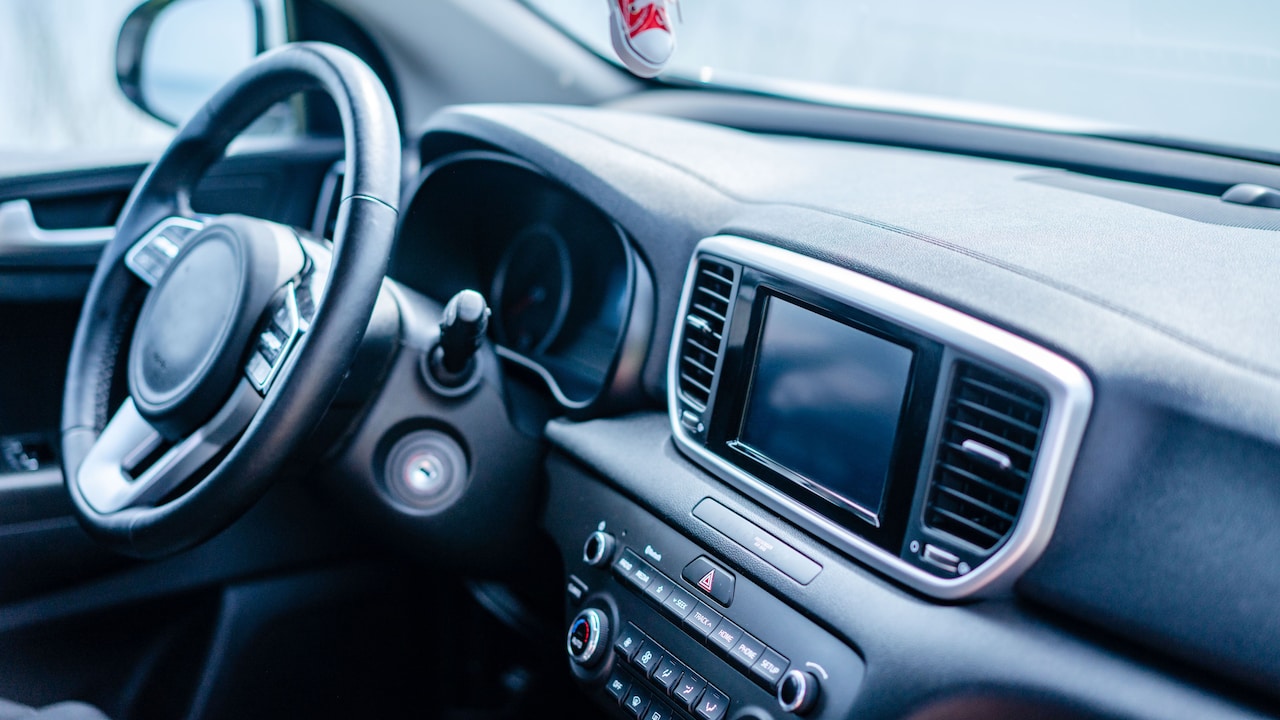
Hanging car air fresheners on the rear-view mirror may not be safe while driving; Photo Credit: Pexels
6. Using Two Or Three Fresheners Makes The Car Smell Better
When one freshener seems weak, doubling the quantity feels like the obvious fix. Sometimes people go further: one vent clip, one hanging card and perhaps a gel container near the cup holder for good measure.
The cabin can quickly turn into a perfume counter on wheels.
More fragrance does increase scent concentration, but that does not guarantee a more pleasant result. Excessive fragrance can become cloying and may trigger discomfort for passengers who are sensitive to strong smells. Headaches, nausea or irritation can turn a supposedly relaxing drive into an unpleasant experience.
Mixing several different fragrances can also create strange combinations. Citrus, vanilla and marine scents might sound harmless separately but can become confusing together.
If one air freshener seems ineffective, first check whether it has reached the end of its useful life or whether another cabin odour is overpowering it. Position can also affect performance.
A single suitable product at the right intensity often works better than several competing scents. Cars have limited cabin space, after all. Fragrance does not need a crowd to make an entrance.
7. Closing All Windows Makes Fragrance Last Much Longer
Keeping the windows closed can temporarily preserve a noticeable fragrance because less scented air escapes from the cabin. That part gives the myth a little credibility.
However, a permanently sealed cabin does not magically stop the freshener itself from releasing fragrance.
The product continues evaporating according to its formulation, temperature and surrounding airflow. A closed car sitting in the sun may actually become hotter, which can accelerate fragrance loss.
Fresh air also matters for comfort. If passengers, food, damp umbrellas or everyday dust create stale cabin air, keeping everything tightly closed may trap those smells alongside the fragrance.
There is nothing wrong with briefly opening the windows to refresh the interior. Once the AC starts running, the freshener can rebuild its presence quite quickly.
Recirculation mode can also make fragrance seem more noticeable because the climate-control system keeps moving cabin air around rather than continuously bringing in outside air.
Still, no ventilation trick can freeze an air freshener in time. The product will eventually fade, windows open or not. Freshness requires balance, not permanent lockdown.
8. AC Temperature Has No Effect On Car Fragrance
Air-conditioning temperature can influence how a fragrance behaves, although the relationship is not as simple as “colder means weaker” or “hotter means better”.
Fragrance compounds evaporate more readily in warmer conditions. That is why an air freshener may smell much stronger when entering a sun-heated car than after the cabin has cooled down.
Once the AC lowers the cabin temperature, evaporation may slow. A vent-mounted freshener also receives a stream of cool air directly, which can change how quickly its fragrance reaches the rest of the cabin.
Humidity, airflow and product design add more variables. A liquid vent clip does not behave exactly like a scented cardboard freshener or a gel container.
The practical lesson is simple: dramatic temperature swings can change both fragrance intensity and lifespan.
There is little value in adjusting the AC purely to manipulate a freshener. Set the climate system for passenger comfort and allow the fragrance to do its job naturally.
Nobody needs to endure a freezing drive on the Western Express Highway merely to rescue another week from a ₹300 vent clip.
9. If You Stop Smelling The Freshener, It Must Be Finished
This is one of the easiest myths to believe because the evidence seems obvious. Yesterday the car smelled of lavender; today it barely does. Time for a replacement.
Perhaps, but not always.
The human sense of smell adapts quickly to familiar aromas. After regular exposure, the brain starts treating a constant scent as background information. This process, often called olfactory adaptation, explains why a driver may stop noticing a fragrance that a passenger detects immediately.
The same thing happens at home. People often cannot smell their usual room fragrance until they return after spending several hours elsewhere.
Before replacing a car freshener, step away from the scent for a while and check again later. A family member or passenger can also offer a useful second opinion.
Of course, fresheners do eventually run out. Liquids disappear, gels shrink and scented cards lose their aroma.
The point is that the nose is not always an accurate fuel gauge. Sometimes the product still works perfectly well; the brain has simply stopped sending breaking-news alerts about it.
10. Expensive Air Fresheners Always Last Longer Than Cheap Ones
Price can reflect better packaging, more sophisticated fragrance blends, attractive design or stronger branding. It does not automatically guarantee greater longevity.
A ₹700 premium freshener might offer a refined scent but release it quickly. A simpler ₹150 product could last longer because its design restricts evaporation. Neither price alone nor packaging provides enough information.
Product type matters considerably. Vent clips depend on airflow. Hanging cards gradually release fragrance from their material. Gel fresheners expose fragrance as the gel evaporates. Liquid diffusers may allow users to control how much scent escapes.
Cabin conditions also influence performance. Two drivers can use the same product and get different lifespans because one parks in covered spaces while the other leaves the car under strong sunlight every afternoon.
Value therefore comes down to more than the number on the price tag.
Look at how the freshener releases scent, whether its intensity can be adjusted and whether the fragrance suits the cabin. The best purchase is the one that smells pleasant without demanding replacement every few fuel stops.
Products Related To This Article
1. WONDER FRESH Set Of 6 Pocket Room Air Freshener
2. Belachi Pink Rose Air Freshener
3. AuraCam Pack Of 4 Organic Camphor Car Air Freshener
4. WILDPLAY Lemon Car Air Freshener
5. LLUM Black & Brown Black Oud & Amber Vanilla Fragrance Car AirFreshener
6. The Old Natural Snif Diamond Lavender Love Hanging Car Air Freshener & Refill
7. INVOLVE One Frenchwood Organic Fiber Car Perfume
So, does stronger AC airflow make car fragrance last longer? In most cases, no. Higher airflow can spread scent around the cabin more quickly and make it seem stronger, but it may also accelerate fragrance release. More noticeable does not necessarily mean more durable.
The same distinction clears up many other myths. Heat can strengthen a scent temporarily while shortening its lifespan. Extra fresheners can overwhelm rather than improve the cabin. Closed windows cannot stop evaporation, and an expensive product does not automatically outlast a cheaper one. Most importantly, no air freshener can replace a clean cabin. Removing food scraps, moisture, dusty mats and stubborn odour sources gives fragrance a neutral canvas on which to work.
A good car scent should sit quietly in the background, making the drive feel fresher without announcing itself at every traffic signal. Choose a suitable product, place it sensibly and let moderate airflow distribute the fragrance naturally. Sometimes the secret to a fresher cabin is not turning everything up to maximum. It is simply finding the right balance.
(Disclaimer: This article may include references to or features of products and services made available through affiliate marketing campaigns. NDTV Convergence Limited (“NDTV”) strives to maintain editorial independence while participating in such campaigns. NDTV does not assume responsibility for the performance or claims of any featured products or services.)