7 Full-Face Helmets For Daily Two-Wheeler Commutes
Looking for a full-face helmet for daily commutes? These seven options bring together certified protection, ventilation, clear visors, anti-fog features and practical comfort for regular two-wheeler rides.
7 Full-Face Helmets For Daily Two-Wheeler Commutes
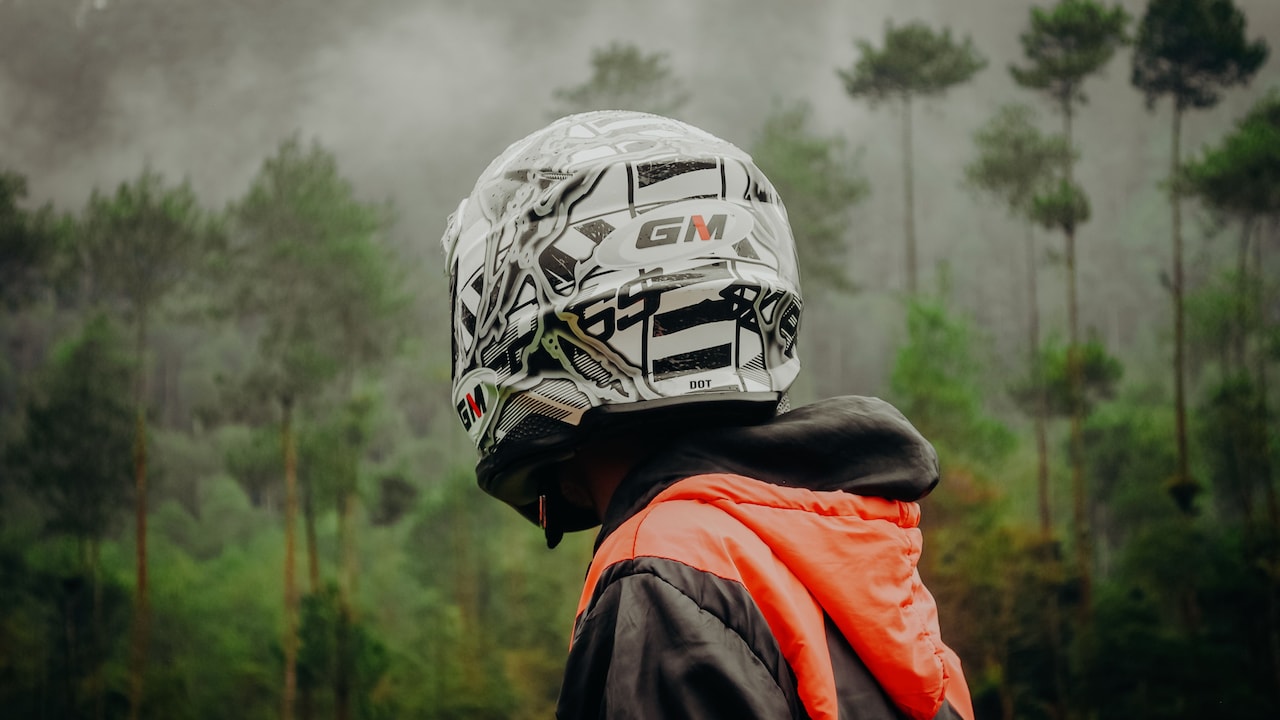
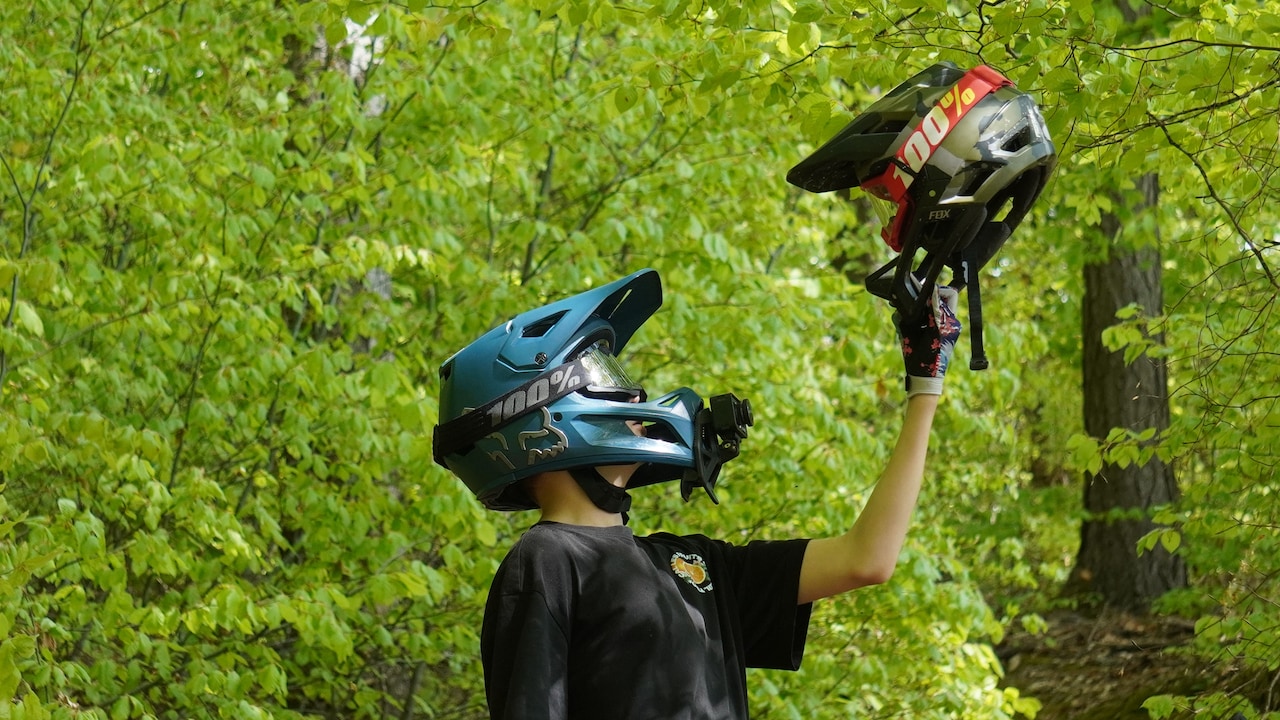
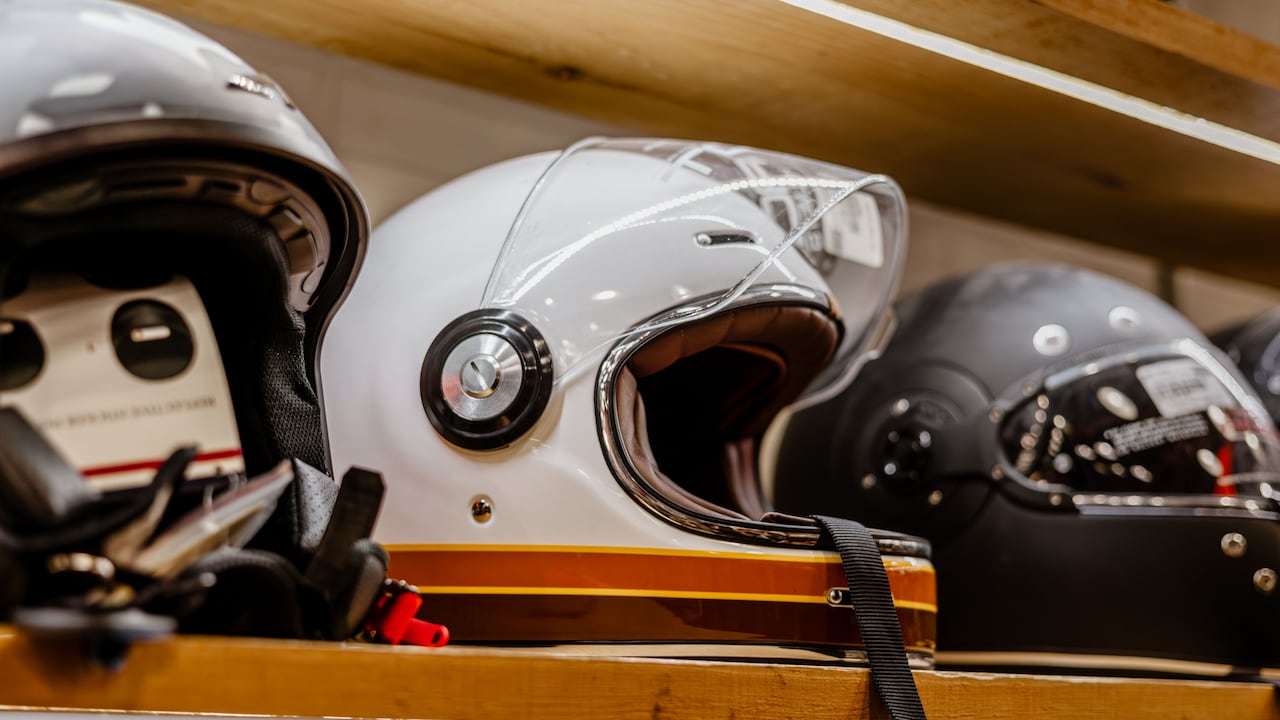
There's a peculiar moment in every daily commute when a helmet stops feeling like protective gear and starts feeling like part of the routine. It could happen while inching through traffic with the visor cracked open for air, wiping drizzle from the shell at a signal or trying to prevent spectacles from fogging on a humid morning. Commuters wear helmets far more often than occasional riders, so small details matter. A poorly ventilated liner, awkward buckle or narrow field of vision can become irritating within days. The best full-face helmets for daily commuting therefore need to balance safety, fit, airflow, visibility and ease of use. Here are seven options worth considering.
7 Full-Face Helmets For Daily Two-Wheeler Commutes
Photo Credit: Pexels
Top 7 Full-Face Helmets That Suit Everyday Riding
1. SMK Agnar Solid
The SMK Agnar Solid brings serious safety credentials with ISI, DOT and ECE 22.06 certification. That makes it one of the more comprehensively certified full-face helmets in this selection. Its ABS shell works with an EPS inner layer, while strategically positioned vents help circulate air during slow-moving commutes.
The standout everyday feature is the Pinlock 30 anti-fog visor, which can make wet mornings and humid rides less troublesome. There's also a built-in sun visor, so riders can switch between bright and dull conditions without changing visors. Dual shell sizes help improve fit across different head sizes.
2. TVS Racing Anti Matter
Riders who dislike heavy helmets may appreciate the relatively lightweight approach of the TVS Racing Anti Matter. It carries ISI and DOT certification and uses a high-impact ABS shell designed to balance protection with everyday usability.
Multiple intake and exhaust vents move fresh air through the helmet, which should prove useful during warm afternoon commutes. Its aerodynamic shape aims to reduce drag and wind noise, while the UV-resistant finish helps the exterior cope with regular sun exposure. A quick-release visor and chin strap also make frequent daily use less fiddly.
Also Read: Full Face Helmet vs Half Face Helmet: Which One Offers Better Protection?
3. STUDDS Raider Street
The STUDDS Raider Street keeps things straightforward, which can be exactly what regular commuters want. It comes with ISI certification and an aerodynamic full-face profile designed to reduce wind resistance and unnecessary noise.
A clear visor provides a broad field of vision, handy when filtering through crowded roads or checking mirrors repeatedly. Impact-absorbing padding adds another layer of protection, while the availability of multiple sizes helps riders find a more secure fit. It's a sensible choice for those who prioritise simple, familiar features over extra gadgetry.
4. Vega Edge
The Vega Edge focuses heavily on comfort and ease of use. Its ABS construction keeps the shell robust, while the clear scratch-resistant visor includes UV protection for daytime commuting.
The metallic quick-release buckle should appeal to anyone putting a helmet on and taking it off several times during the day. Inside, anti-allergenic and moisture-wicking materials help manage sweat, especially during longer journeys. The ergonomic shape aims for a snug, stable fit without making the helmet unnecessarily cumbersome.
5. Axor Apex Venomous
The Axor Apex Venomous is aimed at riders wanting more touring-style features in a helmet that can still handle daily commuting. It carries ISI, ECE and DOT certification and uses a full-face design with a clear outer visor and separate inner smoke sun visor.
The outer visor comes with a Pinlock insert fitted, helping tackle fogging when temperature and humidity change quickly. Its sporty shell also gives it a more performance-oriented look. Riders should pay close attention to Axor's head-size chart, since a properly snug fit remains more important than graphics or styling.
https://www.amazon.in/Apex-Venomous-Dull-Black-Helmet-L/dp/B07Y5LLGJK/
6. TVS Racing Anti Matter
This TVS Racing Anti Matter option again combines ISI and DOT certification with a lightweight ABS construction. Its strengths remain particularly relevant to commuters who spend long periods wearing a helmet rather than using one only for short recreational rides.
The ventilation layout uses multiple intake and exhaust points to keep air moving across the interior. An aerodynamic exterior helps reduce drag, while a UV-resistant surface limits fading from repeated sun exposure. A ventilated comfort liner and quick-release mechanisms add practical convenience when commuting several times a day.
7. STUDDS Helios D1 Asphalt
The STUDDS Helios D1 Asphalt mixes sporty styling with some genuinely useful commuter features. Its ABS and EPS construction comes with ISI and DOT certification, while a built-in rear spoiler aims to improve stability and reduce drag.
The ANTIFOG100 visor is particularly relevant when rain, humidity or cooler mornings threaten visibility. Multiple air vents and exhaust channels encourage continuous airflow inside the helmet. Better still, its hypoallergenic liner can be removed for cleaning, a useful feature when regular commuting leads to sweat, dust and grime building up over time.
What To Look For Before Choosing A Daily Helmet
A helmet may look impressive on a product page, but fit should always come first. Measure head circumference and compare it carefully with the manufacturer's size chart. The helmet should feel snug without creating painful pressure points.
Also check ventilation, visor clarity and buckle operation before committing. Commuters who ride in changing weather may benefit more from anti-fog systems and internal sun visors than from elaborate graphics. Removable liners are worth considering too, since they make routine cleaning much easier.
Daily commuting demands more from a full-face helmet than occasional riding does. We need reliable protection, but comfort, airflow and visibility matter just as much when a helmet stays on for hours every week. From the feature-rich SMK Agnar Solid and Axor Apex Venomous to simpler commuter-friendly choices from STUDDS, Vega and TVS, the right option ultimately comes down to secure fit, certification and everyday comfort. Shop now on Amazon
(Disclaimer: This article may include references to or features of products and services made available through affiliate marketing campaigns. NDTV Convergence Limited (“NDTV”) strives to maintain editorial independence while participating in such campaigns. NDTV does not assume responsibility for the performance or claims of any featured products or services.)