Are You Using Too Much Face Cleanser? Dermatologist-Approved Cleansing Tips
Using too much face cleanser can quietly damage your skin. Learn the right amount to use, how often to cleanse, and simple routine tweaks that prevent dryness, irritation and excess oil.

How Much Face Cleanser To Use: Avoid Overcleansing With These Skincare Routine Tips.
A good skincare routine often starts with enthusiasm and ends with confusion. The face feels greasy after a long day, so an extra pump of cleanser feels logical. The weather turns humid, so washing again seems helpful. Slowly, the skin begins to feel tight, itchy or oddly oilier than before.
That's the paradox of overcleansing. The harder the skin gets scrubbed, the more it pushes back.
Face cleansers are designed to remove dirt, oil and pollution, not strip skin bare. Using too much product or cleansing too often can disturb the skin barrier, making even the best moisturiser work overtime. The good news is that fixing this doesn't require expensive products or complicated routines. It simply takes understanding how much cleanser skin actually needs.
This article walks through practical, realistic tips that fit busy mornings, late nights and changing seasons. From correct quantities to texture choices, every detail here focuses on keeping skin balanced rather than bullied into submission.

How Much Face Cleanser To Use: Avoid Overcleansing With These Skincare Routine Tips
Photo Credit: Pexels
Small Cleansing Habits That Make A Big Difference
1. The Right Amount of Cleanser Is Smaller Than Expected
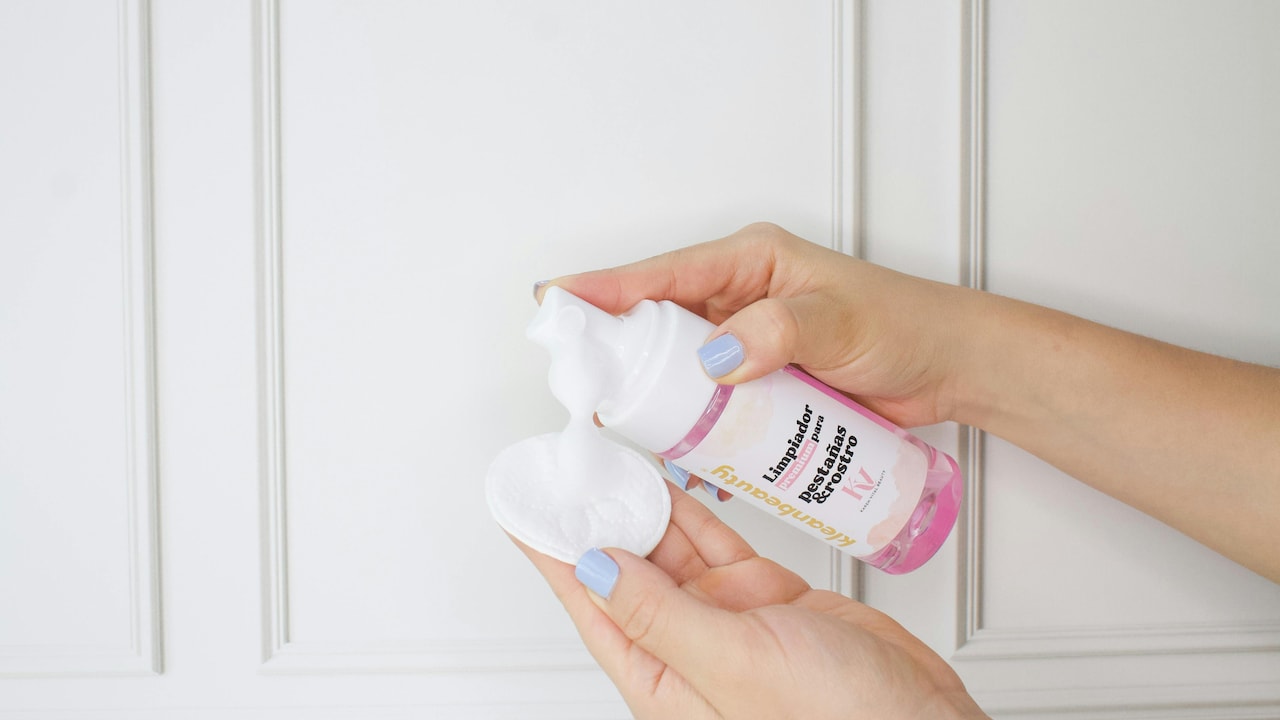
Most people use far more cleanser than necessary. A coin-sized amount is usually enough to clean the entire face and neck. Gel and foam cleansers need about a ₹1 coin-sized squeeze, while cream or lotion cleansers often require slightly less.
Using more product does not mean better cleansing. Excess cleanser simply sits on the skin, increasing the risk of dryness and irritation. It also wastes product, which adds up over time.
The trick lies in spreading it well. A small amount, emulsified with water between the palms, covers the face easily. Gentle circular motions allow the cleanser to lift dirt without scrubbing.
Think of it like washing hands. A drop of soap works when used properly, but pouring half the bottle does nothing extra. Skin responds best to thoughtful care, not force.
2. Overcleansing Triggers Oiliness, Not Clean Skin
It sounds backwards, but washing the face too often can make it oilier. When natural oils are stripped away, the skin panics. Sebaceous glands respond by producing even more oil to compensate.
This cycle explains why skin can feel squeaky clean in the morning and unbearably greasy by lunchtime. Overcleansing confuses the skin's balance.
Cleansing twice a day is enough for most skin types. Morning cleansing removes overnight sweat and oil. Evening cleansing clears pollution, sunscreen and makeup. Anything more is usually unnecessary unless advised by a dermatologist.
If the face feels oily during the day, blotting paper or a splash of water works better than another round of cleanser. Balance beats aggression every time.
3. Cleanser Texture Matters More Than Trends
Trendy products often steal attention, but the cleanser texture should match skin type and climate, not social media hype. Gel cleansers suit oily and combination skin. Cream and milk cleansers feel kinder on dry or sensitive skin. Foam cleansers fall somewhere in between.
Using a harsh, foaming cleanser on dry skin often leads to tightness and flaking. On the other hand, rich cream cleansers may feel heavy on oily skin, encouraging over-washing.
Seasonal changes matter too. What works in cooler months may feel uncomfortable during humid weather. Switching cleanser textures when the weather changes keeps skin happier.
The goal isn't to chase perfection but to listen to how skin feels after cleansing. Comfortable skin signals the right choice.
4. Cleansing Time Should Be Short and Gentle
Long cleansing sessions feel luxurious but often do more harm than good. Massaging the cleanser for 20 to 30 seconds is enough to clean the skin effectively.
Prolonged rubbing disrupts the skin barrier, especially around sensitive areas like the cheeks and jawline. It also increases redness and irritation.
Gentle pressure works best. Fingertips should glide, not scrub. Facial cleansing brushes and harsh exfoliating tools should be used sparingly, if at all.
A simple rule helps: if skin feels hot or irritated after washing, the cleansing session lasted too long or involved too much pressure. Clean skin should feel calm, not punished.
5. Morning Cleansing Doesn't Always Need Product
Not every morning requires a full cleanse with product. For dry or sensitive skin, rinsing with lukewarm water can be enough. Overnight, skin repairs itself and doesn't usually collect heavy dirt.
Using a cleanser in the morning becomes important for oily skin or after heavy night creams. Otherwise, skipping cleanser once in a while can help preserve natural oils.
This approach also suits rushed mornings. A gentle rinse refreshes the face without compromising skin health.
Skincare routines don't need rigid rules. Flexibility allows skin to breathe and adapt naturally.
Also Read: Amazon Republic Day Sale: Best Dermatouch and The Derma Co Skincare for Acne and Pigmentation
6. Double Cleansing Should Be Occasional, Not Daily
Double cleansing gained popularity for good reasons. It effectively removes makeup, sunscreen and stubborn dirt. However, doing it daily without need leads to overcleansing.
Double cleansing works best after heavy makeup days, outdoor exposure or long hours in polluted environments. On lighter days, a single gentle cleanse is enough.
Using two cleansers back-to-back every evening strips essential oils. Over time, this weakens the skin barrier and invites breakouts and sensitivity.
Think of double cleansing as a helpful tool, not a mandatory step. Skin thrives on simplicity when given the chance.
7. Water Temperature Plays a Bigger Role Than Expected
Hot water feels relaxing, but it damages the skin barrier. It strips oils faster and increases dryness. Cold water, on the other hand, doesn't dissolve dirt effectively.
Lukewarm water hits the sweet spot. It cleans without shocking the skin or removing protective oils.
This small detail often gets overlooked, yet it makes a noticeable difference. Skin feels softer and less irritated when the water temperature stays gentle.
During winter, resisting hot water becomes harder, but skin rewards the effort. Comfort today prevents dryness tomorrow.

How Much Face Cleanser To Use: Avoid Overcleansing With These Skincare Routine Tips
Photo Credit: Pexels
8. Cleanser Quantity Should Change With Product Type
Not all cleansers behave the same. Concentrated formulas need less product. Gentle, non-foaming cleansers may require slightly more to spread evenly.
Reading product instructions helps, but skin feedback matters more. If the cleanser doesn't spread easily, adding water works better than adding more product.
Using excess cleanser often creates residue, leading to clogged pores and irritation. Rinsing thoroughly becomes harder, too.
A mindful approach saves both skin and money. One bottle lasts longer, and skin stays calmer.
9. Signs That Skin Is Being Overcleansed
Skin always communicates. Tightness after washing, redness, flakiness and sudden breakouts are warning signs. Excess oil production also signals an imbalance.
Ignoring these signs and pushing through with more cleansing worsens the problem. Skin needs recovery, not discipline.
Reducing cleansing frequency, switching to a gentler formula and shortening cleansing time usually restores balance within weeks.
Healthy skin feels comfortable after washing. No burning, no itching, no desperate need for moisturiser. Comfort is the goal.
10. Consistency Beats Complicated Skincare Routines
A simple, consistent routine works better than an elaborate one filled with aggressive steps. Cleansing gently, twice a day or less, sets the foundation.
Once skin barrier health improves, other products perform better. Serums absorb well. Moisturisers seal hydration effectively. Breakouts reduce naturally.
Skincare shouldn't feel like a battle. It should fit into daily life without stress or confusion.
Using the right amount of cleanser keeps skin resilient, balanced and comfortable through changing weather, stress and routines.
How Much Face Cleanser To Use: Avoid Overcleansing With These Skincare Routine Tips
Photo Credit: Pexels
Products Related To This Article
1. Kaya Sensitive Face Cleanser - Gentle Cleanse
2. Asaya Even Tone Face Cleanser With Niacinamide
3. FIXDERMA Skarfix-TX Face Cleanser
4. DR.RASHEL Vitamin C Face Cleanser For Hydration With Hyaluronic Acid
5. HK VITALS Collagen Face Cleanser Anti-Ageing
Cleansing is the most basic skincare step, yet it holds surprising power. Using too much cleanser or washing too often quietly sabotages skin health, leading to dryness, oiliness and irritation.
The solution lies in restraint. A small amount of the right cleanser, used gently and thoughtfully, does more than any aggressive routine ever could. Skin responds best to balance, patience and consistency.
Healthy skin doesn't come from squeaky-clean perfection. It comes from respecting the skin barrier and allowing it to do its job. When cleansing becomes kinder, skin thanks back with clarity, comfort and confidence. Sometimes, less really is more, especially when it comes to washing the face.
(Disclaimer: This article may include references to or features of products and services made available through affiliate marketing campaigns. NDTV Convergence Limited (“NDTV”) strives to maintain editorial independence while participating in such campaigns. NDTV does not assume responsibility for the performance or claims of any featured products or services.)