Hair Serum vs Hair Oil for Frizz: Which One Actually Works Better?
Frizzy hair can ruin even the best styling efforts. But when it comes to taming flyaways, should you reach for a serum or an oil? Discover which option truly works better for smoother, manageable hair.
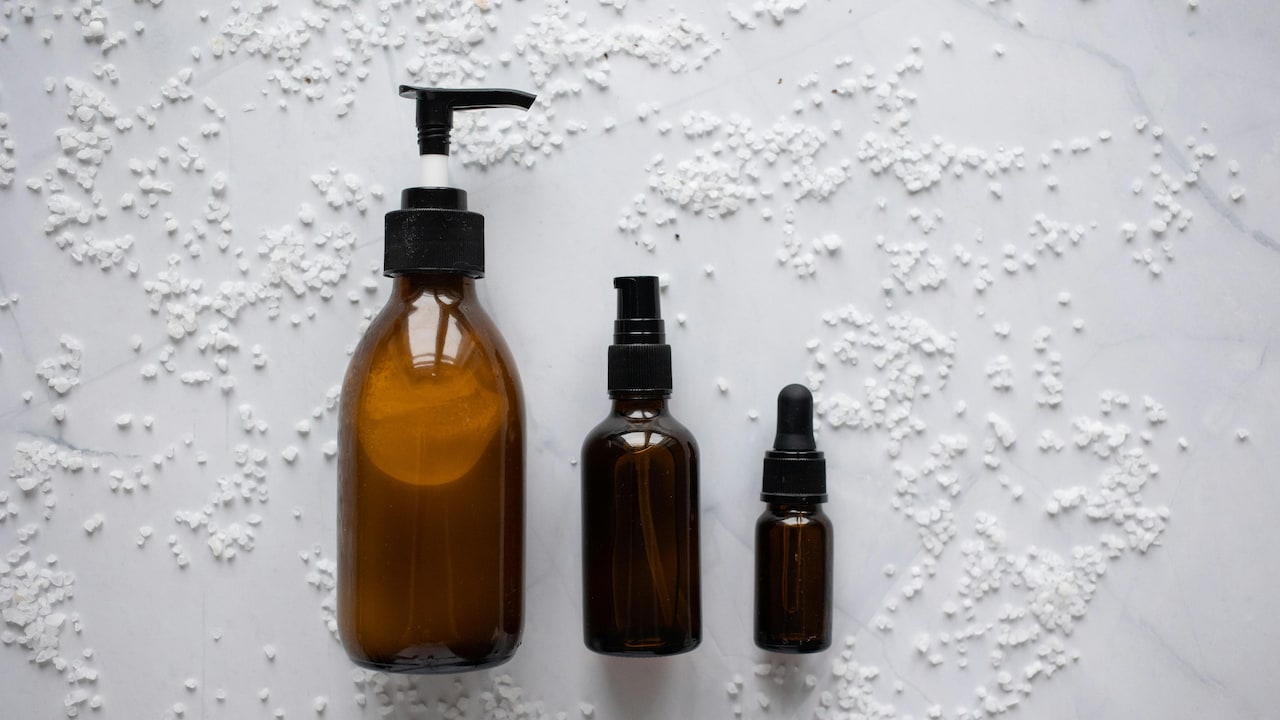
Hair Serums vs Oils for Frizz Control: Check Out The Better Solution.
Few hair concerns create as much frustration as frizz. It appears uninvited, ignores careful styling, and often worsens when the weather becomes humid. For many people, especially in cities where humidity levels rise during monsoon months, frizz turns everyday hair care routines into a constant struggle.
Naturally, the beauty aisle offers countless solutions. Among them, hair serums and hair oils remain the most trusted options. Some swear by a few drops of nourishing oil massaged into the scalp, while others rely on glossy serums that promise instant smoothness. Beauty influencers, salon professionals, and grandmothers all have opinions, yet the real difference between the two products often remains unclear.
Understanding how these products function helps make the choice easier. Hair oils focus on nourishment and long-term strength, while serums work as styling shields that smooth the hair surface. Both claim to tame frizz, but they approach the problem from different angles.
So the real question emerges: when frizz becomes stubborn, which one truly works better? The answer depends on hair type, lifestyle, climate, and even daily routines. Exploring these factors reveals whether the lightweight shine of a serum or the deep nourishment of oil deserves a permanent place on the dressing table.

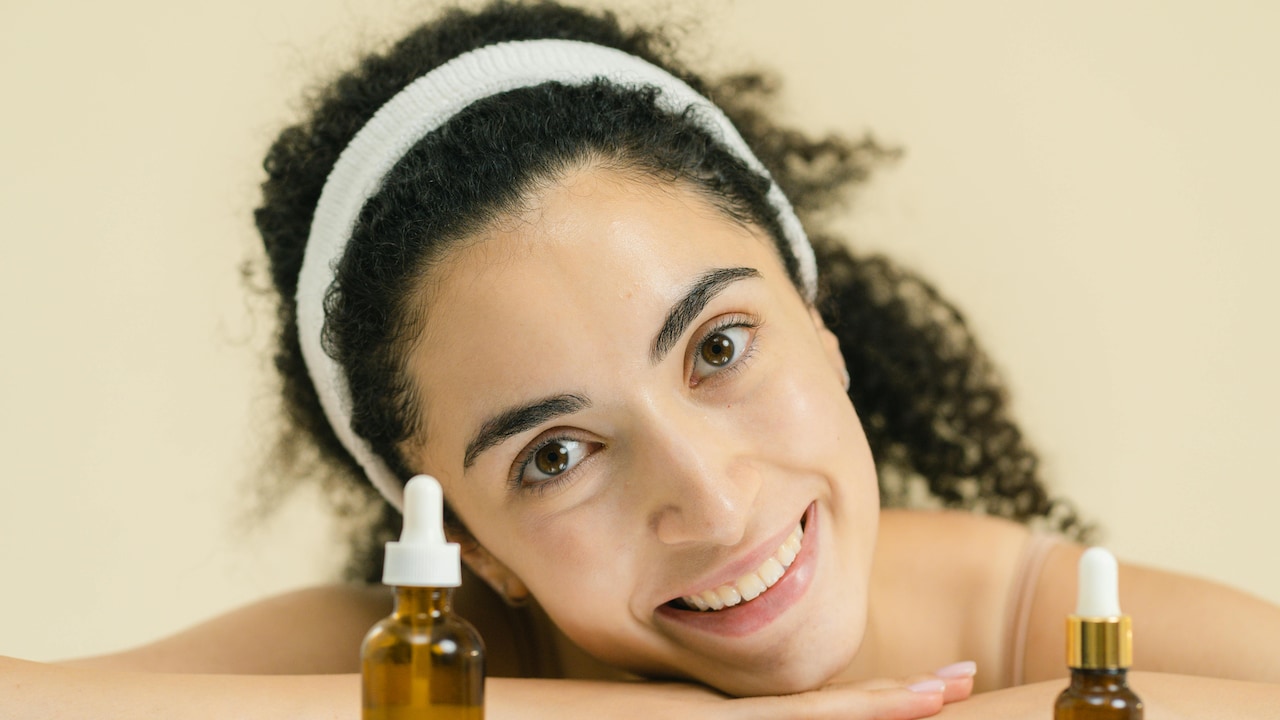
Hair Serum or Hair Oil: The Better Choice for Frizz-Free Hair; Photo Credit: Pexels
The Real Difference Between Hair Serums And Oils For Frizz Control
Understanding Why Hair Becomes Frizzy
Frizz often feels like a mystery, yet the science behind it remains fairly simple. Hair strands absorb moisture from the surrounding air. When humidity levels rise, each strand swells unevenly, which disrupts the smooth outer layer known as the cuticle. Once this layer lifts, hair begins to look rough, puffy, and difficult to manage.
Daily habits also contribute to frizz. Excessive heat styling, chemical treatments, harsh shampoos, and even rough towel drying can weaken the hair cuticle. Over time, strands lose their natural oils and moisture balance. Dry hair then becomes more vulnerable to environmental humidity, which intensifies frizz.
Urban lifestyles often worsen the problem. Long commutes through pollution, exposure to dust, and frequent washing due to sweat strip hair of essential moisture. Add the unpredictable weather during monsoon season, and frizz becomes almost unavoidable.
Hair texture also plays a role. Curly and wavy hair tends to frizz more easily because its natural shape prevents scalp oils from travelling evenly down the strands. Straight hair may appear smoother, yet it can still develop frizz when damaged or dehydrated.
Understanding the root causes of frizz explains why different products tackle the issue differently. Oils attempt to restore lost nourishment and hydration within the hair fibre. Serums, on the other hand, coat the hair surface and create a protective barrier against humidity. This difference forms the core of the debate between the two.
What Exactly Is A Hair Serum?
Hair serum resembles a finishing touch rather than a treatment. Unlike oils that penetrate deep into the hair shaft, serums sit lightly on the outer layer of the hair. Most formulations contain silicones or lightweight polymers that smooth the cuticle and reflect light, creating that glossy, polished appearance often seen after salon styling.
Because of this surface action, hair serums deliver immediate results. A few drops rubbed between the palms and applied to damp or dry hair can instantly reduce visible frizz. Strands appear smoother, shinier, and easier to manage.
Many modern serums also include added ingredients such as argan oil, vitamin E, or keratin. These additions provide mild nourishment while maintaining the serum's lightweight texture. The goal remains simple: smooth the hair surface without weighing it down.
This quality makes serums particularly popular for quick styling fixes. Before stepping out for work, attending a wedding function, or heading into an air-conditioned office where static hair becomes a problem, serum works as a quick rescue.
However, the effects remain temporary. Since serums mostly coat the hair rather than repairing it from within, their smoothing power fades after washing. They function like a raincoat for hair: protective and effective in the moment, yet not designed to repair more serious damage.
Also Read: Best Keratin Hair Serums for Silky Straight Hair Under ₹800
What Makes Hair Oils Different?
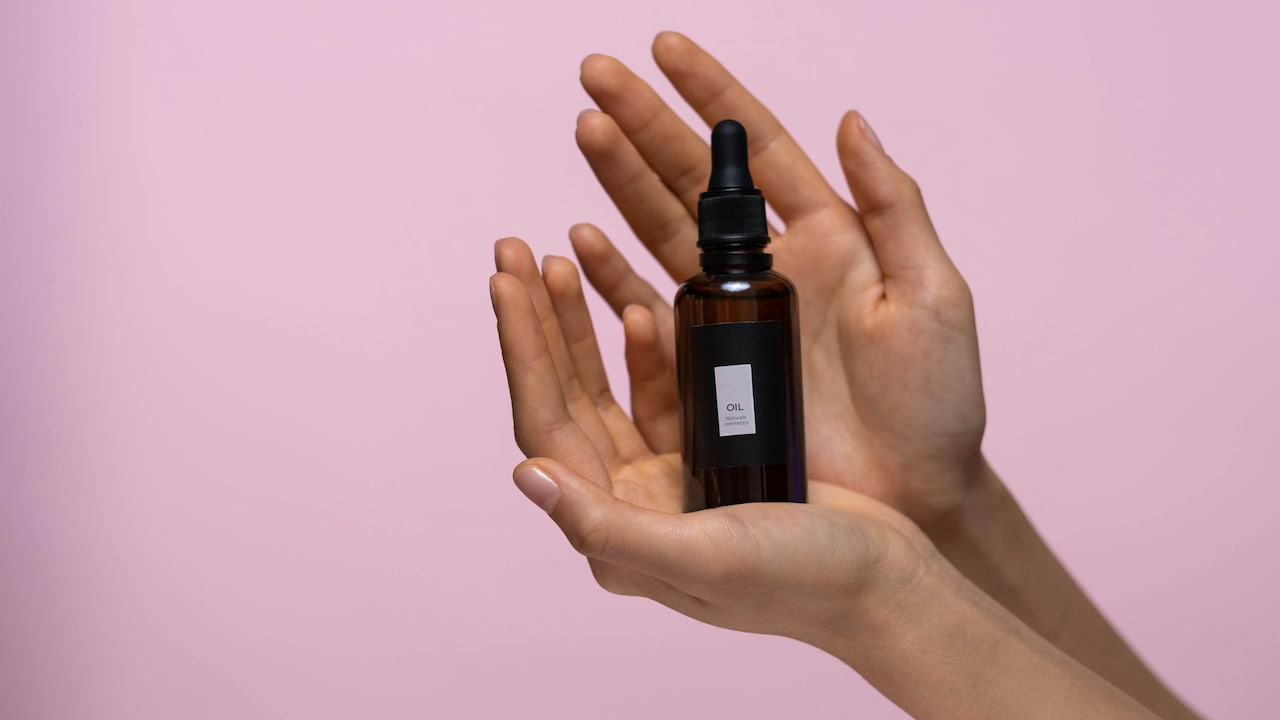
Hair oils carry a long history in grooming traditions. Generations have relied on oils to strengthen hair, encourage growth, and maintain scalp health. Unlike serums, oils penetrate deeper into the hair shaft and nourish the strands from within.
Coconut oil, almond oil, castor oil, and argan oil remain among the most commonly used varieties. Each brings its own benefits. Coconut oil helps reduce protein loss in hair. Almond oil adds softness and shine. Castor oil supports thicker hair growth, while argan oil provides hydration without heaviness.
Hair oils also nourish the scalp, which plays a vital role in overall hair health. Regular oil massages improve blood circulation around hair follicles. This practice strengthens roots and reduces dryness that can eventually lead to brittle, frizzy strands.
Another advantage lies in long-term repair. When hair receives regular oil treatments, it gradually regains moisture and elasticity. Over time, strands become stronger and less prone to breakage.
However, oils demand patience. Results rarely appear instantly. Leaving oil on the hair for at least thirty minutes before washing allows it to penetrate properly. Overnight treatments often deliver the best outcomes.
While oils improve hair health significantly, they may not always provide immediate frizz control during busy mornings. This limitation explains why serums often enter the conversation as quicker alternatives.
How Serums Tackle Frizz Instantly
One reason hair serums gained popularity so quickly lies in their instant results. A few drops can transform rough hair into sleek strands within seconds. The secret lies in the way serums coat the hair cuticle.
When applied to the hair surface, the silicone components form a thin protective film around each strand. This film smooths lifted cuticles and prevents moisture from entering the hair shaft. As a result, hair stays smoother even when humidity levels climb.
This protective layer also reflects light, which gives hair a glossy finish. Many people notice this effect immediately after application, especially before stepping out for social events or office meetings.
Serums also make hair easier to detangle. Those who struggle with knots after washing often find that a small amount of serum helps the comb glide smoothly through the hair.
Another advantage involves heat protection. Some serums include ingredients that shield hair from damage caused by blow dryers or straighteners. This feature proves useful for anyone who styles hair frequently.
Despite these benefits, moderation matters. Excess serum can make hair appear greasy or flat. Applying only a few drops to the mid-lengths and ends usually delivers the best results without weighing down the roots.
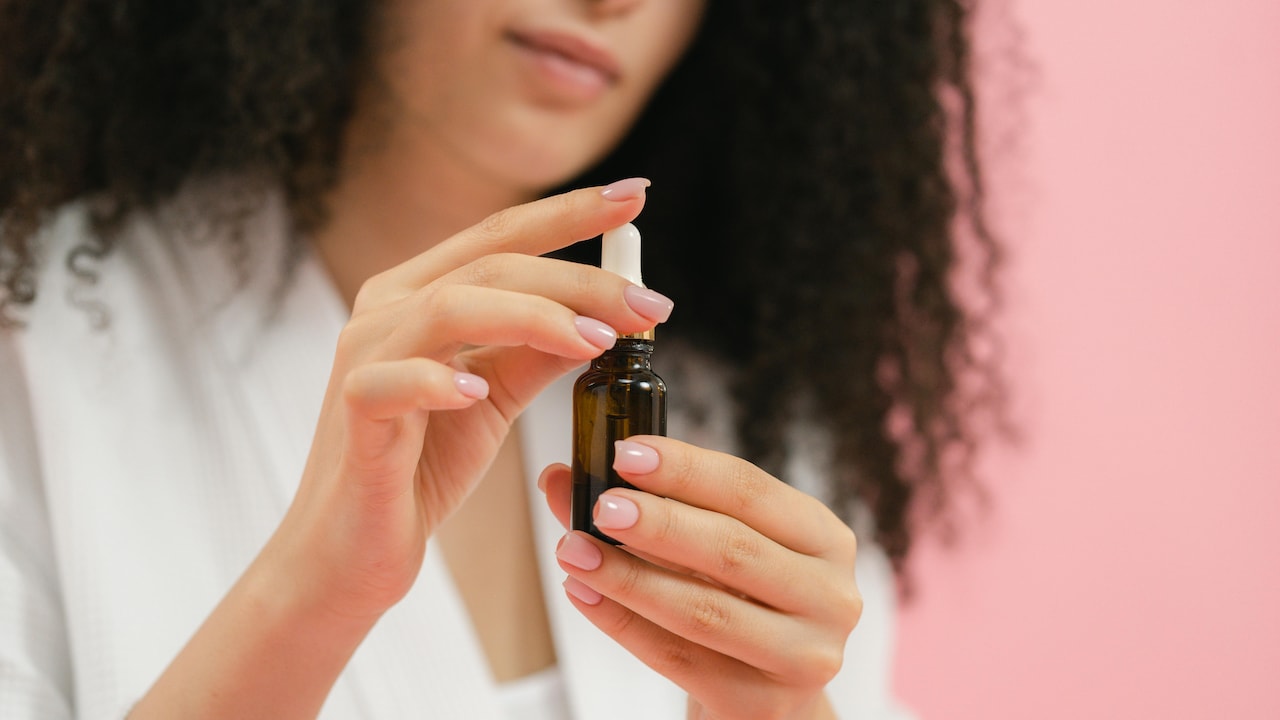
Hair Serum or Hair Oil: The Better Choice for Frizz-Free Hair; Photo Credit: Pexels
Why Oils Offer Long-Term Frizz Control
Hair oils may not deliver instant salon shine, yet they offer something far more valuable: long-term improvement. Regular oil treatments restore the natural balance of moisture and proteins within the hair structure.
When hair remains hydrated from within, the cuticle lies flatter. This natural smoothness reduces the likelihood of frizz forming in the first place. Instead of masking the problem, oils address the underlying cause.
Oil treatments also repair damage created by heat styling and environmental stress. Over time, hair strands regain elasticity and strength. Stronger hair resists breakage and split ends, both of which contribute to frizz.
Another important factor involves scalp nourishment. Healthy hair growth begins at the scalp. Oils soothe dryness, reduce irritation, and support stronger hair roots. With consistent care, hair begins to look healthier and naturally smoother.
However, oils work best as part of a routine rather than a quick fix. A weekly oil massage followed by gentle washing often delivers noticeable results within a few weeks.
While serums excel at instant styling control, oils quietly build stronger hair over time. This difference makes the comparison between the two less about competition and more about purpose.
The Role Of Climate In Frizz Control
Climate plays a surprisingly large role in determining which product works better. Regions with high humidity create the perfect conditions for frizz to flourish. Moisture in the air constantly tries to enter the hair shaft, lifting the cuticle and disrupting smoothness.
During monsoon months, even freshly washed hair can turn frizzy within minutes of stepping outdoors. In such situations, serums often prove helpful because they create a barrier against humidity. That protective coating keeps strands smoother for longer.
Dry climates present a different challenge. When the air lacks moisture, hair loses hydration quickly. This dryness makes strands brittle and more prone to static and flyaways. Oils work particularly well in these conditions because they restore lost moisture and nourishment.
Urban pollution also affects hair health. Dust particles and pollutants settle on the scalp and hair strands, weakening them gradually. Oils help cleanse and strengthen the scalp when used regularly, while serums protect the outer layer from environmental damage.
Understanding how climate interacts with hair texture helps determine the right approach. Sometimes the best solution involves using oils for deep nourishment and serums for protection against changing weather.
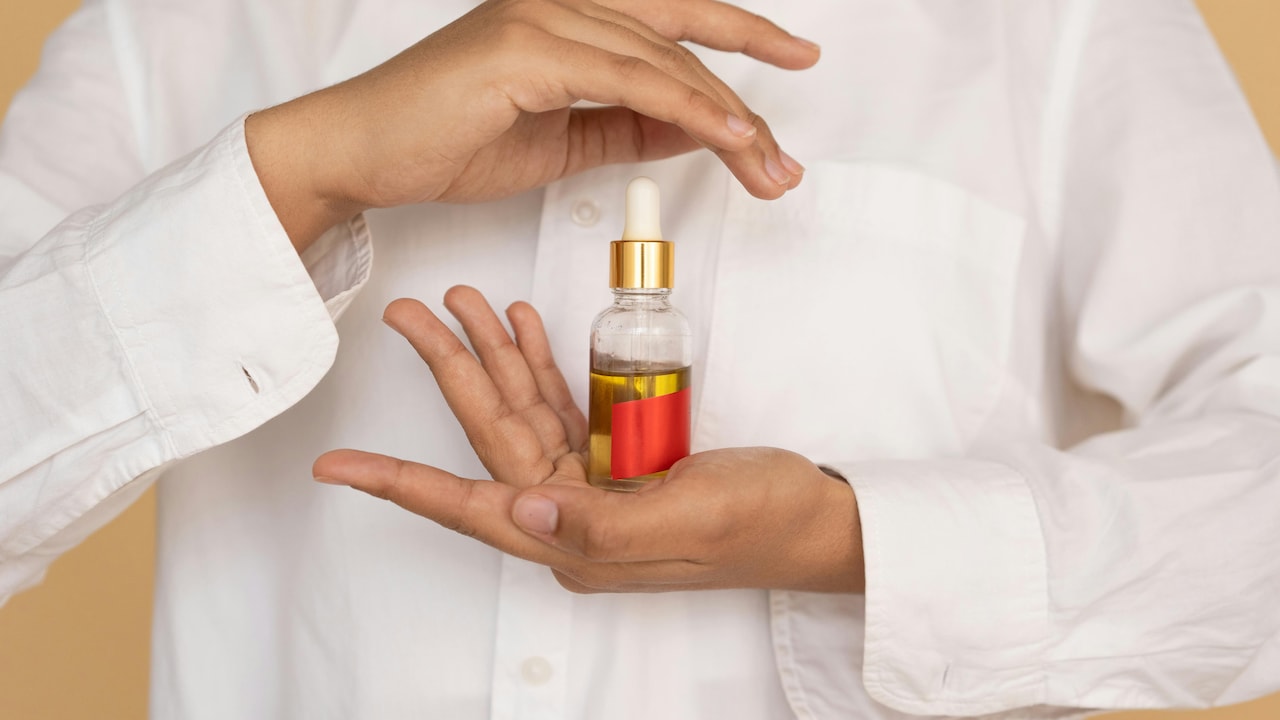
Hair Serum or Hair Oil: The Better Choice for Frizz-Free Hair; Photo Credit: Pexels
Hair Type Matters More Than Trends
Beauty trends often promote one miracle product, yet hair type remains the real deciding factor. What works perfectly for thick curly hair may not suit fine straight hair at all.
Thick, coarse hair usually tolerates oils very well. These strands often require deep hydration, and oils provide that nourishment without making the hair look greasy. Regular oil treatments can significantly reduce dryness and frizz in such hair types.
Fine hair, however, behaves differently. Heavy oils may weigh it down and reduce natural volume. In this case, lightweight serums offer better control. They smooth the hair surface without creating a greasy appearance.
Curly hair tends to benefit from both products. Oils strengthen and hydrate curls, while serums help define them and reduce frizz throughout the day.
Even lifestyle influences the choice. Someone with a packed morning schedule may prefer serums for quick styling. Those who enjoy weekend self-care routines may appreciate the calming ritual of oil massages.
Rather than following beauty fads blindly, understanding individual hair needs ensures better results.
Can Serums And Oils Work Together?
The debate between serums and oils often frames them as rivals, yet they actually complement each other quite well. Each product performs a different role in hair care, and combining them strategically often delivers the best outcome.
Hair oils work behind the scenes. They nourish the scalp, repair damage, and strengthen hair from within. Regular oiling sessions create a healthy foundation for smoother strands.
Serums, meanwhile, act as finishing touches. After washing and styling, a small amount of serum smooths the hair surface and protects it from humidity, pollution, and heat styling tools.
Many salons recommend this layered approach. Oil treatments once or twice a week improve long-term hair health. On busy mornings, serum offers quick styling control without undoing the benefits of oil care.
This combination also works well for people living in humid regions. Oils keep hair strong and hydrated, while serums defend against the unpredictable weather outside.
When used wisely, the two products function less like competitors and more like partners in maintaining manageable, frizz-free hair.
Choosing The Right Product Without Wasting Money
The beauty market offers hundreds of hair products, each promising miracle results. Prices range from affordable options around ₹250 to premium serums and oils that cross ₹2,000. Choosing wisely prevents unnecessary spending.
The first step involves identifying hair concerns clearly. If hair feels dry, brittle, or damaged from styling tools, oils provide better long-term care. Coconut or almond oil often delivers excellent results without a high price tag.
If the main concern involves quick frizz control before stepping out, a lightweight serum may prove more practical. Many reliable options exist at mid-range prices and last several months since only a few drops are needed each time.
Ingredient lists also reveal valuable information. Oils with minimal additives tend to work best for scalp health. Serums that include nourishing ingredients alongside silicones often provide a balanced result.
Consulting a trusted salon professional can also help narrow down the choices. They often understand how specific products interact with different hair types.
Ultimately, effective hair care rarely requires expensive solutions. Consistency, patience, and understanding the hair's needs matter far more than fancy packaging.
Products Related To This Article
1. PLIX THE PLANT FIX Rosemary Hair Growth Advanced Serum
2. Bare Anatomy Advanced Hair Growth & Hair Fall Control Serum
3. WishCare Hair Growth Serum Concentrate, Redensyl & Anagain, For Hairfall Control
4. Pilgrim Advanced Hair Growth Serum with Redensyl & Anagain for Hair Fall Control
5. Minimalist 18% Hair Growth Actives Hair Serum
Frizz may feel like a stubborn hair enemy, yet understanding how different products work makes managing it far easier. Hair serums and hair oils approach the problem from two distinct angles.
Serums offer instant smoothness. They coat the hair surface, protect strands from humidity, and add shine that transforms the look of hair within seconds. For busy mornings or special occasions, they provide quick and effective control.
Hair oils, however, focus on deeper nourishment. Regular oil treatments repair damage, hydrate the hair shaft, and strengthen roots. Over time, this nourishment reduces the conditions that cause frizz in the first place.
Choosing between them depends on hair type, lifestyle, and climate. Fine hair may benefit more from lightweight serums, while thick or dry hair often responds better to nourishing oils.
Rather than declaring one product the ultimate winner, the smartest approach blends the strengths of both. Oils build strong, healthy hair beneath the surface, while serums deliver that polished finish everyone appreciates before stepping out the door.
In the end, frizz control becomes less about choosing sides and more about understanding what hair truly needs. When care meets consistency, smooth and manageable hair stops feeling like a rare good-hair day and begins to feel like the norm.
(Disclaimer: This article may include references to or features of products and services made available through affiliate marketing campaigns. NDTV Convergence Limited (“NDTV”) strives to maintain editorial independence while participating in such campaigns. NDTV does not assume responsibility for the performance or claims of any featured products or services.)