Body Lotion vs Body Butter vs Cream: What Works Best for Your Skin Type?
Confused between body lotion, body butter and cream? Each hydrates differently. Know what works best for you when it comes to body lotion vs body butter vs cream.
Body Lotion vs Body Butter vs Cream: Here Are 10 Reasons That Explain What Works For You.
Dry elbows, flaky legs in winter, sticky summers and air-conditioned offices all take a toll on the skin. Moisturising remains one of the simplest self-care rituals, yet it often gets rushed or misunderstood. The truth sits in understanding textures and formulations. Body lotions, body butters and creams differ not just in thickness, but also in how they hydrate, protect and repair skin. Think of moisturisers like clothing. A cotton kurta feels right in summer, while a woollen shawl comforts during chilly nights. Skin care works the same way.
This article explores each option in detail, clears common myths, and offers practical advice rooted in everyday life, from morning rushes to quiet evening routines after a long day. So, check out what works best for you when it comes to body lotion vs body butter vs cream.

Body Lotion vs Body Butter vs Cream: What Works Best for Your Skin Type?
Photo Credit: Pexels
Understanding How Each Moisturiser Actually Works
1. Understanding Body Lotion: Light, Quick and Everyday-Friendly
Body lotions feel light, fluid and easy to spread. They contain more water than oil, which allows quick absorption without leaving a heavy layer. This makes them popular for daily use, especially when mornings feel rushed and humid weather dominates much of the year.
Lotions suit normal to slightly dry skin that needs maintenance rather than deep repair. After a morning shower, a lotion glides effortlessly and sinks in before clothes go on. No sticky feeling, no waiting around. That convenience often makes people more consistent, which matters more than using a richer product once a week.
However, lotions may struggle with very dry areas like heels or elbows. In air-conditioned offices or during colder months, skin can feel dry again by evening. Lotions work best as a baseline moisturiser, keeping skin comfortable rather than transforming extremely dry patches.
For those who dislike heavy textures or sweat easily, lotions feel breathable and practical. They also layer well under sunscreen, which suits daily outdoor routines.
2. Body Butter Explained: Rich, Nourishing and Comforting
Body butters feel indulgent, thick and deeply nourishing. Made with ingredients like shea butter, cocoa butter or mango butter, they contain more oils and less water. This richness locks in moisture and forms a protective barrier on the skin.
Dry, rough or flaky skin benefits most from body butters. Winter months, long hot showers or frequent shaving can strip natural oils, leaving skin uncomfortable. A body butter applied at night helps restore softness by morning.
These products suit relaxed routines rather than rushed ones. Body butter takes longer to absorb, so evenings work best. Think of it as a warm blanket for the skin after a long day. Massaging it into cracked heels or knees can feel almost therapeutic.
That said, body butters can feel heavy in humid weather. Using them sparingly or only on targeted areas prevents discomfort. They also work brilliantly for elbows, cuticles and feet, where skin needs extra care.
3. The Role of Body Creams: Balance Between Light and Rich
Body creams sit comfortably between lotions and butters. Thicker than lotions but lighter than butters, creams offer balanced hydration without feeling overwhelming. They often contain a mix of water and oils, along with ingredients that support skin repair.
Creams suit dry to normal skin that needs more nourishment than a lotion but less intensity than a butter. They work well during transitional seasons, when weather shifts from warm to cool or vice versa.
Many people find creams ideal for evening use when skin needs recovery but mornings feel too busy for heavy textures. Creams absorb reasonably fast while still leaving skin feeling protected.
They also help address mild dryness, uneven texture and sensitivity. After a day exposed to sun, pollution and long commutes, a cream helps calm and replenish without clogging pores.
For those unsure where to start, creams often feel like a safe middle ground, delivering comfort without extremes.
Also Read: Flipkart Sale Brings Big Discounts on Top Body Wash Essentials From Fiama, Pears, Lux To Dove
4. Skin Type Matters More Than Product Labels
Labels promise miracles, but skin type tells the real story. Normal skin stays comfortable most days, with minimal dryness or oiliness. Lotions usually suffice here, keeping skin balanced and smooth.
Dry skin feels tight, itchy or flaky, especially after bathing. Creams or butters suit this type better, as they replenish lost oils and protect the skin barrier.
Oily skin exists on the body too, though less noticeable than on the face. Lightweight lotions work best here, avoiding clogged pores or greasy residue.
Sensitive skin reacts easily to fragrance, weather or harsh soaps. Creams with gentle formulations soothe irritation better than heavily scented lotions or dense butters.
Combination skin changes with seasons. A lotion in summer and a cream or butter in winter often works best. Listening to skin signals matters more than sticking to one product all year.
5. Climate and Lifestyle: Silent Influencers
Weather plays a huge role in moisturising needs. Hot, humid days increase sweat, making heavy products uncomfortable. Light lotions feel refreshing and practical here.
During cooler months or in hill stations, skin loses moisture faster. Creams and butters provide protection against dryness and cracking. Air conditioning, common in offices and homes, dries skin year-round, even in summer.
Lifestyle also shapes choices. Long commutes, gym sessions, frequent showers and outdoor exposure all strip moisture. Someone spending hours outdoors may need richer products in the evening.
Busy schedules favour quick-absorbing lotions in the morning, while slower nights allow indulgent butters. Moisturising should fit life, not complicate it.
Choosing different products for different times of day often works better than sticking to just one.
6. Ingredients That Make a Real Difference
Understanding ingredients helps avoid disappointment. Humectants like glycerin and hyaluronic acid draw moisture into the skin. These work well in lotions and creams.
Emollients like oils and butters smooth and soften skin. Found in creams and butters, they repair rough texture.
Occlusives like beeswax or petrolatum seal moisture, preventing water loss. These appear more in body butters and richer creams.
Natural ingredients appeal to many, but effectiveness matters more than labels. Shea butter soothes dryness, while almond oil adds nourishment. Aloe vera calms irritated skin.
Avoiding harsh alcohols and overpowering fragrances helps sensitive skin. Reading ingredient lists once saves money and frustration later.
7. Application Techniques That Enhance Results
Even the best product underperforms if used incorrectly. Applying moisturiser on damp skin traps hydration more effectively. A quick pat with a towel, followed by moisturiser, works wonders.
Using gentle, upward strokes improves absorption and circulation. Rushing through application often leaves patches dry.
Amount matters too. Using too little does nothing, while too much causes discomfort. A coin-sized amount per limb usually works well.
Night-time routines allow richer products to work undisturbed. Cotton pyjamas help absorb excess while skin benefits overnight.
Consistency beats quantity. Daily moisturising with the right product delivers better results than occasional heavy application.
Body Lotion vs Body Butter vs Cream: What Works Best for Your Skin Type?
Photo Credit: Pexels
8. Budget-Friendly Choices Without Compromise
Effective moisturising does not require expensive products. Many affordable lotions, creams and butters deliver excellent results when chosen wisely.
Pharmacy brands often focus on functionality rather than flashy packaging. Spending ₹300–₹500 on a reliable cream used daily beats splurging on a luxury butter that sits unused.
Multi-purpose products also save money. A rich cream can double as a hand and foot treatment at night.
Watching out for festive sales or combo packs reduces costs further. Skin care should feel accessible, not indulgent guilt.
Smart choices balance budget, needs and consistency, proving good skin care stays within reach.
9. Myths Around Texture and Effectiveness
Thicker does not always mean better. Many assume body butter suits everyone, yet it can overwhelm oily or sweat-prone skin.
Similarly, light lotions often get dismissed as ineffective, though they work perfectly for normal skin and hot climates.
Fragrance strength does not equal moisturising power. Pleasant scent fades quickly, while hydration matters longer.
Another myth suggests switching products constantly improves skin. In reality, consistency with a suitable product brings better results.
Understanding skin needs helps cut through marketing noise and focus on what truly works.
10. Building a Simple, Sustainable Moisturising Routine
A routine should feel easy, not exhausting. Morning showers pair well with light lotions for comfort throughout the day. Evening routines allow creams or butters to repair and nourish.
Seasonal adjustments prevent dryness or greasiness. Keeping two products on hand covers most needs without clutter.
Listening to skin matters most. Tightness signals need for richer care, while stickiness suggests going lighter.
Moisturising also offers moments of pause. A few minutes of care after a long day brings quiet comfort, turning routine into ritual.
Simplicity, consistency and awareness build healthy skin over time.
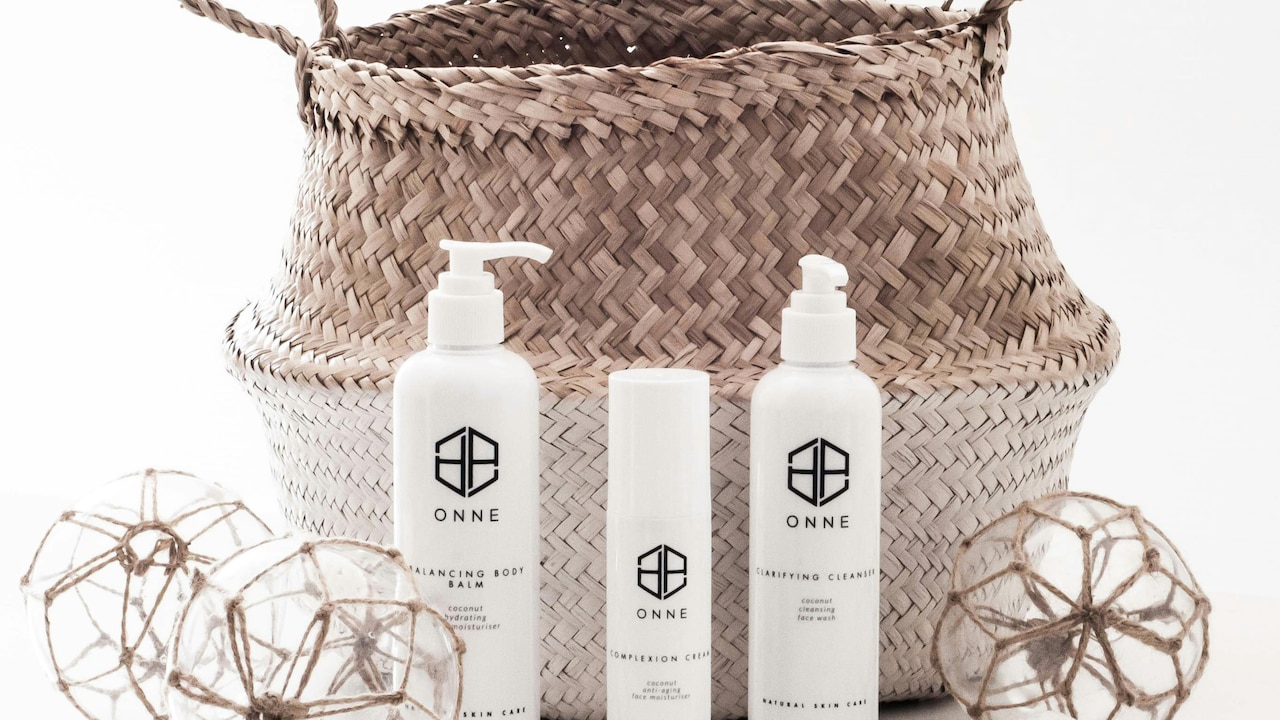
Body Lotion vs Body Butter vs Cream: What Works Best for Your Skin Type?
Photo Credit: Unsplash
Products Related To This Article
1. Parachute Advansed Soft Touch Body Lotion
2. mCaffeine Choco & Shea Body Butter Lotion, 72Hr Moisturisation
3. BOROPLUS Doodh Kesar Body Lotion
4. Be Bodywise 4% AHA BHA Body Butter for 48-Hour Moisturized
5. Vaseline Deep Moisture Body Lotion with Ceramide Hyaluron
6. JOVEES Shea Butter Moisturiser with Fruit Extracts
7. NIVEA Cocoa Nourish, Moisturizer Body Lotion
Body lotion, body butter and cream each serve a purpose. None outshines the others universally. The right choice depends on skin type, climate, lifestyle and personal comfort.
Lotions keep things light and easy, creams balance nourishment and comfort, while butters provide deep care when skin feels stressed. Understanding these differences removes confusion and empowers better choices.
Healthy skin rarely needs complicated routines. A thoughtful product, used consistently and adjusted with seasons, delivers lasting comfort. Moisturising then becomes less about chasing trends and more about listening to what skin quietly asks for each day.
(Disclaimer: This article may include references to or features of products and services made available through affiliate marketing campaigns. NDTV Convergence Limited (“NDTV”) strives to maintain editorial independence while participating in such campaigns. NDTV does not assume responsibility for the performance or claims of any featured products or services.)