Why the Same Perfume Smells Different on Everyone: Fragrance Basics Explained
Same perfume, different smell? Strange? Understand how unique skin chemistry and climate affect conditions that transform fragrance on your body throughout the day.
Same Perfume, Different Smell? Strange? Know How Skin Chemistry and Climate Affect Fragrance.
That moment is familiar. A friend walks past wearing a perfume that smells warm, elegant, and irresistible. You buy the same bottle, spray it on, and something feels off. Not bad, just different. Softer. Sharper. Sometimes heavier. This isn't marketing trickery or a faulty batch. Perfume is one of the most personal things a person wears, even more than clothes. It doesn't just sit on the skin; it reacts, evolves, and settles differently on every individual. Body chemistry, lifestyle, weather, and even daily habits quietly change how a fragrance unfolds.
Understanding why this happens makes perfume shopping less frustrating and far more enjoyable. Once the basics are clear, choosing a scent becomes less about copying someone else and more about finding what truly feels like “you.” So, here is why the same perfume smells different on everyone.

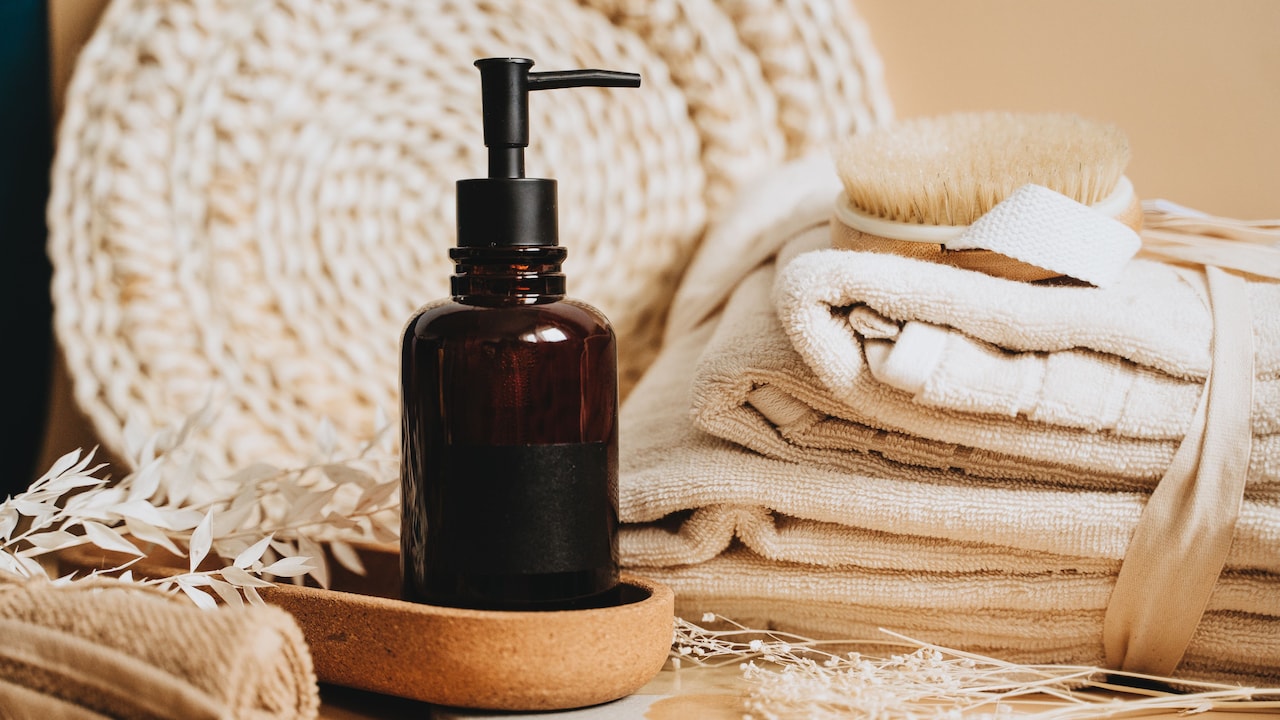
How Chemistry Affects Perfume: Why One Fragrance Never Smells the Same; Photo Credit: Pexels
The Hidden Factors That Shape How Perfume Performs
1. Skin Chemistry Plays the Lead Role
No two people have the same skin chemistry. Natural oils, pH levels, and moisture content all influence how a perfume smells after application. Oily skin tends to hold fragrance longer and amplify sweeter or warmer notes. Drier skin may cause scents to fade faster or smell lighter than expected.
The skin's pH also matters. Slightly acidic skin can sharpen citrus and fresh notes, while more alkaline skin often softens them and highlights woody or musky tones. This explains why a floral perfume may feel creamy on one person and powdery on another.
Even everyday habits affect skin chemistry. Regular use of soaps, body washes, and lotions can shift how fragrance reacts. A heavily fragranced body lotion can clash or blend unpredictably with perfume. This invisible chemistry experiment happens every time perfume meets skin, which is why testing on paper strips never tells the full story.
2. Body Heat Changes How Notes Develop
Perfume reacts to warmth. Areas where the body generates more heat—like the neck, wrists, and behind the ears—help release fragrance molecules into the air. People with naturally warmer body temperatures often experience stronger projection and faster evolution of scent notes.
This can make top notes disappear quicker while pushing heart and base notes forward. On someone else, the same perfume may stay fresh and airy for hours. On warmer skin, it might jump straight into its deeper, spicier layers.
Climate adds another layer. In hot weather, fragrances bloom faster and feel more intense. What smells soft indoors may feel overpowering outdoors in peak summer. That's why many people instinctively switch to lighter scents during hotter months without realising their body heat already does part of the transformation.
Also Read: Luxury Perfume Hacks: 10 Ways to Buy High-End Fragrances Sight Unseen
3. Natural Body Scent Blends With Perfume
Every person has a natural scent, even when freshly showered. This scent comes from skin oils, sweat glands, and even diet. Perfume doesn't erase it; it blends with it.
Foods rich in spices, garlic, dairy, or coffee can subtly influence how a fragrance smells hours later. Hormonal changes can do the same. This is why a perfume might smell different on the same person at different stages of life.
Instead of fighting this, the best fragrances work with natural body scent rather than against it. This is often why certain perfumes feel “made” for someone. They aren't overpowering; they harmonise. When a fragrance feels off, it's usually because the blend clashes with the wearer's natural scent profile.
4. Fragrance Concentration Matters More Than Expected
Not all perfumes are created equal, even if they share the same name. Eau de toilette, eau de parfum, and parfum differ in oil concentration. Higher concentration means stronger base notes and longer wear, but also more interaction with skin chemistry.
A lighter concentration may smell fresher and more linear, while a stronger one develops depth and warmth over time. On some people, intense concentrations feel luxurious. On others, they feel heavy or sharp.
This is why trying different concentrations of the same fragrance can lead to surprising preferences. The issue often isn't the scent itself, but how strongly it reacts with the skin over several hours.
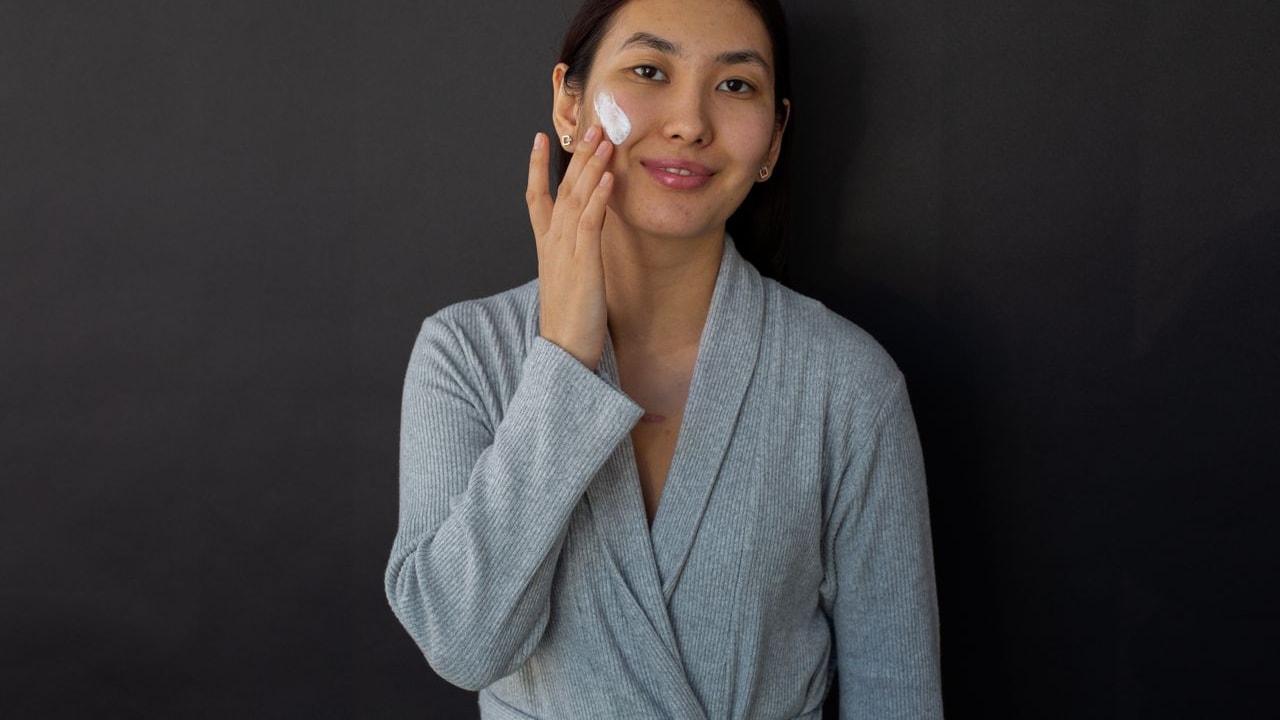
How Chemistry Affects Perfume: Why One Fragrance Never Smells the Same; Photo Credit: Pexels
5. Weather and Humidity Shift the Scent Experience
Perfume behaves differently in humid air versus dry conditions. Humidity lifts fragrance molecules, making scents project more and feel richer. Dry air can mute notes, making the same perfume feel faint or dusty.
During monsoon months, floral and aquatic fragrances often feel brighter and more expressive. In colder, drier conditions, spicy and woody scents come alive, clinging closer to the skin.
This explains why a perfume loved during one season might feel disappointing in another. The scent hasn't changed; the environment has. Matching fragrance families to weather conditions can dramatically improve how a perfume feels throughout the day.
6. Application Style Changes the Outcome
How perfume is applied matters as much as what is applied. Spraying directly on moisturised skin helps fragrance last longer and smell smoother. Applying perfume on dry skin can make notes evaporate quickly or smell sharper.
Rubbing wrists together, a common habit, breaks down top notes and alters the intended development of the fragrance. Spraying too close or too far also affects how evenly the scent settles.
Even the number of sprays changes perception. What feels subtle on one person might feel overpowering on another simply because of application style. Perfume works best when allowed to settle naturally without interference.
7. Age and Hormonal Shifts Influence Scent
As the body changes over time, so does the way perfume reacts. Hormonal shifts affect skin oil production and body scent. A fragrance loved years ago may suddenly feel too strong, too sweet, or oddly sharp.
This doesn't mean taste has changed completely. Often, the body has. Many people notice this during major life transitions when scents that once felt perfect no longer sit right.
Revisiting fragrance choices periodically helps maintain that sense of comfort and confidence. Perfume should feel like an extension of personality, not a reminder of something that no longer fits.
How Chemistry Affects Perfume: Why One Fragrance Never Smells the Same; Photo Credit: Pexels
8. Mood and Memory Shape Perception
Smell is deeply tied to memory and emotion. A perfume associated with happy moments often feels warmer and more comforting. The same scent worn during stressful times may feel heavy or irritating later.
Mood also affects perception in real time. On a relaxed day, fragrances feel smoother and more pleasant. During rushed mornings or long commutes, even familiar scents can feel overwhelming.
This emotional filter explains why opinions about a perfume can change without any physical reason. The scent hasn't changed; the wearer's emotional state has.
9. Storage and Age of the Perfume Bottle Matter
Perfume changes over time, especially if stored poorly. Exposure to heat, light, or air can alter the composition. This may cause certain notes to fade or intensify unexpectedly.
A bottle kept near a window or in a bathroom may smell different from one stored in a cool, dark place. Over time, oxidation can slightly shift the fragrance profile, making it smell deeper or duller than intended.
This can add another layer of confusion when comparing how the same perfume smells on different people. Sometimes, it isn't the skin at all—it's the bottle.
10. Perfume Is Meant to Be Personal, Not Identical
Perfume isn't meant to smell the same on everyone. Its magic lies in how it adapts. What smells soft on one person might smell bold on another. Neither is wrong.
Understanding this removes the pressure to chase exact results seen in others. Instead, it encourages exploration. Sampling on skin, waiting a few hours, and noticing how the scent evolves reveals whether a perfume truly belongs to someone.
The goal isn't to smell like someone else. It's to find a fragrance that feels effortless, familiar, and uniquely personal.
Products Related To This Article
1. BEARDO Godfather Perfume-Premium
2. BELLAVITA Gift Set 4x20 ml Luxury Scent with Long Lasting Fragrance Perfume
3. DJOKR On The Rocks Eau de Parfum
4. FOGG Gift Set Pack of 4- Premium Perfume Scent With Long Lasting Eau de Parfum
5. DAVIDOFF Cool Water Eau de Toilette
6. Adilqadri Shanaya Perfume, Arabic & French Long Lasting Scent Eau de Parfum
7. BEARDO Godfather & Whisky Smoke EDP Perfume Combo
Perfume is a quiet conversation between scent and skin. Body chemistry, weather, habits, mood, and time all influence how that conversation unfolds. This is why the same bottle tells a different story to every person.
Once this is understood, fragrance shopping becomes less about comparison and more about connection. The best perfumes don't copy. They adapt, evolve, and reflect the person wearing them. And that's exactly how they're meant to work.
(Disclaimer: This article may include references to or features of products and services made available through affiliate marketing campaigns. NDTV Convergence Limited (“NDTV”) strives to maintain editorial independence while participating in such campaigns. NDTV does not assume responsibility for the performance or claims of any featured products or services.)