Conditioner Not Working? Common Hair Care Mistakes and Moisturising Tips for Healthier Hair
Dry, dull hair despite regular conditioning? The problem may not be your product but your routine. Discover why conditioner fails, common hair care mistakes, and practical tips to restore moisture and strength to your strands.

Conditioner Not Working? Top Hair Care Mistakes And Moisturising Products For Healthier Strands.
Hair care feels simple until it stops working. One day, conditioner leaves hair silky and cooperative. The next strands feel rough, dull, or weighed down, as if they have given up on life. Many people blame the product and move on to the next bottle, hoping for magic. The truth sits deeper. Hair reacts to seasons, water, stress, diet, styling habits, and even how products get applied.
From sweaty commutes to sudden monsoon frizz hair or winter dryness, hair faces daily challenges. Conditioner plays a key role, but only when used the right way and paired with smart care. This article explores why conditioner sometimes disappoints and what actually helps. The focus stays practical, honest, and rooted in everyday routines.
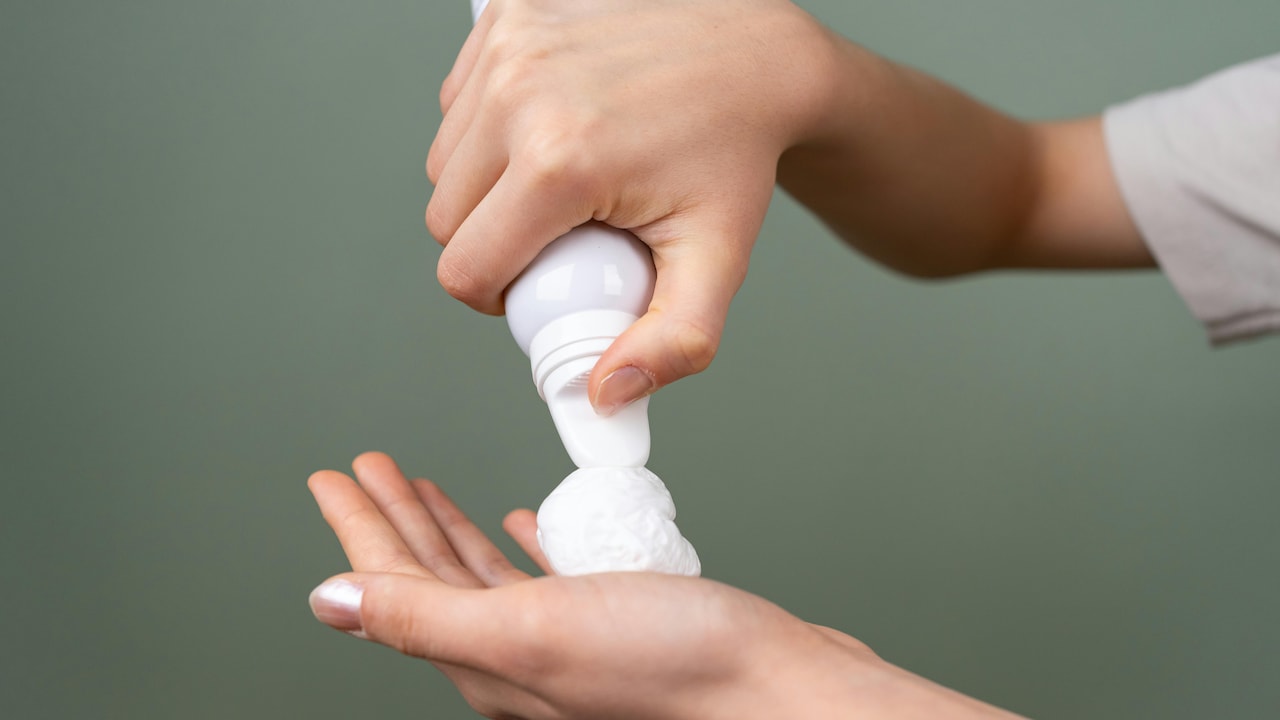
Why Your Conditioner Isn't Working and the Hair Care Tips That Actually Help; Photo Credit: Pexels
If Conditioner Alone Isn't Helping, These Hair Care Fixes Might
1. Understanding Why Conditioner Stops Working
Conditioner rarely fails without a reason. Over time, hair changes. Hormones shift, stress increases, water quality varies, and weather plays tricks. Hair that once felt soft may now feel brittle or greasy. Conditioner alone cannot fix everything.
Product build-up often causes the biggest issue. Silicone-heavy conditioners coat strands and block moisture. Hair feels smooth at first, but dries out underneath. Hard water also leaves mineral residue, making even good conditioners less effective. Then comes over-conditioning, which sounds harmless but leads to limp, lifeless hair that refuses to hold shape.
Incorrect application matters too. Many people rush through conditioning, slapping it on roots and rinsing within seconds. Conditioner needs time and correct placement to work. Lengths and ends deserve attention, not the scalp.
Hair also responds to the environment. Pollution, dust, heat styling, and sun exposure damage cuticles. Conditioner cannot repair neglect on its own. Once the root cause becomes clear, improvement follows faster and with less expense.
2. Hair Type Matters More Than Marketing Claims
Every bottle promises miracles. Shiny hair, salon finish, instant repair. Reality feels different because hair type decides results, not advertising. Fine hair reacts differently from thick curls. Straight hair needs lighter formulas, while wavy or curly hair craves richer moisture.
Many people unknowingly use conditioners meant for another hair type. A heavy butter-based conditioner may overwhelm fine strands. A lightweight conditioner may leave coarse hair thirsty. Colour-treated hair needs gentler, nourishing formulas, while oily hair benefits from balancing ingredients.
Porosity also plays a role. Low-porosity hair struggles to absorb moisture and needs lighter products with heat assistance. High-porosity hair absorbs moisture quickly but loses it just as fast, demanding sealing ingredients like oils.
Ignoring hair type leads to disappointment. Learning what hair truly needs saves money and frustration. A conditioner that matches texture, thickness, and lifestyle transforms hair faster than chasing trends or celebrity recommendations.
Also Read: Hair Oiling Explained: Why It Benefits Some Hair Types And Fails Others
3. The Right Way to Apply Conditioner
Application technique changes everything. Conditioner does not work like shampoo. Roots rarely need it, unless hair feels extremely dry. Ends suffer the most from split ends, heat damage, and friction.
After shampooing, excess water should be squeezed out. Waterlogged hair dilutes conditioner and reduces effectiveness. A coin-sized amount works for short hair, while longer lengths may need more. Conditioner should be spread evenly through mid-lengths and ends, using fingers like a wide comb.
Time matters. Leaving conditioner on for at least two to three minutes allows ingredients to penetrate. Rushing wastes product and effort. While waiting, detangling gently reduces breakage.
Rinsing also deserves care. Lukewarm water works best. Cold water adds shine but may not suit everyone. Over-rinsing strips away benefits, while under-rinsing causes greasiness. Balanced rinsing leaves hair soft, not slippery.
4. Weather, Water, and Daily Exposure
Hair lives outdoors as much as skin does. Heat, humidity, pollution, and dust affect texture and moisture levels daily. During humid months, hair absorbs excess moisture and frizzes. During dry winters, hair loses moisture quickly and turns brittle.
Water quality adds another challenge. Hard water leaves mineral deposits that coat hair, making conditioner less effective. Hair feels rough, no matter how expensive the product. Occasional clarifying helps remove build-up and restores softness.
Daily habits also matter. Tying hair tightly, brushing aggressively, and skipping protection from the sun weaken strands. Conditioner supports hair but cannot fight constant damage alone.
Protective steps help. Covering hair in harsh sunlight, rinsing sweat promptly, and avoiding excessive heat styling preserve moisture. When the environment is considered part of hair care, conditioner finally gets a fair chance to perform.
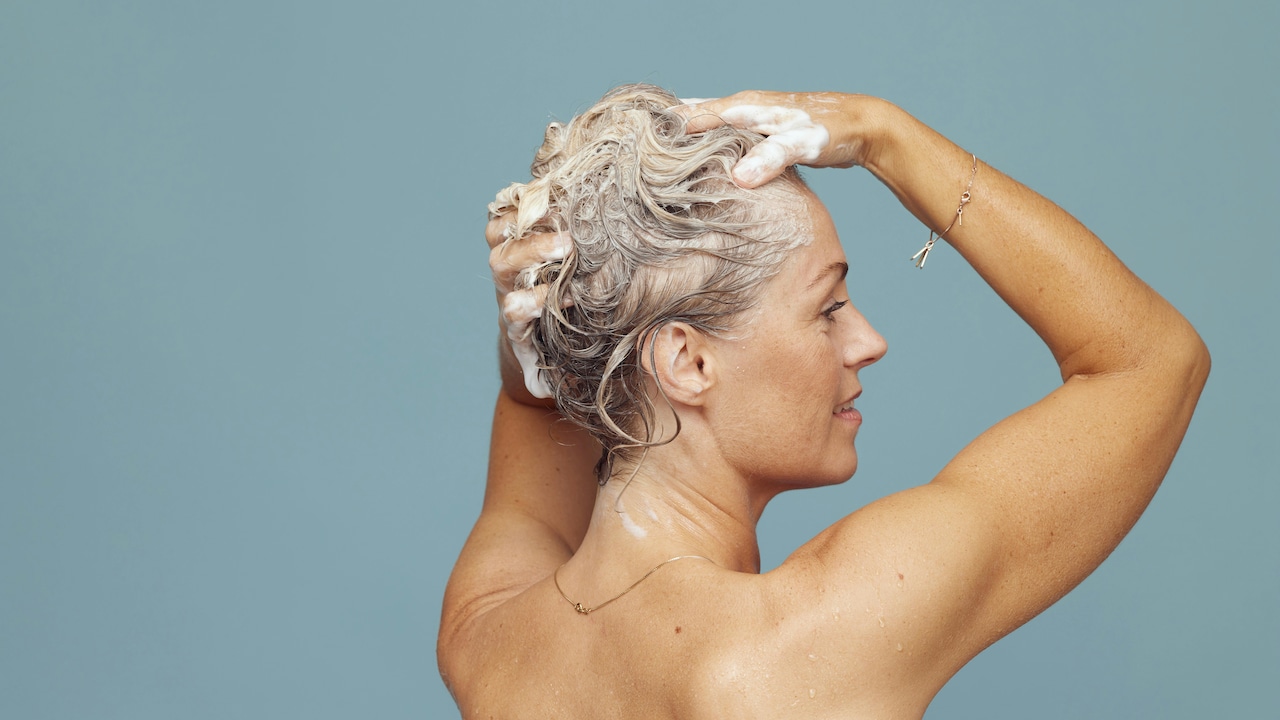
Why Your Conditioner Isn't Working and the Hair Care Tips That Actually Help; Photo Credit: Pexels
5. Shampoo and Conditioner Must Work as a Team
Conditioner cannot fix problems created by the wrong shampoo. Harsh shampoos strip natural oils, leaving hair dry and rough. Conditioner then struggles to compensate.
Sulfate-heavy shampoos clean deeply but often overdo it. Hair feels squeaky clean, which signals dryness. A gentler shampoo maintains balance and allows conditioner to nourish rather than rescue.
Frequency matters too. Washing too often removes moisture. Washing too little leads to a build-up. Finding a rhythm that suits scalp and lifestyle helps hair stay healthy.
Matching shampoo and conditioner types supports consistency. Moisturising shampoo pairs well with nourishing conditioner. Volumising shampoo works best with a lightweight conditioner. Mixing mismatched formulas confuses hair and leads to uneven results.
Healthy hair routines focus on balance, not extremes. When shampoo respects hair, conditioner enhances it instead of fighting damage.
6. Deep Conditioning and Hair Masks Make a Difference
Regular conditioner maintains hair. Deep conditioners repair and restore. Many people skip this step, expecting daily products to handle everything. Hair, like skin, needs occasional intensive care.
Deep conditioning once a week improves elasticity, shine, and softness. Hair masks penetrate deeper and address specific concerns like dryness, damage, or frizz. Leaving them on longer allows ingredients to work properly.
Heat boosts results. Wrapping hair in a warm towel helps cuticles open and absorb moisture. Even ten minutes makes a noticeable difference.
Overusing masks causes issues, so moderation matters. Too much protein makes hair stiff, while too much moisture makes it limp. Alternating treatments based on hair condition keeps strands balanced.
Deep care restores faith in conditioner by supporting hair from within, not just smoothing the surface.
7. Natural Oils and Home Care Rituals
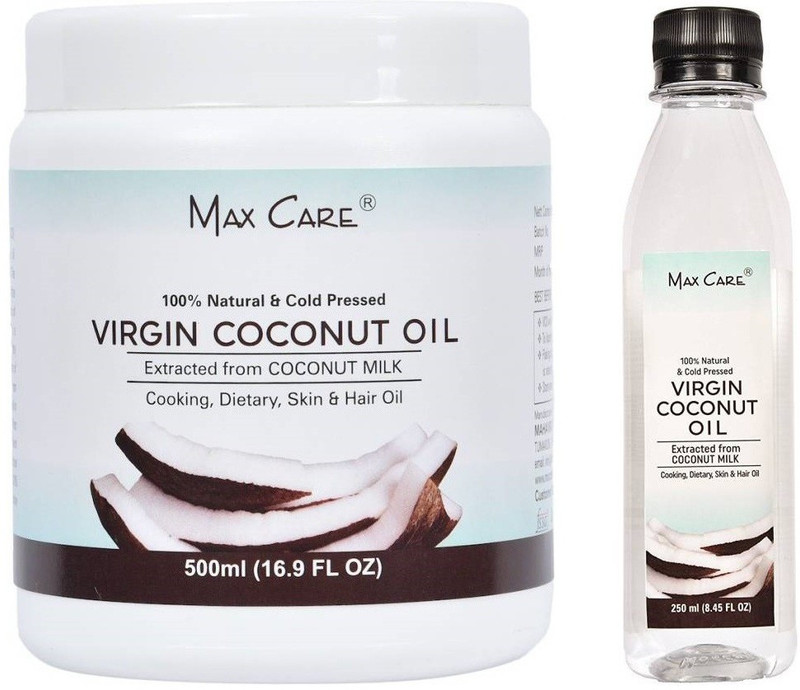
Traditional hair rituals still hold value. Natural oils nourish hair deeply and protect against moisture loss. Coconut oil suits many hair types and penetrates the shaft. Almond oil adds softness and shine. Castor oil supports strength and thickness when used sparingly.
Oil treatments work best before washing, not after. Applying oil overnight or for an hour protects hair during cleansing. Shampoo then removes excess oil while leaving benefits behind.
Home remedies like curd, aloe vera, and honey add hydration and shine when used occasionally. These treatments feel comforting and effective without high costs.
Consistency matters more than complexity. Simple rituals done regularly improve hair health over time. Conditioner works better on hair that receives basic nourishment and care beyond commercial products.
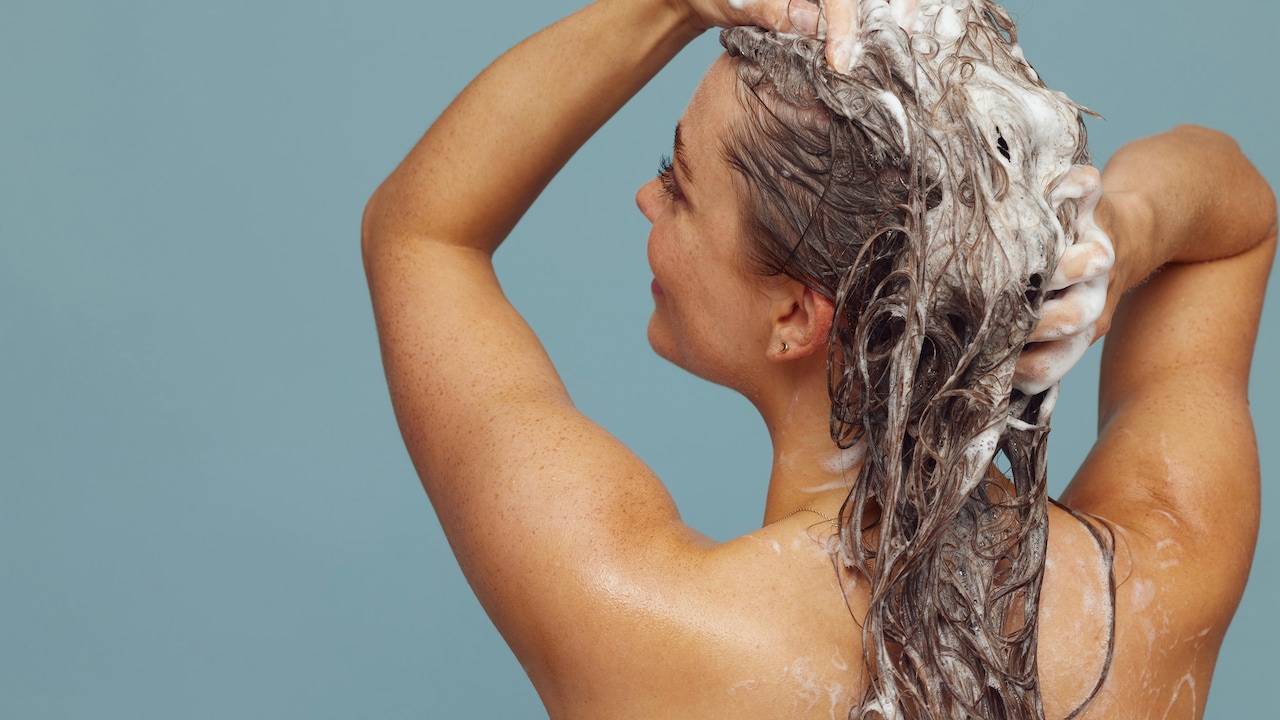
Why Your Conditioner Isn't Working and the Hair Care Tips That Actually Help; Photo Credit: Pexels
8. Diet, Stress, and Lifestyle Impact Hair Health
Hair reflects internal health. No conditioner can hide prolonged stress, poor diet, or dehydration forever. Lack of protein, iron, and vitamins weakens hair from the roots.
Busy routines often push nutrition aside. Skipping meals, relying on processed food, and ignoring water intake show up as dull, brittle hair. Including fruits, vegetables, nuts, seeds, and adequate protein supports growth and strength.
Stress also plays a role. Hair sheds more during stressful periods and loses shine. Gentle care during such phases prevents further damage.
Sleep matters too. Cotton pillowcases cause friction and breakage. Switching to smoother fabrics or tying hair loosely reduces stress on strands.
When lifestyle supports hair, conditioner enhances natural strength instead of compensating for damage.
9. Common Conditioner Mistakes to Avoid
Many mistakes hide in plain sight. Applying conditioner on the scalp clogs pores and causes greasiness. Skipping conditioner entirely because hair feels oily worsens dryness over time.
Using too much product weighs hair down, while using too little offers no benefit. Switching products too often prevents hair from adjusting and showing results.
Rubbing hair roughly with a towel damages cuticles. Gentle patting works better. Brushing wet hair aggressively causes breakage, especially without conditioner support.
Ignoring expiry dates also matters. Old products lose effectiveness and may irritate the scalp.
Correcting small habits delivers big improvements. Conditioner performs best when supported by mindful care and patience.
10. Choosing Moisturising Products That Actually Work
Moisturising products should suit hair needs, not trends. Ingredients matter more than packaging. Look for humectants that attract moisture and emollients that seal it in.
Avoid products that rely heavily on alcohols that dry hair. Lightweight leave-in conditioners help maintain moisture between washes. Serums and creams tame frizz when used sparingly.
Budget-friendly products can work as well as premium ones when chosen wisely. Spending ₹300 wisely often beats spending ₹3,000 blindly.
Patch testing new products prevents disappointment. Hair needs time to adjust, so results appear after consistent use.
Smart choices restore trust in hair care. Conditioner starts working again when supported by the right products and realistic expectations.
Products Related To This Article
1. TRESemme Keratin Smooth Conditioner
2. L'Oreal Paris Extraordinary Oil Nourishing Conditioner with Precious Oils For Dry & Dull Hair
3. DOVE New intense Repair Conditioner
4. Re'equil Anti-Frizz & Smoothening Hair Conditioner with Babassu Oil
5. Pilgrim Patua & Keratin Smoothing Conditioner with Sacha Inchi for Silky
6. MOXIE BEAUTY Conditioner For Wavy & Curly Hair - Intense Nourishment | 100% Mosturized Hair
7. The Plant Fix Plix Rosemary Advanced Anti-Hair Fall Conditioner for Reducing Hair Loss & Breakage
When the conditioner stops working, the hair sends a message. The solution rarely lies in buying another bottle immediately. Understanding hair type, environment, habits, and lifestyle reveals what strands truly need.
Small changes make a big difference. Better application, balanced routines, occasional deep care, and mindful product choices revive hair health over time. Conditioner then returns to its role as a trusted ally, not a failed promise.
Healthy hair does not demand perfection. It responds to care, patience, and consistency. With the right approach, softer, stronger, more manageable strands become a daily reality rather than a distant goal.
(Disclaimer: This article may include references to or features of products and services made available through affiliate marketing campaigns. NDTV Convergence Limited (“NDTV”) strives to maintain editorial independence while participating in such campaigns. NDTV does not assume responsibility for the performance or claims of any featured products or services.)