Myth Busted: Daily Straightening Doesn't Have to Mean Breakage
Daily straightening does not have to wreck your hair. With the right heat, protection, and care, sleek strands can stay strong, smooth and breakage-free. Here’s how to style smart without sacrificing shine.
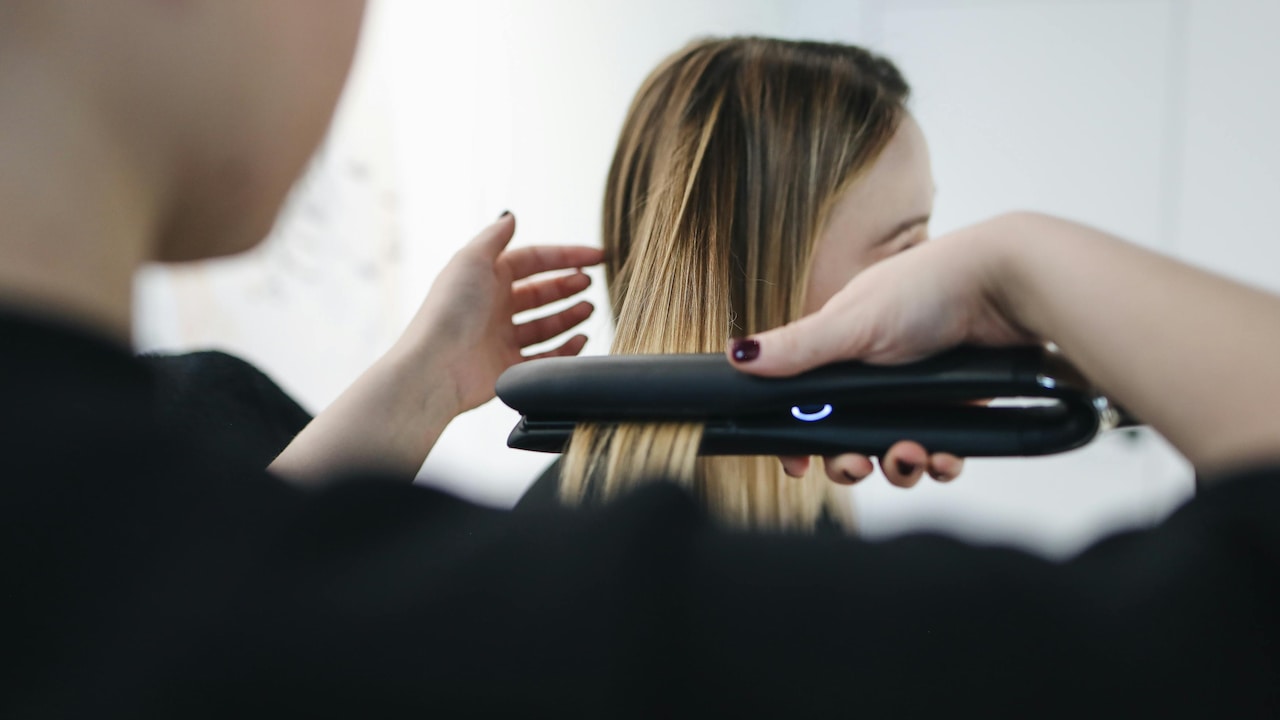
Daily Hair Straightening Without Damage: Myth Busted With Expert-Backed Tips.
Step into any college campus, metro station, or office lift at 9 a.m., and one thing becomes clear: sleek, straight hair never goes out of style. From job interviews to wedding receptions, polished strands often feel like part of the dress code. Yet whispers follow the straightener. “Daily heat ruins hair.” “You'll end up with straw-like ends.” “Better start budgeting ₹3,000 a month for damage control.”
The fear runs deep, and not without reason. Many have watched once-soft hair turn rough after reckless styling. But here's the truth: the straightener itself does not cause the disaster. Poor technique, cheap tools, and impatience do. Hair thrives on balance. It loves care, consistency, and common sense.
Daily straightening does not have to mean breakage. It demands a smarter approach, not a complete goodbye to heat. Let's unpack the myths, the mistakes, and the methods that keep strands smooth without sacrificing strength.
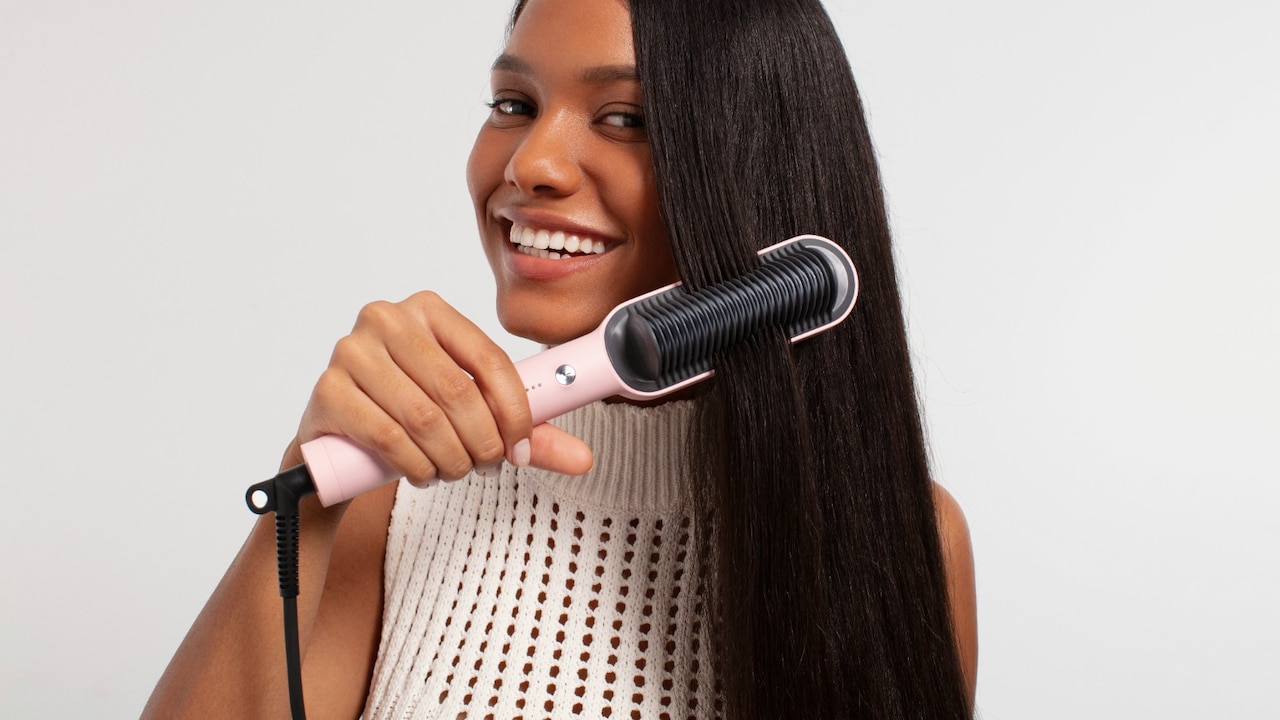
Myth Busted: Daily Straightening Doesn't Have to Mean Breakage; Photo Credit: Pexels
The Truth About Heat Styling And Hair Health
Understanding What Hair Really Needs
Hair behaves like fabric. Treat silk gently, and it glows. Scrub it harshly, and it frays. Each strand contains protein structures that give it elasticity and strength. Excessive heat weakens these proteins when handled carelessly. However, controlled heat paired with protection helps shape hair without tearing it apart.
Many assume hair “burns” the moment a straightener touches it. In reality, damage builds over time through repeated exposure to extreme temperatures. A quality straightener with adjustable heat protects far better than a bargain tool stuck at maximum settings. Spending ₹2,500 to ₹5,000 on a reliable device often saves far more in repair treatments later.
Hair also needs moisture and protein in balance. Too much moisture leaves it limp. Too much protein makes it stiff. Daily straightening works best when hair feels nourished before heat enters the picture. Healthy strands tolerate styling far better than neglected ones.
The Heat Protection Rule You Cannot Ignore
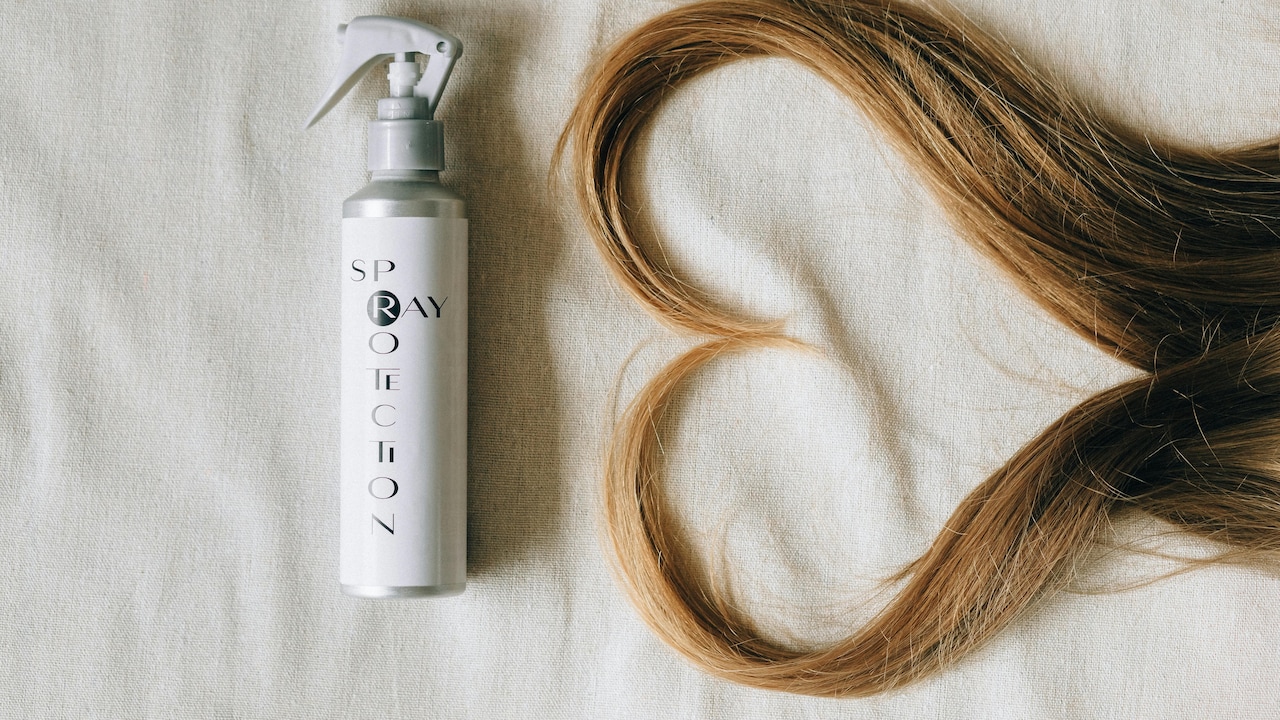
Skipping heat protectant resembles stepping into peak summer sun without sunscreen. Damage creeps in quietly and shows up weeks later as rough ends and dullness. Heat protectants create a barrier that slows moisture loss and reduces direct thermal shock.
Many avoid these sprays because they fear sticky residue. Modern formulas feel lightweight and invisible. A coin-sized amount spreads easily through mid-lengths and ends. Focus on even distribution. Comb through gently to avoid product build-up in one patch.
Price does not always equal quality, yet investing around ₹600 to ₹1,200 in a dependable product makes sense when hair health matters. Daily stylers often notice smoother results immediately. The hair glides through plates rather than dragging. That glide reduces friction, and friction triggers breakage.
Think of protectant as insurance. It may not prevent every single split end, but it drastically reduces risk.
Also Read: 5 Hair Straighteners Under ₹1000 That Beat Premium Ones; Check On Myntra
Choosing The Right Straightener Matters
Not all straighteners perform equally. Ceramic plates distribute heat evenly. Tourmaline options reduce static and frizz. Cheap metal plates often create hot spots that scorch sections while leaving others untouched.
Adjustable temperature control stands as a non-negotiable feature. Fine or chemically treated hair thrives at lower settings, around 150 to 170 degrees Celsius. Thick or coarse textures may need 180 to 200 degrees, but rarely more. Cranking up to the maximum “just to finish faster” invites trouble.
Plate size also plays a role. Shoulder-length hair works well with standard plates. Very long or thick hair benefits from wider plates that reduce repeated passes. Each extra pass exposes strands to more heat.
A straightener should feel like a tool, not a weapon. Smooth edges, consistent heat, and ergonomic design encourage careful styling instead of rushed aggression before the morning commute.
Prepping Hair The Smart Way
Great straightening starts long before plugging in the tool. Freshly washed hair needs complete drying before heat styling. Wet strands sizzle under plates, and that sound signals severe damage.
A gentle shampoo and nourishing conditioner set the foundation. Heavy conditioners that coat hair excessively can make strands limp under heat. Lightweight, strengthening formulas strike a better balance. Once out of the shower, pat hair dry with a soft towel. Vigorous rubbing roughens the cuticle and invites frizz.
Blow-drying with a nozzle attachment directs airflow downward and smooths the surface. Use moderate heat and keep the dryer moving. Many rush this step and rely on the straightener to “fix everything.” That approach doubles heat exposure. Proper blow-drying reduces the need for multiple passes later.
Preparation feels time-consuming, yet it saves effort and damage in the long run. Hair responds beautifully to patience.
Sectioning: The Secret To Fewer Passes
Impatience ruins more hair than heat ever could. Grabbing large, uneven chunks and clamping down repeatedly leads to frustration and breakage. Sectioning changes the game entirely.
Divide hair into manageable layers. Clip the top half away and start with the bottom. Take thin, even sections that allow the plates to glide smoothly from root to tip in one steady motion. One slow pass works better than three rushed ones.
Consistency matters. Hold the straightener at the correct angle and avoid twisting wrists awkwardly. Tugging strands mid-pass causes tension, and tension weakens roots over time.
This method may add five extra minutes to the routine. Yet those five minutes protect months of growth. Hair that feels respected tends to cooperate. It shines brighter and resists snapping.
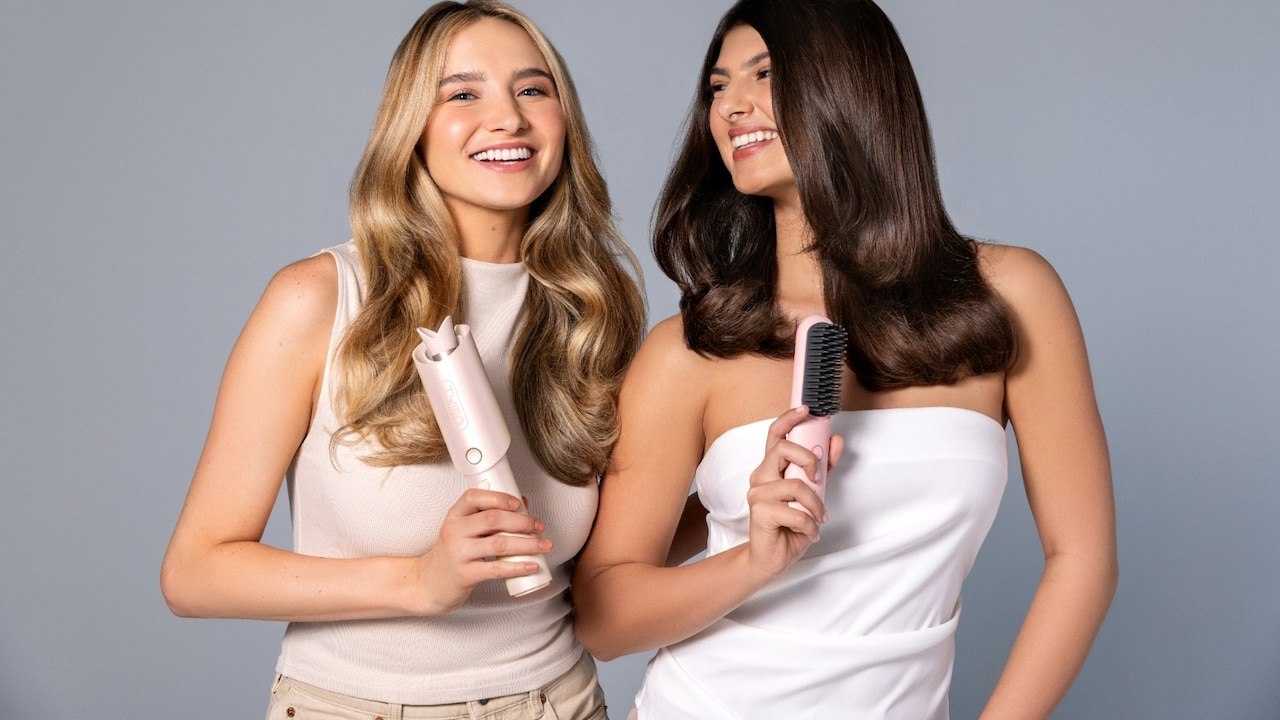
Myth Busted: Daily Straightening Doesn't Have to Mean Breakage; Photo Credit: Pexels
Why Daily Care Beats Occasional Rescue
Many ignore hair all week and then panic on Sunday night with a heavy mask. Damage control once a week cannot undo daily neglect. Consistent, lighter care proves more effective.
A weekly deep conditioning mask strengthens hair and replenishes moisture. Leave it on for the recommended time. Wrapping hair in a warm towel helps ingredients penetrate better. Look for masks rich in keratin, argan oil, or shea butter. Spending ₹700 on a quality mask often feels cheaper than a salon trim every month.
Between washes, a few drops of lightweight serum smooth the ends and reduce friction against clothes and pillowcases. Silk or satin pillowcases also reduce tangling overnight. Small habits create noticeable change over time.
Healthy hair does not require luxury treatments. It requires regular attention and a little discipline.
Trims Are Not The Enemy
Many avoid trims out of fear of losing length. Yet skipping trims often results in more breakage, which steals length anyway. Split ends travel upward when ignored. Cutting them off early protects the rest of the strand.
Scheduling a trim every eight to ten weeks maintains shape and prevents excessive splitting. Even half an inch makes a difference. Stylists often suggest minor dusting for those who wish to grow hair longer. That approach removes damaged tips without sacrificing noticeable length.
Think of trims as pruning a plant. Removing weak ends encourages stronger growth. Hair appears thicker and healthier immediately. Straightened hair, in particular, reveals split ends more clearly. Keeping ends tidy enhances the sleek finish.
The goal involves preservation, not drastic change. A steady rhythm of trims supports daily styling far better than crisis appointments after visible breakage appears.
Nutrition And Hydration From Within
No serum replaces proper nutrition. Hair reflects overall health. Diets lacking protein, iron, and essential fatty acids often result in weak strands that snap easily under heat.
Include protein-rich foods such as lentils, eggs, paneer, and nuts in regular meals. Green leafy vegetables support iron levels. Hydration plays a simple yet powerful role. Drinking enough water keeps the scalp and strands balanced.
Stress also affects hair. Tight deadlines, late nights, and constant rushing show up in thinning and shedding. Incorporating small moments of rest and exercise supports overall well-being, which in turn benefits hair.
Straightening daily demands resilience from strands. Strong roots and nourished follicles handle that demand far better than neglected ones. Beauty routines start on the plate as much as on the dressing table.
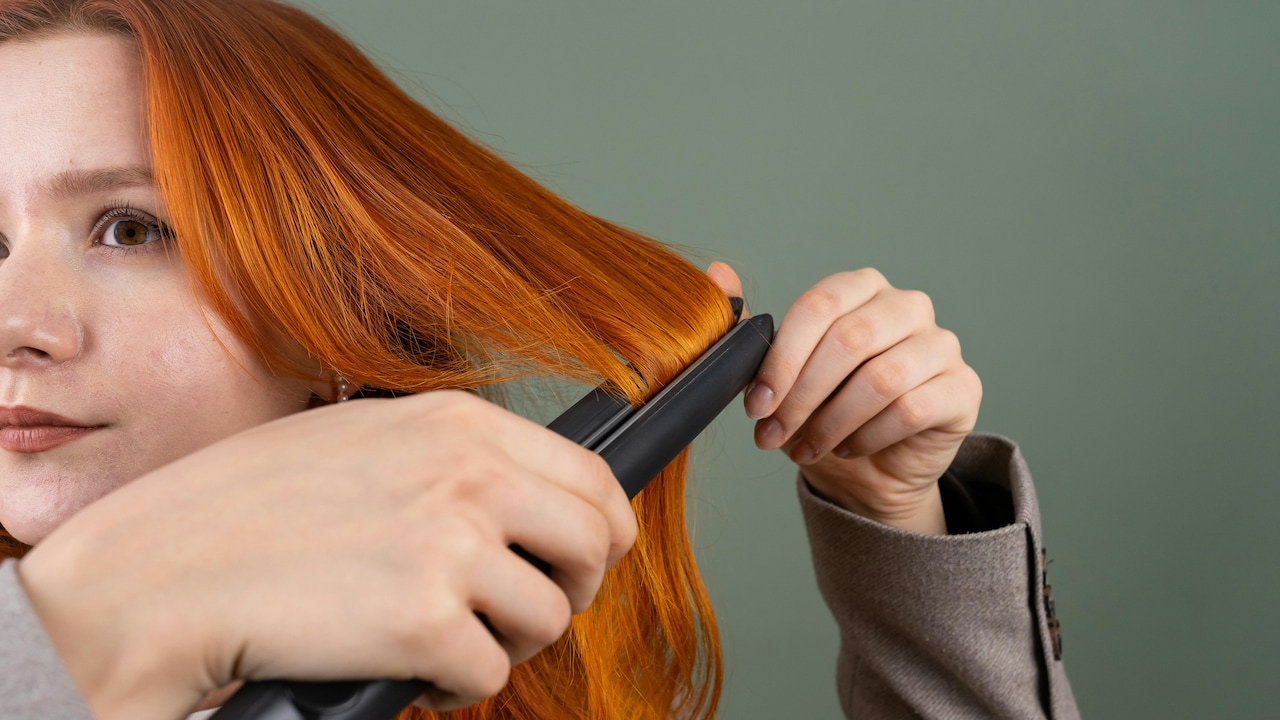
Myth Busted: Daily Straightening Doesn't Have to Mean Breakage; Photo Credit: Pexels
Breaking Up With Extreme Temperatures
High heat tempts many because it promises faster results. Yet extreme temperatures rarely deliver better styling. They only accelerate moisture loss.
Most hair types respond beautifully to moderate heat when paired with proper sectioning and preparation. Testing the lowest effective temperature saves strands from unnecessary stress. If hair straightens easily at 170 degrees, pushing to 220 offers no advantage.
Some days do not require a full straightening session. Light touch-ups on the front sections refresh the look without exposing all strands to heat. Embracing occasional air-dried styles also allows hair to recover. Sleek buns or braids offer stylish alternatives on humid days.
Daily straightening does not mean stubbornly clamping every inch of hair without pause. Smart styling includes flexibility.
Listening To Your Hair's Signals
Hair communicates clearly when something goes wrong. Increased shedding, rough texture, or a persistent burnt smell indicate trouble. Ignoring these signals invites bigger issues.
If hair starts feeling brittle, reduce heat frequency for a week. Focus on deep conditioning and gentle handling. Switching to a lower temperature may restore balance. Changing products occasionally also helps when the build-up weighs strands down.
Confidence in styling grows when awareness stays sharp. Treat hair as a partner, not a battlefield. Respect its limits. Celebrate its shine. Small adjustments along the way prevent major setbacks later.
Daily straightening works best when approached with mindfulness rather than habit.
Products Related To This Article
1. Philips BHS264/00 SilkProtect On The Go Hair Straightener with KeraShine
2. Agaro Fast Heating Hair Straightener
3. Ikonic Me Glide Hair Straightener with Ceramic Coated Plates & Light Indicator
4. WINSTON Hair Straightener With Titanium Ceramic Plates
5. Havells Women Wide Plate Hair Straightener
Sleek, straight hair has charmed generations and continues to hold its place in everyday fashion. The myth that daily straightening automatically equals breakage deserves retirement. Damage stems from haste, poor tools, and neglect. Thoughtful preparation, moderate heat, nourishing care, and regular trims transform the story entirely.
Hair thrives on balance. It tolerates heat when supported with protection and patience. It responds to consistent care far more than occasional panic treatments. A well-chosen straightener, a dependable heat protectant, and mindful technique turn daily styling into a manageable routine rather than a destructive ritual.
Smooth strands and strong hair can coexist. The secret lies not in abandoning the straightener but in learning to use it wisely. When care leads the routine, shine follows naturally.
(Disclaimer: This article may include references to or features of products and services made available through affiliate marketing campaigns. NDTV Convergence Limited (“NDTV”) strives to maintain editorial independence while participating in such campaigns. NDTV does not assume responsibility for the performance or claims of any featured products or services.)