You're Still Making These Common Mascara Mistakes That Stop Your Lashes From Looking Perfect
Still dealing with clumpy, droopy or smudged lashes? The problem may not be your mascara but your technique. These common mistakes could be stopping your lashes from ever looking truly flawless.
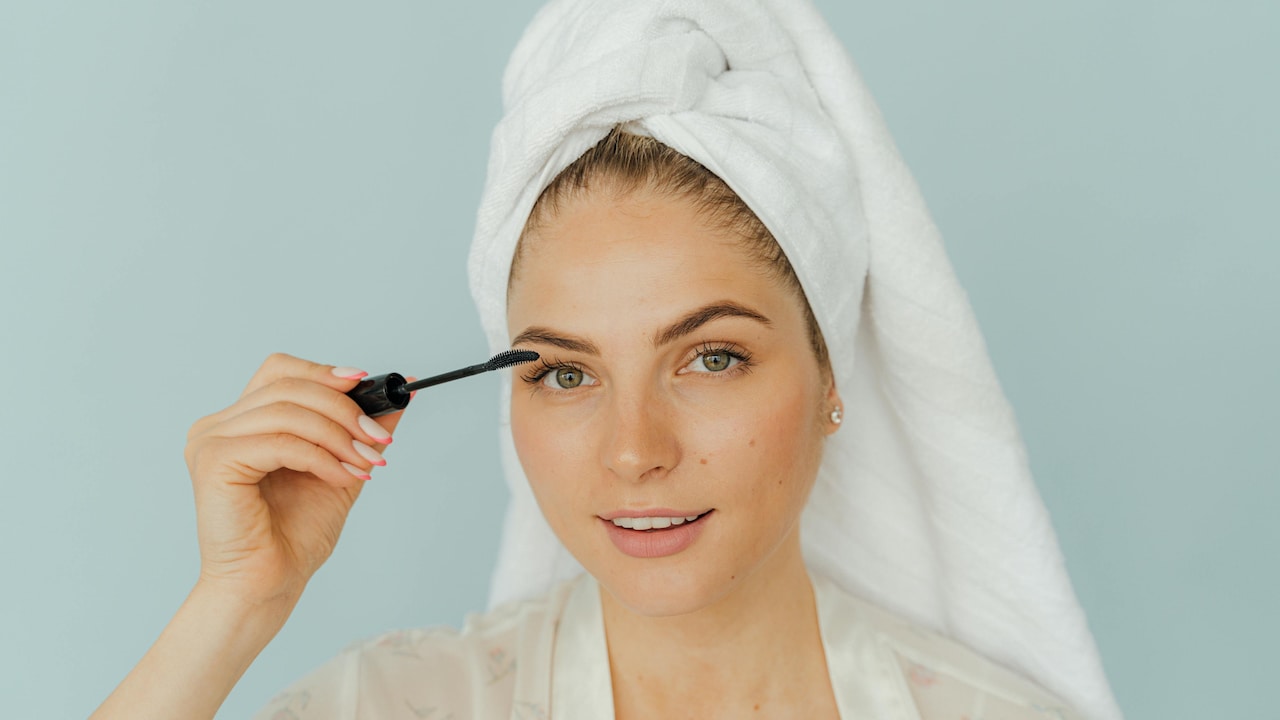
10 things that can prevent your mascara from looking perfect.
Few beauty products carry the quiet magic of mascara. One coat can make tired eyes look awake after a long commute through traffic, a late-night wedding function, or an early morning presentation. It costs less than most serums, fits neatly into the smallest handbag, and delivers immediate impact.
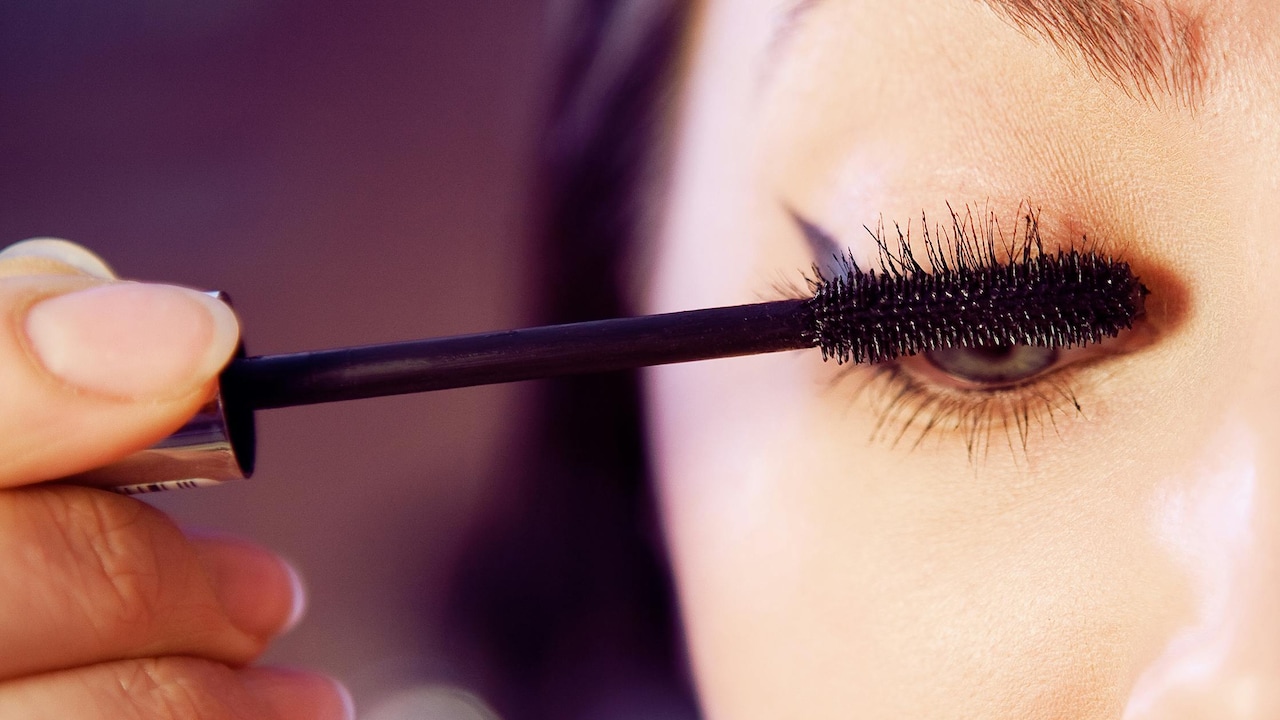
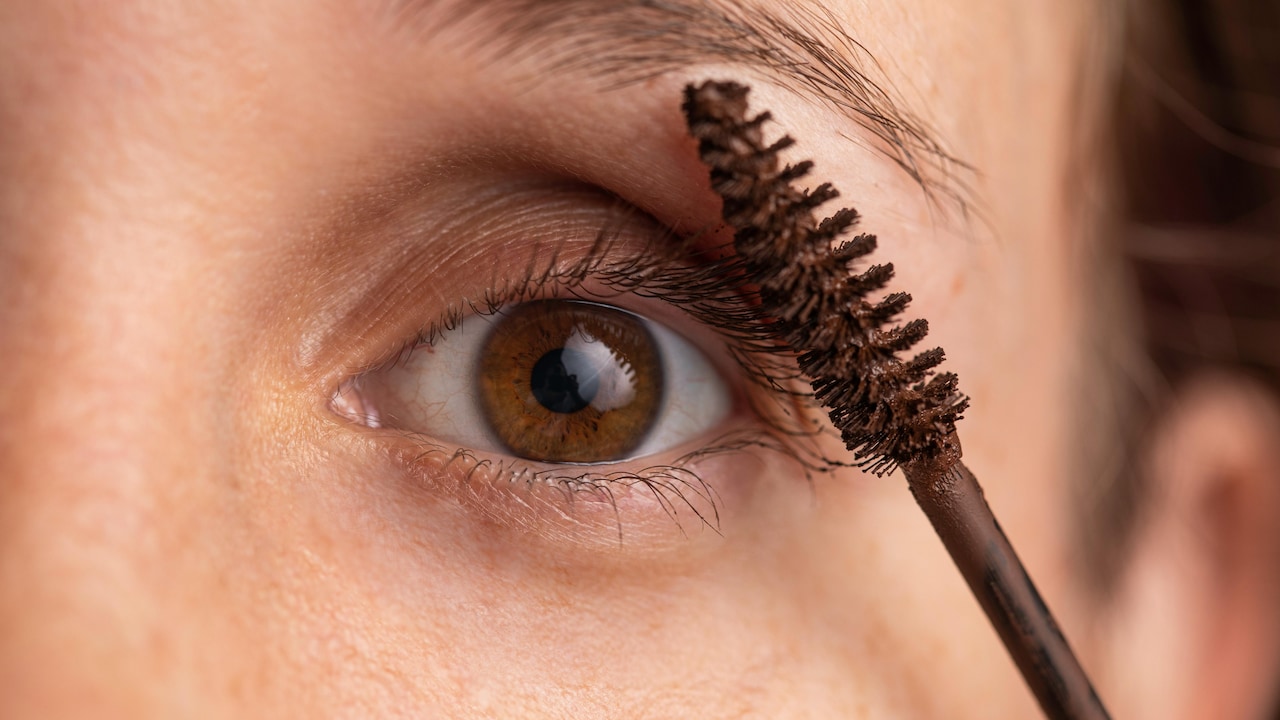
Common reasons why most mascaras don't give you that elongated and fluttery effect; Photo Credit: Pexels
Yet, despite its simplicity, mascara often disappoints. Lashes clump like overcooked noodles. Black smudges creep under the eyes by lunchtime. Volume vanishes within hours. Many blame the brand, then switch to another tube priced at ₹499, ₹799, or even ₹1,200, hoping the next one will transform everything.
But technique matters more than the label. Even cult favourites like Maybelline, Lakmé, or L'Oréal Paris cannot rescue lashes from the wrong habits. Small tweaks change everything.
It's time to talk about the mascara mistakes almost everyone still makes and how to finally let lashes reach their full potential.
Also Read: 5 Best Easy-to-Use Makeup Essentials for Everyday Looks
The Real Reason Your Lashes Never Look As Good As They Should
Not Curling Lashes Before Applying Mascara
Skipping the lash curler feels harmless. After all, mascara promises lift and drama on its own. Yet lashes without a curl often look shorter than they actually are. Straight lashes point forward or downward, hiding length and casting faint shadows under the eyes.
Curling takes less than ten seconds but creates a visible difference. The key lies in timing. Always curl before applying mascara. Mascara hardens lashes, and curling afterwards risks breakage. That cringing moment when lashes stick to the curler happens because the order went wrong.
For better results, warm the curler slightly with a hairdryer for a few seconds. Test it on the wrist first. It should feel mildly warm, never hot. Press gently at the base, then move slightly upward and press again for a soft, natural curve. This technique avoids a sharp, unnatural bend.
That subtle lift opens the eyes instantly. It creates space between lashes and lids, allowing mascara to coat evenly without weighing everything down.
Pumping The Wand Inside The Tube
The dramatic pumping motion feels satisfying. Many believe it loads more product onto the brush. In reality, it pushes air into the tube. Air dries the formula, thickens it, and encourages clumps.
A fresh mascara should glide smoothly. When it starts feeling dry within weeks, pumping often plays a role. Instead of thrusting the wand in and out, twist it gently inside the tube. Rotate and pull slowly. This method coats the brush without flooding the formula with air.
Dry mascara leads to flaking and those annoying black specks on cheeks. It also makes the application harder, which results in heavy layers to compensate for poor spread.
Mascara usually lasts three to six months. If it dries sooner, consider the technique before blaming the brand. A simple twist instead of a pump preserves texture, keeps bacteria at bay, and saves money. No one wants to replace a ₹900 tube prematurely because of habit.
Applying Too Many Coats At Once
More mascara does not equal more glamour. Thick, heavy layers quickly turn lashes into stiff spikes. They stick together and lose definition.
The secret lies in building gradually. Apply one thin coat and allow it to become slightly tacky. Then add a second coat while lashes still hold flexibility. Waiting too long between coats creates crunchiness. Rushing through thick layers creates clumps.
Many rush during busy mornings. The result often looks dramatic but messy. Instead, use light strokes and focus on separating lashes as the brush moves upward. If volume still feels lacking, concentrate the second coat at the roots rather than the tips.
This method gives the illusion of fullness without dragging lashes downward. Controlled layering creates soft drama suitable for both office meetings and festive evenings. The goal remains fluttery, not frozen.
Ignoring The Roots Of The Lashes
Many swipe mascara across the mid-lengths and tips while neglecting the roots. This habit leaves a faint gap between eyeliner and lashes, making eyes look less defined.
Start at the base. Place the wand close to the lash line and wiggle gently before pulling upward. The slight zigzag motion deposits colour at the roots and separates lashes as it moves toward the tips.
Root-focused application creates natural-looking thickness. It mimics the effect of tightlining without additional products. Even a single coat appears fuller because the base looks darker and denser.
Without attention to the roots, lashes may appear long yet sparse. Concentrating there frames the eyes more effectively than adding endless coats to the ends.
Using The Wrong Formula For The Weather
Humidity changes everything. Monsoon days, crowded public transport, and long wedding functions challenge even the most confident mascara.
Waterproof formulas resist sweat and tears but often feel stiff. Regular formulas look softer yet may smudge in humid conditions. Choosing based on occasion prevents disappointment.
For daily wear in warm weather, a water-resistant formula strikes balance. For emotional ceremonies or outdoor events, waterproof makes sense. For air-conditioned offices, a classic volumising mascara works beautifully.
Many stick to one formula year-round. That approach rarely suits changing conditions. Matching mascara to the day's demands keeps under-eyes clean and lashes intact.
Remember that waterproof formulas require gentle removal. Tugging damages lashes. Pair them with a suitable remover and patience.
Always choose a formula that goes with the ongoing weather to get the best results; Photo Credit: Pexels
Skipping Lash Preparation
Lashes need care just like skin. Applying mascara on oily lids or leftover skincare invites smudging.
Before mascara, ensure the eye area feels dry. If moisturiser migrates toward lashes, blot lightly with tissue. Some prefer a touch of translucent powder under the eyes to reduce oiliness.
Lash primers also help. They add grip and length, especially for sparse lashes. However, even without a primer, clean and dry lashes make a noticeable difference.
Neglecting preparation often leads to mascara transferring onto the upper lid. That half-moon imprint ruins carefully blended eyeshadow.
Preparation takes seconds but improves wear dramatically. Think of it as setting the stage before the performance begins.
Not Cleaning The Wand Properly
Pulling out the wand often reveals a blob of excess product at the tip. Applying it directly guarantees clumps.
Wipe the excess gently on the rim of the tube or a clean tissue. Focus especially on the tip of the brush. This small step allows more control during application.
Clumps rarely come from the formula alone. They result from overloaded brushes and rushed strokes. A cleaner wand distributes product evenly and reduces the need for combing afterwards.
If clumps still appear, use a clean spoolie to separate lashes immediately before the mascara dries. Waiting too long makes separation harder and risks pulling lashes out.
Precision beats speed every time.
Forgetting The Lower Lashes Or Overdoing Them
Lower lashes can transform a look or overwhelm it. Ignoring them sometimes leaves eyes looking incomplete. Overloading them creates spider-like shadows.
Use a lighter hand on the lower lashes. Hold the wand vertically and use the tip to coat gently. This method prevents heavy deposits.
Those with naturally long lower lashes may need just one soft swipe. Others might prefer a lengthening formula rather than a volumising one to avoid bulk.
If smudging occurs frequently, try a waterproof formula only on the lower lashes. Mixing formulas sounds complicated, but it often solves persistent problems.
Balance remains key. Lower lashes should enhance the eyes, not dominate them.
Holding The Wand At The Wrong Angle
Technique shapes results. Holding the wand horizontally suits upper lashes, but vertical positioning works better for detail.
For the outer corners, tilt the wand slightly upward. This lifts and elongates the eye shape. For inner corners, use the tip carefully to avoid smearing.
Many apply mascara straight on without adjusting angles. That habit misses smaller lashes and creates uneven volume.
A slight change in wrist movement improves coverage dramatically. Treat lashes section by section rather than as one flat surface.
Small adjustments produce a more professional finish without extra products or complicated tools.
Keeping Mascara For Too Long
Mascara does not last forever. Unlike powders, it holds moisture and collects bacteria over time. Using an old tube risks irritation and infections.
If the formula smells unusual, feels overly thick, or flakes excessively, it's time to replace it. Most experts recommend changing mascara every three to six months.
Many stretch usage to save money. Yet eye health deserves priority over a ₹700 saving. Fresh mascara applies smoothly and feels lighter on lashes.
Mark the purchase date discreetly on the tube if memory tends to fade. That small habit prevents guesswork later.
Healthy lashes look better than any dramatic coat ever could.
Products Related To This Article
1. Maybelline New York Lash Sensational Full Fan Effect Waterproof Mascara
2. Lakme 9to5 Eyeconic Curling Mascara Smudgeproof & Waterproof Lasts 24 Hrs 9ml
3. Maybelline New York Falsies Lash Lift Mascara
4. Renee Midnight Volumising Mascara with Vitamin E 8ml
5. Charmacy Milano True or False Intense Two-Sided Mascara 8g
Perfect lashes rarely depend on luck or luxury. They depend on small, mindful habits. Curl before coating. Twist instead of pump. Build gently. Focus on roots. Adapt to weather. Clean the wand. Respect expiry dates.
Mascara holds remarkable power in a tiny tube. It brightens tired mornings, completes festive outfits, and adds quiet confidence before stepping into crowded rooms. Yet its magic unfolds only when handled with care.
Next time lashes refuse to cooperate, pause before blaming the brand. Examine technique instead. A few subtle corrections can transform everyday mascara into a true beauty essential.
Long, defined, fluttery lashes do not demand a celebrity makeup artist. They simply ask for attention, patience, and a little less haste in front of the mirror.
(Disclaimer: This article may include references to or features of products and services made available through affiliate marketing campaigns. NDTV Convergence Limited (“NDTV”) strives to maintain editorial independence while participating in such campaigns. NDTV does not assume responsibility for the performance or claims of any featured products or services.)