Does Shampoo Really Stop Working? Build-Up, Hard Water And Scalp Health Explained
Here's the tea on why it feels like your shampoo has stopped working. Factors like build-up, hard water, oiling habits and poor rinsing can often change how hair feels. Read on to learn how to spot the real problem before buying another bottle.
Does Shampoo Really Stop Working? Build-Up And Hard Water Explained
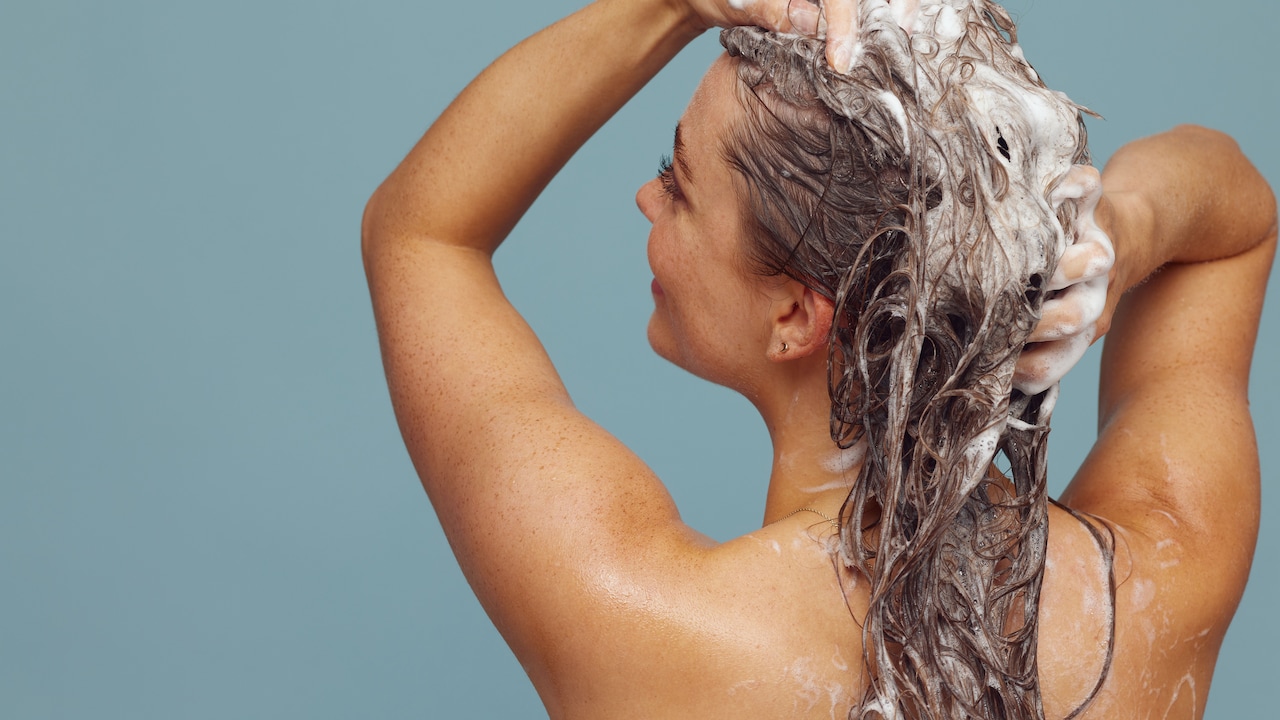
Every bathroom has seen this small betrayal. A shampoo that once gave soft, bouncy, “fresh from the salon” hair starts behaving like a distant relative at a wedding. It shows up, does the bare minimum and leaves everyone disappointed. The hair feels heavy near the roots, dry at the ends, itchy at the scalp or strangely dull, even after a proper wash. The common explanation arrives quickly: the shampoo has stopped working. Someone in the family suggests changing brands. A friend recommends a sulphate-free formula. A cousin, armed with social media wisdom, insists hair has become “immune” to the product. Soon, a new bottle joins the bathroom army, next to the old one, the anti-dandruff one, the herbal one, the salon one and the emergency sachet bought during travel.
Does Shampoo Really Stop Working? Build-Up And Hard Water Explained; Photo Credit: Pexels
The truth is less dramatic but far more useful. Hair does not build immunity to shampoo over time. It does not get bored, offended or emotionally unavailable. What changes is everything around it. Water quality shifts from city to city and even building to building. Sweat, dust, pollution, oiling habits, heat styling, conditioners, serums and dry shampoos all leave traces behind. Seasonal humidity can turn a good hair day into a puffed-up mystery by lunchtime.
So, when shampoo seems to fail, the question should not be, “What is wrong with this bottle?” A better question is, “What has changed on the hair, scalp or in the water?” That answer can save money, reduce product confusion and bring back the simple joy of hair that feels properly clean.
What Really Makes Shampoo Feel Ineffective
Hair Does Not Become Immune To Shampoo
The idea that hair becomes immune to shampoo sounds believable because the experience feels real. A product works beautifully for months, then suddenly disappoints. Yet hair is not living tissue once it grows out of the scalp. It cannot adapt, resist or develop tolerance like skin sometimes can with certain treatments. The strand is made mostly of keratin, and it reacts to what coats it, cleans it, dries it or damages it.
What people call “immunity” usually points to accumulation. A shampoo may clean oil and sweat well, but it may not remove every layer of conditioner, serum, hair spray, mineral deposit and pollution dust. Over time, these layers change how the hair feels. The same shampoo then seems weaker, although it is doing the same job.
Think of a stainless-steel tiffin box used every day. It may look clean after a quick rinse, but oily masala can cling to the corners. The box has not become immune to dish soap. It simply needs a deeper clean. Hair behaves in a similar way, only with more drama and better lighting.
Also Read: How To Fix Frizzy Hair After Getting Wet In The Rain
Product Build-Up Is The Usual Suspect
Build-up sounds like a salon word, but it is very ordinary. It means layers of product sitting on the hair and scalp. Conditioners, leave-in creams, oils, serums, gels, mousses, heat protectants and even some shampoos can leave behind film. This film may feel silky at first, then heavy later. Hair can lose bounce, look dull, dry slowly or feel greasy soon after washing.
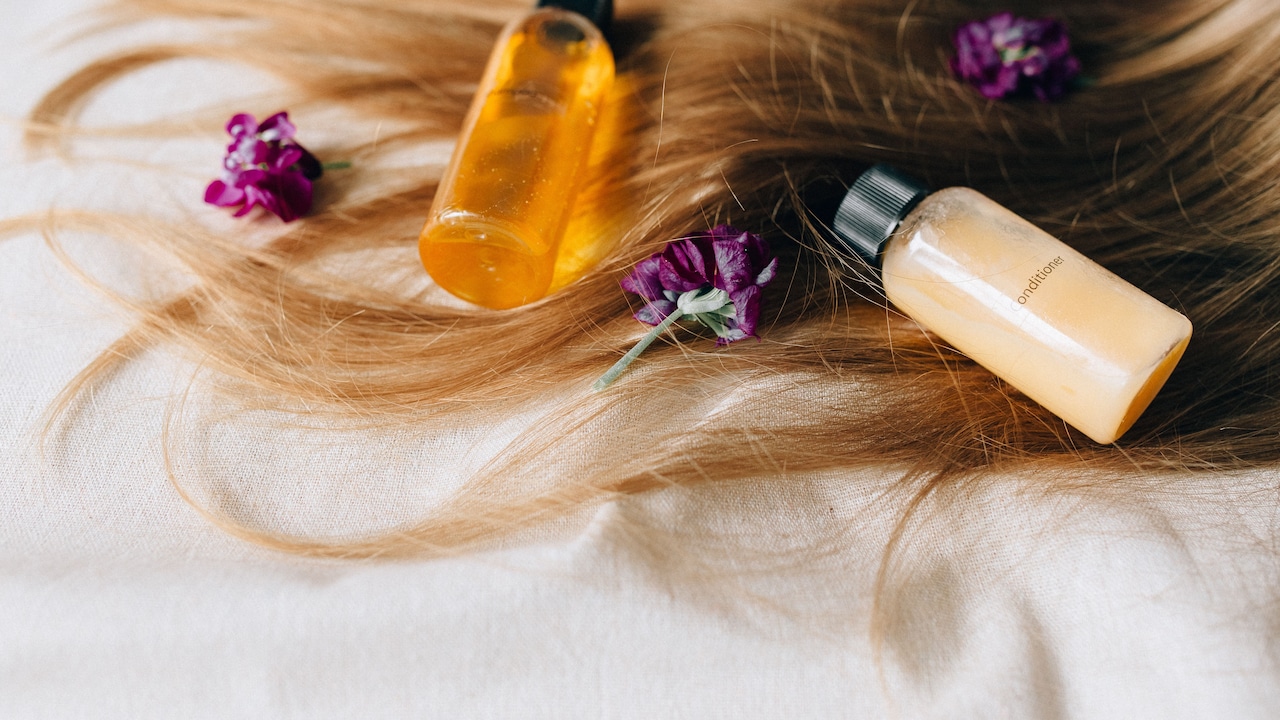
Many people oil their hair before a wash, which can be comforting, nostalgic and genuinely helpful for some routines. Trouble begins when a mild shampoo cannot remove heavier oils properly. Coconut oil, castor oil and thick herbal blends may need a stronger cleanse or two rounds of shampoo. Otherwise, a thin layer remains, attracting dust and making the scalp feel coated.
Build-up also tricks the senses. The ends may feel dry while the roots feel oily, so one reaches for richer conditioners or more serum. That adds another layer. The cycle continues until the hair starts resembling a silk saree packed away with too much starch: technically dressed, but not moving freely.
Hard Water Can Make Good Shampoo Behave Badly
Water quality plays a bigger role than most people realise. In many homes, tap water contains minerals such as calcium and magnesium. This hard water can interfere with cleansing and leave deposits on hair. The result may feel like roughness, dullness, tangling or a strange waxy coating after washing. A shampoo that felt wonderful in one city may feel useless in another.
Anyone who has moved from Mumbai to Bengaluru, Delhi to Pune, or a hostel to a rented flat knows this story. Same hair, same bottle, different bathroom, completely different result. Hard water can also make shampoo lather less, so people use more product. More product does not always mean cleaner hair. Sometimes it means more residue and more rinsing trouble.
A simple clue is how the bathroom behaves. If taps show white scaling, buckets develop chalky marks or soap refuses to foam easily, hair may also be dealing with mineral build-up. A shower filter can help some households, though results vary. A clarifying wash once in a while often makes a more noticeable difference than buying the latest glossy bottle for ₹899.
Does Shampoo Really Stop Working? Build-Up And Hard Water Explained; Photo Credit: Pexels
Pollution And Sweat Change The Rules
Hair does not live in a shampoo advertisement. It travels through traffic fumes, construction dust, office air-conditioning, gym sweat, scooter helmets, crowded trains and humid evenings. By wash day, the scalp carries more than natural oil. It holds sweat salts, grime, smoke particles, styling residue and sometimes the faint smell of a long commute that no perfume can fully hide.
This matters because shampoo choice depends on lifestyle. Someone who spends most days indoors may do well with a gentle cleanser. Someone who sweats heavily, works out often or rides two-wheelers through busy roads may need a deeper cleanse more regularly. The same shampoo can feel perfect during a relaxed week and useless after three days of heat, dust and festival styling.
Sweat also affects the scalp. It can mix with oil and product, leading to itchiness or flakes that look like dandruff but may simply be irritation or residue. Before declaring a shampoo ineffective, look at the week the hair has lived through. Sometimes the hair has not changed. The calendar has.
Oiling Needs A Smarter Wash Plan
Hair oiling remains a beloved ritual in many homes. It carries the comfort of childhood Sundays, steel bowls, gentle champis and someone saying, “Leave it for one more hour.” Oil can reduce friction, add shine and make hair feel cared for. Yet it also changes what shampoo must do. A very mild cleanser may not remove heavy oil, especially if applied generously from scalp to ends.
The problem often begins with quantity. A few spoonfuls become half a bowl. The scalp gets drenched, the lengths get coated, and then one quick shampoo round must perform a miracle. When it fails, the shampoo takes the blame. In reality, it was asked to wash a pressure cooker with rose water.
A better approach is balance. Use enough oil to coat, not flood. Apply it mainly where needed. During washing, focus shampoo on the scalp first, then let the lather travel down the lengths while rinsing. For heavy oiling days, two gentle washes may work better than one aggressive scrub. Clean hair should feel light, not stripped and squeaky like a newly mopped hospital corridor.
Conditioner Can Be A Friend Or Villain
Conditioner often saves the day, especially for dry, wavy, curly, coloured or heat-styled hair. It smooths the cuticle, reduces tangles and adds softness. But conditioner placed too close to the scalp can make hair fall flat. Rich masks used too often can create limpness. Silicone-heavy products can add shine at first, then dullness if not washed out properly.
The issue is not that the conditioner is bad. It is that placement matters. The scalp usually produces its own oil, while the ends need more help. Applying conditioner from mid-lengths to ends suits most people better than coating the roots. Fine hair may need a lighter formula. Thick or curly hair may enjoy richer textures, but still benefits from regular cleansing.
A common mistake is using conditioner to solve every hair complaint. Hair feels rough, so more conditioner. Hair looks dull, so more serum. Hair tangles, so more mask. Sometimes the real need is not more softness, but less residue. When hair feels both dry and heavy, build-up may be sitting between the strands and the products meant to help it.
Clarifying Shampoo Is Not A Daily Hero
Clarifying shampoos have earned a dramatic reputation. They promise to remove build-up, reset the scalp and bring back shine. Used wisely, they can work beautifully. Used too often, they can leave hair dry, frizzy and annoyed. The goal is not to punish the scalp into cleanliness. The goal is to remove what ordinary washing has missed.
For many people, a clarifying shampoo once every two to four weeks works well. Those who use heavy oils, styling products, dry shampoo or live with hard water may need it more often. Those with dry, coloured, chemically treated or curly hair may need it less often and should follow with a good conditioner or mask.
Clarifying does not mean scrubbing like the bathroom floor before guests arrive. Massage the scalp gently, let the lather do the work and rinse thoroughly. The first wash may not foam much if there is heavy build-up. A second small round can help. After that, hair often feels lighter, as though someone opened a window in a stuffy room.
Product Rotation Is Often Misunderstood
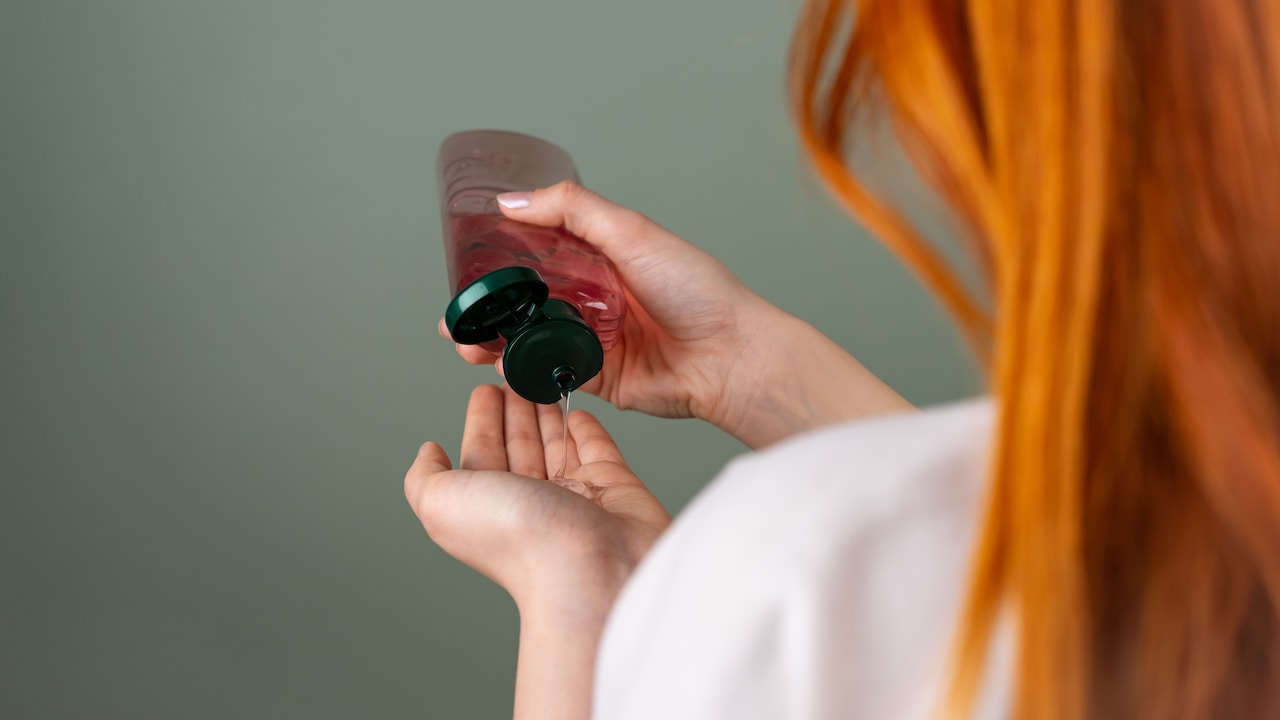
Product rotation sounds clever, and sometimes it helps. But rotating shampoos does not mean hair requires constant entertainment. A shelf full of bottles can create more confusion than results. The better idea is a purpose-based rotation. Use different products for different needs, not because the hair has become bored.
For example, a gentle shampoo may suit regular wash days. A clarifying shampoo may help after heavy oiling, styling or weeks of hard water exposure. An anti-dandruff shampoo may help during flare-ups if flakes come from a genuine scalp condition. A moisturising shampoo may suit dry weather or rough lengths. Each product has a role, like spices in a kitchen. Nobody adds garam masala to chai just because the jar feels neglected.
The trouble begins when people switch too quickly. One bad hair day leads to a new bottle. Then another. Soon, no one knows what caused improvement or irritation. Give a product enough washes to judge it, unless it causes burning, severe itching or obvious discomfort. Haircare rewards observation more than impulse shopping.
Does Shampoo Really Stop Working? Build-Up And Hard Water Explained; Photo Credit: Pexels
Scalp Health Matters More Than Fragrance
A shampoo's fragrance can be dangerously persuasive. A bottle that smells like jasmine, green apple or expensive hotel towels can feel instantly trustworthy. Yet scent does not reveal how well it suits the scalp. A healthy scalp should feel comfortable after washing. It should not burn, itch intensely, flake suddenly or feel tight and stretched.
Many shampoo complaints actually begin at the scalp. Excess oil, dandruff, seborrhoeic dermatitis, sensitivity, sweat irritation and product residue can all change how hair behaves. If the scalp remains unhappy, no conditioner can fully rescue the lengths. Hair grows from the scalp, so the foundation matters.
Pay attention to patterns. If flakes appear only after using a certain product, that product may irritate the scalp. If greasiness returns within hours, the cleanser may be too mild, or the scalp may need medical advice. If itching continues despite careful rinsing and product changes, a dermatologist can help. A ₹250 shampoo change may solve residue. Persistent scalp trouble may need proper treatment, not bathroom guesswork.
Rinsing Technique Can Make Or Break Results
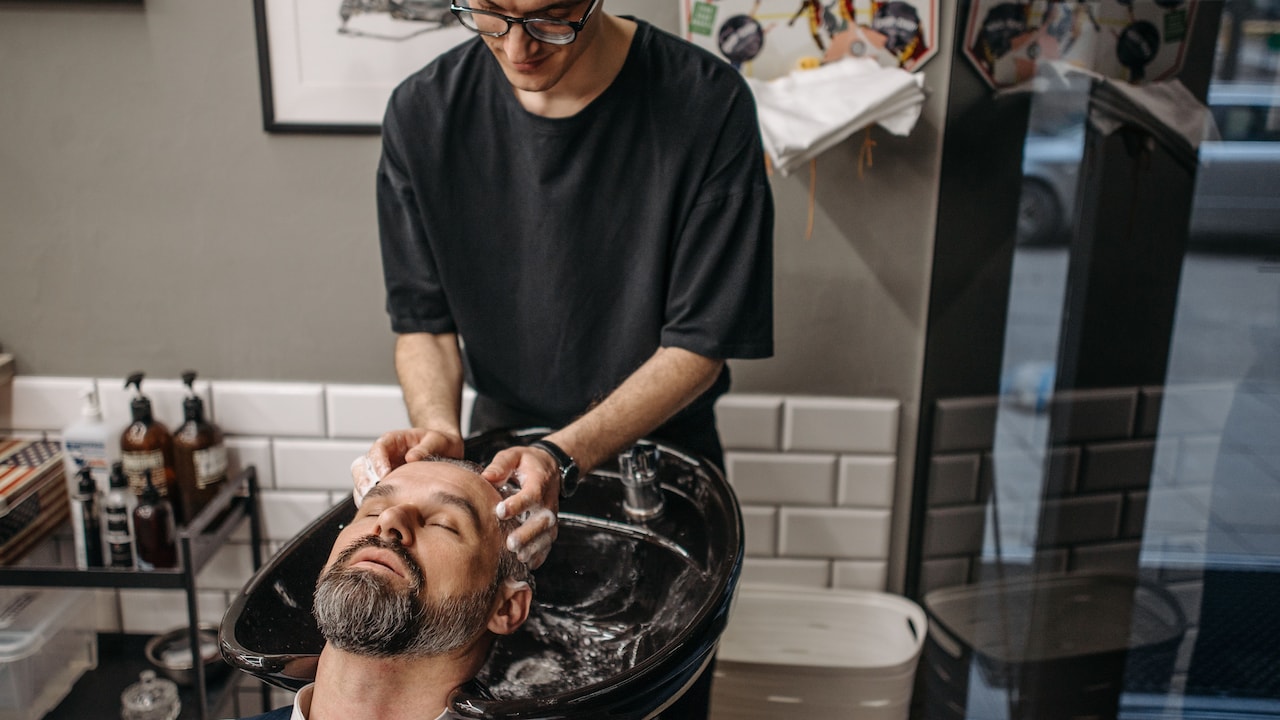
Rinsing sounds too simple to deserve attention, yet it often decides whether hair feels fresh or coated. Shampoo and conditioner need enough water to leave properly. A rushed rinse leaves residue on the scalp and lengths. This can cause dullness, itchiness, limp roots and the belief that the shampoo has failed.
Many people wash their hair in a hurry before work, while mentally planning breakfast, emails and the search for matching socks. The shampoo gets applied well, but the rinse gets treated like a formality. Thick hair, curly hair and long hair need more time. Water must reach the scalp, not just slide over the top layer. Use fingertips to part and move hair while rinsing. The back of the head and nape often hold hidden product.
Conditioner needs careful rinsing too. It should leave softness, not slipperiness that never ends. A little slip is fine, but a coated feel after drying usually means too much product stayed behind. Good rinsing costs nothing. In a world of ₹1,499 hair masks, that feels almost suspiciously practical.
Weather, Hormones And Habits Keep Changing Hair
Hair is not a fixed object. It responds to weather, health, stress, diet, medication, hormones, water, sleep and styling habits. During the monsoon, humidity can make hair swell and frizz. In dry winter air, ends may feel rough. During hot months, sweat and oil may increase. After illness, childbirth, stress or dietary changes, hair fall and texture can shift. The shampoo may remain the same while the body and climate rewrite the rules.
This is why one person's miracle shampoo can become another person's regretful purchase. Haircare has context. A shampoo that suits short, oily hair may not suit long, coloured hair. A formula loved during winter may feel heavy in May. A routine built for air-conditioned office days may fail during wedding season, with heat styling, hairspray and late nights.
Instead of chasing one perfect shampoo forever, build a flexible routine. Notice how hair behaves after oiling, travel, workouts, colouring or weather changes. Adjust cleansing strength, conditioner amount and wash frequency accordingly. The best routine does not look glamorous on a shelf. It simply makes sense.
Some Top Rated Shampoos You May Like On Myntra
1. Bare Anatomy 5X Hair Fall Control Shampoo Hair Growth
2. WELLA PROFESSIONALS Invigo Nutri Enrich Shampoo for Frizzy & Dry-Damaged Hair
3. ARATA Multi Active Anti Hair Fall Shampoo With Caffeine
4. LOreal Paris Hyaluron Pure 72H Purifying Shampoo for Oily Scalp - Dry Hair
5. Pilgrim Unisex Australian Tea Tree Anti-Dandruff Shampoo With Salicylic Acid
6. PLIX THE PLANT FIX Neem Anti Dandruff Shampoo
7. Plum Volcanic Minerals & 0.5% Salicylic Acid Anti-Dandruff Shampoo
When shampoo seems to stop working, the bottle is rarely the whole villain. Build-up, hard water, oiling habits, pollution, sweat, conditioner placement, poor rinsing and seasonal changes all shape the result. Hair does not become immune to shampoo, and it does not need constant product drama to stay happy. It needs the right cleanse for the situation.
The smartest haircare routine begins with observation. Does the scalp feel oily or tight? Do the ends feel dry or coated? Has the water changed? Has styling increased? Has oiling become heavier? These small clues reveal more than any shiny label promising instant transformation.
A gentle daily shampoo, an occasional clarifying wash, careful conditioner use and patient rinsing can solve many so-called shampoo failures. Product rotation can help, but only when each product has a clear purpose. Otherwise, the bathroom turns into a crowded beauty aisle, and the hair remains confused.
Good hair days do not always demand a new purchase. Sometimes they need a better rinse, a lighter hand with oil, a break from heavy serums or one honest look at the water flowing from the tap. The shampoo may not have stopped working at all. It may simply be asking for a fair chance.
(Disclaimer: This article may include references to or features of products and services made available through affiliate marketing campaigns. NDTV Convergence Limited (“NDTV”) strives to maintain editorial independence while participating in such campaigns. NDTV does not assume responsibility for the performance or claims of any featured products or services.)