How To Treat Scalp Dandruff And Itching During Monsoon At Home
Learn how to treat scalp dandruff and itching during monsoon at home with simple remedies, scalp care tips, and products that help maintain a healthy scalp.

How To Treat Scalp Dandruff And Itching During Monsoon At Home
When the monsoon season starts, it brings real relief from the hot summer days, but it also opens up a whole new set of hair and scalp worries. Quite a few people end up noticing more dandruff, that persistent scalp itching, and a general discomfort, especially when the humidity goes up and sweat just keeps building up all day.

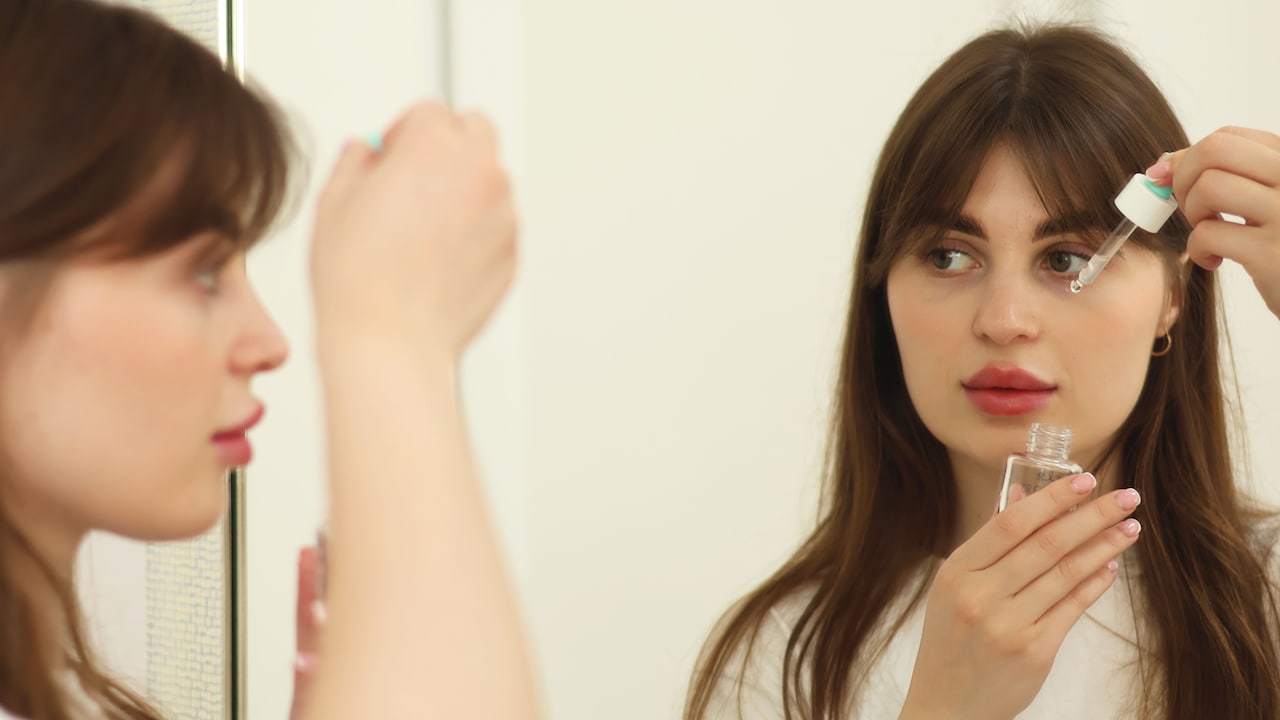
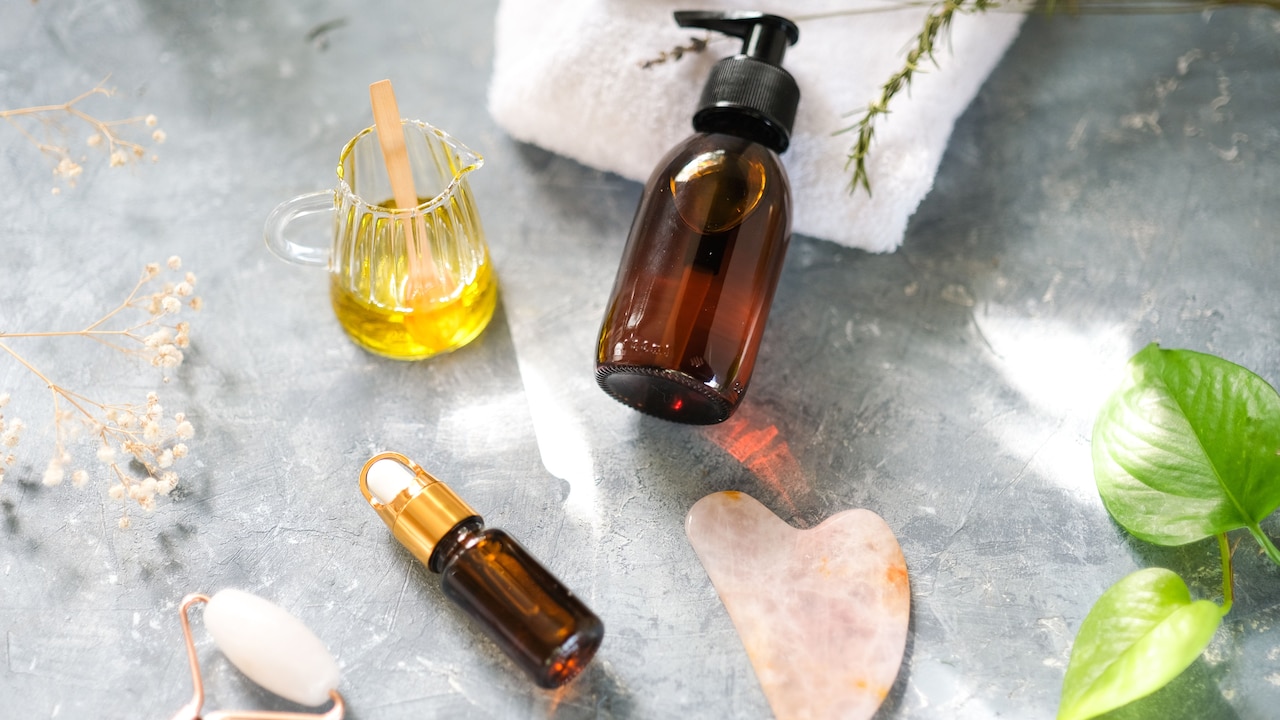
Learn simple home remedies and scalp care tips to treat monsoon dandruff and itching effectively; Photo Credit: iStock
You may be asking yourself, why does the scalp feel more itchy during the rainy season? Or how do I manage dandruff without getting into costly treatments? Because honestly, you're not the only one. The good thing is, just a few simple adjustments in your hair routine can create a noticeable difference. Let's talk about practical home remedies, everyday scalp care habits and some product ideas too so you can reduce dandruff and that itching during monsoon and still keep your scalp feeling fresh, calm and comfortable.
Also Read: Bid Dandruff Adieu: Discover The Top-Rated Anti-Dandruff Shampoos Based On Amazon Customer Reviews
Why Does Dandruff Get Worse During Monsoon?
During the monsoon, the higher humidity makes a space where fungi and microbes thrive. Additionally, sweat, dirt, and excess oil on the scalp can lead to scalp irritation and flaky skin.
If you already have a scalp that's prone to dandruff, this time of year can be worse, like more itching, more visible flakes, and extra sensitivity. Once you understand the underlying causes of your dandruff, you can choose more effective remedies and preventive measures that are suitable for your situation.
How To Treat Scalp Dandruff And Itching During Monsoon At Home
Step 1: Wash Your Hair Regularly
During monsoon, sweat and humidity can make the scalp greasy faster than usual. Washing your hair two to three times a week helps remove excess oil, dirt, and product buildup that may trigger dandruff and itching. Use a mild anti-dandruff shampoo if needed and avoid over-washing, which can dry out the scalp.
Step 2: Use Fresh Aloe Vera Gel
Aloe vera is famous for that soothing, cooling effect. Apply fresh aloe vera gel directly to your scalp, allowing it to sit for approximately 20 minutes before rinsing it out. If you do this, it can help calm irritation, ease the itching a bit, and bring a little hydration to those dry, stubborn scalp patches.
Step 3: Apply Diluted Tea Tree Oil
Tea tree oil has natural antimicrobial qualities, so it might be useful for handling the dandruff-related microorganisms. Mix in a couple of drops with a carrier oil like coconut oil, and then gently rub that mixture into your scalp. Leave it sitting for roughly 30 minutes, then wash your hair.
Step 4: Try A Neem Hair Rinse
Neem has been traditionally used for many scalp issues. You can boil neem leaves in water first and let the mixture cool down. Then, use it as a final rinse after shampooing; just pour it through and rinse a little as well. If you do this rinse regularly, it may help calm the itching and keep your scalp clean in a more natural way.
Step 5: Keep Your Scalp Dry
A damp scalp can encourage fungal growth. Dry your hair immediately after getting caught in the rain. Avoid tying up wet hair, as trapped moisture can worsen itching and dandruff problems.
Step 6: Avoid Heavy Hair Styling Products
Gels, creams and sprays can build up on your scalp and pull in grime, especially when it's humid out. When you limit how much product you use, it can help your scalp stay a bit cleaner and also lower the chances of feeling irritated or getting that flaky look.
Step 7: Improve Your Diet
Scalp health is influenced by nutrition. Include foods rich in zinc, omega-3 fatty acids, protein, and vitamins in your diet. Staying hydrated can also support healthy skin and scalp function from within.
Step 8: Change Pillow Covers Frequently
Over time sweat oil and dirt can sort of pile up on pillowcases, and then it gets a bit messy on the skin surface. Regularly swapping and washing the pillow covers helps reduce scalp irritation too, and it stops those same impurities from getting back onto your scalp again.
Common Monsoon Hair Care Mistakes To Avoid
Many people unknowingly make scalp issues worse by leaving their hair wet for long periods, using very hot water for washing, or scratching the scalp aggressively. These habits can damage the scalp barrier and increase irritation.
Instead, focus on gentle cleansing, proper drying, and maintaining overall scalp hygiene throughout the rainy season.
When Should You Consult a Dermatologist?
Home remedies can help a bit with mild dandruff and those occasional itches. But if you start seeing really heavy flaking, redness, or irritation that doesn't calm down, or you notice hair loss, then maybe it's time to ask a professional soon.
A dermatologist can sort out what's really going on, like seborrhoeic dermatitis, fungal infections, or scalp psoriasis and then suggest a suitable treatment.

Discover easy ways to maintain a healthy, flake-free scalp during the rainy season at home; Photo Credit: iStock
Some Anti-Dandruff Hair Care Products You May Like
1. Biolage Scalp Sync Clarifying Shampoo
2. Moxie Beauty Dandruff Detox Pre-Wash
3. Minimalist Anti-Dandruff Shampoo
4. Bare Anatomy Anti-Dandruff Shampoo
5. WishCare Hydrating Anti Dandruff Shampoo
6. Pilgrim Australian Tea Tree Non-Drying Anti-Dandruff Shampoo
7. Scalpe Pro Daily Anti-Dandruff Shampoo
8. Mamaearth Lemon Anti-Dandruff Shampoo
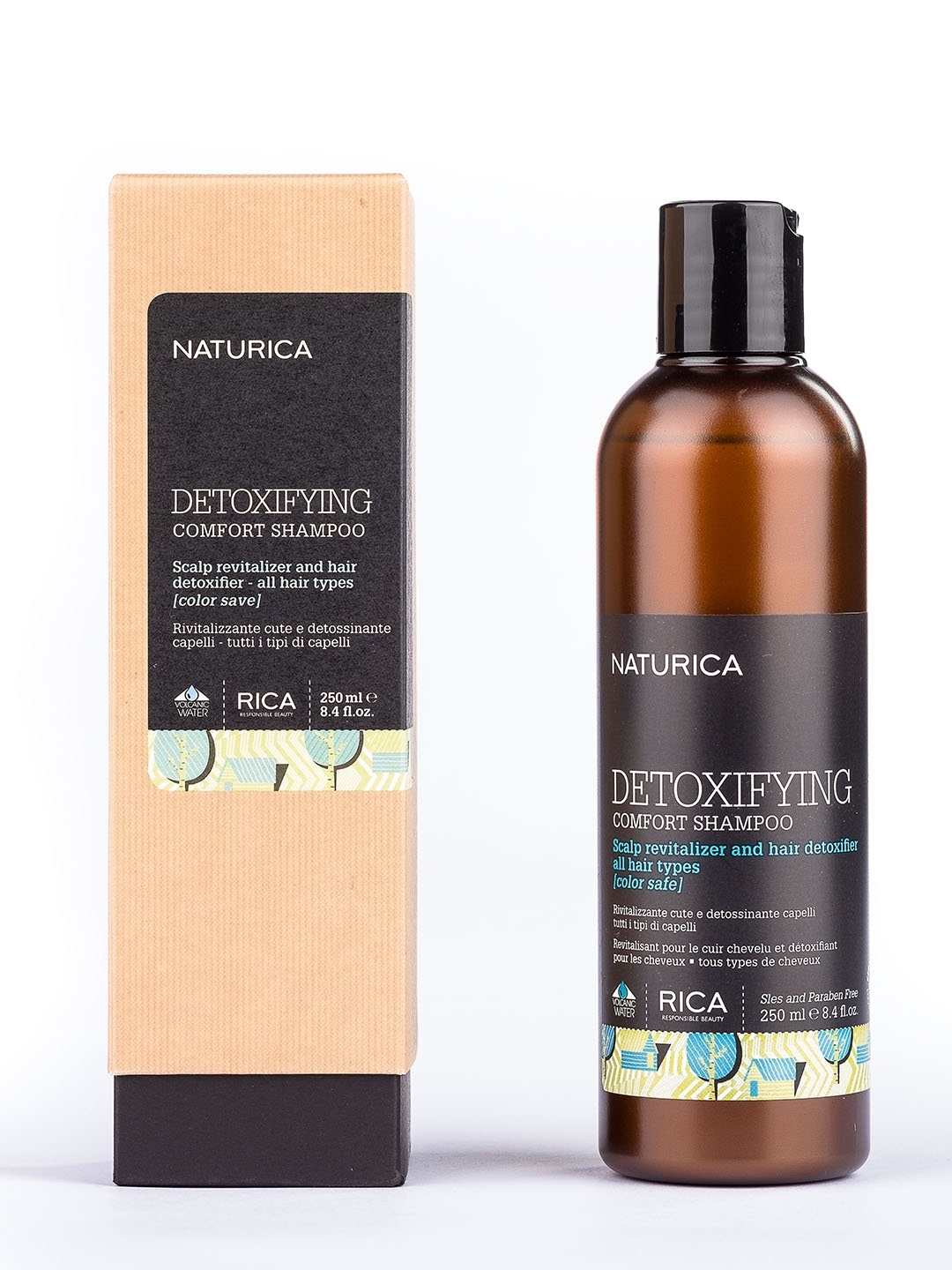
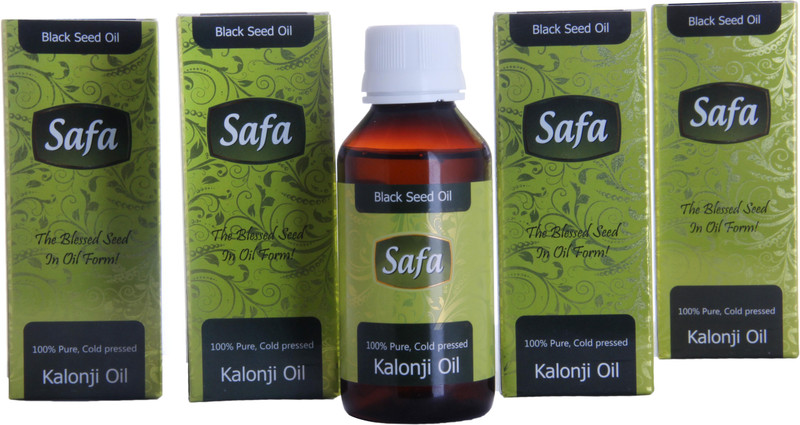
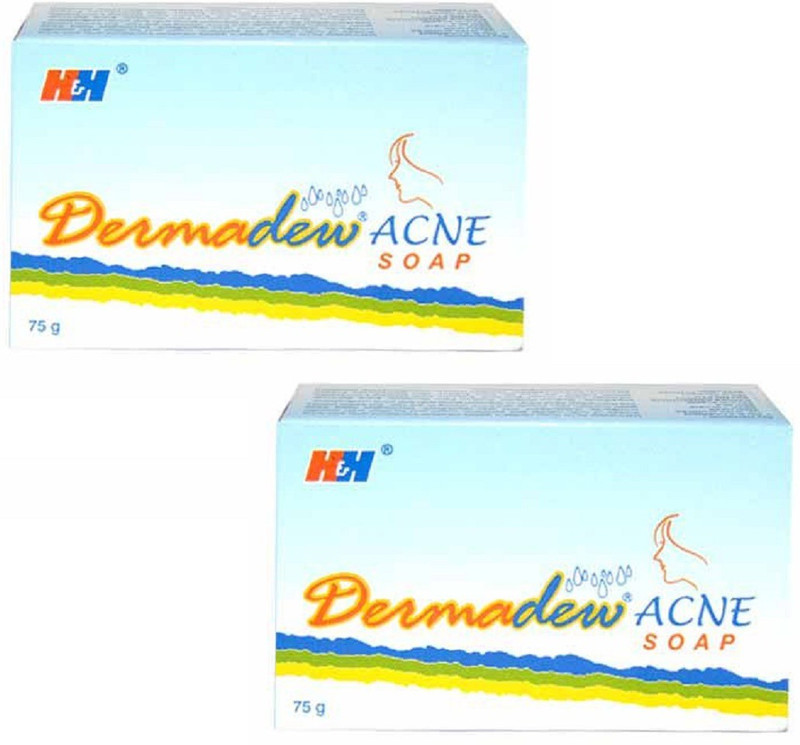
Anti-dandruff hair care products help keep the scalp clean and calm through regular use. Pick gentle shampoos, light oils, and conditioners that suit your hair type. Wash with lukewarm water and massage the scalp softly to improve care. Check offers on Amazon and choose products that work with your routine for steady results.
Frequently Asked Questions (FAQs)
1. How can I stop scalp itching during the monsoon naturally?
You can reduce that scalp-itching thing by keeping your scalp clean, using an aloe vera gel, trying neem rinses, and making sure your hair is dried properly after washing or even after rain exposure.
2. Why does dandruff increase during the rainy season?
Humidity and sweat can create the right conditions for those dandruff-causing microorganisms to thrive. As a result, you experience more flakes, increased scalp irritation, and itching.
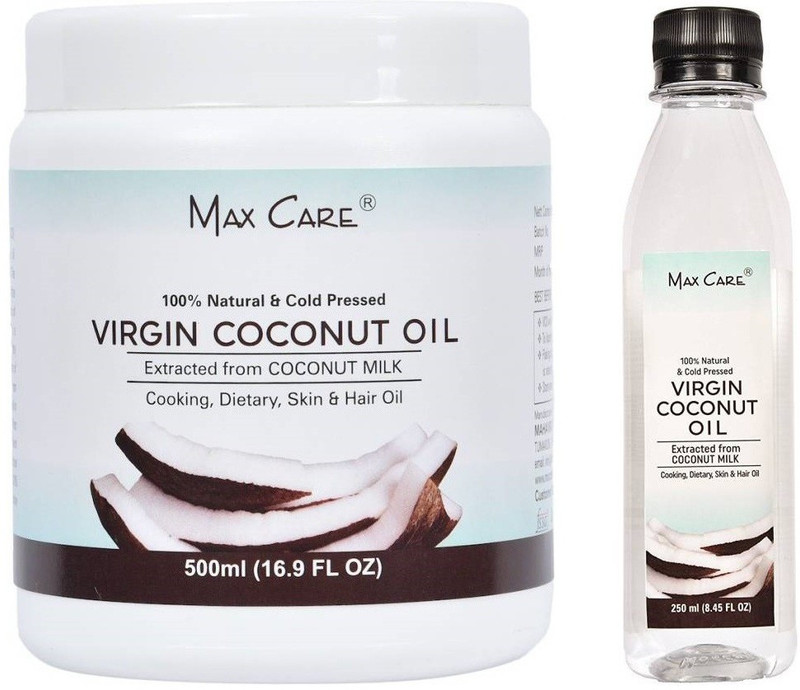
3. Is coconut oil beneficial for dandruff during the monsoon?
Coconut oil can help moisturise a dry scalp, but it should be used in moderation. Excess oil may worsen dandruff in some individuals, especially during humid weather.
4. How often should I wash my hair during the monsoon?
Most people benefit from washing their hair two to three times a week during the monsoon, depending on scalp type and activity levels.
5. Can dandruff cause hair fall during monsoon?
Persistent dandruff and excessive scratching can weaken hair roots and contribute to temporary hair fall. Managing scalp health can help reduce this risk.
(Disclaimer: This article may include references to or features of products and services made available through affiliate marketing campaigns. NDTV Convergence Limited (“NDTV”) strives to maintain editorial independence while participating in such campaigns. NDTV does not assume responsibility for the performance or claims of any featured products or services.)