10 Electric Toothbrush Mistakes That Can Reduce Cleaning Effectiveness
An electric toothbrush can improve daily oral care, but small brushing mistakes may affect the results. Discover 10 common habits that reduce cleaning effectiveness and learn how to correct them.
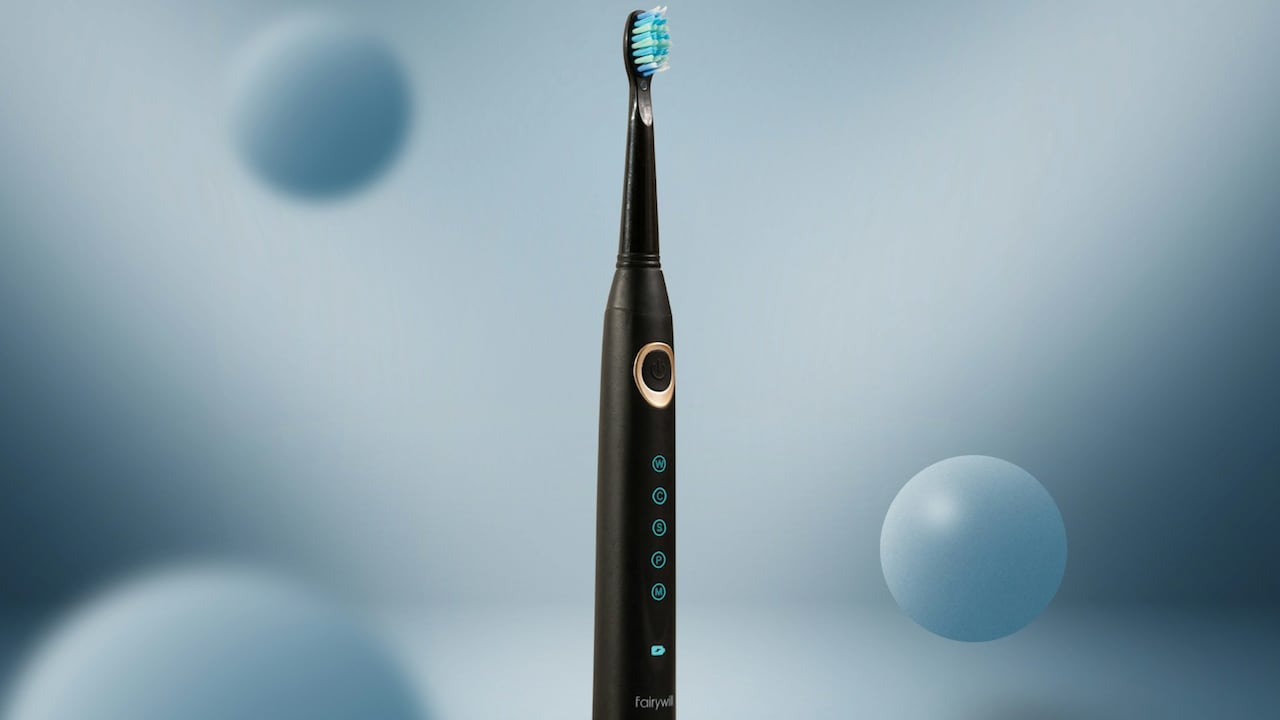
Common mistakes to avoid when using electric tootbrushes
An electric toothbrush promises to make brushing easier, more consistent and less tiring. With vibrating bristles, rotating brush heads and built-in timers, it can take some of the guesswork out of everyday oral care. Yet owning one doesn't automatically guarantee cleaner teeth. The way you use it matters just as much as the technology inside. Think about those rushed mornings when breakfast is running late, the phone keeps ringing and brushing becomes another task to finish quickly. It's tempting to move the toothbrush around for a minute and assume its motor has done everything. Unfortunately, even an expensive electric toothbrush cannot compensate for poor technique, missed surfaces or neglected brush heads. Many people also carry habits from their manual toothbrush days into their electric brushing routine. Scrubbing vigorously, applying too much pressure or moving too quickly can limit the benefits of powered cleaning. Some mistakes seem harmless, while others may gradually contribute to plaque accumulation, gum irritation and uneven cleaning.
How to use electric tootbrushes the right way
Photo Credit: Pexels
The encouraging part? Most of these problems don't require a new toothbrush or expensive accessories. A few practical adjustments can make your brushing routine more effective. Here are ten common electric toothbrush mistakes worth correcting before your next morning brush.
Also Read: Electric Toothbrush Vs Manual: Is The Upgrade Actually Worth It
Top 10 Common Electric Toothbrush Mistakes And How To Avoid Them
1. Pressing Too Hard While Brushing Your Teeth
Brushing harder doesn't necessarily mean brushing better. This misconception often follows people when they switch from a manual toothbrush to an electric model. Since the brush already produces rapid movements, adding excessive pressure can interfere with its intended cleaning action.
Many people instinctively press the brush against their teeth, especially when trying to remove stubborn deposits. However, excessive force can cause the bristles to bend and reduce their ability to reach around the gumline. Over time, aggressive brushing may also contribute to gum recession and tooth surface wear.
Electric toothbrushes work best when you allow their powered movements to do most of the cleaning. Position the brush head gently against your teeth and guide it from one surface to another without unnecessary force.
Some advanced models include pressure sensors that flash, vibrate or slow down when you press too firmly. These features can be particularly helpful for anyone accustomed to vigorous scrubbing.
If your toothbrush lacks a pressure indicator, pay attention to how the bristles behave. They should maintain gentle contact with your teeth rather than flatten completely.
A lighter touch often provides better control and a more comfortable brushing experience. Your teeth need consistent cleaning, not a wrestling match every morning.
2. Moving The Electric Toothbrush Like A Manual Brush
Old habits can be surprisingly difficult to abandon. Someone who has spent years brushing manually may continue making rapid back-and-forth movements after switching to an electric toothbrush.
However, different electric toothbrush designs require different techniques. Many oscillating-rotating models clean effectively when you hold the round brush head against each tooth surface briefly before moving to the next. Excessive scrubbing can make it harder to maintain consistent contact.
Sonic toothbrushes generally require a slightly different approach. Depending on the manufacturer's instructions, you may need to guide the brush slowly along the gumline while maintaining an appropriate angle.
The important distinction is that electric toothbrushes already generate cleaning movements. Your responsibility is to position the head correctly and cover every accessible tooth surface.
Imagine washing a car with an automatic cleaning attachment. Moving it around randomly won't necessarily produce better results. Careful positioning helps the equipment work as intended.
Read the manufacturer's brushing instructions before developing your routine. Different brush head shapes and movement patterns may require small adjustments.
Once you understand the recommended technique, brushing becomes more controlled. You can concentrate on covering your teeth rather than repeatedly scrubbing the same area.
3. Brushing For Less Than The Recommended Two Minutes
A quick brush before leaving for work might feel sufficient, particularly when your mouth feels fresh afterwards. Unfortunately, freshness and thorough cleaning aren't the same thing.
Dental professionals generally recommend brushing twice daily for two minutes each time with fluoride toothpaste. Cutting that time short increases the likelihood of overlooking important areas, particularly the back teeth and inner surfaces.
Electric toothbrushes often include built-in timers to encourage better brushing habits. Some also provide signals every 30 seconds, helping users divide their mouth into four sections.
These features are useful, but only when you follow them. Switching off the toothbrush after the first vibration defeats the purpose of having a timer.
Try dividing your brushing routine equally between the upper-right, upper-left, lower-right and lower-left sections. Spend enough time cleaning the outer, inner and chewing surfaces within each area.
Two minutes may initially seem longer than expected. However, it becomes easier once you establish a consistent sequence.
Playing a short song or following your toothbrush's timer can make the routine feel less monotonous.
Remember, two minutes represents a useful brushing target rather than permission to rush. Consistent coverage matters more than simply watching the clock reach zero.
4. Ignoring The Gumline While Cleaning Your Teeth
The gumline is one of those areas people often overlook despite brushing twice daily. It's also an important place to clean because plaque can accumulate where teeth meet the gums.
When an electric toothbrush stays focused on the visible middle sections of teeth, its bristles may miss deposits along the gum margins. Over time, inadequate plaque removal can contribute to gum inflammation and bleeding.
Positioning makes a considerable difference here. Depending on your toothbrush design, gently angle or place the bristles so they clean the area where the tooth meets the gum.
Avoid digging the brush head into soft tissue or applying extra pressure. Effective gumline cleaning requires careful contact, not aggressive movement.
Pay particular attention to the back molars, where limited visibility can make brushing awkward. These areas sometimes receive only a few hurried seconds before the toothbrush moves elsewhere.
If your gums bleed regularly, don't automatically assume they need harder brushing. Persistent bleeding can indicate inflammation or another dental concern that deserves professional assessment.
A dentist can demonstrate suitable brushing angles and recommend adjustments for sensitive gums.
Treat the gumline as an essential part of your cleaning routine rather than an optional finishing touch. Small improvements in positioning can help prevent plaque from lingering in these frequently neglected areas.
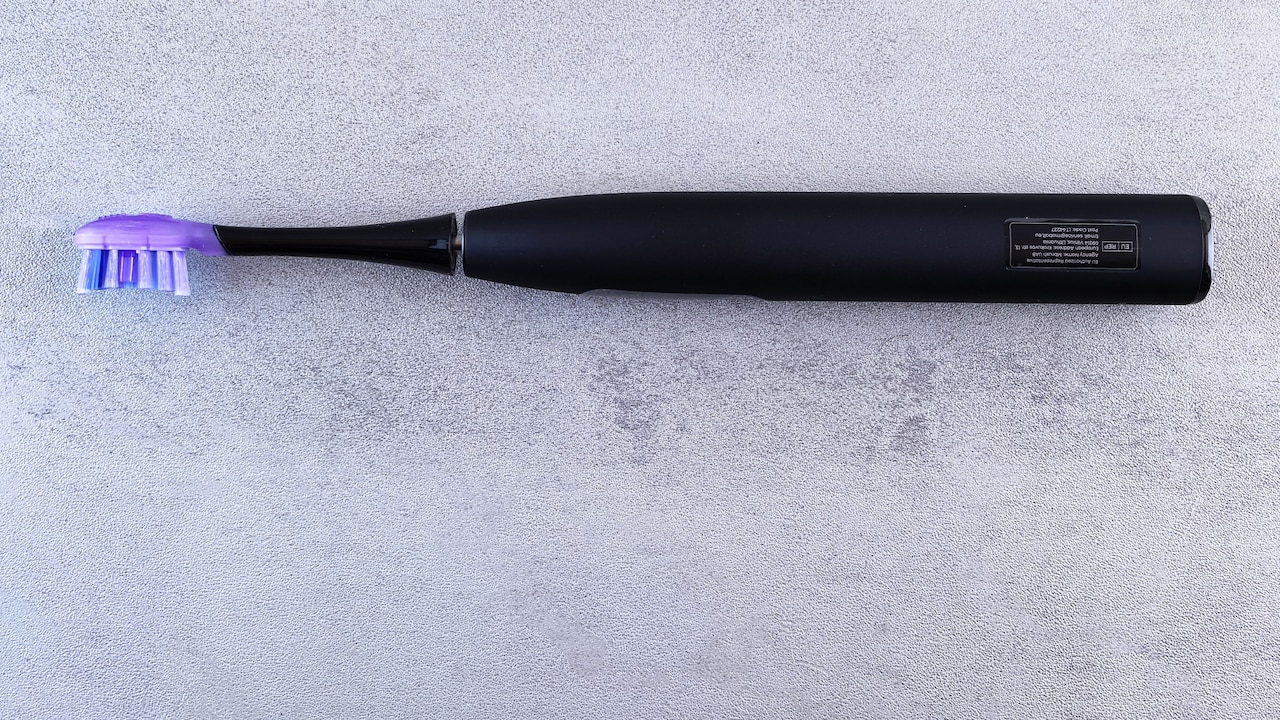
5. Using A Worn-Out Electric Toothbrush Head
An electric toothbrush might continue vibrating perfectly even when its brush head has passed its useful life. That's what makes this mistake easy to miss.
With regular use, bristles gradually lose their original shape and flexibility. Once they become frayed or widely spread, they may struggle to make effective contact with tooth surfaces.
Many dental recommendations suggest replacing toothbrush heads approximately every three to four months, or sooner if the bristles show visible wear. Some manufacturers recommend more frequent replacement for particular models.
People who apply excessive brushing pressure may notice their bristles deteriorating faster. In such cases, changing the head alone won't solve the underlying problem.
Look closely at your brush head during regular cleaning. Bent, flattened or uneven bristles indicate that it may need replacement.
Some electric toothbrush heads include coloured indicator bristles that gradually fade with use. While convenient, these indicators shouldn't replace a visual inspection.
Forgetting replacements is particularly common in busy households where several people share a charging station but maintain separate brush heads.
Setting a calendar reminder can help keep replacements on schedule. Purchasing compatible spare heads in advance also prevents unnecessary delays.
A functioning motor cannot make worn bristles perform like new ones. Maintaining the brush head is essential for getting consistent value from your electric toothbrush.
Replace the worn out toothbrush head for a better experience
Photo Credit: Pexels
6. Skipping The Inner Surfaces Of Your Teeth
The front surfaces of teeth receive plenty of attention because they're easy to see in the mirror. The inner surfaces, however, often get considerably less care.
This habit becomes particularly noticeable with electric toothbrushes. Their motorised movements create a sensation of thorough cleaning, even when certain areas haven't received adequate attention.
The inner surfaces of lower front teeth deserve special consideration. Saliva exposure can encourage tartar formation in this area, making consistent plaque removal particularly important.
To clean these surfaces, adjust the position of your electric toothbrush so the bristles reach the inner tooth surfaces comfortably. A smaller brush head may make accessing tight areas easier.
For narrow spaces behind the front teeth, holding the brush more vertically may improve access, depending on its design.
The inner surfaces of upper and lower molars also need deliberate attention. Their position can make them awkward to reach, especially when brushing quickly.
Follow a predictable sequence rather than moving randomly between teeth. For example, finish the outer surfaces of one section before addressing its inner and chewing surfaces.
Once this pattern becomes familiar, you're less likely to leave areas untouched.
Your smile may show the front surfaces first, but maintaining oral health requires cleaning the less visible areas just as carefully.
7. Applying Too Much Toothpaste To The Brush Head
Advertisements often show toothbrushes covered with generous ribbons of toothpaste. Although visually appealing, that amount isn't necessary for effective cleaning.
For most adults, a pea-sized amount of fluoride toothpaste is generally sufficient. Using considerably more doesn't automatically improve plaque removal or make an electric toothbrush work better.
Excess toothpaste can create large amounts of foam, especially when the brush head moves rapidly. This can make the mouth feel full and encourage people to spit or finish brushing prematurely.
Foam can also create the impression that cleaning is complete before all tooth surfaces have received proper attention.
Instead of concentrating on toothpaste quantity, focus on fluoride content, brushing technique and consistent coverage.
Apply a small amount to the bristles before switching on the toothbrush. Placing the head inside your mouth before starting the motor can also prevent toothpaste from splattering across the sink.
After brushing, spit out excess toothpaste rather than rinsing repeatedly with water. Leaving a small amount of fluoride on the teeth helps maintain its protective effect.
Children need age-appropriate quantities of toothpaste and supervision, particularly when they're still learning not to swallow it.
More foam doesn't equal cleaner teeth. A modest amount of suitable toothpaste, combined with proper brushing, offers a more practical approach.
8. Forgetting To Clean The Electric Toothbrush Head
A toothbrush cleans your teeth, but that doesn't mean it cleans itself. Toothpaste residue, saliva and moisture can collect around the bristles and the connection between the brush head and handle.
Skipping regular cleaning may encourage residue buildup and create an unpleasant brushing experience.
After each use, rinse the brush head thoroughly under running water to remove visible toothpaste and debris. Follow the manufacturer's instructions when cleaning removable parts or the handle.
Avoid assuming that every electric toothbrush component is completely waterproof. Some handles tolerate rinsing, while others require more careful cleaning around charging contacts and openings.
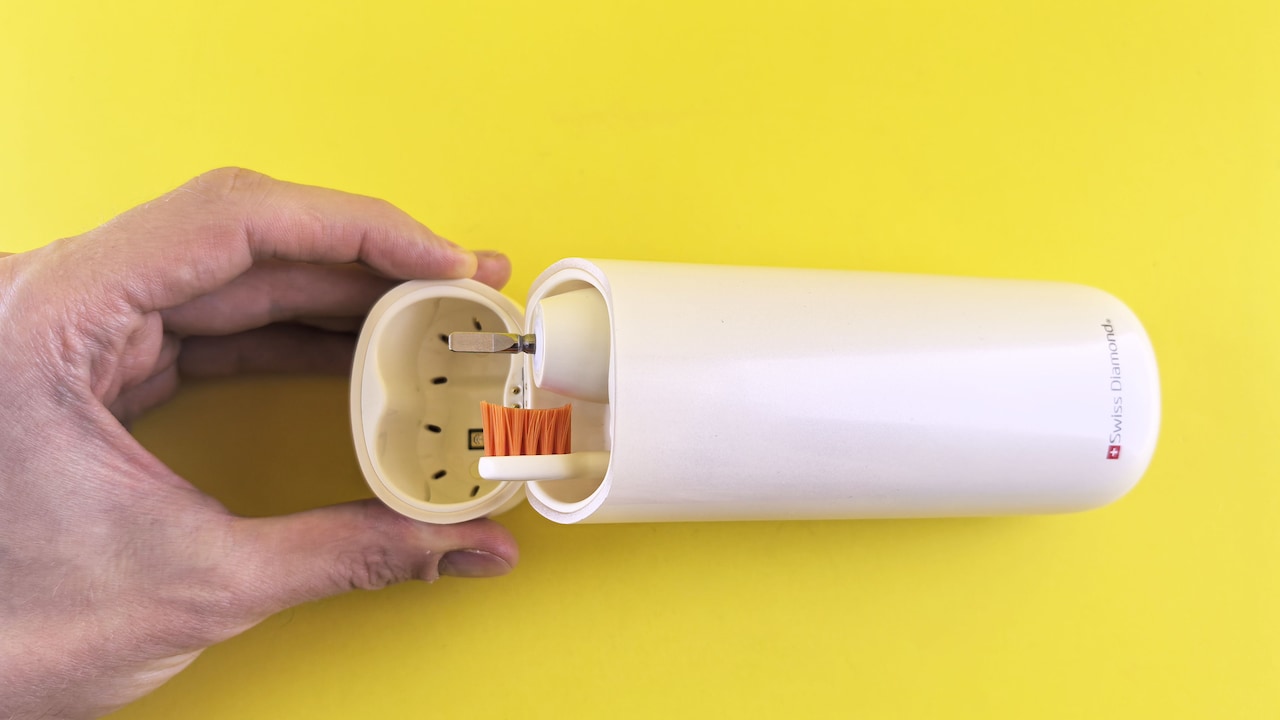
Once clean, allow the brush head to dry upright in an open, well-ventilated space. Keeping a damp toothbrush inside a tightly closed travel case for extended periods isn't ideal.
If you travel frequently, let the brush dry whenever practical before packing it away.
It's also sensible to clean the charging stand periodically, particularly when toothpaste splashes or water collect around its base.
Never place an electric toothbrush in boiling water or use harsh disinfectants unless the manufacturer explicitly recommends them. Excessive heat and chemicals may damage the components.
Regular cleaning won't replace worn bristles, but it helps maintain a hygienic brushing routine.
A little attention after each use prevents the toothbrush itself from becoming another neglected bathroom accessory.
9. Choosing The Wrong Brushing Mode Or Brush Head
Electric toothbrushes now offer several cleaning modes, from everyday brushing to sensitive and gum-care settings. Some models also support specialised brush heads.
These features can be useful, but selecting them without understanding their purpose may lead to discomfort or ineffective brushing habits.
For example, someone with sensitive teeth might find an intense cleaning mode uncomfortable. This discomfort could encourage shorter brushing sessions or cause them to avoid certain areas.
Similarly, choosing an unsuitable replacement head may make it difficult to reach back teeth or maintain comfortable contact near the gumline.
Start with the manufacturer's recommended everyday setting unless your dentist suggests something different. A sensitive mode may offer a gentler experience for people who struggle with stronger vibrations.
Brush heads with soft bristles are generally a sensible choice. Harder bristles and excessive pressure aren't necessary for effective plaque removal.
Avoid assuming that specialised whitening modes remove every type of stain. Surface stains may respond to brushing, but deeper discolouration often requires professional advice.
Some electric toothbrushes also offer app-based guidance. While these features can help monitor brushing coverage, they're not essential for maintaining healthy teeth.
The best combination is one that supports comfortable, consistent brushing with proper technique.
Technology should make oral care easier, not turn a straightforward daily habit into a confusing collection of settings.
10. Assuming An Electric Toothbrush Replaces Flossing And Dental Check-Ups
An electric toothbrush can make daily brushing more convenient, but it cannot handle every aspect of oral hygiene.
Even a high-quality model may struggle to clean the narrow spaces between neighbouring teeth. These areas can trap food particles and plaque that ordinary brushing cannot remove effectively.
That's why interdental cleaning remains important. Dental floss or appropriately sized interdental brushes can help clean spaces that toothbrush bristles cannot easily reach.
The most suitable option depends on individual needs. People with tightly spaced teeth may prefer floss, while those with larger gaps might find interdental brushes easier to use.
An electric toothbrush also cannot remove hardened tartar once it forms. Professional dental cleaning may be necessary to address these deposits.
Regular dental examinations help identify problems that daily brushing cannot reveal, including early decay, gum disease and damaged restorations. Your dentist can recommend an appropriate check-up schedule based on your oral health.
Don't ignore persistent bad breath, tooth sensitivity or bleeding gums simply because you brush with an advanced electric model.
Think of the toothbrush as one important part of a wider oral care routine. Its job is to support effective daily cleaning, not replace every other preventive measure.
Good oral hygiene comes from combining sensible habits rather than relying on a single device to do everything.
Products Related To This Article
1. Oral-B iO3 Ultimate Clean Electric Toothbrush for Adults
2. Perfora PRO Oscillating Electric Toothbrush
3. Sonic Electric Toothbrush with 6 Cleaning Modes
4. Caresmith SPARK Vibrasonic Electric Toothbrush for Men & Women
5. Abelia Rechargeable Rotating Electric Toothbrush for Adults with 5 Cleaning Modes
6. AGARO COSMIC Lite Sonic Electric Toothbrush for Adults
7. Lifelong Rechargeable Toothbrush for Adults
Electric toothbrushes can improve everyday cleaning, but their effectiveness depends heavily on how you use them. Pressing too hard, rushing through brushing, neglecting the gumline and keeping worn brush heads can all undermine an otherwise useful routine.
The good news is that most mistakes are easy to correct. Follow the recommended brushing technique, spend two minutes cleaning thoroughly, replace brush heads regularly and maintain good interdental hygiene. You don't need the most expensive toothbrush or an elaborate bathroom setup to care for your teeth. Consistent habits, gentle brushing and attention to neglected areas can make a meaningful difference to long-term oral health.
(Disclaimer: This article may include references to or features of products and services made available through affiliate marketing campaigns. NDTV Convergence Limited (“NDTV”) strives to maintain editorial independence while participating in such campaigns. NDTV does not assume responsibility for the performance or claims of any featured products or services.)