Face Oils vs Creams: What Actually Locks Moisture
Face oils seal moisture, while creams hydrate the skin. But which one works better? This guide breaks down how each functions and why using them together often gives the best results for balanced, healthy skin.

Face Oils vs Creams Explained: The Truth About Hydration and Moisture Locking.
Step into any skincare aisle or scroll through a beauty app, and one question quietly demands attention: oil or cream? Both promise face hydration, glow, and protection. Yet the results often feel inconsistent. One day the skin feels supple, the next it turns greasy or tight. Climate plays a role. Long commutes, pollution, late nights, and a steady relationship with air conditioning create a unique skincare challenge. Add festive seasons, spicy food, and stress, and the skin's behaviour becomes even more unpredictable. The truth sits somewhere between marketing claims and real skin needs. Oils and creams do not compete in the way most assume. They work differently, and understanding that difference changes everything. The key lies in knowing what “moisture” really means and how each product interacts with the skin barrier.
This article explores the science, breaks down the myths, and offers clarity in a space crowded with advice. The goal remains simple: healthier, happier skin that feels right every day.

Face Oils vs Creams: What Actually Locks Moisture; Photo Credit: Pexels
Breaking Down Face Oils And Creams: What Really Works
Understanding What Moisture Really Means
Moisture often gets confused with oiliness. They are not the same. Moisture refers to water content in the skin, while oil refers to lipids that help retain that water. Skin needs both to function properly.
When skin feels dry, it usually lacks water. When it feels tight or flaky, the barrier struggles to hold onto that water. This is where products step in. Some add hydration, while others prevent its loss.
Think of it like a clay pot left in the sun. Pouring water hydrates it, but without a seal, that water evaporates quickly. The same principle applies to skin.
Creams typically contain water along with ingredients that attract moisture. Oils, on the other hand, act like a seal, slowing down evaporation. Neither replaces the other entirely.
Understanding this basic concept makes the choice less confusing. The goal shifts from choosing one over the other to understanding how each supports the skin in its own way.
What Face Oils Actually Do
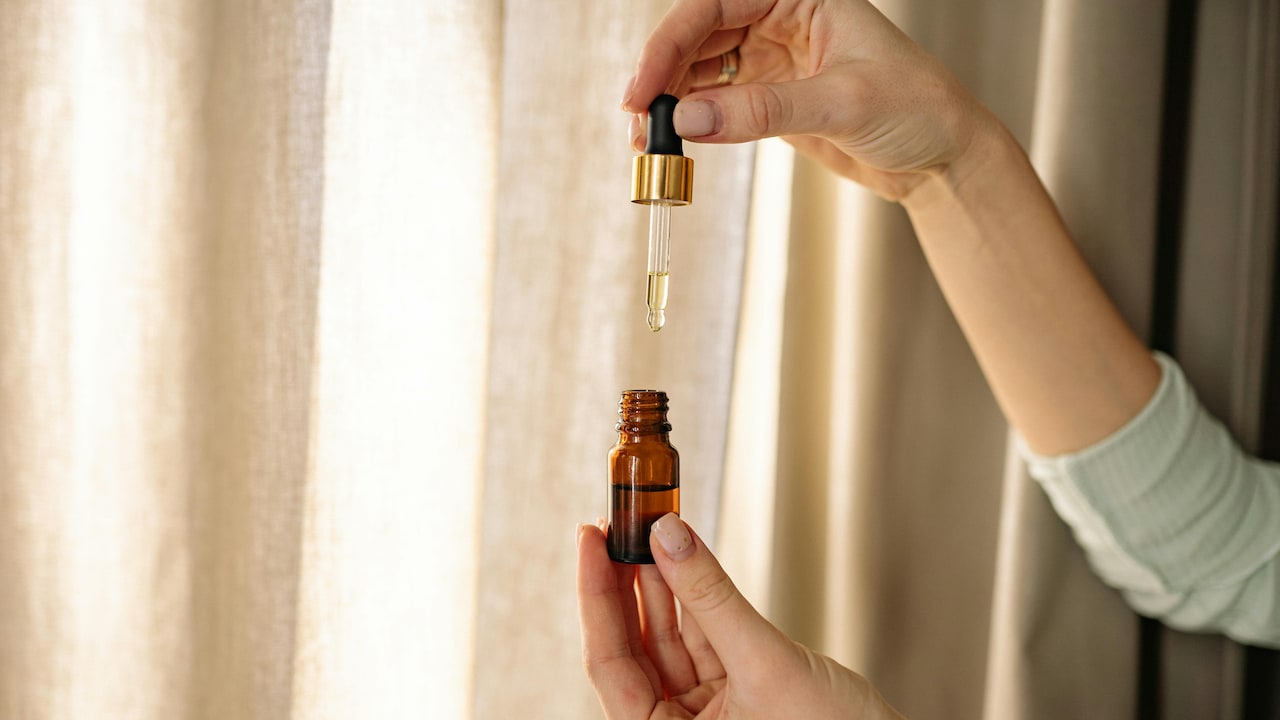
Face oils often carry a glamorous reputation. Glass bottles, golden hues, and promises of radiant skin make them tempting. But beyond aesthetics lies a functional role.
Oils are occlusive. They form a thin layer on the skin's surface, reducing water loss. This makes them particularly useful in dry weather or environments with constant air conditioning.
They also contain fatty acids, vitamins, and antioxidants. Ingredients like jojoba, almond, and rosehip oil mimic the skin's natural oils, helping repair the barrier.
However, oils do not add water to the skin. Applying oil on dehydrated skin without any hydration step may leave it feeling smooth initially, but still lacking true moisture.
There is also a common fear that oils clog pores. In reality, it depends on the type of oil and the skin's condition. Lightweight oils often suit most skin types when used correctly.
Face oils work best as a finishing step, sealing in everything applied before them. They shine when used thoughtfully, not excessively.
Also Read: Which Oil Is Best for Face Glow in Winter? Top 5 Brightening Oils to Try Now
What Creams Bring To The Table
Creams feel familiar. From childhood winters to daily routines, they have always been around. Their strength lies in balance.
Most creams combine water, humectants, and emollients. Humectants like glycerine attract water into the skin. Emollients soften and smooth rough patches. Together, they hydrate and comfort.
Unlike oils, creams directly add moisture. This makes them essential for skin that feels dull, tight, or dehydrated.
Modern formulations also include ingredients like ceramides and hyaluronic acid. These support the skin barrier and improve hydration levels over time.
Creams vary in texture. Light gels suit humid weather, while richer creams help during colder months. This flexibility makes them easy to adapt to changing conditions.
However, creams alone may not always prevent moisture loss, especially in harsh environments. This is where layering with oils can make a difference.
Creams remain the foundation of most skincare routines because they address hydration at its core.
Why Oils Feel Hydrating But Aren't Enough Alone
The smooth glide of oil often tricks the senses. Skin feels softer instantly, leading to the belief that it has been hydrated.
In reality, oils improve texture but do not increase water content. This explains why skin may feel comfortable at first but still look dull or flaky later.
The sensation comes from reduced friction and a temporary seal. Without underlying hydration, the effect does not last.
This becomes more noticeable during winter or after long hours in air-conditioned spaces. The skin craves water, not just oil.
A simple way to understand this is to compare it with hair care. Applying oil to dry hair improves shine but does not replace the need for moisture from water or conditioner.
The same logic applies to skin. Oils enhance, but they do not substitute hydration.
This is why experts often recommend applying oils after a moisturiser, not instead of it. The combination delivers better and longer-lasting results.
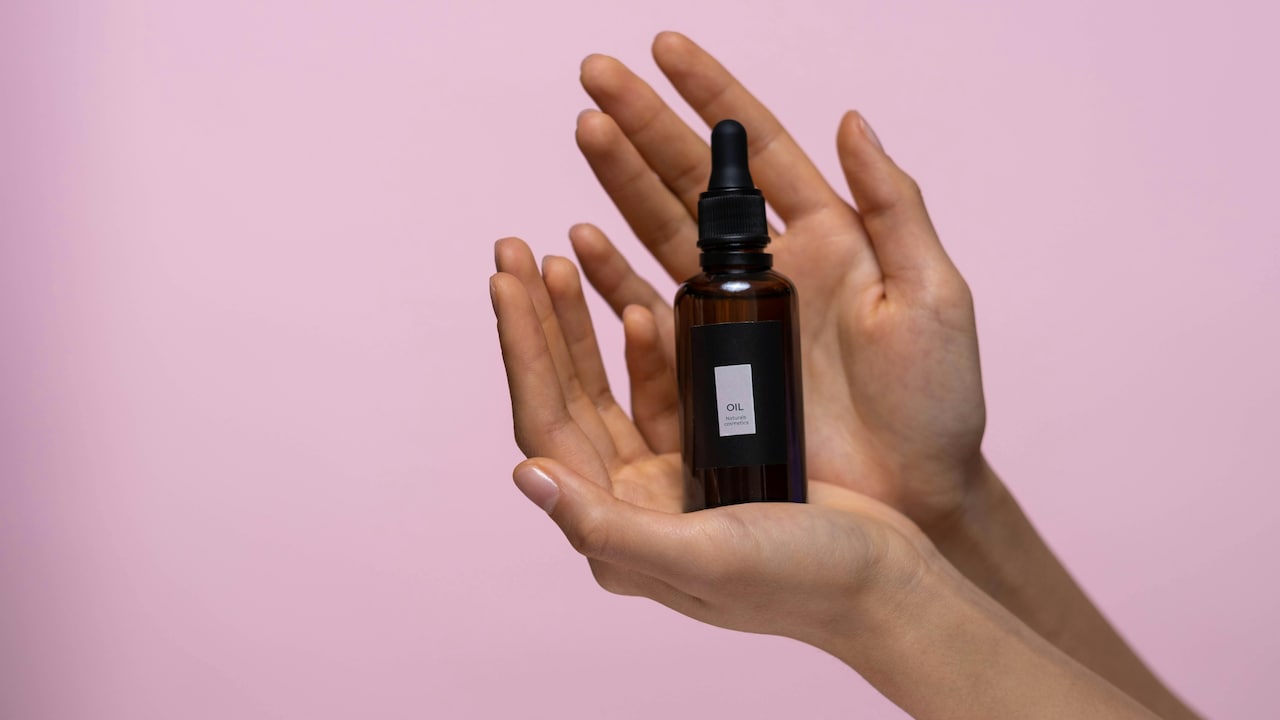
Face Oils vs Creams: What Actually Locks Moisture; Photo Credit: Pexels
Why Creams Sometimes Fall Short
Despite their benefits, creams do not always solve everything. Many people notice that skin feels hydrated initially but becomes dry again within hours.
This often happens because the moisture is not sealed in. Environmental factors like heat, wind, and indoor cooling systems speed up water loss.
Certain lightweight creams, while comfortable, may lack sufficient occlusive ingredients. This leads to quicker evaporation.
Another factor lies in the application. Applying cream to completely dry skin reduces its effectiveness. Slightly damp skin allows better absorption and hydration.
Over-cleansing also plays a role. Harsh face washes strip natural oils, making it harder for creams to perform effectively.
In such cases, adding a few drops of oil over the cream can help lock in hydration. It creates a protective layer that slows down moisture loss.
Creams do a lot, but they perform best when supported by good habits and, sometimes, a little help from oils.
Layering Oils And Creams The Right Way
The idea of layering often sounds complicated, but it is surprisingly simple when broken down.
Start with clean skin. Apply a hydrating product or cream while the skin is slightly damp. This helps lock in water.
Follow with a few drops of oil. Gently press it into the skin rather than rubbing. This seals everything underneath.
The order matters. Applying oil first can block the absorption of water-based products. Cream first, oil later works best.
The amount also matters. Too much oil can feel heavy and clog pores, while too little may not provide enough sealing.
Adjust based on the weather. During humid days, skip oil or use very little. During dry seasons, increase slightly.
This approach allows both products to perform their roles effectively. It turns a confusing choice into a complementary routine.
Once this balance is found, skin begins to feel consistently comfortable rather than unpredictably oily or dry.
Skin Type Plays A Bigger Role Than Trends
Trends change quickly, but skin type remains constant. What works for one person may not suit another.
Oily skin often fears oils, yet certain lightweight oils can actually balance sebum production. Over-drying with harsh products can trigger more oiliness.
Dry skin benefits from both creams and oils. It needs hydration as well as protection.
Combination skin requires a more thoughtful approach. Lighter creams and minimal oil in drier areas often work best.
Sensitive skin demands simplicity. Fragrance-free creams and gentle oils reduce the risk of irritation.
The key lies in observation. How does the skin feel after a few hours? Does it look shiny, tight, or balanced?
Listening to these signals matters more than following popular routines or expensive recommendations.
A ₹500 product used correctly often performs better than a ₹3000 one used incorrectly. Understanding skin needs always wins over trends.
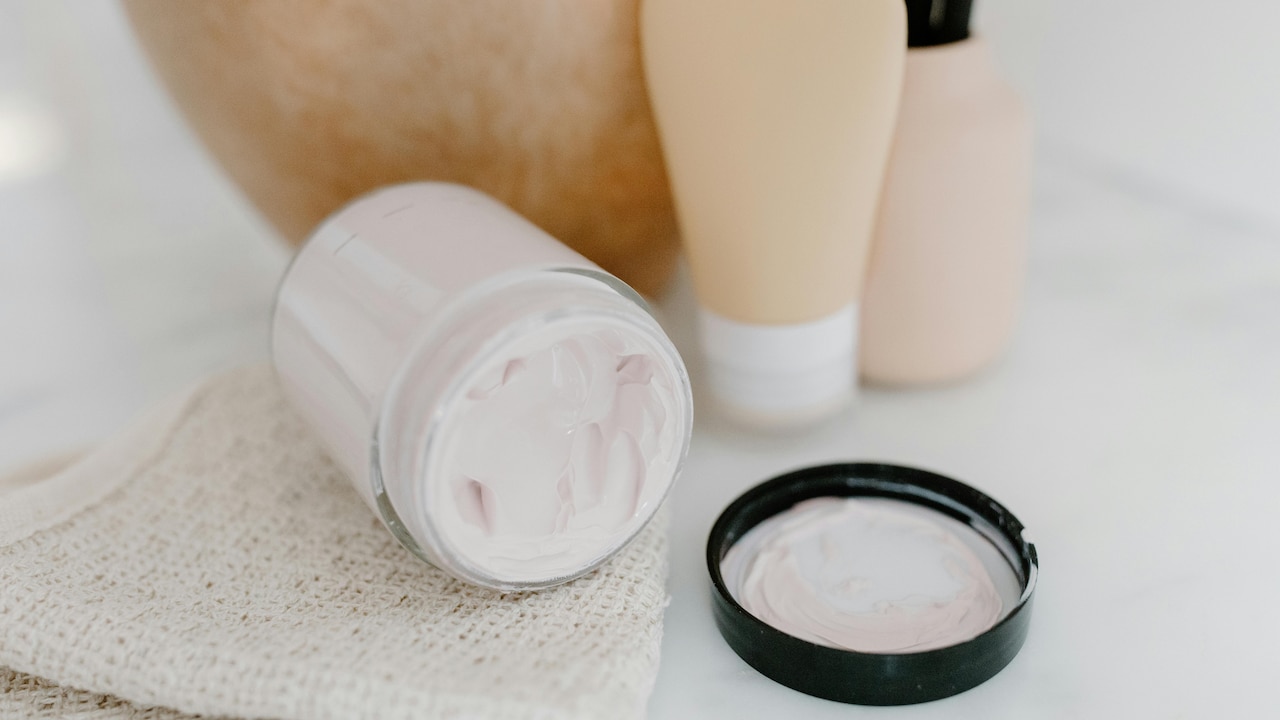
Face Oils vs Creams: What Actually Locks Moisture; Photo Credit: Pexels
Climate And Lifestyle Influence The Choice
Weather shifts dramatically across seasons. Skin reacts accordingly.
During monsoons, humidity rises. Heavy creams and oils may feel uncomfortable. Lightweight hydration works better.
In winter, dryness increases. Skin loses moisture faster, making richer creams and oils more useful.
Lifestyle also plays a role. Long hours in air-conditioned offices can dry out the skin, even during humid weather.
Pollution adds another layer of stress. It weakens the skin barrier, increasing moisture loss.
Late nights and stress affect hydration levels as well. Skin often looks dull and tired, regardless of the products used.
Adjusting skincare based on these factors makes a noticeable difference. Sticking to the same routine all year rarely works.
A flexible approach keeps skin balanced, no matter the season or schedule.
Common Myths That Need A Reality Check
The beauty industry thrives on myths. One common belief claims that oily skin does not need moisturiser. This is far from true.
Skipping hydration often leads to increased oil production. The skin tries to compensate for the lack of moisture.
Another myth suggests that oils always clog pores. In reality, many oils are non-comedogenic and safe when used correctly.
There is also the idea that expensive products work better. Price does not always reflect effectiveness.
Some believe layering too many products improves results. Overloading the skin can actually cause irritation and imbalance.
Understanding these myths helps simplify skincare. It shifts the focus from confusion to clarity.
Good skincare does not need to feel overwhelming. It needs to feel consistent and comfortable.
So, What Actually Locks Moisture?
The answer is not a single product. Moisture stays locked when hydration meets protection.
Creams bring water into the skin. Oils help keep it there. Together, they create balance.
Using only one often leads to incomplete results. Hydration without sealing fades quickly. Sealing without hydration feels superficial.
The most effective routine combines both, adjusted to skin type, weather, and lifestyle.
Think of it as teamwork rather than competition. Each product plays its part.
When used thoughtfully, they transform skincare from a guessing game into a reliable routine.
Skin begins to feel stable, less reactive, and more comfortable throughout the day.
Products Related To This Article
1. L'oreal Paris Revitalift Day Face Cream Spf 35 Pa Anti Wrinkle Radiance
2. Glamour World Glow Active Facial Oil 30ml
3. Mamaearth Daily Glow Face Cream Beetroot Hyaluronic Acid Lightweight Non-Greasy
4. Nature Glow Herbal Pure Cold Pressed Apricot Kernel Carrier Oil Even Skin Tone Strong Hair
5. Minimalist 10 Vitamin B5 Oil Free Face Moisturizer Zinc Copper Ha Oily Skin
The debate between face oils and creams often misses the bigger picture. It is not about choosing sides but understanding roles. Skin needs water to stay hydrated and lipids to retain that hydration. Creams deliver moisture. Oils help preserve it. Ignoring one often leads to imbalance. Over time, this shows up as dryness, excess oiliness, or sensitivity. A simple, adaptable routine works best. Start with hydration, follow with protection, and adjust based on how the skin responds.
There is no universal formula. The right approach evolves with seasons, lifestyle, and personal needs.
At the end of the day, good skincare feels less like a rulebook and more like a quiet understanding. When that balance is achieved, the mirror reflects not just better skin, but a routine that finally makes sense.
(Disclaimer: This article may include references to or features of products and services made available through affiliate marketing campaigns. NDTV Convergence Limited (“NDTV”) strives to maintain editorial independence while participating in such campaigns. NDTV does not assume responsibility for the performance or claims of any featured products or services.)