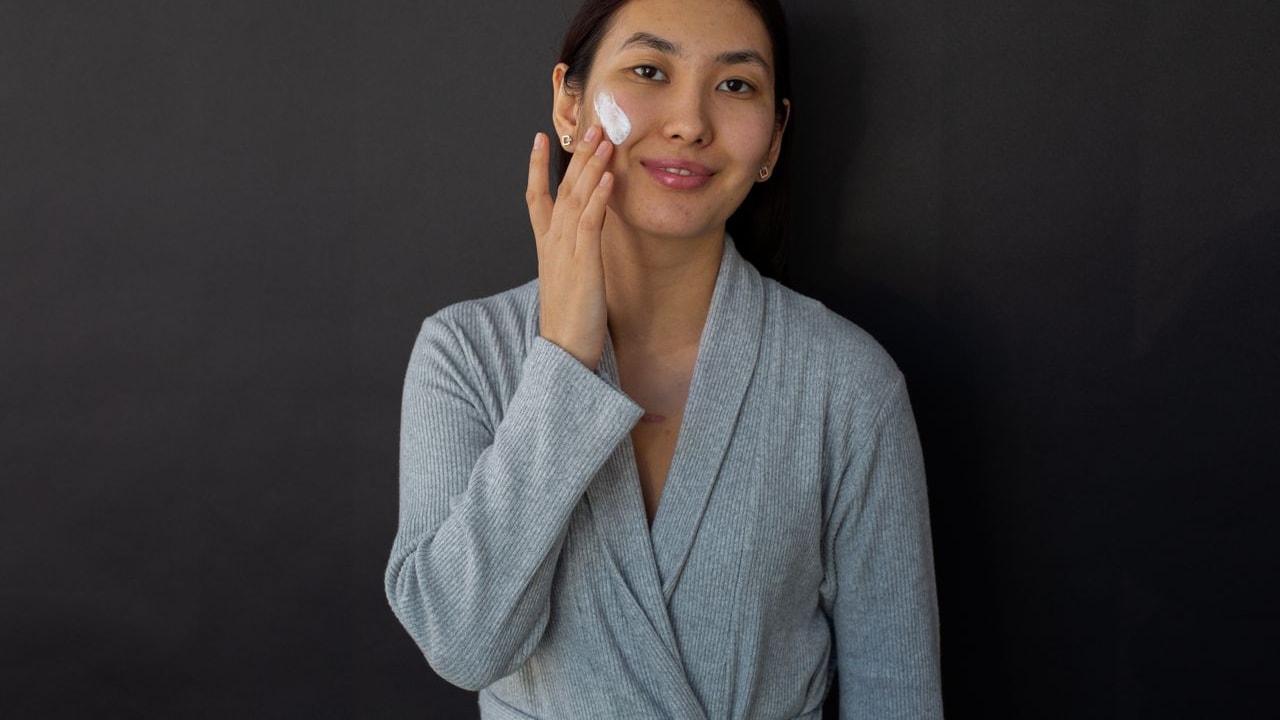
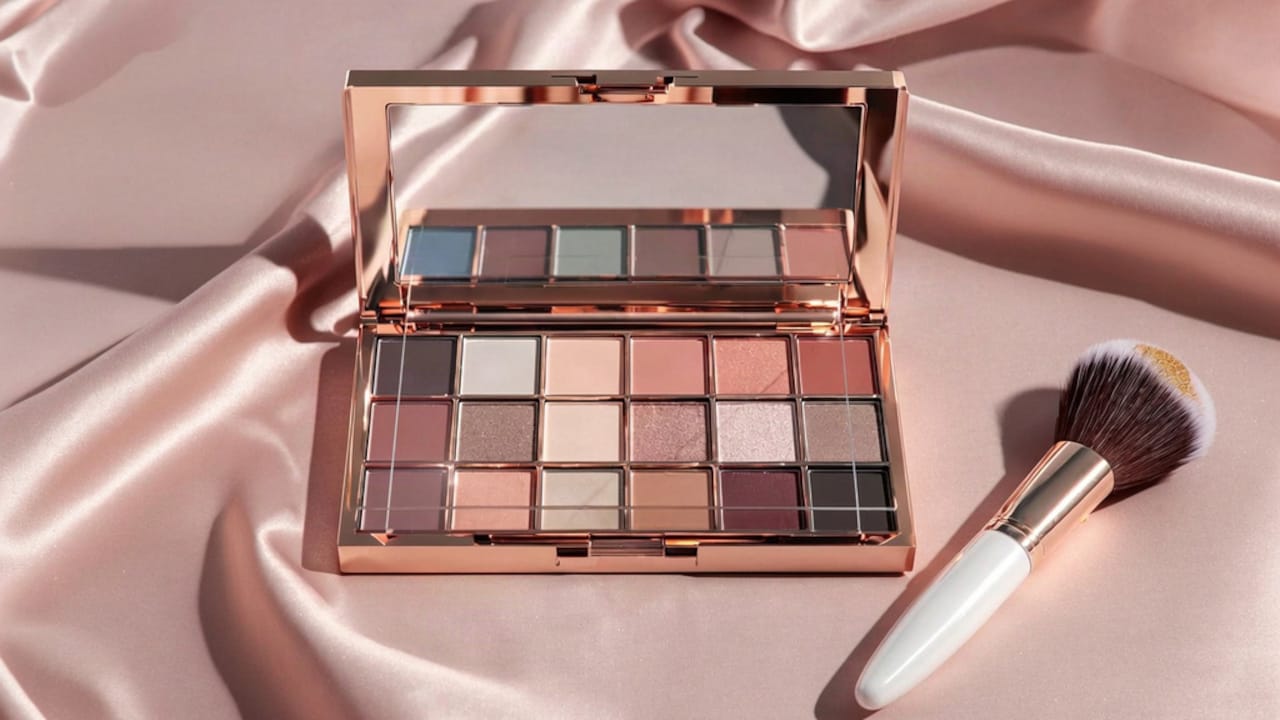
Frequent Breakouts Even After Using The Best Products? Do A Hygiene Check For Your MakeUp Brushes
Still breaking out despite using good skincare and makeup? Dirty make-up brushes could be the hidden cause. Learn why brush hygiene matters and how to fix it.
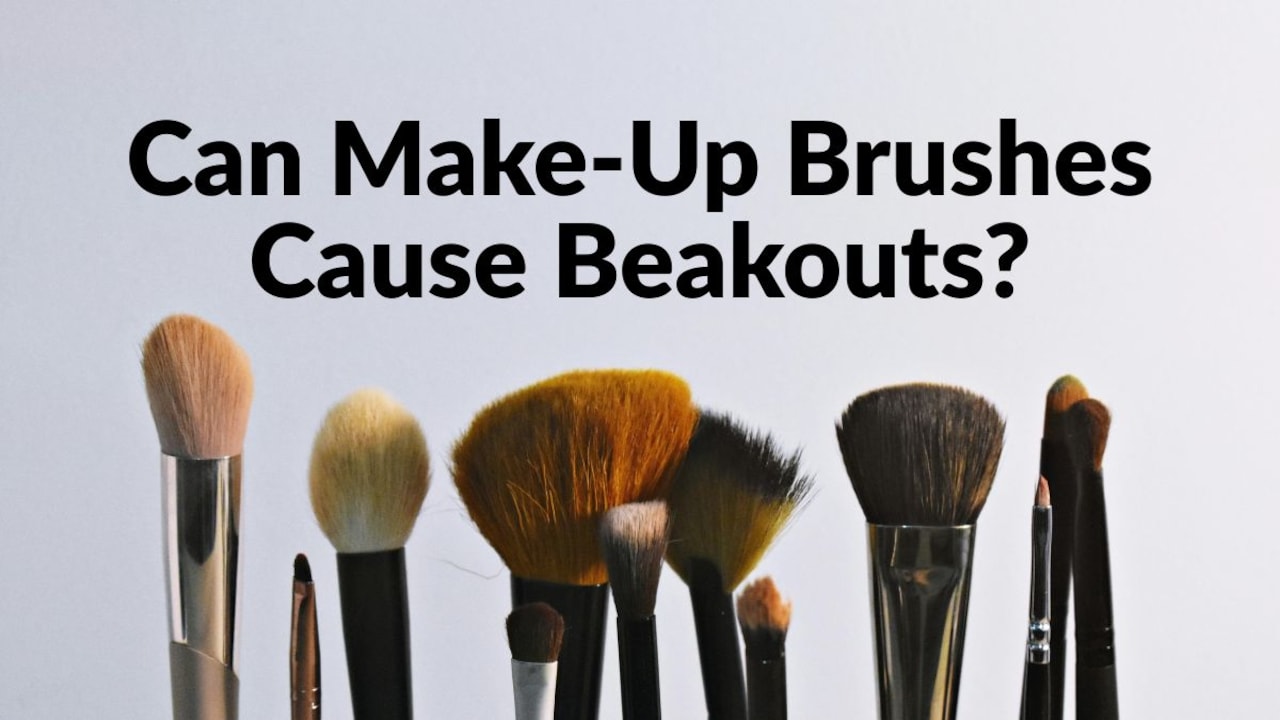
Breakouts aren't always about products,sometimes it's hygiene.
You've done everything right. You've upgraded your skincare, swapped your drugstore foundation for a high-end one, invested in serums with long ingredient lists and even splurged on luxury make‑up brands. Lakme has long been replaced by Charlotte Tilbury, and Clinique has taken over the Minimalist range, and your vanity now looks like something straight out of an Instagram reel.
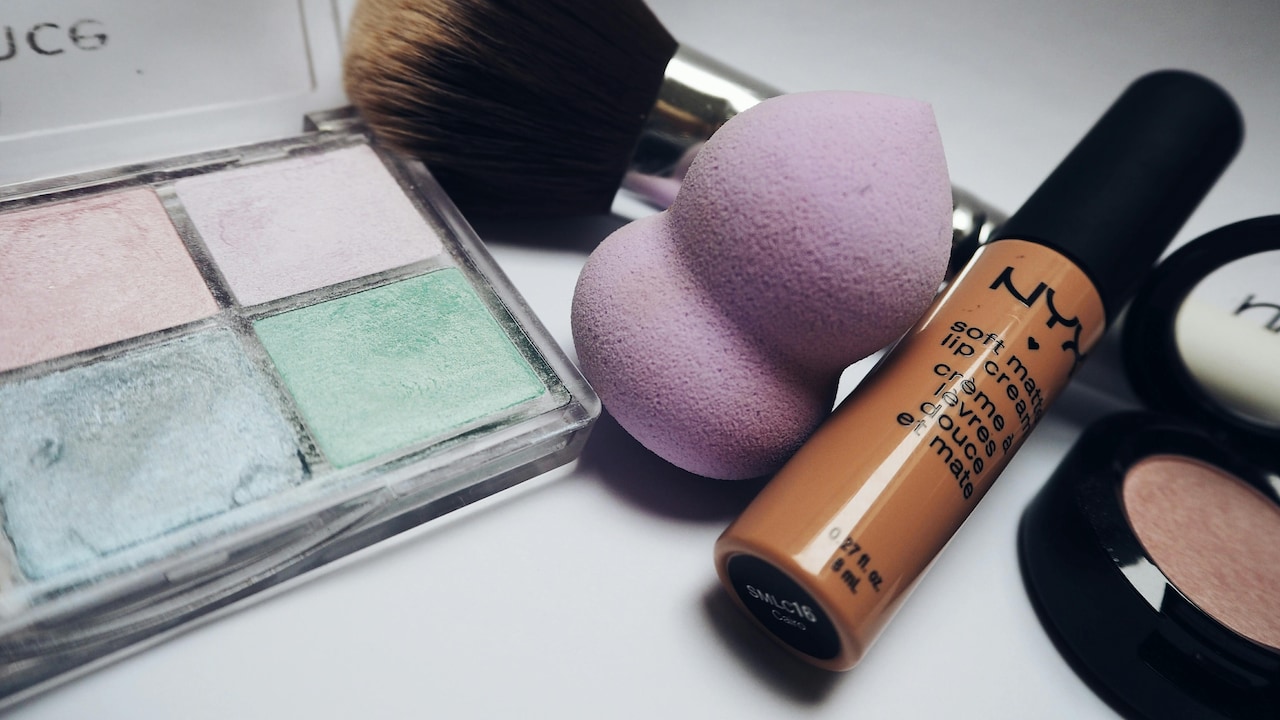
Clean make‑up starts with clean tools.
Photo Credit: Pexels
And yet, your skin is still breaking out.
At this point, most people do what seems logical: they assume the product is the problem. So they switch again. And again. They blame hormones, stress, weather, diet, anything except the one thing that's been sitting right in front of their eyes the whole time.
Your make‑up brushes.
Also Read: Affordable Long-Lasting Matte Lipsticks Under ₹600 Every Makeup Lover Must Try
Yes, those same brushes you once learnt to use because an Instagram reel told you make‑up looks "more blended" or "more professional" with them. What no reel bothered to tell you, however, is that brushes don't just need using, they need cleaning.
Regularly. Properly. Religiously.
Just like clothes, bedding or kitchen tools, make‑up brushes require hygiene maintenance. Ignoring this one habit can undo all the money you've spent on premium products and all the effort you've put into your skincare routine.
The Make‑Up Upgrade Everyone Forgets

Your brushes touch your skin more than your products do.
Photo Credit: Pexels
When people upgrade their beauty routines, they usually focus on three things:
- Better skincare
- Better make‑up products
- Better tools (brushes, sponges, blenders)
But the upgrade stops there.
The assumption is simple: if the brush looks clean, it is clean. And that's where the problem begins.
Most people keep their entire brush set standing openly in a holder, on a dressing table, bathroom shelf or vanity. They pick one up when needed, put it back when done, and repeat the cycle for months, sometimes years, without washing them.
Now imagine doing that with anything else you use daily.
Would you wear the same clothes every day without washing them?
Sleep on the same bedsheets for months?
Use the same unwashed kitchen sponge over and over again?
Of course not. Yet make‑up brushes often get a free pass.
Open Brushes Are A Breeding Ground

A five‑minute brush wash can save weeks of skin trouble.
Photo Credit: Pexels
Leaving brushes open in a holder might look aesthetic, but it's far from hygienic.
Open brushes are constantly exposed to:
- Dust and pollution particles
- Moisture in the air (especially in bathrooms)
- Dead skin cells
- Residual oils from your skin
- Leftover product trapped deep in the bristles
Over time, this combination creates the perfect environment for bacterial and microbial growth.
The issue worsens when brushes are not used daily. Dormant brushes, those that sit unused for days or weeks and are then suddenly used on the face, can be particularly harmful. Dust settles into the bristles, moisture gets trapped, and bacteria multiply quietly. When you finally swirl that brush onto your skin, you're essentially pressing all of that directly into your pores.
Breakouts, irritation and texture are almost inevitable.
The Foundation Brush: The Biggest Offender
If there's one brush that deserves special attention, it's your foundation brush.
Think about it. Every time you use it, the brush collects:
- Liquid or cream foundation
- Skin oils
- Sweat
- Dead skin cells
Now imagine this build-up accumulating day after day, without being washed out.
Liquid products create moisture, and moisture combined with warmth and organic matter is exactly what microbes thrive on. Even if the brush feels dry to the touch, deep within the bristles it can still hold residue and bacteria.
So when you use that brush again, especially on acne-prone or sensitive skin, you're not just applying foundation. You're reintroducing old product, bacteria and debris back onto your face.
No wonder your skin is reacting.
Why Changing Products Isn't Fixing The Problem
Many people assume that if a breakout appears after using make‑up, the product must be “too heavy”, “comedogenic” or “not suiting their skin”. While this can sometimes be true, it's far more common that the tool is the issue, not the formula.
Even the cleanest, most expensive foundation can cause breakouts if it's applied with a dirty brush.
This is why people often experience:
- Breakouts despite using non-comedogenic products
- Acne appearing in unusual areas (cheeks, jawline, hairline)
- Texture that wasn't there before
- Skin that improves when they stop using make‑up entirely
The moment make‑up is removed from the equation, the dirty brushes are removed too, giving the skin a break.
How Often Should You Clean Your Brushes?
There's no one-size-fits-all rule, but general guidelines help.
- Foundation and concealer brushes: Ideally after every use, or at least 2 to 3 times a week
- Cream blush, contour or bronzer brushes: Once a week
- Powder brushes: Every 7 to 10 days
- Eye brushes: Once a week, more often if you have sensitive eyes or acne-prone skin
If you're someone who breaks out easily, cleaning more frequently is always better than cleaning less.
How To Clean Them Properly (Without Ruining Them)
Cleaning brushes doesn't require fancy products.
A gentle shampoo, baby wash or a brush cleanser works well. Wet the bristles (avoid soaking the handle), massage the cleanser in, rinse thoroughly until the water runs clear, and gently squeeze out excess water.
Always let brushes dry flat or with the bristles facing down. Drying them upright can cause water to seep into the handle, loosening the glue and encouraging mould growth.
And please, never use a damp brush on your face. Ever.
Storage Matters More Than You Think
Even freshly washed brushes can become contaminated if stored incorrectly.
- Avoid keeping brushes in damp bathrooms
- Don't leave them open on dusty surfaces
- Store them in breathable pouches or covered holders once dry
- Make sure brushes are completely dry before storing
If you love the look of brushes on display, make sure they're cleaned frequently and kept in a dry, dust-free area.
A Small Habit That Makes A Big Difference
Clear skin isn't always about adding more products. Sometimes, it's about fixing the basics.
You can own the best skincare, follow every trend, and invest in luxury make‑up, but if your brushes aren't clean, your skin will keep paying the price.
So before you blame your foundation, toss out another serum, or write off make‑up altogether, take a moment to look at your tools. That make-up brush sitting innocently on your vanity might just be the reason your skin isn't cooperating.
Because sometimes, the real skincare upgrade isn't in a bottle, it's in a sink, a little soap, and five minutes of proper hygiene.
Products Related To This Article
1. SWISS BEAUTY Professional Face and Eye Brush Set
2. H&M Powder and Blusher Brush
3. Fashion Colour Blend Affair Set Of 8 Professional Makeup Brush Set
4. Milagro Beauty Concealer Brush
5. MARS Artists Arsenal Angular Buffing Brush
6. Renee Set Of 6 All In 1 Professional Makeup Brushes
7. PAC Foundation Blending Brush
8. VEGA Set of 5 RV-05 Makeup Brushes
9. Colors Queen Set of 6 Professional Face and Eyes Makeup Brushes
10. Colors Queen Set Of 2 Blender Puff With 4 In 1 Makeup Brush
Frequently Asked Questions (FAQs)
1. Can dirty make‑up brushes really cause acne?
Yes. Make‑up brushes collect dead skin cells, oil, leftover product and dust. When not cleaned regularly, they can harbour bacteria that clog pores and trigger breakouts.
2. How often should make‑up brushes be cleaned?
Brushes used with liquid or cream products should ideally be cleaned every few uses. Powder brushes can be cleaned once a week or every 7 to 10 days, depending on use.
3. Why does my skin break out even with good products?
Even high-quality products can irritate the skin if applied with unhygienic tools. Often, the issue lies with dirty brushes rather than the product itself.
4. Is it bad to keep brushes openly on a vanity?
Open storage exposes brushes to dust, pollution and moisture. Over time, this can increase bacterial growth, especially if brushes are not used or cleaned regularly.
5. Can unused brushes still be harmful?
Yes. Brushes left unused for long periods can collect dust and retain moisture, making them unhygienic when suddenly used on the skin.
(Disclaimer: This article may include references to or features of products and services made available through affiliate marketing campaigns. NDTV Convergence Limited (“NDTV”) strives to maintain editorial independence while participating in such campaigns. NDTV does not assume responsibility for the performance or claims of any featured products or services.)