Face Serums Not Working? The Correct Order To Layer Them For Better Results
Your serums may not be failing; you might be layering them wrong. The right order can boost absorption, prevent irritation, and finally deliver the results your skincare routine promises.

How To Layer Face Serums Properly: Fix Your Routine And See Real Results
Walk into any beauty store or scroll through a skincare reel, and the message feels clear: serums are magic. A tiny bottle priced anywhere between ₹500 and ₹5,000 claims to brighten, hydrate, smooth, and even rewind time. Yet, many find themselves staring into the mirror weeks later, wondering why nothing has changed.
Here's the twist: serums often fail not because they are ineffective, but because they are used incorrectly. Layering plays a far bigger role than most realise. Applying products in the wrong sequence can block absorption, dilute potency, or even irritate the skin.
Think of a skin care routine like cooking a layered dish. Add ingredients in the wrong order, and the flavours clash. Follow the right sequence, and everything blends beautifully. The same logic applies to serums. Understanding how to layer them is less about following rigid rules and more about respecting how each ingredient behaves.

How To Layer Face Serums Properly: Fix Your Routine And See Real Results; Photo Credit: Pexels
A Simple Guide To Layering Your Skincare Right
Understanding The Basics Of Serum Layering
Before diving into complicated routines, it helps to understand one simple principle: skincare works best when applied from thinnest to thickest. Serums are designed to deliver concentrated ingredients deep into the skin, but they can only do so when nothing heavier blocks their path.
A watery hydrating serum, for instance, needs direct contact with clean skin. Apply a thick oil before it, and the product simply sits on top, doing very little. This explains why someone may spend ₹2,000 on a vitamin C serum and still see dull skin.
Texture acts as a reliable guide. Lightweight, fast-absorbing formulas go first, followed by richer, more emollient ones. It sounds straightforward, yet it often gets overlooked during rushed morning routines.
There's also the matter of patience. Each layer needs a few seconds to settle. Skipping this step leads to pilling or uneven absorption, which quietly reduces effectiveness. Skincare, in many ways, rewards those who slow down.
Why Your Serum Order Matters More Than The Brand
It's tempting to believe that a premium label guarantees results. However, even the most advanced formulation struggles if applied incorrectly. The sequence of application directly affects how active ingredients interact with the skin.
Take niacinamide and hyaluronic acid, for example. Both are popular and effective. Yet, if hyaluronic acid goes on after a heavier cream, it cannot pull moisture into the skin efficiently. Instead, it lingers on the surface, leaving skin feeling sticky rather than hydrated.
Similarly, applying a potent exfoliating serum after a thick moisturiser weakens its ability to penetrate. This often leads to the mistaken belief that the product “doesn't work”.
The truth is less dramatic but more useful. Skincare is not just about what is used, but how it is used. A well-layered routine with affordable products can outperform a chaotic routine filled with luxury items.
That's good news for anyone trying to stretch a budget without compromising on results.
Also Read: Which Serum Is Best To Get Clear Skin? Top 5 Recommendations Under ₹500
Starting With A Clean Canvas
Every effective routine begins with properly cleansed skin. It sounds basic, yet it sets the tone for everything that follows. Without a clean surface, serums struggle to penetrate, no matter how well they are layered.
City life often means exposure to dust, pollution, and sweat. A gentle cleanser removes this buildup and prepares the skin to absorb active ingredients. Skipping this step is like applying paint over a dusty wall; it simply doesn't stick well.
Double cleansing at night can make a noticeable difference, especially for those who use sunscreen or makeup. An oil-based cleanser breaks down residue, while a water-based cleanser clears remaining impurities.
Once the skin feels fresh and slightly damp, it becomes more receptive to serums. This small detail often gets ignored, but can significantly improve absorption.
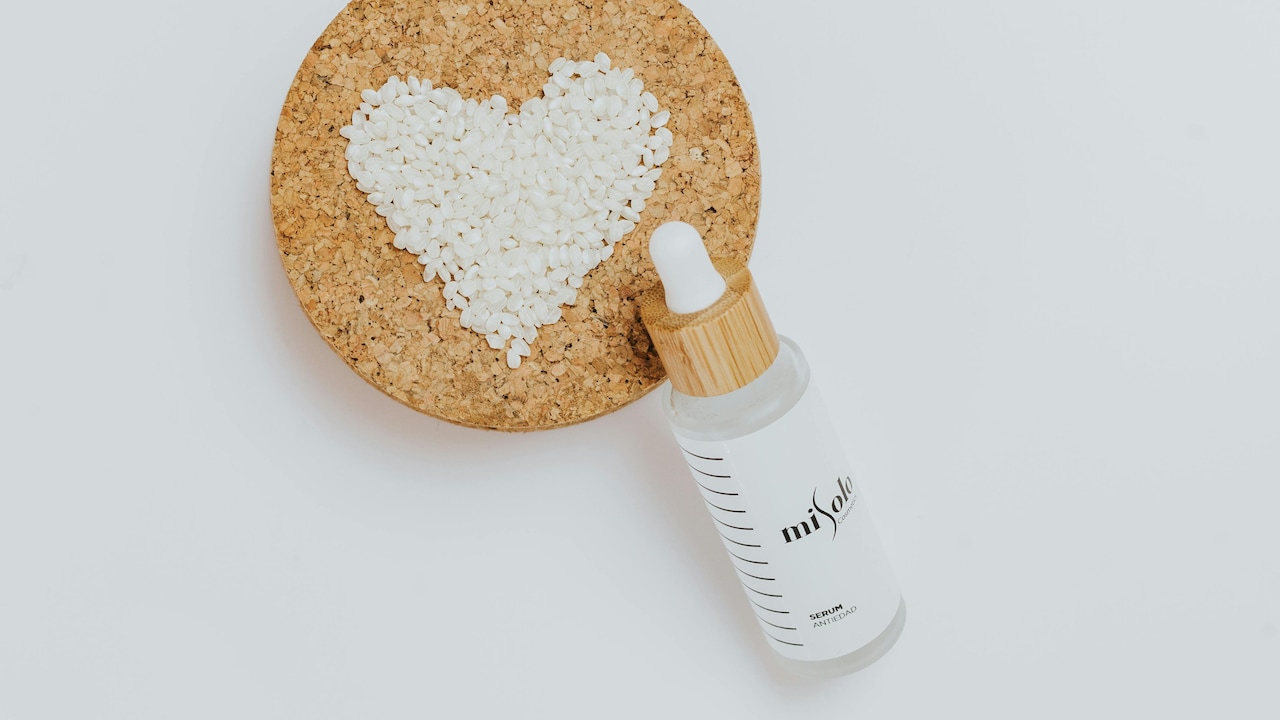
A clean canvas does more than enhance effectiveness. It ensures that each product performs as intended, rather than competing with leftover grime from the day.
How To Layer Face Serums Properly: Fix Your Routine And See Real Results; Photo Credit: Pexels
The Role Of Water-Based Serums
Water-based serums are usually the lightest in texture and should be the first to touch the skin after cleansing. These include hydrating ingredients like hyaluronic acid, as well as soothing agents such as aloe or glycerin.
Their job is to deliver moisture quickly and prepare the skin for subsequent layers. When applied first, they sink in effortlessly, creating a hydrated base that helps other products spread evenly.
Applying them later in the routine often leads to frustration. The serum may feel like it's just sitting on top, refusing to blend. This is not a flaw in the product but a layering mistake.
There's also a subtle sensory benefit. Starting with a light, cooling serum feels refreshing, especially in warm weather. It sets a calm, almost spa-like tone for the routine.
Allowing this layer to absorb fully ensures that the skin feels plump rather than sticky. That slight difference often signals whether a routine is working or quietly failing.
Where Treatment Serums Fit In
Treatment serums are the power players of any routine. These include vitamin C for brightening, retinol for anti-ageing, and acids for exfoliation. Their placement in the routine is crucial because they rely on direct skin contact to perform effectively.
After applying a hydrating base, treatment serums should follow. This ensures that the skin is prepped but not blocked. For example, a vitamin C serum works best when it reaches the skin without interference from heavier products.
Timing also matters. Vitamin C often suits morning routines, helping to protect against environmental stressors. Retinol, on the other hand, is better reserved for nighttime use due to its sensitivity to sunlight.
Using too many treatment serums at once can overwhelm the skin. Instead of glowing results, irritation or breakouts may appear. Balance plays a key role here.
When layered correctly, treatment serums can transform the skin over time. When layered poorly, they often lead to confusion and disappointment.
The Importance Of Oil-Based Serums
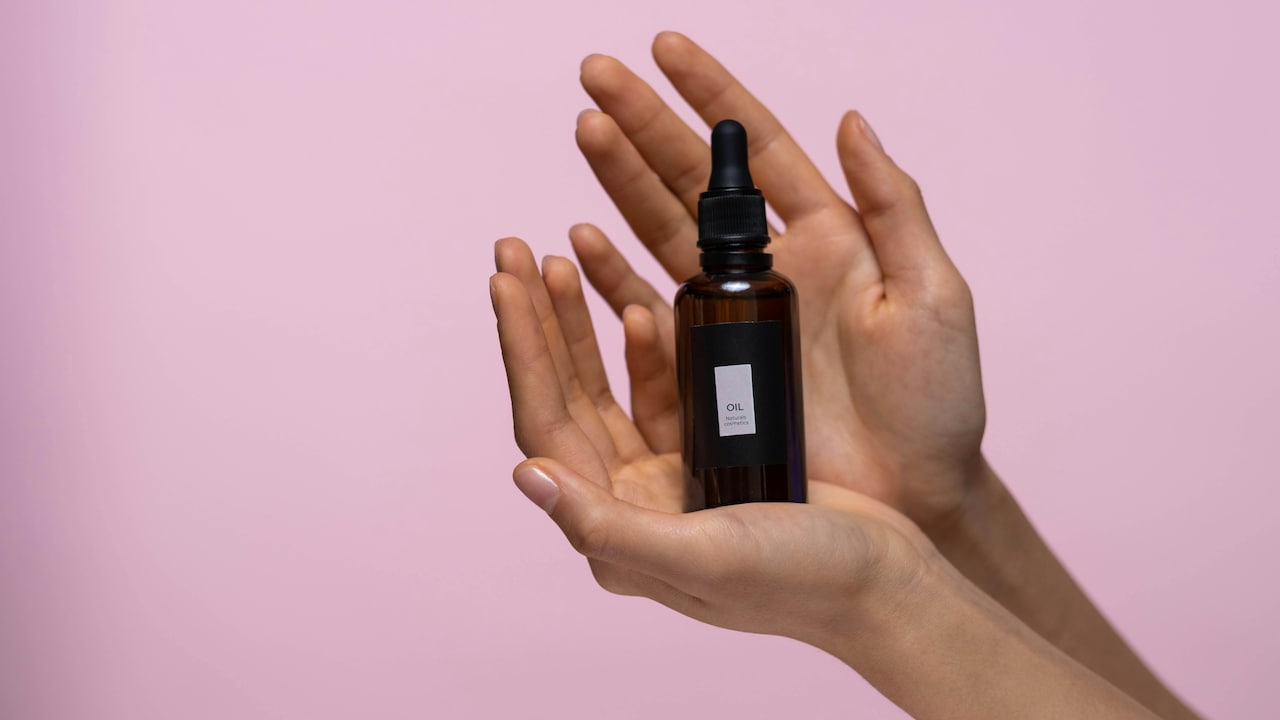
Oil-based serums are richer and should generally come after water-based and treatment serums. Their primary role is to seal in moisture and nourish the skin.
Think of them as a protective layer. Once lighter serums have done their job, oils help lock everything in, preventing evaporation. This is especially useful during dry seasons or in air-conditioned environments.
Applying oil too early in the routine creates a barrier that blocks other products. It's a common mistake that leads to underwhelming results, even with high-quality serums.
There's also a comforting aspect to oils. A few drops gently pressed into the skin can feel grounding, almost like a mini ritual at the end of a long day.
However, moderation is key. Using too much can leave the skin feeling greasy rather than nourished. A small amount goes a long way, especially when layered correctly.
How To Layer Face Serums Properly: Fix Your Routine And See Real Results; Photo Credit: Pexels
Why Waiting Time Is Not A Myth
In a fast-paced routine, waiting between layers may seem unnecessary. Yet, this small pause can make a noticeable difference. Each serum needs a moment to settle before the next one goes on.
Rushing through the steps often leads to products mixing on the surface instead of absorbing properly. This not only reduces effectiveness but can also cause pilling, which feels frustrating and wasteful.
A gap of even 30 to 60 seconds allows the skin to absorb each layer more efficiently. It also gives a chance to observe how the skin reacts, which can be helpful in identifying irritation early.
There's something quietly satisfying about this pause. It turns skincare from a rushed task into a mindful ritual. Even on busy mornings, taking a few extra seconds can elevate the entire experience.
Patience, in this case, is not just a virtue, it's a practical step towards better results.
Mixing Ingredients That Don't Get Along
Not all serums are meant to be layered together. Some ingredients clash, reducing effectiveness or causing irritation. Understanding these combinations can save both money and skin trouble.
For instance, combining strong exfoliating acids with retinol can overwhelm the skin. Instead of smoothness, it often leads to redness and sensitivity. Similarly, certain forms of vitamin C may not pair well with niacinamide, depending on formulation.
This doesn't mean avoiding these ingredients entirely. It simply means using them at different times, perhaps one in the morning and the other at night.
Listening to the skin becomes crucial here. If irritation appears, it's often a sign that the routine needs adjustment rather than more products.
Skincare trends often encourage layering multiple actives for faster results. In reality, a thoughtful, balanced approach tends to work better and feels far more sustainable.
Adapting Your Routine To Weather And Lifestyle
Skincare is not static. What works during one season may feel completely wrong in another. Humidity, temperature, and daily habits all influence how serums behave on the skin.
During hot, humid days, lighter layers often feel more comfortable. Heavy oils may feel suffocating, while water-based serums provide enough hydration without stickiness.
In cooler months, the skin may crave richer textures. Adding an oil-based serum at the end of the routine can prevent dryness and keep the skin supple.
Lifestyle also plays a role. Long hours in air-conditioned spaces can dehydrate the skin, making hydrating serums more essential. Outdoor exposure, on the other hand, increases the need for protective ingredients like antioxidants.
Adapting the routine ensures that serums continue to work effectively rather than feeling mismatched to the environment.
Recognising When Less Is More
It's easy to assume that more serums mean better results. However, overloading the skin often leads to the opposite outcome. Too many layers can clog pores, cause irritation, and dilute the effectiveness of each product.
A simple routine with two or three well-chosen serums often performs better than an elaborate one. It allows each product to work without competition.
There's also a financial benefit. Instead of buying multiple products that sit unused, investing in a few that suit the skin can feel more rewarding.
Minimalism in skincare doesn't mean compromising on care. It means focusing on what truly works and letting go of unnecessary steps.
Sometimes, the glow everyone seeks comes not from adding more, but from doing less, more thoughtfully.
Products Related To This Article
1. Renee Matcha Face Serum- 30 ml
2. Aqualogica Transparent Radiance+ Concentrate Face Serum
3. LUMOSIQUE Brightening & Moisturizing Face Serum- 30ml
4. PLIX THE PLANT FIX Jamun Face Wash & Niacinamide Serum Combo
5. The Derma Co. 10% Vitamin C Face Serum with 5% Niacinamide & Hyaluronic Acid
Face Serums hold incredible potential, but they are not magic on their own. Their effectiveness depends on how they are used, layered, and combined. A small change in order can turn a disappointing routine into a rewarding one.
Understanding textures, respecting ingredient behaviour, and allowing time for absorption can transform skincare from guesswork into something far more intuitive. It's less about chasing trends and more about building a routine that feels right.
At the end of the day, skincare is personal. What works for one person may not work for another. Yet, the principles of layering remain universal.
Sometimes, the solution isn't buying a new ₹3,000 serum. It's simply using the one already on the shelf in the right way.
(Disclaimer: This article may include references to or features of products and services made available through affiliate marketing campaigns. NDTV Convergence Limited (“NDTV”) strives to maintain editorial independence while participating in such campaigns. NDTV does not assume responsibility for the performance or claims of any featured products or services.)