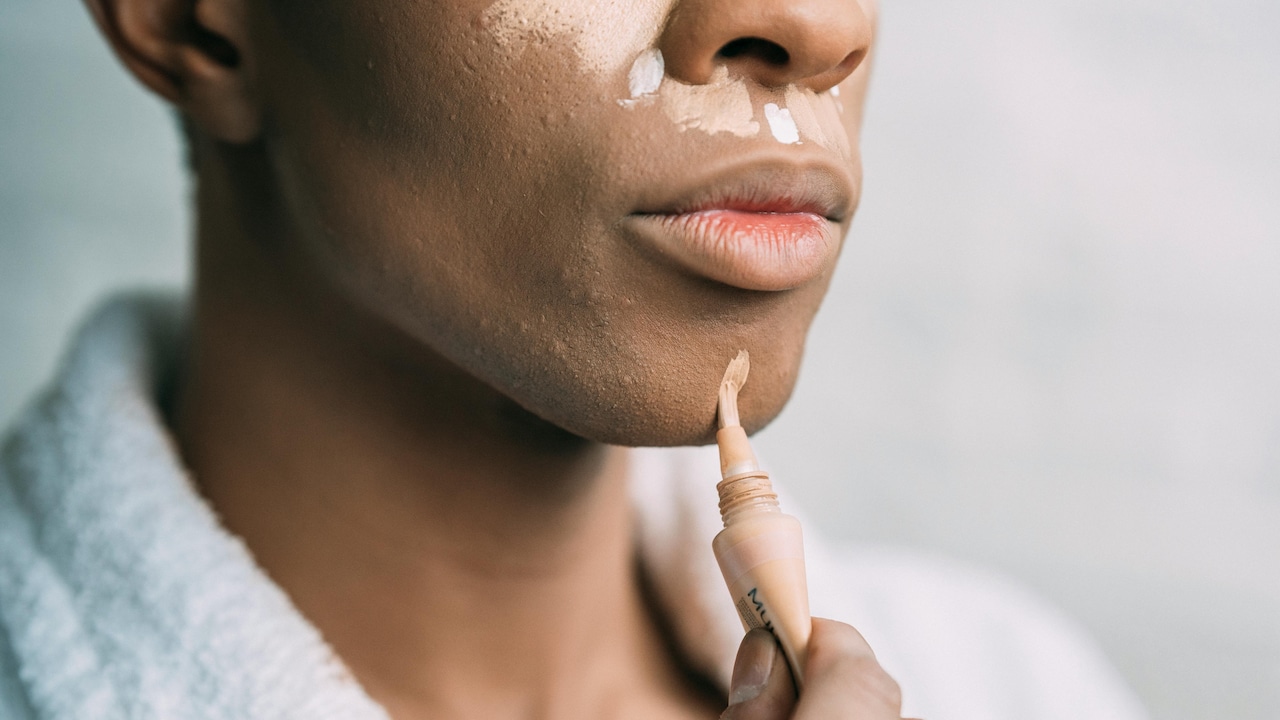
Water-Based vs Silicone-Based Primers: Which One Works For Oily Skin?
Struggling with makeup slipping off oily skin? Discover whether water-based or silicone-based primers offer better oil control, longer wear, and a smoother finish for your daily routine.
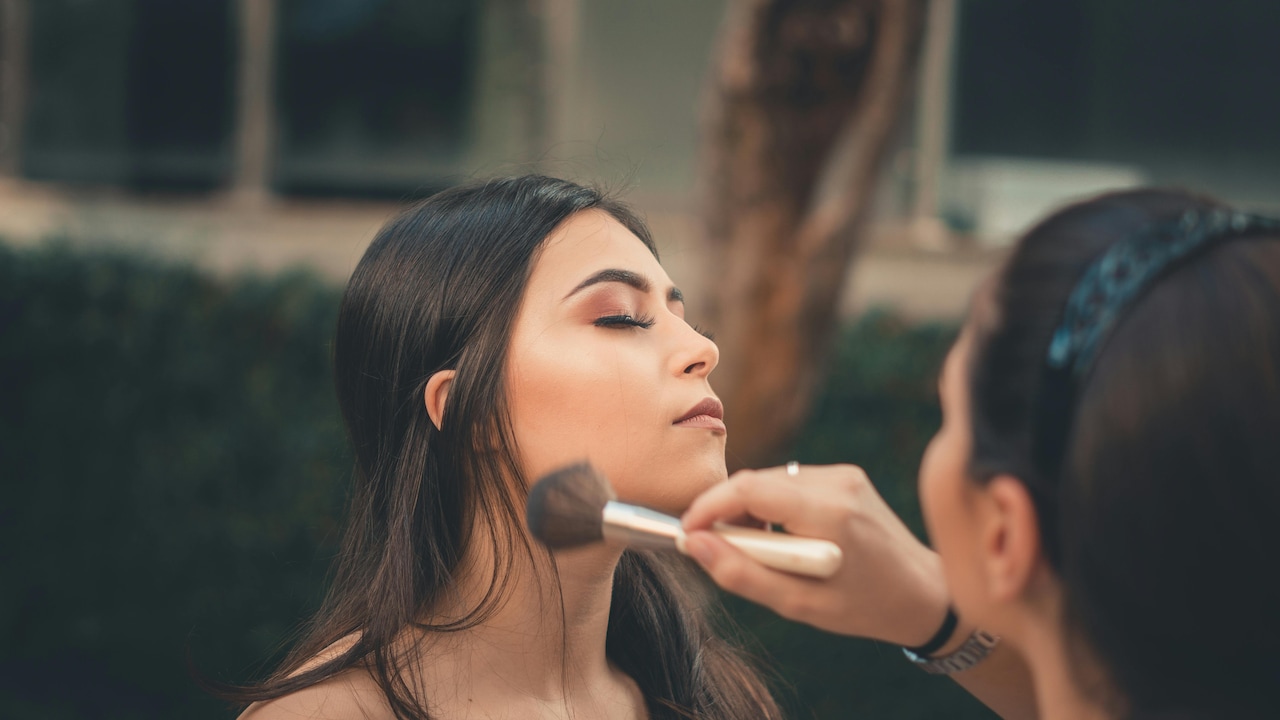
Find the perfect primer for oily skin with this water primer vs silicone primer comparison
Oily skin has a personality of its own. It refuses to sit quietly under layers of foundation, peeks through makeup by noon, and often turns a carefully crafted look into a glossy surprise. Anyone who has stepped out looking flawless in the morning only to check the mirror later knows this struggle all too well.
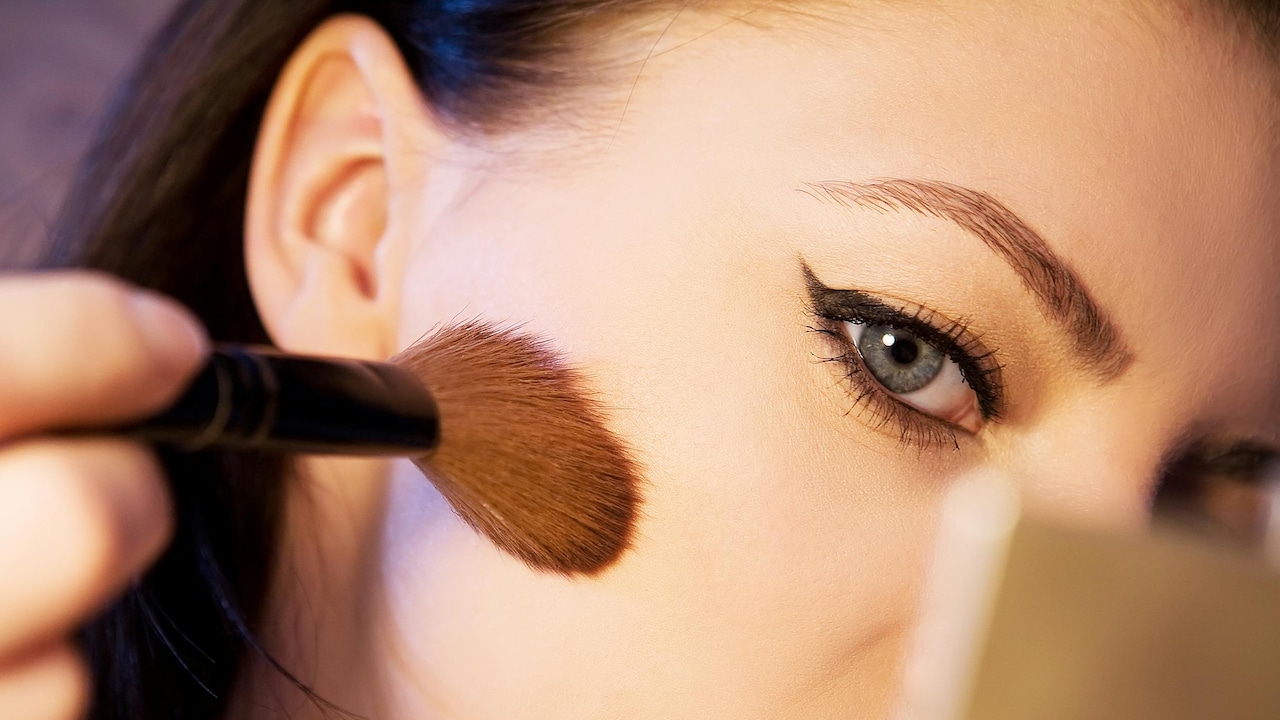
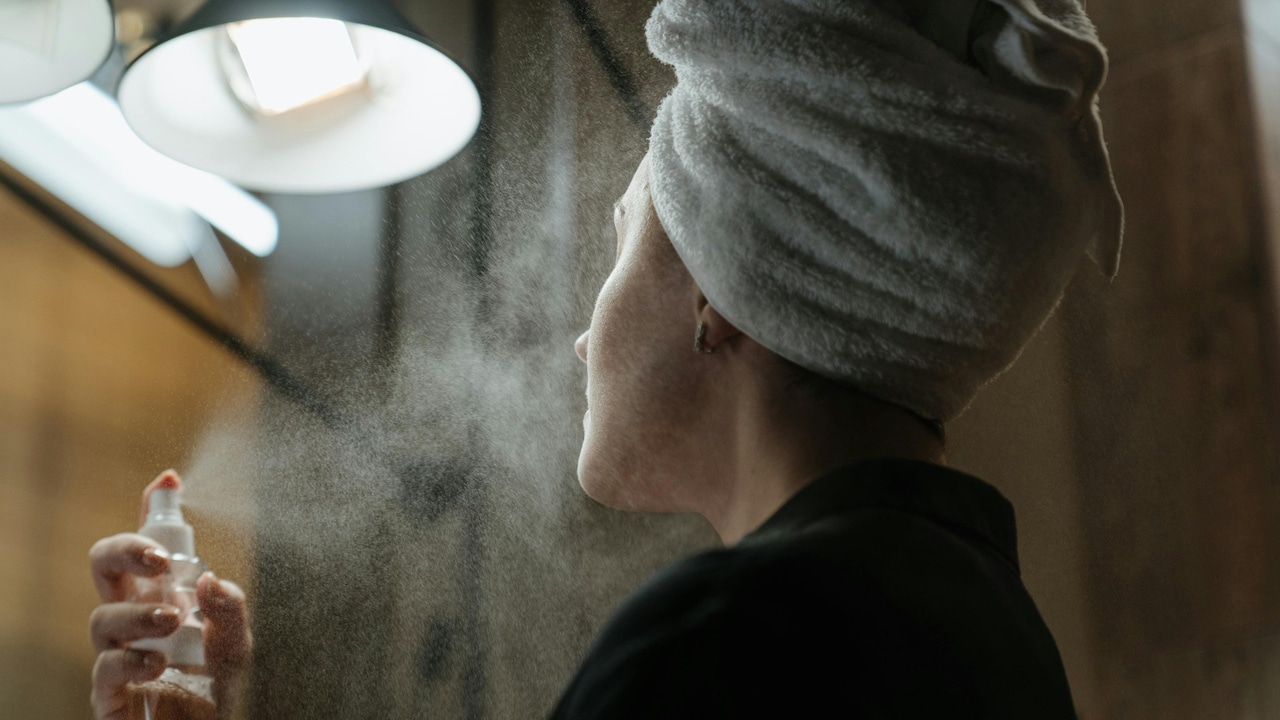
Water vs silicone primers which is better for oily skin people; Photo Credit: Pexels
Primers promise to be the quiet heroes in this story. They are smooth, grip, and control. Yet, standing in front of a beauty aisle or scrolling online brings up a familiar confusion: water-based or silicone-based? Both claim to be perfect, both promise long wear, and both sit in similar price brackets, often ranging from ₹500 to ₹1,800.
Choosing the right one is not just about trends or influencer recommendations. It is about understanding how each formula behaves on oily skin, especially in climates where humidity and heat rarely take a day off. This article unpacks the differences, myths, and practical realities so that the next purchase feels less like a gamble and more like a smart decision.
Also Read: Try These 5 Luxury Makeup Primers For A Perfect Base
Key Differences Between Water-Based And Silicone-Based Primers For Oily Skin
Understanding What A Primer Actually Does
A primer often feels like an optional extra, yet skipping it usually leads to regret. It acts as the bridge between skincare and makeup, creating a smooth surface that helps foundation stay put. For oily skin, this step becomes even more crucial.
Think of primer as the buffer zone. It fills pores, reduces shine, and prevents makeup from slipping. Without it, the foundation tends to break apart, especially around the nose and forehead. The result often looks patchy rather than polished.
What makes primers interesting is how they tackle oil differently. Some absorb excess sebum, while others create a barrier that controls shine. This is where the water versus silicone debate begins. Each type approaches the same problem in a distinct way, which explains why results vary so much from person to person.
Understanding this basic function sets the stage. Choosing between the two is less about which is “better” and more about which suits the skin's behaviour throughout the day.
What Makes Water-Based Primers Unique
Water-based primers rely on lightweight ingredients, with water sitting at the top of their composition. This makes them feel fresh, breathable, and almost invisible on the skin. For those who dislike heavy textures, this type often feels like a welcome relief.
These primers absorb quickly and do not leave behind a slippery layer. Instead, they hydrate gently while offering a subtle grip for makeup. This makes them popular during hot months when the skin already feels overwhelmed.
However, oily skin can be unpredictable. While water-based primers provide hydration, they may not always control shine for long hours. By midday, especially in humid conditions, the T-zone might begin to gleam again.
That said, they shine in scenarios where skin feels both oily and dehydrated. Many people experience this confusing combination, where the skin produces oil but still lacks moisture. A water-based primer can balance this without clogging pores or feeling heavy.
Why Silicone-Based Primers Are So Popular
Silicone-based primers have built a strong reputation, especially among makeup artists. Their silky texture instantly smooths out uneven skin, blurs pores, and creates a soft-focus effect that looks almost airbrushed.
The magic lies in silicones like dimethicone. These ingredients form a thin barrier over the skin, preventing oil from breaking through quickly. As a result, makeup tends to last longer, even through heat and sweat.
For oily skin, this sounds like the perfect solution. The mattifying effect keeps shine under control, and foundation glides on effortlessly. Many long-wear looks rely on this type of primer for a reason.
However, not everything is flawless. Some people feel that silicone-based formulas sit on top of the skin rather than blend into it. Others worry about clogged pores, especially if cleansing routines are not thorough.
Despite these concerns, their ability to control shine and extend wear makes them a favourite, particularly for long days, weddings, or events where touch-ups are not always convenient.
How Oily Skin Reacts To Each Type
Oily skin behaves differently depending on the product applied. With water-based primers, the skin often feels refreshed at first. The lightweight texture allows it to breathe, which can reduce the immediate feeling of heaviness.
However, as the day progresses, oil production may continue underneath. Since water-based formulas do not create a strong barrier, shine can return sooner.
Silicone-based primers, on the other hand, act like a shield. They hold oil at bay for longer periods. This makes them ideal for situations where staying matte is the priority.
Yet, this barrier can sometimes trap oil and impurities if the skin is not properly cleansed. Over time, this might lead to breakouts for some individuals.
The reaction ultimately depends on how the skin balances oil production and hydration. Observing how the skin behaves after a full day of wear often reveals which primer truly works.
Weather And Climate: The Real Game-Changer
Weather plays a huge role in how primers perform. In humid conditions, makeup tends to melt faster, making oil control a priority. Silicone-based primers usually perform better here, as they resist sweat and shine.
During cooler months or in air-conditioned environments, water-based primers can feel more comfortable. They prevent the skin from feeling tight or overly dry, which can sometimes trigger even more oil production.
Anyone who has stepped out during peak summer knows how quickly makeup can disappear. A primer that works beautifully in winter might fail completely in heat.
Adapting products based on the season often brings better results than sticking to one type year-round. It may feel like extra effort, but the difference is noticeable.
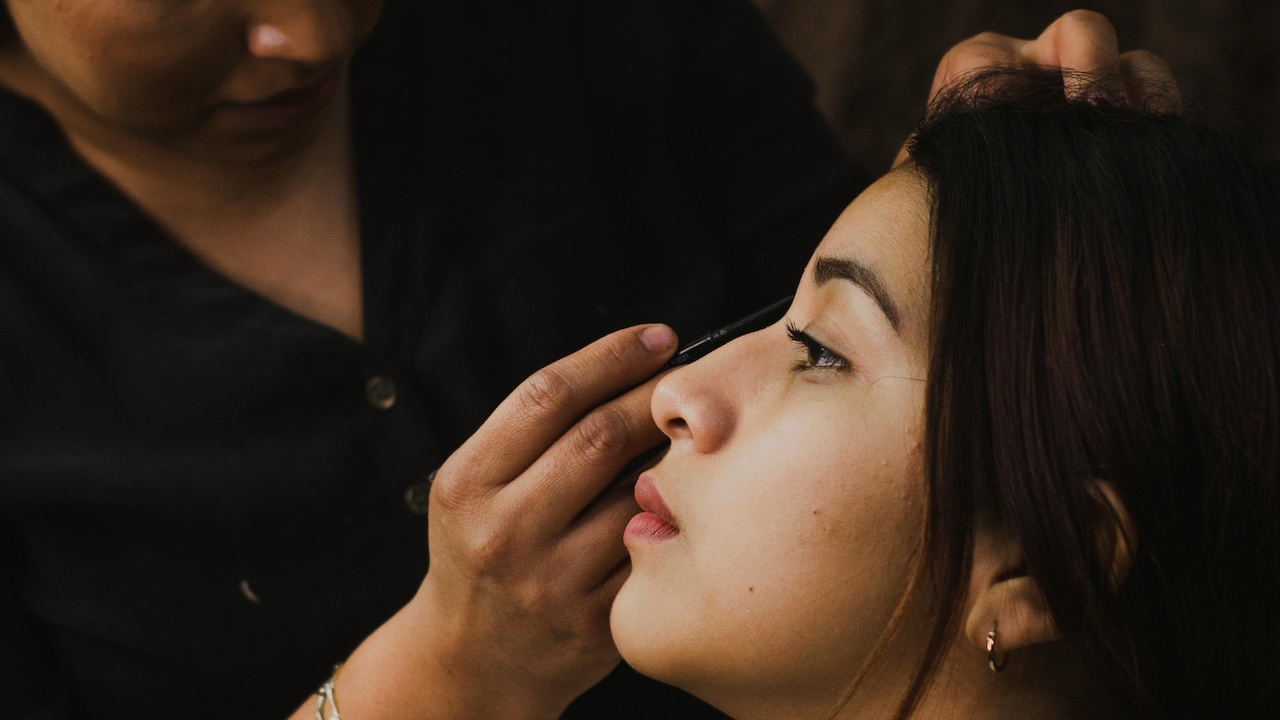
Water-based primers perform better in winter, whereas silicone primers feel better in summer; Photo Credit: Pexels
Makeup Compatibility Matters More Than Expected
Primer and foundation need to get along. Mixing water-based primers with silicone-heavy foundations can lead to pilling, where makeup rolls off instead of blending smoothly.
This mismatch often causes frustration, especially when everything looks perfect at first but starts to separate within minutes. The issue is not always the product itself but how it interacts with others.
Keeping the base consistent helps. Pairing water-based primers with water-based foundations and silicone with silicone creates a smoother finish.
This small adjustment can save both time and money. No one enjoys spending ₹1,200 on a foundation only to watch it behave unpredictably due to a mismatched primer.
Longevity Versus Comfort: The Everyday Trade-Off
Choosing a primer often comes down to a simple question: long wear or comfort? Silicone-based primers excel in keeping makeup intact for hours. They are reliable, especially for long days or special occasions.
Water-based primers, however, win when it comes to comfort. They feel lighter, less noticeable, and more breathable. For daily wear, this can make a big difference.
Wearing heavy products for extended periods can feel exhausting. A lightweight primer may not last as long, but it keeps the skin feeling fresh.
Balancing these factors helps in making a practical choice. Not every day requires full coverage and extreme longevity.
Skin Concerns Beyond Oiliness
Oily skin rarely exists in isolation. Concerns like acne, sensitivity, or enlarged pores often come along. Water-based primers tend to suit sensitive or acne-prone skin better due to their lighter formulation.
Silicone-based primers, while excellent at blurring pores, may not suit everyone dealing with breakouts. The occlusive layer can sometimes aggravate existing issues.
Reading ingredient lists and observing how skin reacts becomes important. A primer that controls oil but causes irritation is not worth the trade-off.
Choosing a product that addresses multiple concerns often leads to better long-term results.
Budget And Value: What Are You Really Paying For?
Primers come in a wide price range, from ₹300 drugstore options to premium ones costing over ₹2,000. Interestingly, price does not always guarantee better performance.
Many affordable silicone-based primers deliver impressive oil control. Similarly, budget-friendly water-based options often provide excellent hydration.
The key lies in formulation rather than branding. Testing samples or smaller sizes can prevent unnecessary spending.
Investing wisely means understanding what the skin actually needs rather than chasing expensive labels.
Finding The Right Balance For Everyday Wear
The ideal primer often depends on lifestyle. Someone with long work hours and frequent outdoor exposure may prefer silicone-based formulas for durability.
On the other hand, those who spend more time indoors or prefer minimal makeup might lean towards water-based primers.
Some even switch between the two depending on the occasion. A lightweight primer for daily errands and a silicone-based one for events creates a balanced routine.
There is no strict rule. Flexibility often leads to better results than sticking to a single product.
Products Related To This Article
1. KINDED Silicone Face Primer Gel
2. Fashion Colour Water Based Moisturizer Primer
3. RELOVE Makeup Revolution London Power Fix Primer
4. MARS Woman Pore Cure Primer
5. SWISS BEAUTY Real Make-Up Base Highlighting Primer
The debate between water-based and silicone-based primers does not have a one-size-fits-all answer. Each serves a purpose, and each brings its own strengths.
Water-based primers offer comfort, hydration, and a natural feel, making them ideal for lighter days. Silicone-based primers deliver longevity, smoothness, and strong oil control, perfect for demanding situations.
Oily skin requires a bit of experimentation. What works beautifully for one person might not suit another. Paying attention to how the skin reacts over time often reveals the best choice.
Instead of searching for a perfect primer, it helps to think in terms of the right primer for the right moment. That shift in approach turns the daily makeup routine from a struggle into something far more manageable, and even enjoyable.
(Disclaimer: This article may include references to or features of products and services made available through affiliate marketing campaigns. NDTV Convergence Limited (“NDTV”) strives to maintain editorial independence while participating in such campaigns. NDTV does not assume responsibility for the performance or claims of any featured products or services.)