Sheet Masks Vs Clay Masks: Which One Fixes Dull Skin Faster?
Sheet masks or clay masks, what revives dull skin faster? One hydrates for instant glow, the other detoxes for lasting clarity. Here’s how to choose the right fix for your skin.
Sheet Masks Vs Clay Masks: Which One Fixes Dull Skin Faster And Better?
Dull skin rarely arrives with warning. One day, the face looks fresh; the next, it appears tired, uneven, and a little lifeless. Blame it on pollution, late-night scrolling, missed hydration, or even that extra cup of cutting chai. The instinct is to reach for a quick fix, something that works before the next outing or meeting.
Sheet masks and clay masks dominate this space. Both sit proudly on store shelves, often priced anywhere between ₹100 and ₹800, depending on the brand and ingredients. One feels like a pampering spa moment; the other feels like a deep cleanse that means business. But when time is short, and expectations are high, the question becomes simple: which one actually revives dull skin faster?
The answer, however, is not as straightforward as it seems.
Sheet Masks Vs Clay Masks: Which One Actually Fixes Dull Skin Faster?
Photo Credit: Pexels
Understanding Sheet Masks Vs Clay Masks For Dull Skin
What Causes Dull Skin In The First Place?
Dull skin does not happen overnight, even though it may feel that way. Several everyday factors slowly chip away at natural radiance. Pollution plays a major role, especially in cities where dust and fumes cling stubbornly to the skin. Add irregular sleep, dehydration, and stress, and the skin starts to lose its brightness.
Dead skin cells also build up over time. Without proper exfoliation, they create a layer that blocks light reflection, making the face look flat and tired. Oily skin can trap dirt more easily, while dry skin often lacks that natural glow due to insufficient moisture.
Weather changes add another twist. Humid days can leave skin greasy, while dry seasons strip away hydration. The result remains the same, a lack of freshness.
Understanding this matters because sheet masks and clay masks target different causes. One hydrates and plumps, while the other detoxifies and clears. Choosing the faster fix depends largely on what caused the dullness in the first place.
What Exactly Are Sheet Masks?
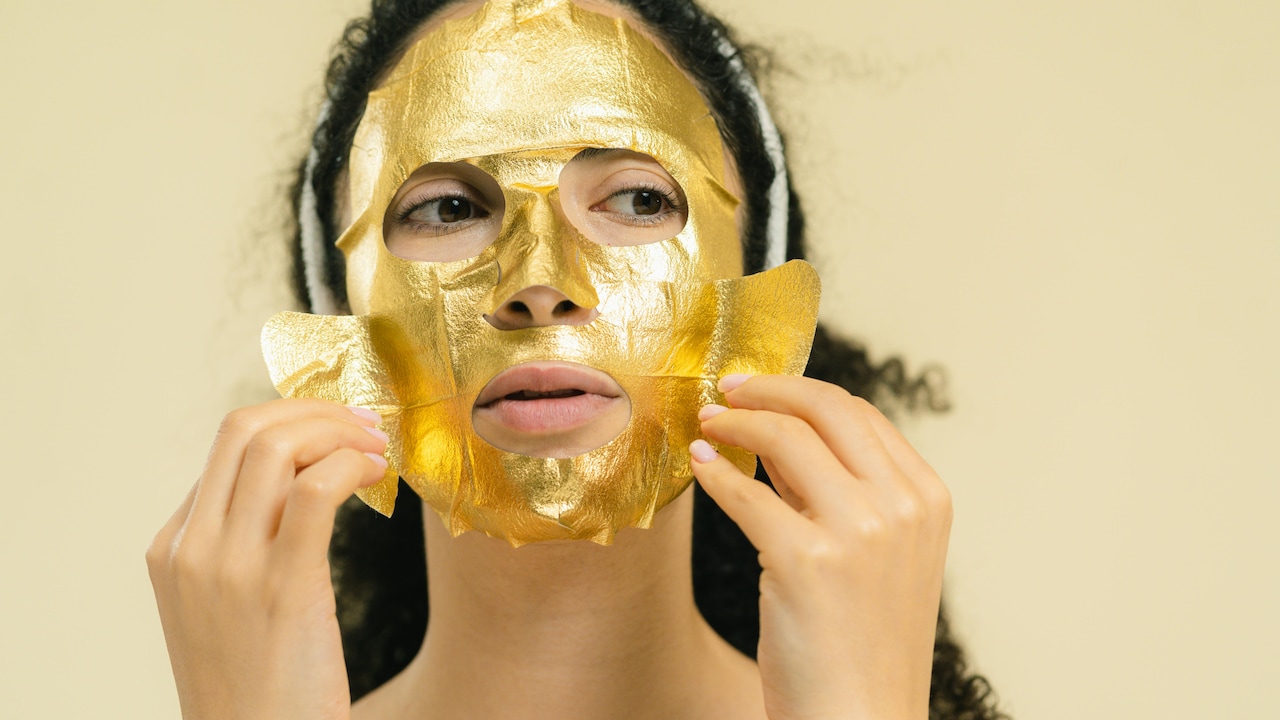
Sheet masks feel like a mini facial packed into a thin, serum-soaked fabric. Usually made from cotton, hydrogel, or bio-cellulose, these masks hug the face and deliver concentrated ingredients directly into the skin.
The appeal lies in convenience. No mixing, no mess. Just open the packet, apply, and relax. After about 15 to 20 minutes, the skin often feels softer and looks noticeably brighter. That instant glow explains why sheet masks have become a go-to before weddings, dates, or even a quick video call.
The serum inside often contains ingredients like hyaluronic acid, vitamin C, or niacinamide. These work to hydrate, brighten, and even out the complexion. For someone dealing with dryness or fatigue, this can feel like a quick rescue.
However, sheet masks mainly work on the surface level. They provide hydration and temporary radiance rather than deep cleansing. Think of them as a refreshing splash rather than a full reset.
What Exactly Are Clay Masks?
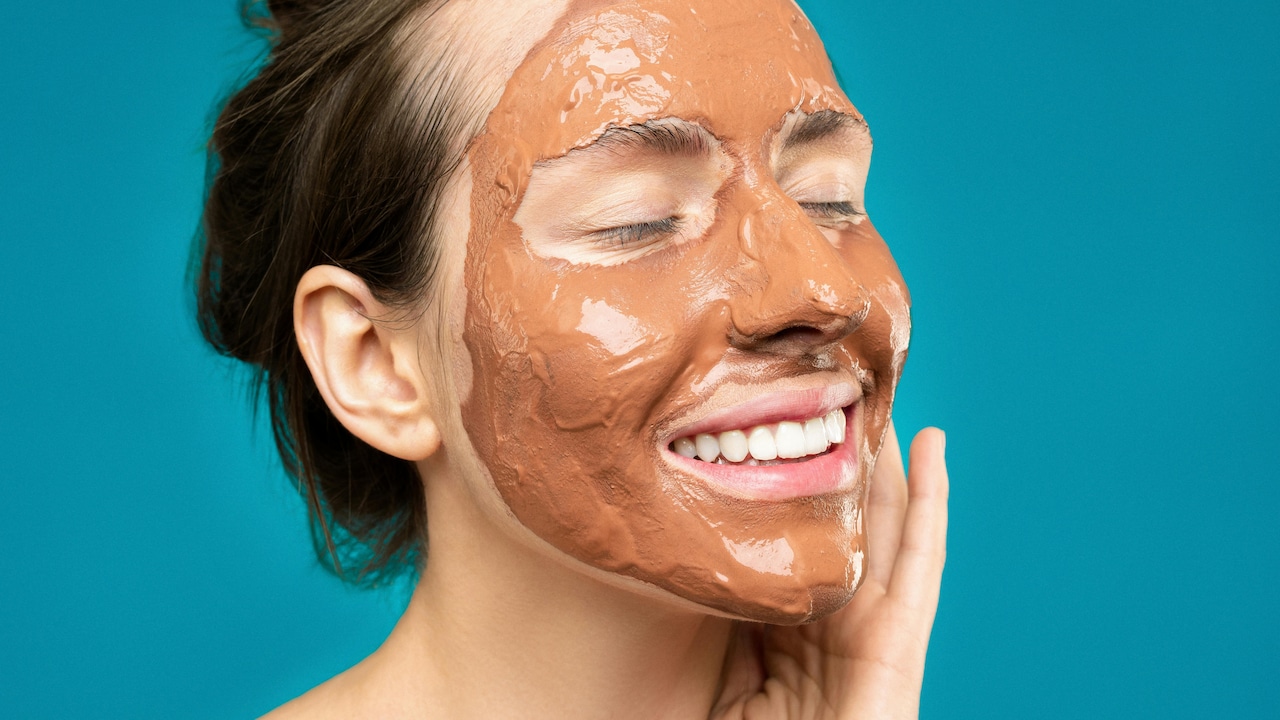
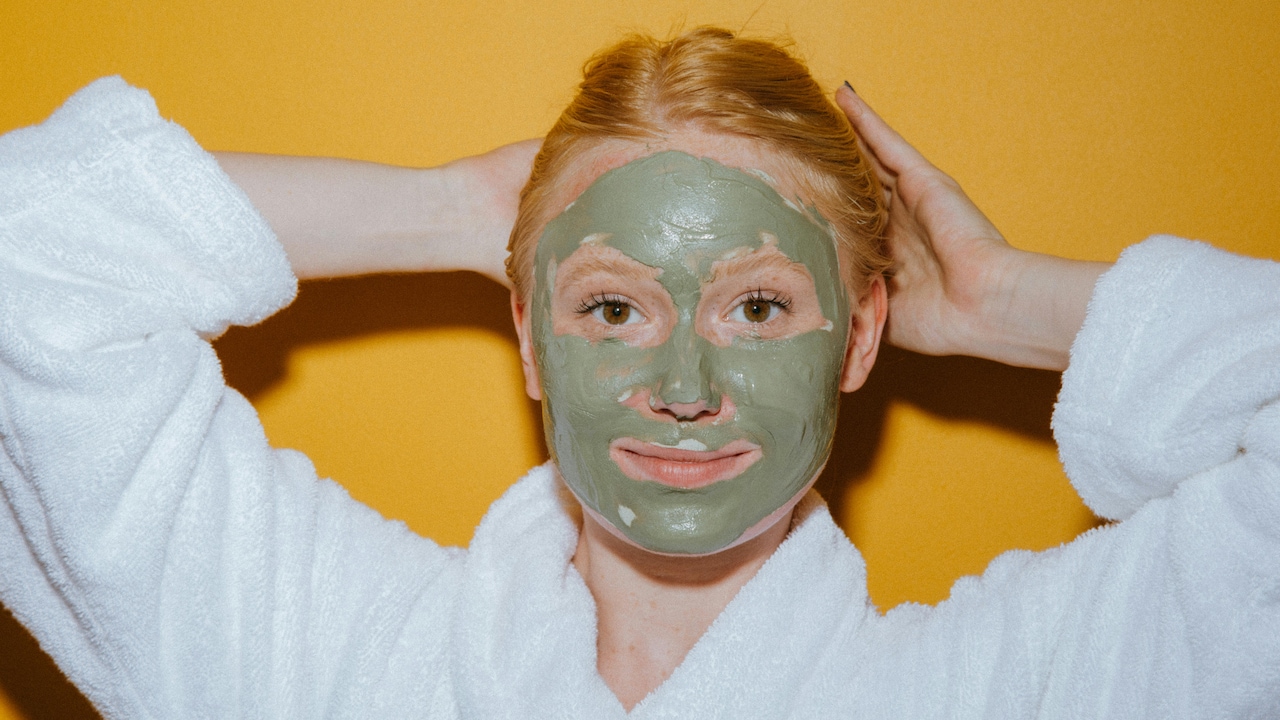
Clay masks take a very different approach. Instead of adding moisture, they focus on removing impurities. Made from natural clays like kaolin or bentonite, these masks absorb oil, dirt, and toxins from the skin.
Applying a clay mask feels slightly indulgent yet serious. It dries on the face, tightening as it works. That tightening sensation signals the mask pulling out excess oil and unclogging pores.
For those dealing with oily or acne-prone skin, clay masks often feel transformative. After rinsing, the skin appears cleaner, smoother, and less congested. The brightness that follows comes from removing buildup rather than adding hydration.
However, clay masks can sometimes feel drying if overused. The skin may need a moisturiser afterwards to restore balance.
In essence, clay masks act like a deep cleanse. They do not just mask dullness, they address one of its root causes.
Speed Of Results: Instant Glow Vs Gradual Clarity
When it comes to speed, sheet masks often win the first impression game. Within 20 minutes, the skin looks dewy and refreshed. This makes them perfect for last-minute plans. That glow, however, tends to fade within a day or two.
Clay masks, on the other hand, may not deliver that instant “wow” factor. The results feel more subtle at first. Yet, over time, they improve skin clarity and reduce dullness at its source.
Imagine preparing for a festive evening. A sheet mask delivers immediate radiance that works beautifully under makeup. A clay mask, however, works better as part of a routine leading up to the event.
So, if the question focuses strictly on speed, sheet masks take the lead. But if the goal involves longer-lasting brightness, clay masks slowly but surely pull ahead.
Hydration Vs Detox: What Does Dull Skin Need More?
The real debate lies in what dull skin actually needs, hydration or detox. Dry skin often looks lifeless because it lacks moisture. In such cases, sheet masks act like a quick drink of water for the skin, restoring plumpness and shine.
Oily or congested skin tells a different story. Here, dullness often comes from clogged pores and excess sebum. Clay masks step in to clear these blockages, allowing the skin to breathe again.
Choosing incorrectly can lead to disappointment. Applying a clay mask on already dry skin may worsen dullness. Similarly, using a sheet mask on heavily congested skin might not address the root issue.
A simple observation helps. If the skin feels tight and flaky, hydration works best. If it feels greasy yet dull, detoxing becomes essential.
Sheet Masks Vs Clay Masks: Which One Actually Fixes Dull Skin Faster?
Photo Credit: Pexels
Texture And Experience: The Feel Matters
Skincare is not just about results, it is also about the experience. Sheet masks offer a relaxing, almost indulgent ritual. Lying back with a cool mask feels refreshing, especially after a long day.
Clay masks, however, feel more functional. The drying sensation can feel slightly uncomfortable, but it brings a sense of deep cleansing. It is less about pampering and more about results.
The experience often influences consistency. People who enjoy the process tend to use the product more regularly, which ultimately improves results.
So, while sheet masks win in comfort, clay masks appeal to those who prefer a more “hard-working” skincare routine.
Cost And Accessibility: What Fits Everyday Life?
Sheet masks often seem affordable at first glance, with many priced around ₹100 to ₹300. However, frequent use can add up quickly. Using one every week may cost a significant amount over time.
Clay masks usually come in tubs and last longer. A single purchase, often priced between ₹300 to ₹800, can last several months. This makes them more cost-effective for regular use.
Accessibility also matters. Sheet masks are widely available in supermarkets, pharmacies, and online stores. Clay masks, while equally common, require a bit more effort in application and removal.
For someone balancing budgets and busy schedules, clay masks may offer better value. But for occasional indulgence, sheet masks remain an easy choice.
Also Read: Why Do Sheet Masks Feel Useless? What Ingredients Actually Deliver Results
Suitability For Different Skin Types
Not all skin reacts the same way. Sheet masks suit almost everyone, especially those with dry or sensitive skin. Their gentle nature makes them easy to incorporate without much risk.
Clay masks work best for oily and combination skin. They help control shine and prevent breakouts. However, those with sensitive skin need to choose milder formulations to avoid irritation.
Understanding skin type prevents unnecessary trial and error. It also ensures that the chosen mask delivers the expected results without side effects.
Frequency Of Use And Long-Term Benefits
Sheet masks can be used frequently, even two to three times a week, depending on the formulation. Their gentle hydration supports regular use without overwhelming the skin.
Clay masks, however, require moderation. Using them once or twice a week works best. Overuse may strip the skin of natural oils, leading to an imbalance.
In the long run, clay masks contribute to clearer, healthier skin. Sheet masks maintain hydration and enhance overall appearance.
Combining both in a routine often delivers the best results. A clay mask once a week followed by a sheet mask can balance detox and hydration effectively.
The Final Verdict: Which Works Faster?
If speed remains the only factor, sheet masks clearly take the crown. They deliver visible brightness in minutes, making them ideal for quick fixes.
However, this glow tends to be temporary. Clay masks, while slower, create a more lasting improvement by addressing deeper issues.
The real answer depends on expectations. For instant radiance, sheet masks win. For sustained clarity, clay masks prove more effective.
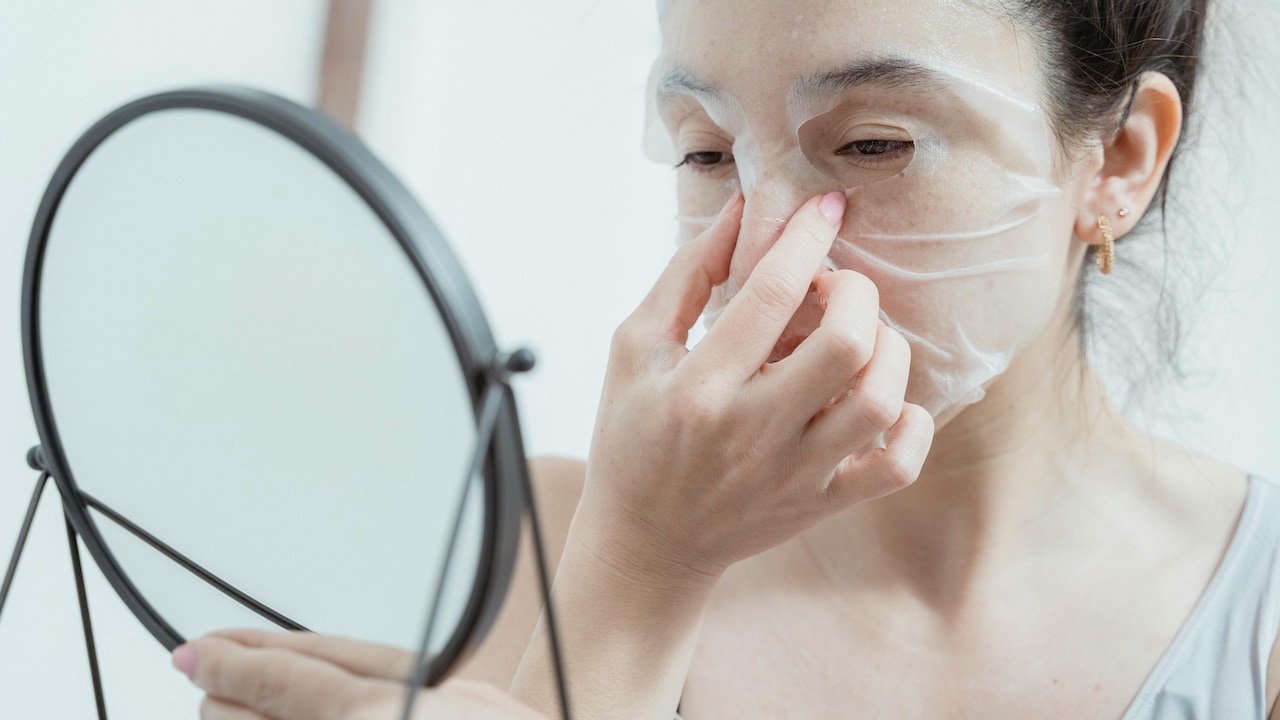
Sheet Masks Vs Clay Masks: Which One Actually Fixes Dull Skin Faster?
Photo Credit: Pexels
Products Related To This Article
1. GARNIER Skin Naturals, Sheet Mask, Hydrating & Increases Glow, Sakura Glow (28 g)
2. Foxtale Detan Skin Radiance Mask|Lactic Acid & Brazilian Purple Clay, Non-drying (75 g)
3. Sanfe Papaya Face Sheet Mask 25gm Pack of 4| For radiant & glowing skin (25 g)
4. Amazer Care Moroccan Red Clay Powder (2 Pouches, 225gm each) Natural Face Mask & Skin Care (450 g)
5. Mirabelle Fairness Sheet Mask for Intense Hydration, Made In Korea, Pack of 6 (25 ml)
6. Dot & Key Vitamin C Pink Clay Face Mask for Glowing Skin with Vitamin E, Fades Dark Spots (85 g)
7. O3+ Facialist Brightening Face Sheet Mask with Glycolic Acid for Even & Radiant Facial Skin Tone Ideal for All Skin Types (30 g)
Dull skin rarely needs a one-size-fits-all solution. Sheet masks and clay masks both offer unique benefits, but their effectiveness depends on the situation. One delivers quick hydration and glow, while the other clears impurities and builds long-term brightness.
For those last-minute plans or sudden video calls, sheet masks act like a reliable shortcut. For ongoing skincare routines, clay masks provide a deeper, more meaningful transformation.
Rather than choosing one over the other, blending both into a routine often works best. A thoughtful balance ensures that the skin not only looks good today but continues to glow tomorrow.
In the end, glowing skin is not about choosing sides; it is about understanding what the skin truly needs and responding accordingly.
(Disclaimer: This article may include references to or features of products and services made available through affiliate marketing campaigns. NDTV Convergence Limited (“NDTV”) strives to maintain editorial independence while participating in such campaigns. NDTV does not assume responsibility for the performance or claims of any featured products or services.)