Greasy Hair After Washing? 10 Common Reasons Your Hair Gets Oily So Fast
Freshly washed hair turning greasy within hours is not bad hygiene. From overwashing to water quality and product misuse, this article explains why clean hair feels oily so fast and whats really triggering it. Here are 10 habits that cause greasy hair post washing.
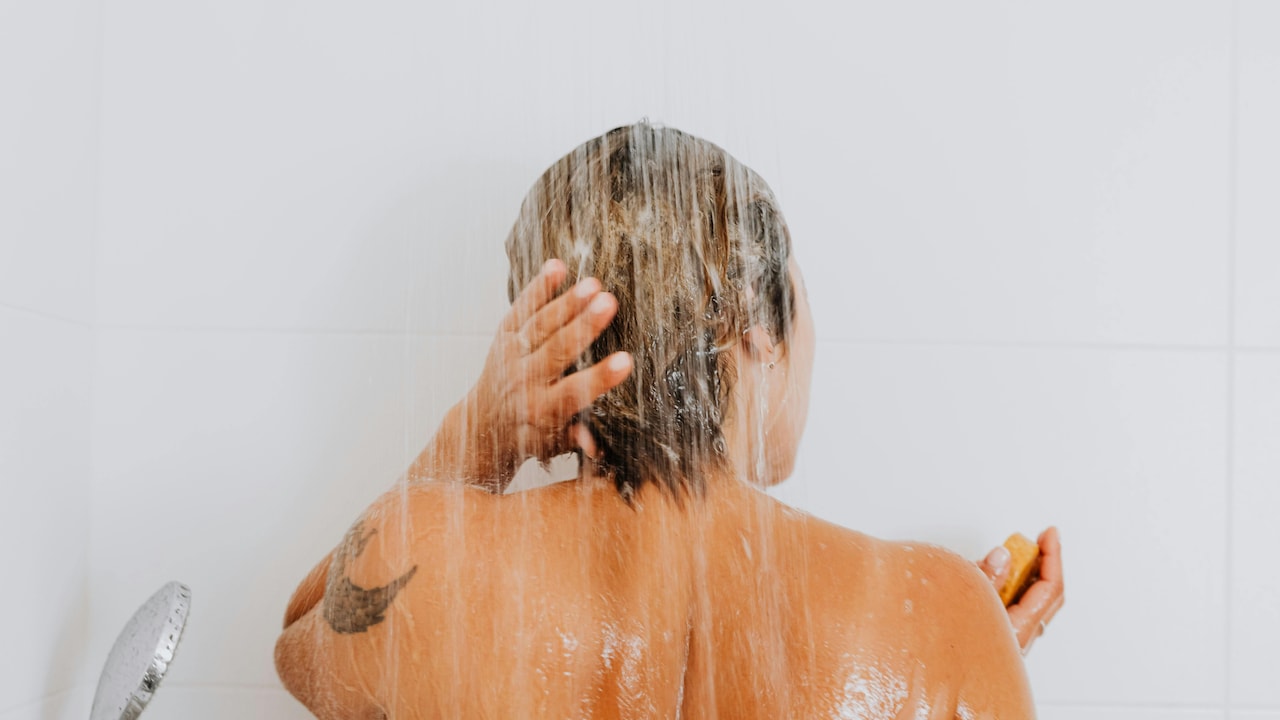
Greasy Hair After Washing? Here Are The Top 10 Reasons Your Clean Hair Feels Oily So Quickly.
Hair wash day often starts with hope. The shampoo lathers well, the scalp feels squeaky clean, and the towel dries hair that smells fresh. A few hours later, reality hits. Roots turn oily, strands cling together, and confidence takes a dip. Many assume oily hair means poor hygiene, yet the truth works in the opposite direction. Greasy hair after washing usually signals an imbalance. The scalp reacts strongly to daily routines, climate, water, diet, and even stress levels. Warm weather, pollution, and hectic schedules only add fuel to the fire. Understanding the reasons behind this oily rebound helps break the cycle of over-washing, harsh products, and constant frustration.
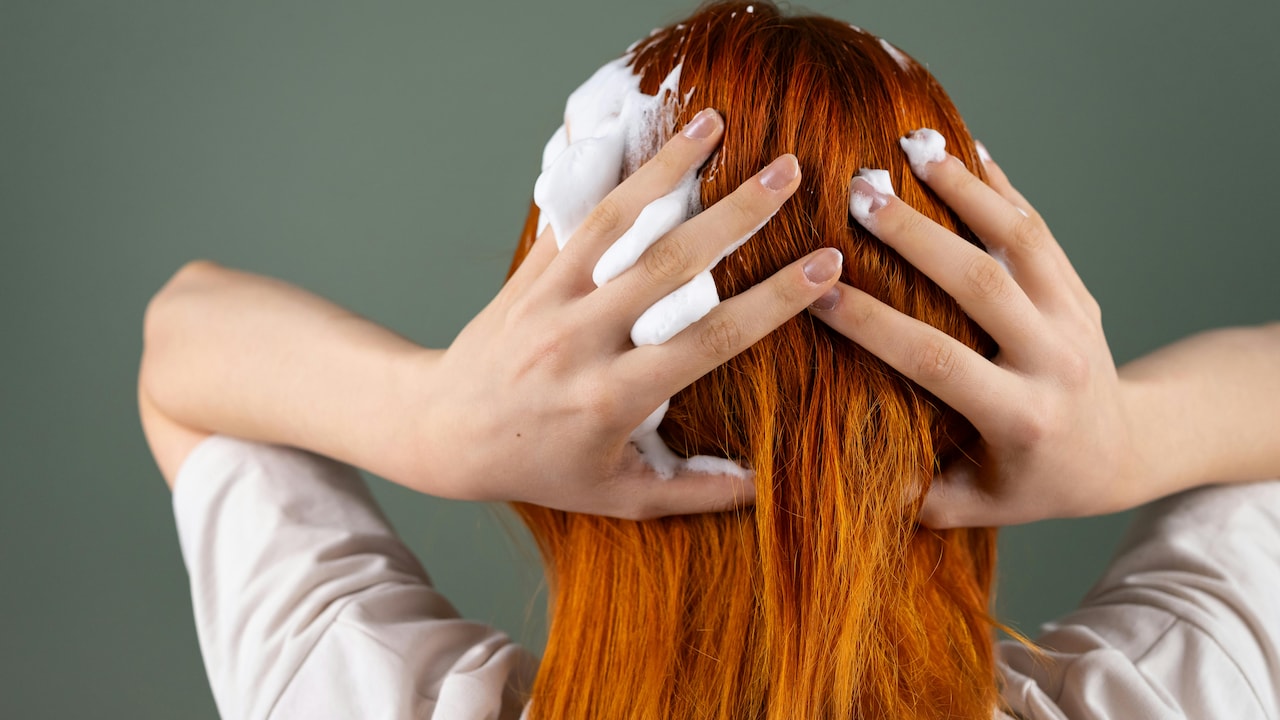
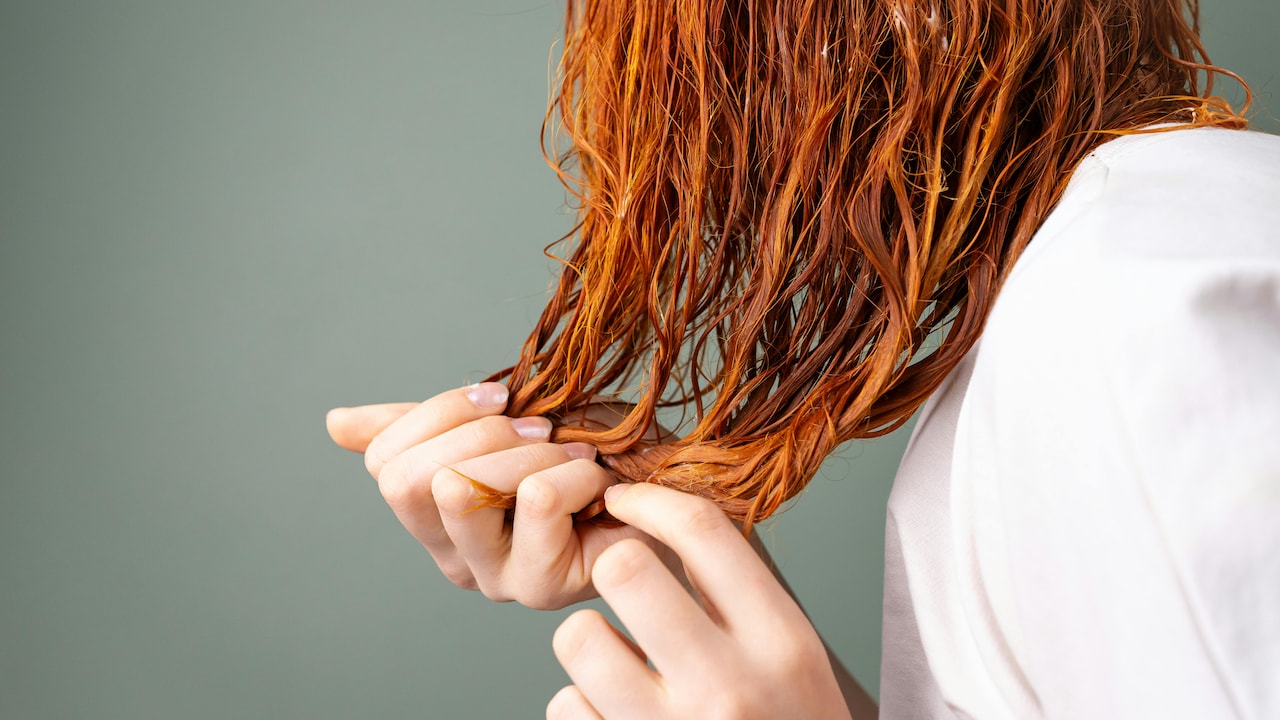
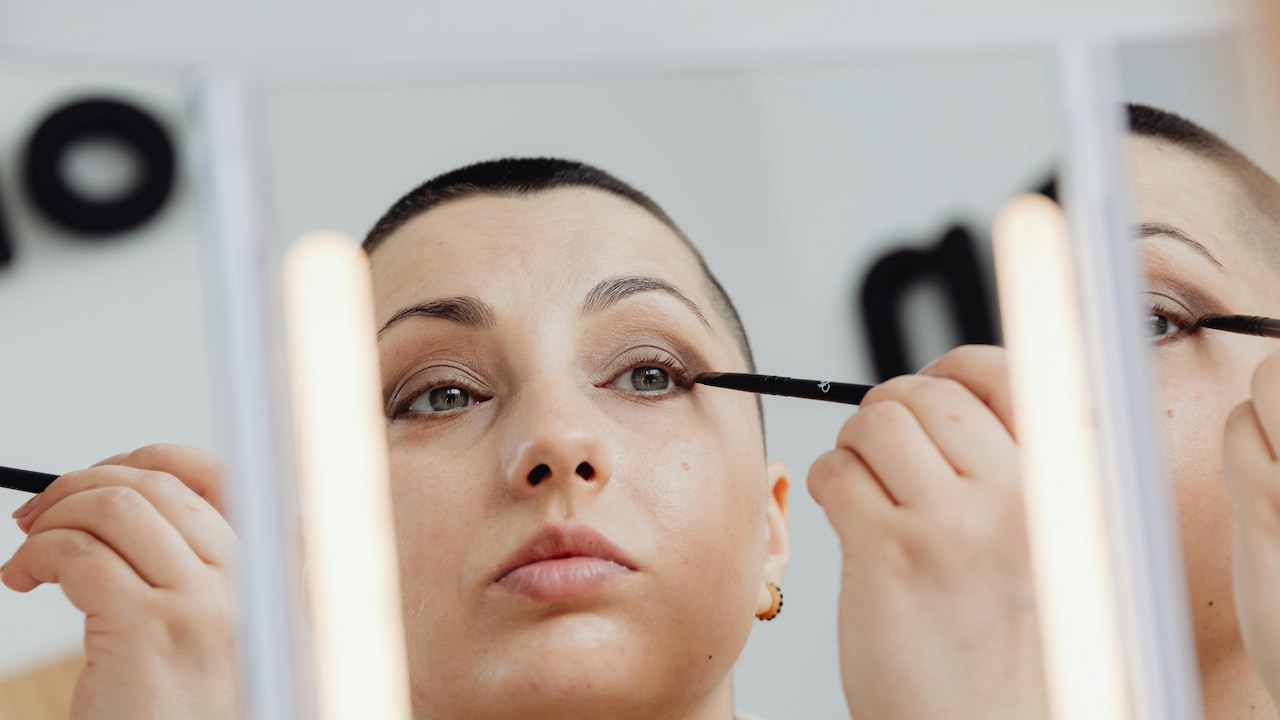
Discover common reasons that might be causing your hair to become greasy post-washing; Photo Credit: Pexels
This guide walks through the most common reasons hair turns greasy so quickly after a wash, explained in simple terms. Expect relatable examples, cultural nods, and practical insights that fit everyday life without fancy jargon or unrealistic routines.
Also Read: Why These Top 7 Budget Shampoos Perform As Well As Premium Brands
Why Your Hair Turns Greasy So Soon After Washing
1. Overwashing Strips the Scalp of Balance
Frequent washing feels like the safest solution for greasy hair. Ironically, it often causes the exact opposite. Shampooing every day strips the scalp of its natural oils. In response, the scalp panics and produces even more oil to protect itself. This oil rush coats the roots faster than expected.
Busy mornings, workouts, and sticky weather tempt people to shampoo daily. Over time, hair gets trapped in a cycle where grease appears sooner after each wash. The scalp never gets the chance to regulate itself.
Switching to washing every other day helps many people. During the first week, hair may feel oilier than usual. That phase passes as the scalp slowly learns to calm down. Gentle cleansing allows natural oils to spread evenly instead of pooling at the roots.
Healthy hair thrives on balance, not extremes. Less washing often leads to lighter, fresher hair in the long run, even if patience feels hard at the start.
2. Using the Wrong Shampoo for Hair Type
Not all shampoos suit all heads. Many products promise shine, smoothness, or repair but contain heavy oils and silicones. These ingredients weigh down fine or oily hair, making it greasy soon after washing.
A creamy shampoo designed for dry hair feels luxurious but suffocates an oily scalp. Roots look flat while ends feel sticky. Labels matter more than brand popularity or price. A ₹250 shampoo that matches hair needs works better than a ₹1,200 one that does not.
Clarifying shampoos help remove build-up but should not be used daily. For regular washes, lightweight formulas labelled “volumising” or “oil-control” suit greasy scalps better.
Choosing products based on scalp type, not hair length, makes a huge difference. The scalp sets the tone. When it stays happy, the rest of the hair usually follows.
3. Conditioner Touching the Scalp
Conditioner often gets blamed unfairly. The real issue lies in where it gets applied. Conditioner belongs on the lengths and ends, not on the scalp. Applying it too close to the roots coats the scalp with moisturising agents that attract dirt and oil.
Many people rush through the conditioning step, spreading it from top to bottom. This habit weighs hair down and speeds up greasiness. Fine hair feels the effect even faster.
Applying conditioner from mid-length to ends keeps hair soft without affecting scalp health. Leaving it on for the recommended time, then rinsing thoroughly, prevents residue build-up.
Conditioner acts like a good guest. It supports hair when invited, but causes trouble when it overstays or wanders into the wrong space.
4. Hard Water Leaves Residue Behind
Water quality plays a bigger role than most realise. Hard water contains minerals like calcium and magnesium. These minerals stick to the scalp and hair, creating a film that traps oil and dirt.
Many urban homes face hard water issues. Hair washed in such water often feels squeaky during rinsing but greasy soon after drying. Shampoo struggles to rinse off fully, leaving residue behind.
Installing a shower filter helps reduce mineral content. Using a chelating shampoo once a week also helps remove mineral build-up. These shampoos cleanse deeply without stripping natural oils.
Soft, clean water allows hair products to work properly. Without mineral interference, hair stays lighter and fresher for longer periods.
5. Touching Hair Too Often During the Day
Fidgeting fingers act as oil carriers. Touching hair repeatedly transfers oil from hands to strands. Adjusting hair, twirling ends, or pushing hair away from the face all add to the grease problem.
Long work hours, phone calls, and screen time increase this habit without conscious awareness. Each touch leaves a trace of oil, dust, or sweat behind.
Keeping hands away from hair helps reduce unnecessary oil transfer. Tying hair loosely or using hair clips during work hours reduces temptation. Clean hands also matter, especially after meals or travel.
Hair stays cleaner when it gets left alone. Less fuss often brings better results than constant fixing.
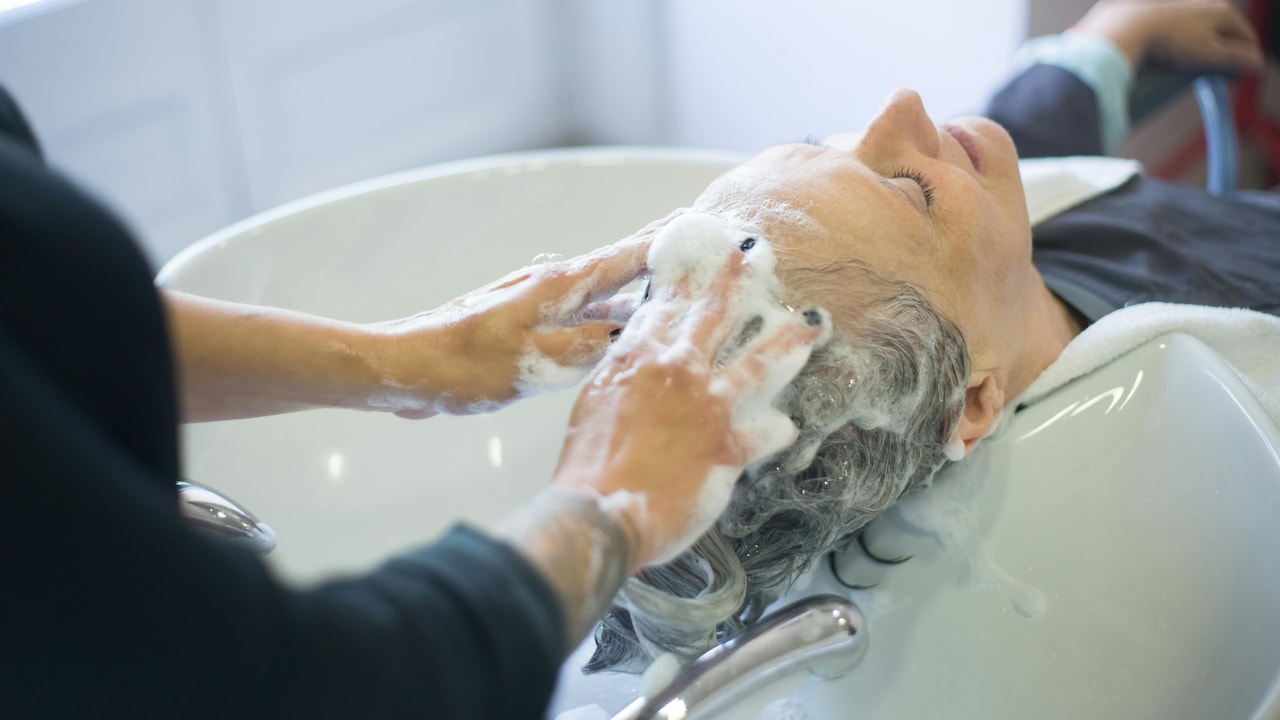
Touching your hair often throughout the day can transfer oil from your hands to the strands; Photo Credit: Pexels
6. Excessive Use of Dry Shampoo and Styling Products
Dry shampoo saves bad hair days, yet overuse causes build-up. Styling products like serums, waxes, and creams also add layers to the scalp. These layers mix with oil and sweat, creating greasy roots quickly.
Using dry shampoo every day without washing clogs pores and confuses the scalp. Hair may look fresh for a few hours but feels heavier with each application.
Limiting dry shampoo to emergencies works best. Choosing lightweight styling products and using them sparingly keeps hair breathable.
Clean hair needs space. Letting the scalp breathe between products improves oil control and overall hair health.
7. Diet Rich in Oily and Sugary Foods
What goes into the body reflects on the scalp. Diets heavy in fried snacks, sweets, and refined carbs stimulate oil glands. This internal oil production shows up externally as greasy hair and skin.
Festival seasons, weddings, and late-night cravings often disrupt eating patterns. The scalp reacts quickly to such changes.
Balancing meals with fruits, vegetables, whole grains, and adequate water supports healthier oil production. Foods rich in zinc and vitamin B help regulate sebum levels.
Hair responds kindly to balanced nutrition. Small dietary changes often lead to noticeable improvements within weeks.
8. Hormonal Fluctuations and Stress
Hormones control oil production. Changes during puberty, menstrual cycles, pregnancy, or stressful phases increase sebum output. Emotional stress also triggers hormonal responses that affect the scalp.
Deadlines, exams, family responsibilities, and city traffic all add to daily stress. The body reacts in subtle ways, including oilier hair.
Managing stress through sleep, exercise, and relaxation techniques supports hormonal balance. Even short walks or breathing exercises help.
Greasy hair sometimes signals the body asking for rest. Listening to that signal benefits both mind and scalp.
9. Not Rinsing Shampoo Properly
Rushed mornings often lead to incomplete rinsing. Shampoo residue stays behind, mixing with oil and dirt. This residue weighs hair down and attracts grime.
Thick hair and hard water make rinsing more challenging. Spending extra time rinsing ensures no product remains trapped.
Using lukewarm water helps remove residue better than hot water. A final cool rinse adds shine without adding oil.
Clean hair starts with a clean rinse. That extra minute under the shower makes a visible difference.
10. Climate, Pollution, and Daily Commute
Warm weather and humidity stimulate sweat glands. Pollution particles cling to oily roots, making hair feel dirty faster. Daily travel through traffic exposes hair to dust and smoke.
Covering hair during commutes helps reduce exposure. Washing pillowcases regularly also prevents oil transfer during sleep.
Choosing hairstyles that keep hair off the face reduces sweat and oil build-up. Light scarves or dupattas protect hair without suffocating it.
Hair lives in the same environment as the rest of the body. Protecting it from daily elements helps maintain freshness longer.
Products Related To This Article
1. Pilgrim Korean Rice Water & Collagen Advanced Damage Repair Shampoo
2. Clinic Plus Strong & Long, Healthy Hair Shampoo with Milk protein & Multivitamins
3. The Plant Fix Plix Rosemary Advanced Anti Hair Fall Shampoo
4. Godrej Professional Keracare Repair Shampoo 250ml
5. Nat Habit Hibiscus Shampoo for Women & Men
6. DOVE Hair fall Rescue Shampoo with bio Protien Care
7. L'Oréal Paris Total Repair 5 Shampoo
Greasy hair after washing feels frustrating, yet it rarely points to poor hygiene. More often, it signals imbalance. Overwashing, unsuitable products, water quality, diet, stress, and daily habits all play their part.
Understanding these triggers empowers better choices. Small adjustments, like switching shampoos or changing washing frequency, create visible improvements. Patience matters, as the scalp takes time to reset.
Healthy hair does not demand perfection. It responds best to consistency, care, and a little kindness. When the scalp feels understood, hair follows suit, staying lighter, fresher, and far less greasy after each wash.
(Disclaimer: This article may include references to or features of products and services made available through affiliate marketing campaigns. NDTV Convergence Limited (“NDTV”) strives to maintain editorial independence while participating in such campaigns. NDTV does not assume responsibility for the performance or claims of any featured products or services.)