Hair Serums Causing Build-up? How Much Serum Is Too Much and How To Use It Right
Hair serums can smooth frizz, but overuse often leads to dull, greasy hair. Learn how product build-up happens, how much serum is actually enough, and simple ways to keep hair light, clean and healthy. Say goodbye to product buildup from hair serums with these easy tips.

Hair Serums Causing Build-up? Avoid Product Build-up And Learn How Much Is Too Much.
Hair serums enjoy superstar status on bathroom shelves. A few drops claim to tame flyaways, protect from heat and add instant shine. For busy mornings, they feel like a blessing. Yet, the same product often gets blamed when hair starts looking flat, sticky or oddly lifeless.
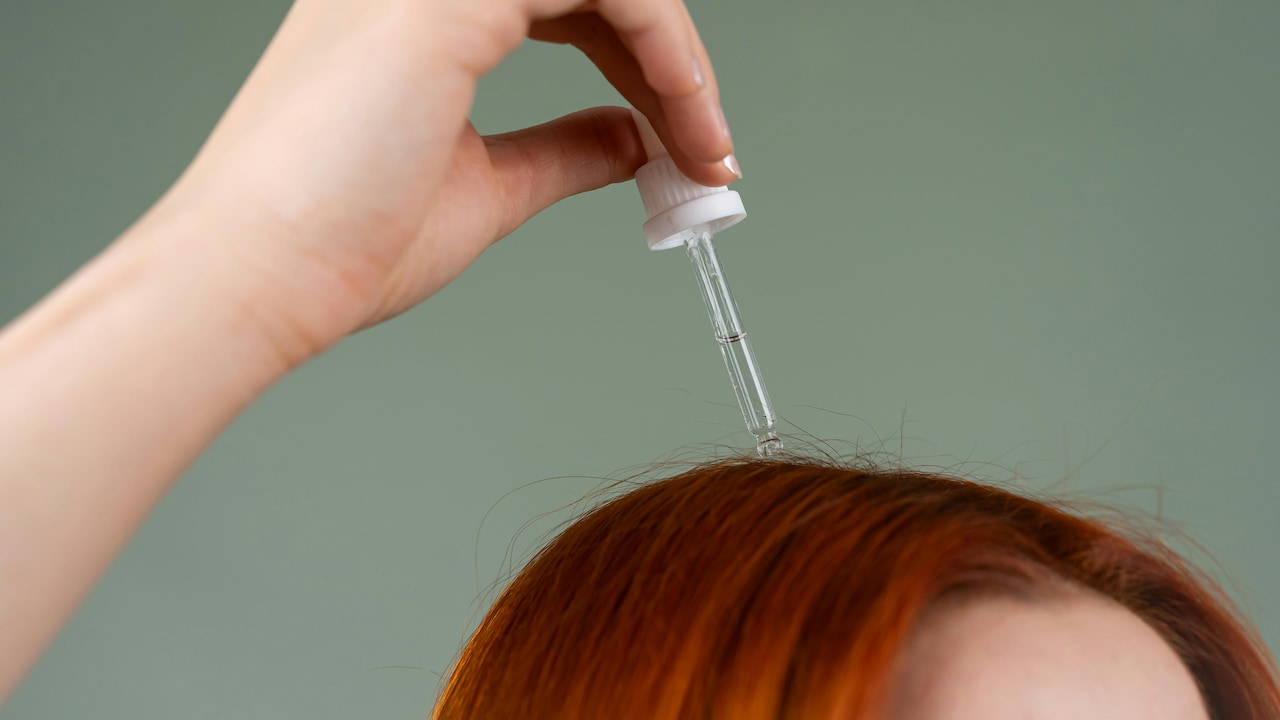
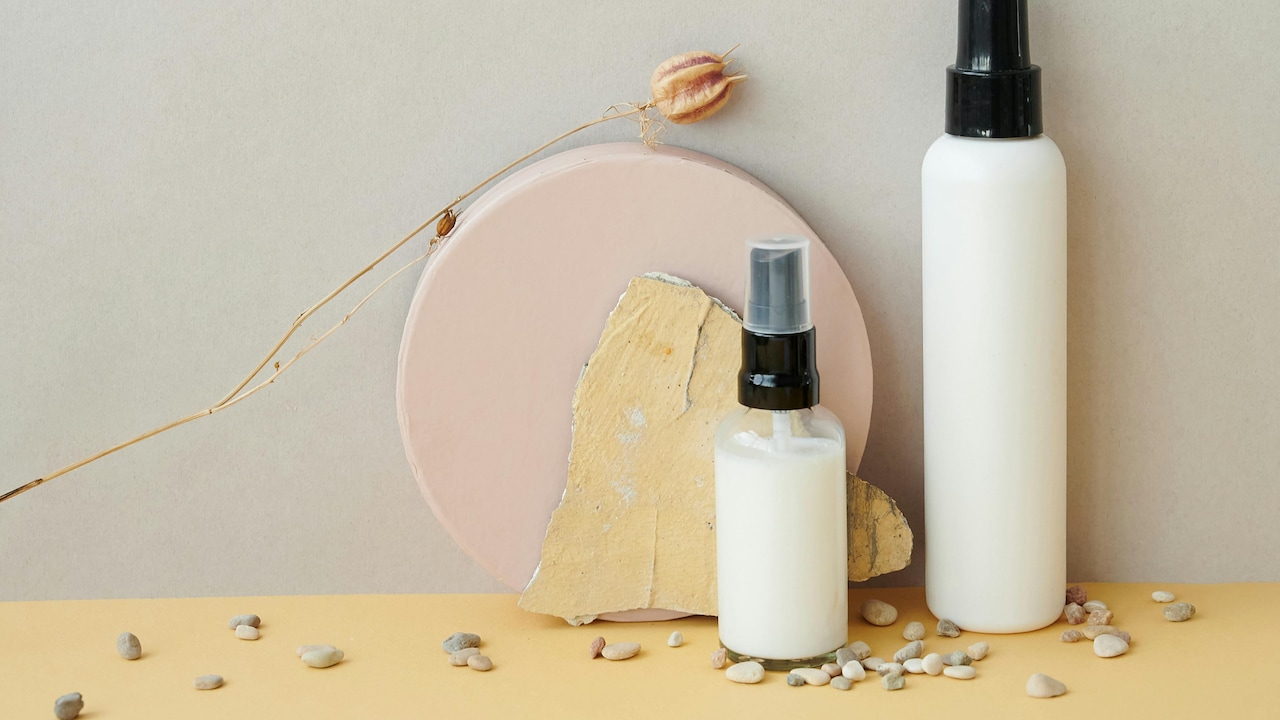
Try these easy tips to prevent product buildup from hair serums; Photo Credit: Pexels
Build-up rarely happens overnight. It grows slowly, much like dust settling on furniture. Each extra pump, each skipped wash, each layer over already coated strands adds up. Soon, hair stops behaving. Styling takes longer, shampoo feels less effective, and the scalp turns oily faster than usual.
Understanding hair serums matters more than avoiding them. Used correctly, they help hair look its best. Used carelessly, they weigh it down. This guide explores how serums cause build-up, how much is too much, and how to enjoy their benefits without sacrificing hair health. Expect practical tips, relatable examples and a few gentle reminders that sometimes, less really does more.
Also Read: 5 Best Hair Serums For Split Ends: Quick Fixes for Smooth, Healthy Hair
Why Hair Serums Stop Working and Start Weighing Hair Down
1. What Exactly Is Hair Serum and Why Do People Love It?
Hair serum sits somewhere between skincare and styling. Unlike oils, serums rely on lightweight silicones and conditioning agents that coat the hair shaft. This coating smooths rough cuticles, reflects light and reduces friction. The result feels instant and satisfying.
People love serums because they deliver visible results in seconds. A rushed college student heading to class, a professional racing to a morning meeting, or a wedding guest battling humidity all reach for that small bottle. One pump transforms dry ends into polished lengths.
The problem begins when serums get treated like oils. Oils nourish from within when used properly. Serums sit on the surface. That surface-level magic needs restraint. Applying serum daily without washing hair traps dirt, sweat and pollution under the coating.
Hair also adapts. What once felt silky starts feeling heavy. The shine dulls, and strands clump together. The serum still sits there, but hair no longer responds. Understanding this difference sets the stage for avoiding build-up while keeping the benefits intact.
2. How Product Build-up Creeps In Without Warning
Product build-up never announces its arrival. It sneaks in through habits that seem harmless. Using serum on damp hair, then again after styling. Adding extra drops on day two to revive shine. Skipping a wash because hair “looks fine”.
Each layer sticks to the previous one. Silicones resist water, so regular shampoos struggle to remove them completely. Dust from traffic, smoke from street food stalls, and everyday sweat cling to the coated strands.
Over time, hair feels coated rather than clean. The scalp may itch, yet the lengths feel greasy. Shampoo lathers less, tempting more product use. The cycle tightens.
Build-up also blocks moisture. Masks and conditioners stop penetrating properly. Hair feels dry despite heavy products. This contradiction confuses many people. The truth remains simple: too much of a good thing turns into clutter. Recognising early signs prevents weeks of frustration and emergency salon visits that cost ₹1,500 or more.
3. Signs That Hair Has Had Enough Serum
Hair communicates clearly when listened to. The first sign often appears at the roots. Hair looks oily within a day, even after washing. The second clue shows up in texture. Strands feel sticky or waxy instead of soft.
Styling becomes difficult. Straighteners fail to glide smoothly. Curls refuse to hold shape. Hair attracts more dust, especially during long commutes or outdoor errands.
Another sign appears during washing. Shampoo refuses to foam, no matter how much is poured. People often blame the shampoo, not realising that residue coats every strand.
Scalp issues follow. Mild itching, flakes or small bumps appear. The scalp struggles to breathe under layers of product. Ignoring these signs leads to bigger problems like hair fall and breakage.
Spotting these changes early helps reset the routine. Hair does not need punishment or drastic treatments. It needs clarity, balance and a break from excess.
4. How Much Hair Serum Is Actually Enough?
The golden rule of serum use feels almost disappointing: less than expected. For short hair, half a pump often suffices. Shoulder-length hair usually needs one pump. Long hair rarely needs more than one and a half.
The mistake lies in spreading serum too close to the scalp. Serums belong on mid-lengths and ends. These areas face the most damage and dryness. Roots already receive natural oils.
Another tip involves application technique. Warm the serum between palms before use. This spreads it evenly and prevents concentrated patches. Focus on scrunching or smoothing gently rather than rubbing aggressively.
Using more does not increase shine. It increases residue. Hair reflects light best when clean and lightly coated, not smothered.
Adjust quantity based on the weather, too. Humid monsoon days require less. Dry winters may need slightly more. Listening to hair instead of following fixed rules makes all the difference.
5. Daily Serum Use: Smart Habit or Silent Mistake?
Daily serum use divides opinion. Some swear by it. Others regret it. The truth depends on hair type, environment and washing frequency.
People who wash their hair every other day can handle light daily use. Those who wash twice a week should reduce frequency. Applying serum every day without washing traps layers.
Consider lifestyle. Long hours outdoors, travel on dusty roads, and gym sessions increase residue. In such cases, less frequent serum use works better.
Another factor involves product formulation. Lightweight, water-based serums cause less build-up than heavy silicone blends. Reading labels helps, though marketing jargon often confuses.
A smarter approach treats serum like makeup. Apply when needed, remove regularly. Hair deserves clean breaks. Skipping serum occasionally allows natural texture to breathe. Surprisingly, hair often looks better after a short detox.

Use lightweight and water-based serums to reduce the chances of buildup on scalp; Photo Credit: Pexels
6. Shampoo Choices That Help Fight Build-up
Not all shampoos tackle build-up effectively. Mild daily shampoos clean gently but struggle against silicone layers. This does not mean switching to harsh products.
Clarifying shampoos play a role. Used once every two or three weeks, they reset hair completely. These shampoos remove residue, mineral deposits and excess oil.
However, overuse strips natural moisture. Balance remains key. Follow clarifying washes with a nourishing conditioner or mask, focusing only on lengths.
Another helpful option includes sulphate-free shampoos with good surfactants. They clean without excessive dryness. Rotating shampoos works well. Use a regular one for routine washes and a clarifying one occasionally.
Ignoring shampoo choice leads to frustration. Hair responds best when cleansing matches styling habits. The right shampoo saves money, time and unnecessary treatments costing ₹2,000 at salons.
7. Layering Products: When Serum Meets Oil and Creams
Layering products feels tempting. Oil for nourishment, cream for styling, serum for shine. Each promises something different. Together, they often create chaos.
Applying oil before serum traps oil under silicone. This blocks absorption and increases greasiness. Applying cream after serum causes uneven coating.
The order matters. Oil works best on wash days before shampoo or on damp hair in small amounts. Creams suit styling before heat tools. Serum finishes the look, lightly and sparingly.
Using all three daily rarely benefits hair. Choose based on need. Dry ends may need cream. Frizz may need serum. Scalp issues may need oil treatments occasionally.
Simplifying routines improves hair health. A crowded shelf does not equal better hair. Thoughtful choices beat enthusiastic layering every time.
8. Weather, Pollution and Hair Serum Behaviour
Hair behaves differently across seasons. Summer sweat mixes with serum, creating greasy roots. Monsoon humidity amplifies heaviness. Winter dryness tempts overuse.
Pollution adds another layer. Smoke, dust and grime cling easily to serum-coated strands. Hair feels dirtier faster in cities with heavy traffic.
Adjusting serum use with seasons helps. Reduce quantity during humid months. Apply only on the ends. Increase washing frequency slightly when outdoors often.
Covering hair during long rides helps too. A scarf or dupatta reduces dust contact. These small habits protect hair better than extra product.
Understanding the environment prevents blaming the serum unfairly. The product stays the same. Surroundings change. Adapting routines keeps hair comfortable and manageable all year.
9. Myths Around Shiny Hair and Serum Overuse
Shiny hair does not equal healthy hair. This myth fuels overuse. Serums create artificial shine by smoothing cuticles. Health comes from strength, moisture and scalp care.
Another myth suggests dull hair needs more serum. Often, dullness signals build-up. Adding more worsens the issue.
Many believe expensive serums prevent build-up. Price does not change chemistry. A ₹3,000 serum can cause the same residue as a ₹300 one if misused.
Some think skipping conditioner allows more serum use. Conditioner works differently. It rinses off, leaving hair balanced. Serum stays.
Breaking these myths frees hair routines from unnecessary stress. Shine looks best when it complements healthy texture, not when it masks underlying issues.
10. Resetting Hair After Build-up Without Panic
Build-up feels alarming, but fixing it remains simple. Start with a clarifying wash. Massage the scalp gently. Rinse thoroughly. Follow with a light conditioner on ends.
Skip serum for a few days. Allow hair to settle. Use a leave-in spray if needed, but avoid heavy coatings.
Trim dry ends if they feel rough. A small trim refreshes hair more than extra product.
Reintroduce serum slowly. Use half the previous amount. Observe how hair responds.
Consistency matters more than correction. Once hair feels light again, maintain balance. Avoid panic buying new products. Most issues resolve with mindful use and patience.
Products Related To This Article
1. Pilgrim New Improved Advanced Hair Growth Serum with 3% Redensyl 4% Anagain 5% Capilia
2. FLORACTIVE PROFISSIONAL MACADAMIA SERUM ILLUMINADOR
3. The Plant Fix Plix Rosemary Advanced Hair Growth Serum with 3% Redensyl, 4% AnaGain, 3% Baicapil
4. L'Oréal Professionnel Absolut Repair 10-in-1 Multi-Benefit Hair Serum For Dry And Damaged Hair
5. Traya ReCaP Serum with Redensyl, Procapil & Capixyl for Hairfall Control & Growth
Hair serums deserve appreciation, not blind loyalty. They offer convenience, polish and protection when used thoughtfully. Build-up happens when enthusiasm overrides understanding.
Learning how much is too much saves hair from dullness and frustration. It also saves money spent chasing fixes that never address the root cause.
Hair thrives on balance. Clean scalp, light products and occasional breaks keep it responsive and healthy. A mindful routine transforms hair from constantly problematic to quietly dependable.
Next time a pump feels tempting, pause. Hair often asks for restraint, not more.
(Disclaimer: This article may include references to or features of products and services made available through affiliate marketing campaigns. NDTV Convergence Limited (“NDTV”) strives to maintain editorial independence while participating in such campaigns. NDTV does not assume responsibility for the performance or claims of any featured products or services.)