Henna On Lips? Let's Decode The Viral Trend
Henna on lips is trending, but is it safe? Discover what this trend is, real user experiences, risks, and alternatives to this viral lip stain hack.

Henna on lips may look natural, but it can cause irritation and uneven colour.
A new beauty hack is making the rounds on social media, promising a long-lasting, natural-looking lip stain using an age-old ingredient: henna. While henna has been traditionally used for body art and hair colouring, beauty enthusiasts are now experimenting with applying it directly on their lips in search of a budget-friendly, chemical-free tint. But how effective, and safe, is this viral trend?
What Is The Henna Lip Trend?
The concept is simple. People are applying henna, usually from ready-made cones, onto their lips, leaving it on briefly to allow the pigment to stain the skin. The result, in theory, is a natural-looking tint that lasts longer than many conventional lip products.
Also Read: What Is A Makeup Primer, And Does Oily Skin Really Need It?
The appeal is understandable. With the rise of minimalist beauty routines and interest in "natural" solutions, henna seems like an attractive alternative to synthetic lip stains. It is widely known for its staining properties, especially in traditional mehendi designs, where it leaves behind a rich reddish-brown colour on the skin.
However, unlike hands or hair, lips are significantly more sensitive. The skin on the lips is thinner, lacks oil glands, and is more prone to irritation - a factor that is becoming increasingly evident as more users share their first-hand experiences online.
A Reddit Warning That Sparked Concern

Photo Credit: www.reddit.com/r/IndianBeautyTalk
A recent post on the forum r/IndianBeautyTalks has drawn attention to the potential risks involved in this trend. Reddit user Equivalent\_Way7440 shared a cautionary experience after trying henna on their lips:
“Okay so I know it was stupid and risky but I got to try that… I have been looking for some lip stains for a while now… I tried these normal chemical full henna (stupid me) on my lips… for almost 1-2 sec… It burns!!!!!”
The user further explained that the resulting colour was uneven and not as expected, especially after applying lip balm. More importantly, the burning sensation and discomfort made it clear that the method was not worth repeating.
“The colour is uneven… burns and absolutely not worth another try for sure. So stay safe and don't bother doing this.”
The post ends with a request for safer alternatives such as transfer-proof, smudge-proof, long-lasting lip stains, highlighting that the desire for durable lip colour is what drives many to experiment with such hacks in the first place.
Why Henna On Lips May Not Be A Good Idea
At first glance, henna might seem harmless, after all, it is derived from a plant. However, the type of henna used in cones is often not pure. Many commercially available cones contain chemical additives, dyes, and preservatives designed to enhance colour intensity and speed up staining.
Applying such formulations on delicate lip skin can be problematic.
1. Chemical Exposure
Cone henna is often "pre-mixed" and may include synthetic dyes such as para-phenylenediamine (PPD), which is known to cause irritation and allergic reactions. While these additives help achieve darker, quicker stains, they are not meant for ingestion or application on mucous membranes like the lips.
2. Burning and Irritation
As the Reddit user described, even a few seconds of contact caused a burning sensation. This is a clear sign that the product is too harsh for lip application. Lips are more absorbent and sensitive compared to other parts of the skin, making them vulnerable to irritation.
3. Uneven Staining
Henna works best on flat, thick skin. Lips, however, have natural creases and folds. This texture can lead to patchy, uneven staining, leaving some areas darker while others remain unstained.
4. Unpredictable Colour Change
Fresh henna initially leaves an orange tint, which gradually oxidises into a deeper brown shade over time. While this may look appealing on your hands, on your lips it can result in an unnatural or dull tone, quite different from the pink or red hues most people seek.
5. Risk of Increased Pigmentation
Repeated exposure to irritants can lead to post-inflammatory hyperpigmentation, especially on sensitive areas like the lips. This means that instead of achieving a temporary tint, users may unintentionally end up with darker, unevenly pigmented lips over time.
Can Natural Henna Be a Safer Alternative?
One might assume that switching to pure henna powder or freshly crushed henna leaves could solve the problem. While this reduces the risk of harmful additives, it does not eliminate all concerns.
Even pure henna can still stain unevenly and oxidise into brown tones that may not be aesthetically pleasing on your lips. Additionally, natural does not always mean suitable; the lips' delicate structure still makes them prone to irritation and inconsistent results.
In short, even with "cleaner" versions, the outcome remains unpredictable and not necessarily desirable.
Better Alternatives For Long-Lasting Lip Colour
For those seeking a safe and reliable lip stain, there are several alternatives specifically designed for lip use, available easily on Amazon:
1. Water tints: Lightweight, sheer, and buildable, these give a natural flush of colour and are widely available.
What We Recommend: ETUDE Dear Darling Water Gel Luminous Lip And Cheek Tint
2. Cream tints: Offer a more moisturising finish with decent staying power.
What We Recommend: MARS Lip & Cheek Tint
3. Lip stains: Specially formulated to adhere to lip skin without causing irritation.
What We Recommend: Lamel Hydrating Lip Tint Stain
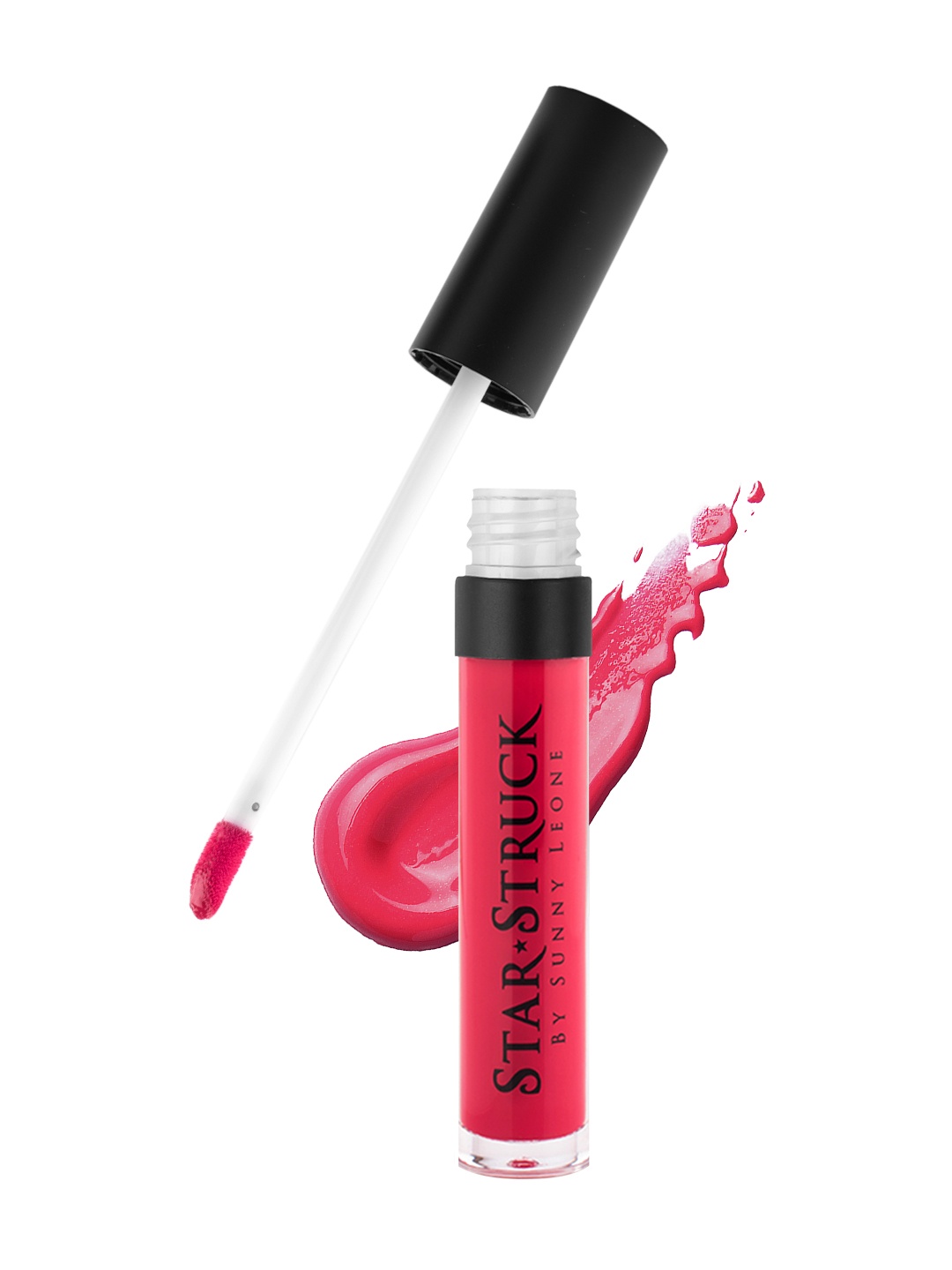
4. Glosses and lipsticks: Modern formulas often include long-wear and transfer-proof benefits.
What We Recommend: Forest Essentials Tinted Plumping Lip Serum Gulab Jal
5. DIY lip balms: Using ingredients like beetroot or pomegranate can provide a subtle, natural tint without harmful side effects.
These options are tested for lip safety and offer more consistent results compared to experimental methods like henna application.
The henna-on-lips trend may be gaining traction for its promise of a natural, long-lasting tint, but early user experiences suggest it may not be worth the risk. From burning sensations and uneven colour to potential long-term pigmentation issues, the downsides appear to outweigh the benefits.
While curiosity and experimentation are part of beauty culture, it is important to approach viral hacks with caution, especially when they involve sensitive areas like the lips.
As the Reddit user succinctly put it: "Stay safe and don't bother doing this."
For those chasing that perfect lip stain, sticking to products designed specifically for the job may be the smartest, and safest, choice.
Frequently Asked Questions (FAQs)
1. Is it safe to apply henna on lips?
No, applying henna on lips is not considered safe, especially when using cone henna that may contain chemicals. It can cause irritation, burning, and uneven pigmentation.
2. Why does henna burn on lips?
Henna cones often include chemical dyes and additives that are too harsh for the delicate skin of the lips, leading to a burning sensation.
3. Does henna give a natural lip tint?
Henna initially gives an orange stain which later oxidises into brown. This may not look natural on lips and can appear uneven or dull.
4. Can henna cause lip pigmentation?
Yes, irritation from henna can potentially lead to post-inflammatory hyperpigmentation, making lips appear darker over time.
5. What are safer alternatives to henna for lip stain?
Safer options include water tints, lip stains, cream tints, tinted balms, and DIY natural stains using ingredients like beetroot.
(Disclaimer: This article may include references to or features of products and services made available through affiliate marketing campaigns. NDTV Convergence Limited (“NDTV”) strives to maintain editorial independence while participating in such campaigns. NDTV does not assume responsibility for the performance or claims of any featured products or services.)