Built By Her, For Her: Top 7 Homegrown Beauty Brands Redefining The Industry
From skincare to haircare and make-up, discover seven homegrown Indian beauty brands founded by women who understood local needs firsthand and built thoughtfully for Indian skin, hair, and lived realities.
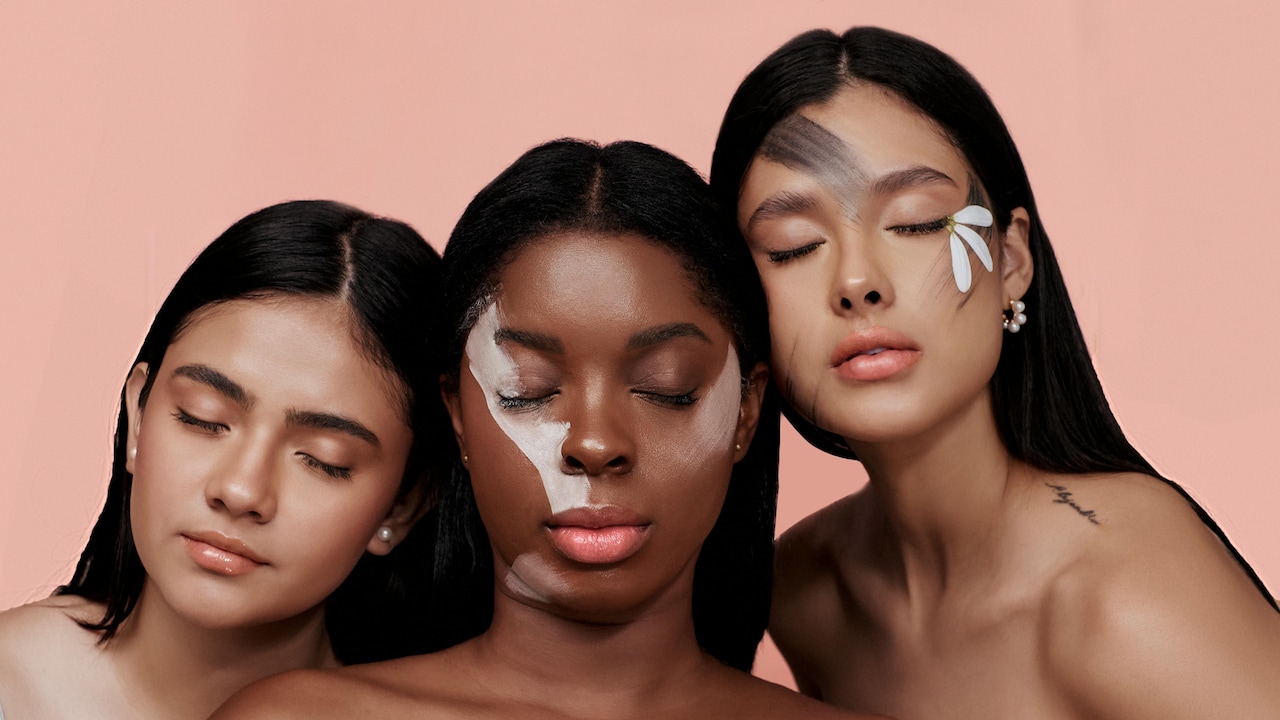
Building from within culture changes the outcome.
In the Indian beauty landscape, progress has often arrived quietly. Long before "representation" became a talking point, countless women were already navigating formulations that did not account for their climate, hair texture, or skin behaviour. What was marketed as universal rarely felt personal. And so, rather than waiting for the industry to catch up, some chose to build something of their own.
These are not stories of overnight success or borrowed aesthetics. They are stories shaped by daily lived experiences, of hair that behaves differently in humidity, of skin sensitised by pollution, of features that refuse to conform to imported beauty standards. Each brand here was born from proximity rather than distance, understanding rather than assumption.
Also Read: What Is Baking In Make-Up? A Modern Technique Explained With Ease
Together, they mark an important shift: beauty created from within cultural context, built by women who knew precisely what had been missing.
Top 7 Homegrown Beauty Brands In India
1. d'you By Shamika Haldipurkar

Click To Order d'you Products From Tira
Photo Credit: Tira
d'you emerged from a deeply personal place. For Shamika Haldipurkar, skincare was not about excess but intention. Having lived with sensitive, reactive skin, she was closely familiar with how overwhelming ingredient lists and aggressive formulations could feel. What began as a search for balance evolved into a philosophy rooted in simplicity.
The brand's approach is deliberately edited. Rather than offering endless steps, d'you centres on restraint, products that acknowledge modern skin's exposure to stress, pollution, and inconsistency. The emphasis is not correction, but steadiness. The brand's visual language mirrors this ethos, choosing sophistication over spectacle.
Shamika's work reflects a growing confidence among Indian founders: the belief that skincare need not be performative to be effective, nor explanatory to be credible. d'you stands quietly, trusting that clarity will find its audience.
2. Indē Wild By Diipa Buller‑Khosla

Click To Order Indē Wild Products From Tira
Photo Credit: Tira
Indē Wild occupies an interesting space between heritage and modernity. Founded by Diipa Buller‑Khosla, the brand draws from ancient Indian wellness traditions while presenting them through a contemporary lens. Growing up between cultures, Diipa was acutely aware of how often beauty narratives excluded South Asian skin and hair, even when drawing inspiration from them.
The brand's vision is deeply diasporic, rooted in Indian rituals but expressed in ways that feel accessible across borders. Rather than romanticising tradition, Indē Wild contextualises it, acknowledging both its strengths and the need for evolution.
At its core lies a reclamation: of ingredients, rituals, and narratives that once belonged exclusively to personal homes rather than glossy shelves. Diipa's journey reflects a generation of women who are reshaping cultural memory with confidence rather than nostalgia.
3. LoveChild by Masaba By Masaba Gupta
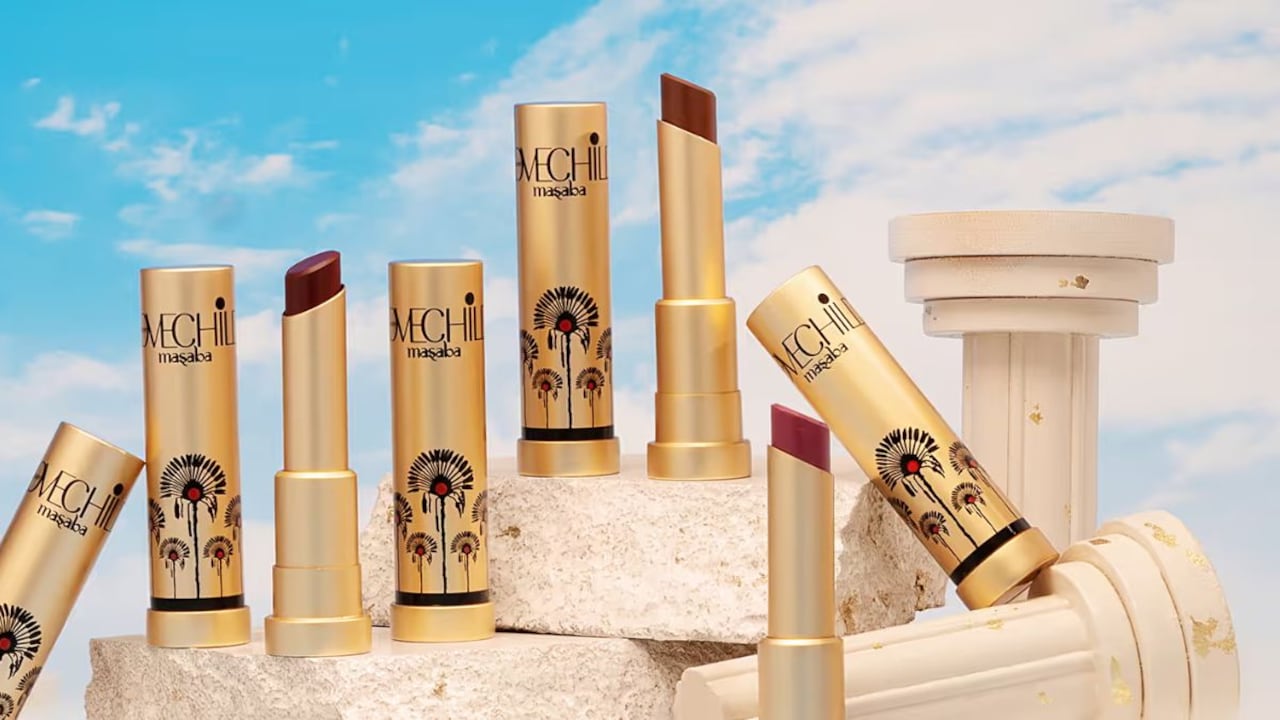
Click To Order Love Child By Masaba From Tira
Photo Credit: Tira
Masaba Gupta has always occupied her own creative space, unburdened by convention. LoveChild by Masaba is a natural extension of that defiance. The brand does not attempt to dilute personality; instead, it celebrates individuality through colour, texture, and self‑expression.
For Masaba, beauty is deeply intertwined with identity: fluid, playful, and personal. Growing up under constant public scrutiny, she understands the pressure to conform. LoveChild resists that impulse, choosing to honour originality instead. It speaks to those who have long felt underserved by narrow definitions of presentation.
What makes LoveChild distinctive is not just its aesthetic boldness, but its underlying confidence. It does not ask permission to take up space. In doing so, it reframes beauty as something expansive rather than exclusive.
4. FAE Beauty By Karishma Kewalramani
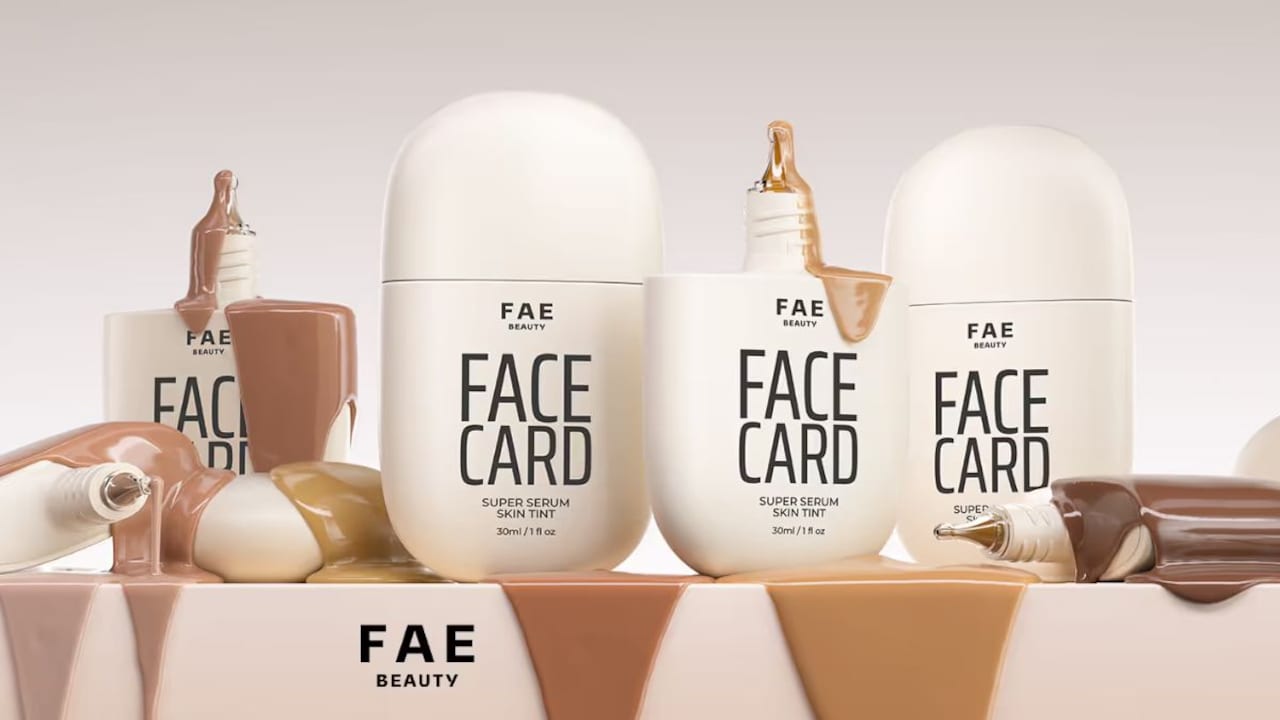
Click To Order FAE Beauty From Tira
Photo Credit: Tira
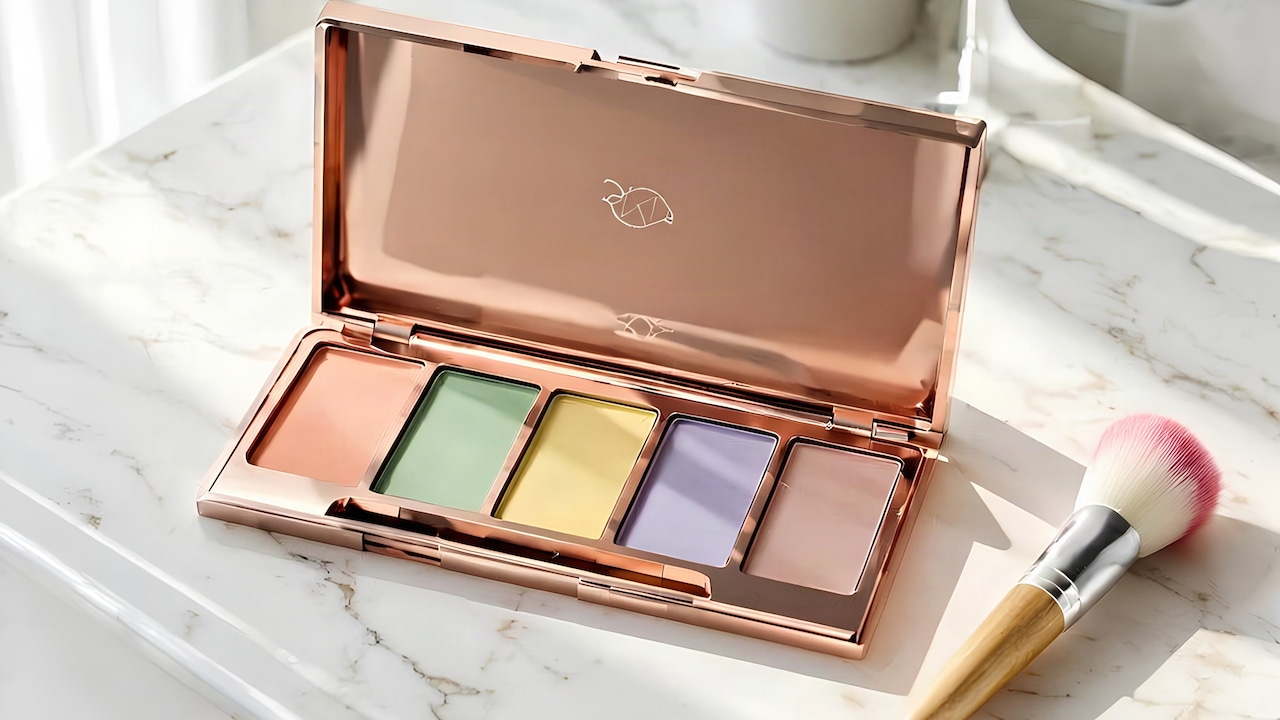
FAE Beauty was built around absence, specifically, the absence of shade inclusivity within Indian beauty. Karishma Kewalramani saw firsthand how undertones, depth, and representation were often overlooked, leaving many individuals adapting products not meant for them.
FAE's philosophy is anchored in honesty. It recognises that Indian skin is not monolithic, nor should it be treated as such. Instead of offering token solutions, the brand began with a clear intent: to reflect reality as it exists.
Beyond formulation, FAE champions transparency and dialogue, encouraging users to see themselves as collaborators rather than consumers. Karishma's work underscores a larger truth, that inclusivity is not a marketing strategy, but a starting point.
5. Fix My Curls By Anshita Mehrotra
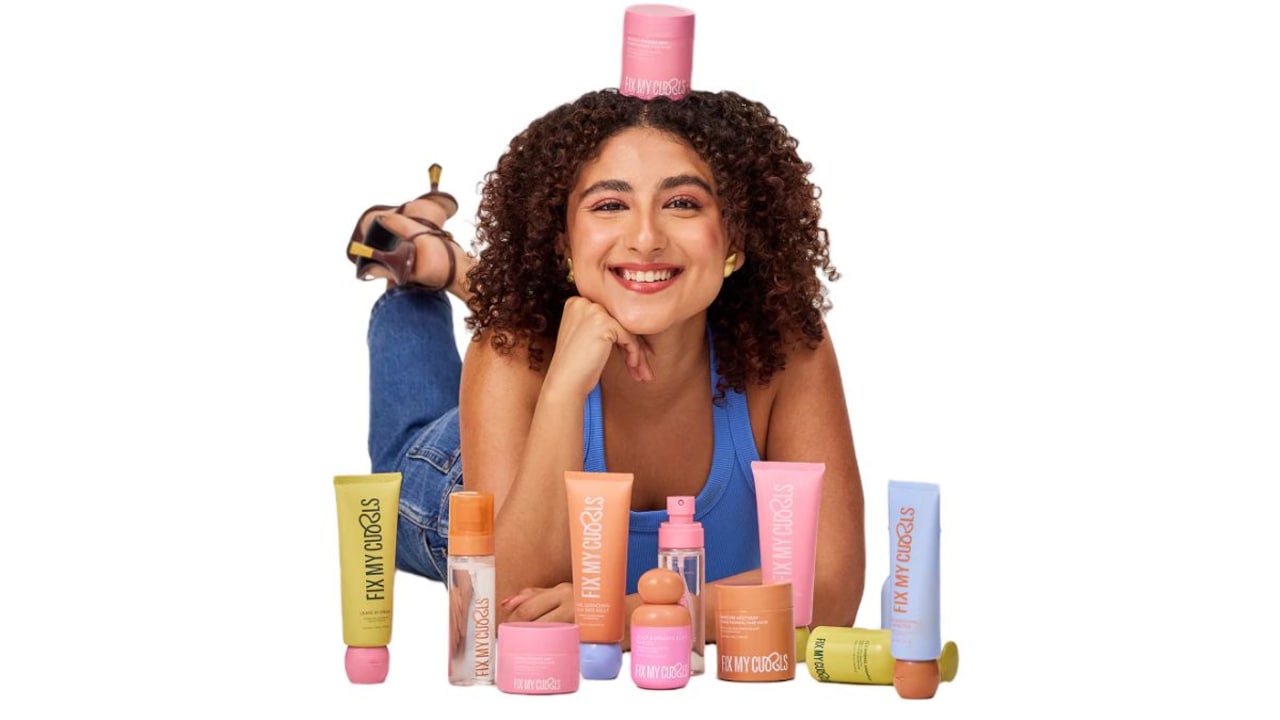
Click To Order Fix My Curls Products From Tira
Photo Credit: Fix My Curls
Fix My Curls began as a conversation, one that had long been missing. Anshita Mehrotra's relationship with her curls was shaped by trial, adaptation, and, eventually, acceptance. Like many in India with textured hair, she navigated a market that offered little understanding and even less guidance.
The brand arose from community rather than authority. Fix My Curls speaks directly to those who had learned to apologise for volume, texture, and unpredictability. Instead of promising control, it promotes understanding.
Anshita's journey highlights how normalised misrepresentation can quietly shape identity. By centring textured hair, she created not just a brand, but a space where hair is no longer something to be explained away.
6. Kiro By Vasundhara Patni

Click To Order Kiro Products From Tira
Photo Credit: Tira
Kiro is rooted in mindfulness, but without rigidity. Founded by Vasundhara Patni, the brand brings together performance and awareness, recognising that one need not be sacrificed for the other. Beauty, in this vision, is a carefully considered choice rather than an impulse.
Vasundhara's background influenced Kiro's emphasis on intentionality, products designed to fit into real lives rather than disrupt them. The brand's understated aesthetic mirrors its philosophy: calm, cohesive, and quietly assured.
In a market often dominated by immediacy, Kiro offers pause. It invites reflection on consumption, routine, and personal alignment, without imposing guilt or obligation.
7. The Derma Co By Ghazal Alagh

Click To Order The Derma Co From Tira
Photo Credit: Tira
The Derma Co stands at the intersection of accessibility and information. Co‑founded by Ghazal Alagh, the brand addresses a growing appetite for ingredient‑led skincare while remaining mindful of Indian skin's environmental context.
Ghazal's approach is both analytical and empathetic. She recognised that while consumers were becoming more informed, they were also overwhelmed. The Derma Co's clarity lies in its effort to demystify rather than intimidate.
Importantly, the brand acknowledges that education should empower, not alienate. In doing so, it bridges the gap between scientific language and everyday understanding.
More Than Just Brands
What brings these founders together is not simply their success, but authorship. Each brand emerged from lived experience, of navigating Indian skin, hair, climate, and cultural expectations without adequate representation. These women did not build in response to trends; they built in response to themselves, and in doing so, extended that understanding outward.
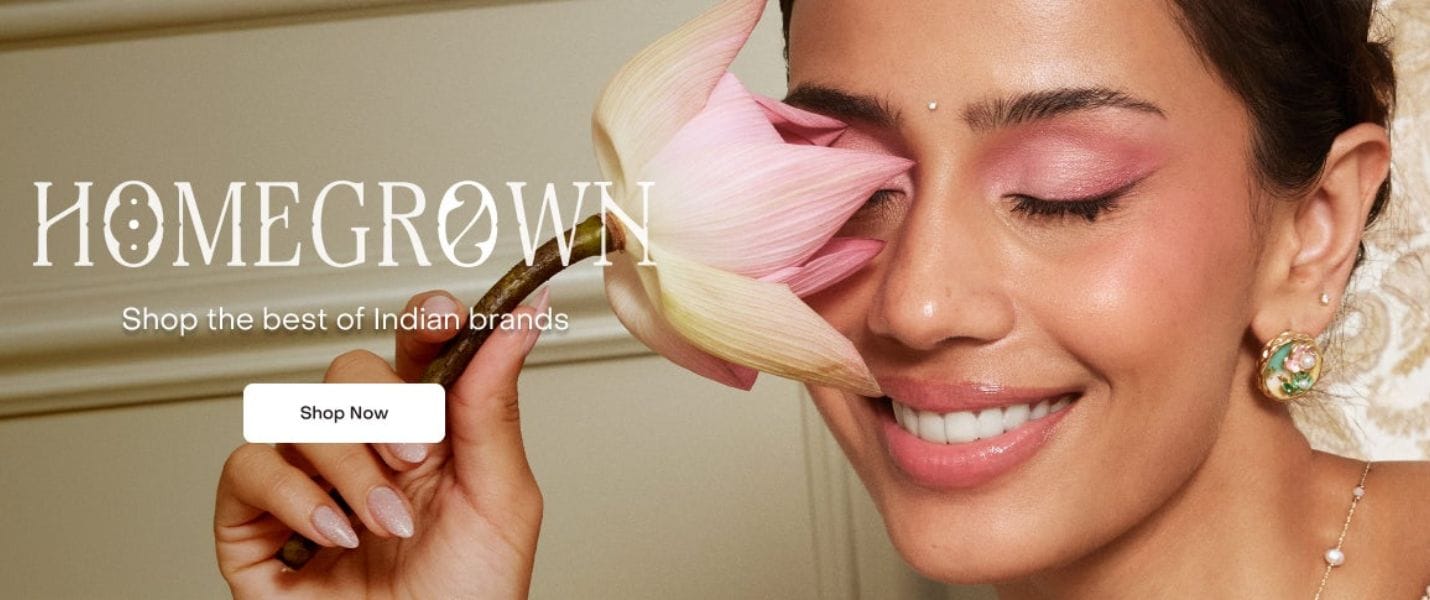
Indian beauty is diverse, nuanced, and deeply contextual.
Photo Credit: Tira
There is also a quiet power in seeing these stories collected in one place. Platforms like Tira have become important precisely because they allow such voices to coexist, distinct yet connected. By bringing together homegrown brands founded by women, Tira reflects a broader shift in the beauty landscape: one where creators who understand context are given space alongside global names, without being overshadowed.
For many, discovery begins with access. Knowing where to find brands that speak the same language, of climate, routine, and reality, can make all the difference. Tira offers that continuity, making it easier to explore Indian women‑led brands without searching in fragments. It becomes less about consumption and more about connection, between founder, formulation, and the individual choosing it.
Importantly, this ecosystem supports women on both sides of the counter: those who build, and those who seek. It recognises beauty not as a static ideal, but as something evolving, shaped by geography, experience, and self‑awareness.
Each of these homegrown brands is available on Tira, allowing you to engage with their stories and philosophies at your own pace. Whether you are discovering them for the first time or returning with familiarity, Tira serves as a thoughtful starting point, one that honours the work of women who built with intention, and invites you to participate in that journey with equal consideration.
Frequently Asked Questions (FAQs)
1. What does “homegrown beauty brand” mean?
Homegrown beauty brands are those founded and developed within India, shaped by local climate, culture, and consumer needs rather than global templates.
2. Why are women‑founded beauty brands significant in India?
Women founders often bring lived experience into product development, allowing for a more intuitive understanding of Indian skin tones, hair textures, and everyday concerns.
3. Are these brands designed only for women?
While founded by women, these brands are inclusive in approach. They focus on individual needs, not restrictive definitions of beauty or gender.
4. How do Indian beauty brands differ from international ones?
They tend to be more attuned to regional climates, pollution levels, genetic diversity, and cultural practices that influence skin and hair behaviour in India.
5. Why has there been a rise in women‑led beauty brands recently?
Greater access to information, community dialogue, and entrepreneurial platforms has enabled more women to create brands that reflect unmet needs they personally experienced.
(Disclaimer: This article may include references to or features of products and services made available through affiliate marketing campaigns. NDTV Convergence Limited (“NDTV”) strives to maintain editorial independence while participating in such campaigns. NDTV does not assume responsibility for the performance or claims of any featured products or services.)