How To Care For Hair In The Drier Winter Months
Wondering how to care for your lovely hair in the drier winter months? Learn simple ways to wash, moisturise and protect dry, frizzy hair during winter.

How To Care For Hair In The Drier Winter Months
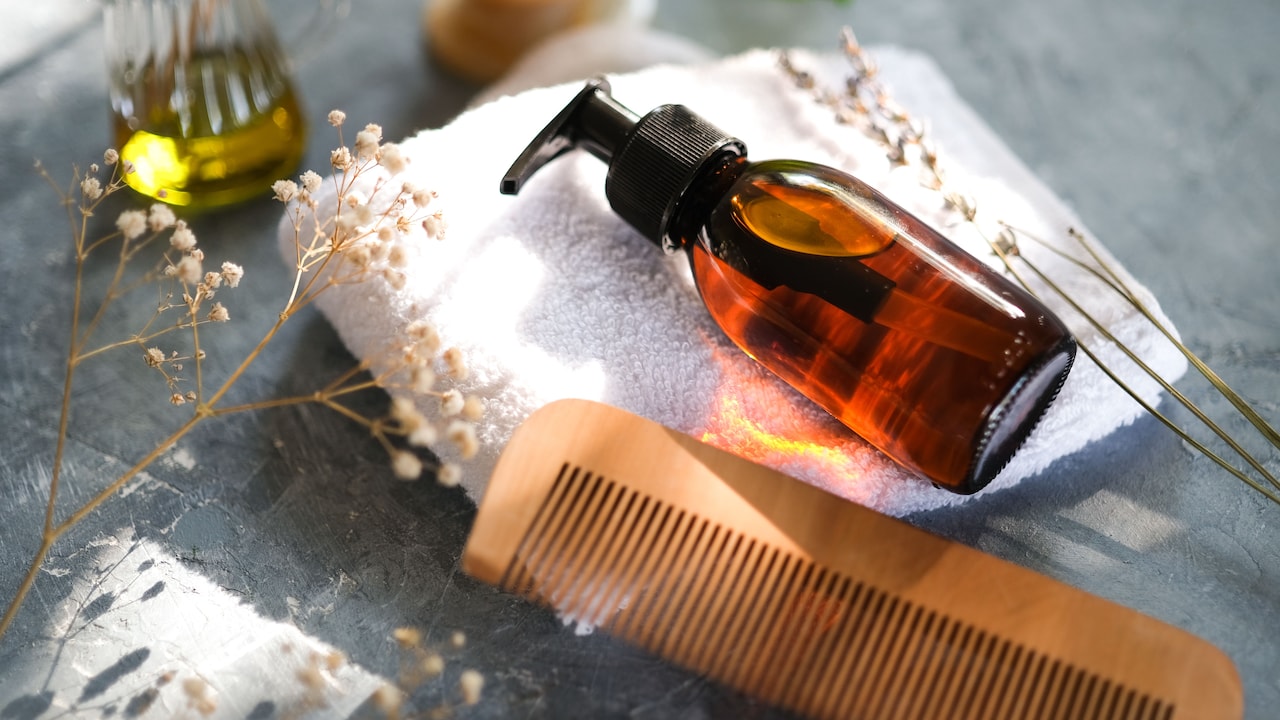
Winter has a way of making hair behave differently. One day it feels soft and manageable, and the next morning there are flyaways everywhere, rough ends and a scalp that somehow feels much drier than usual. The colder, drier air can make hair lose moisture more easily, while hot showers, indoor heating and frequent styling can add to the problem. For many people, winter is also the season when dryness, frizz, and scalp flaking become more noticeable. So, how should you actually change your routine when winter arrives? A few small adjustments to washing, conditioning, oiling and everyday hair handling can make the season much easier on your hair.
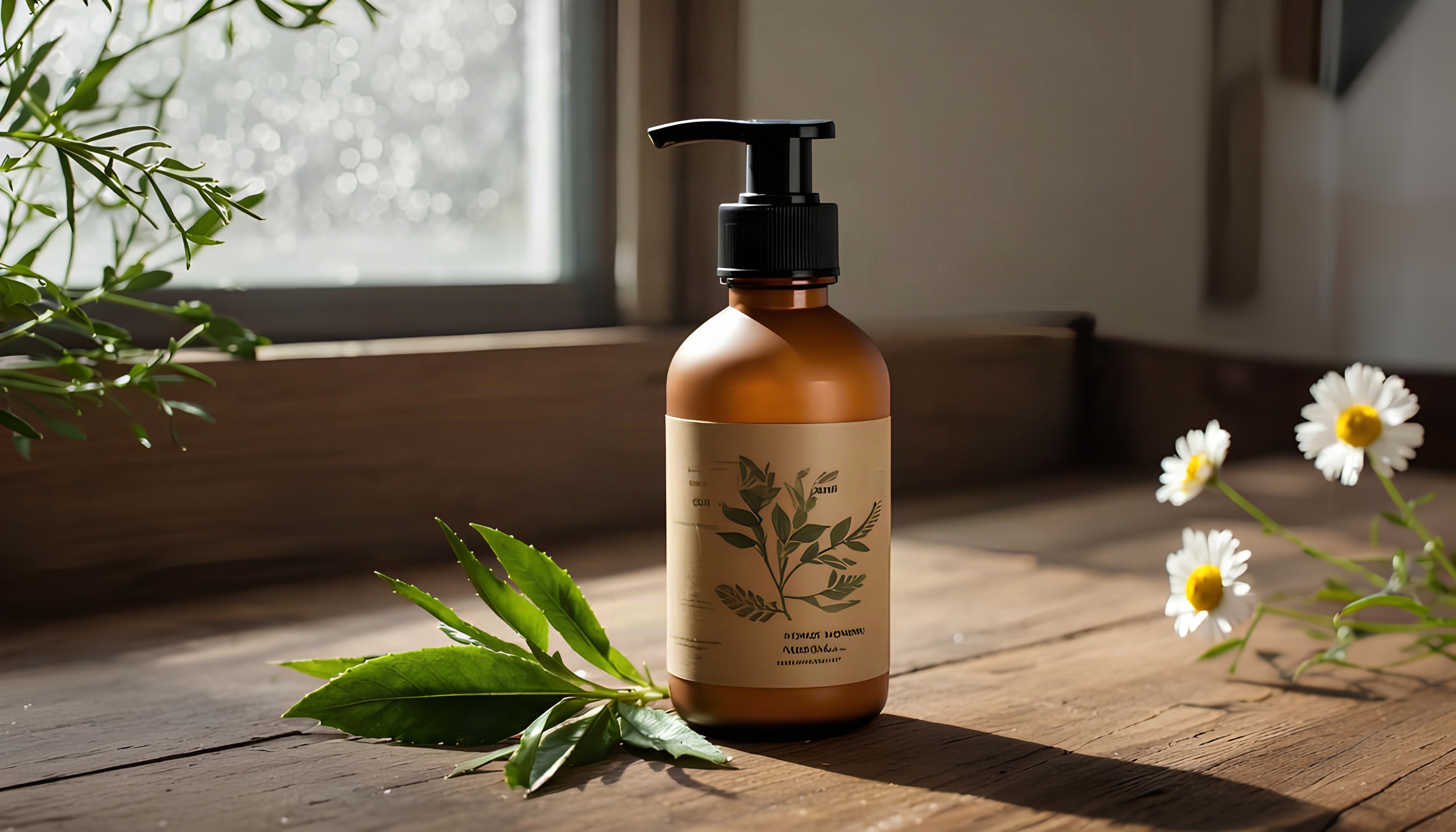
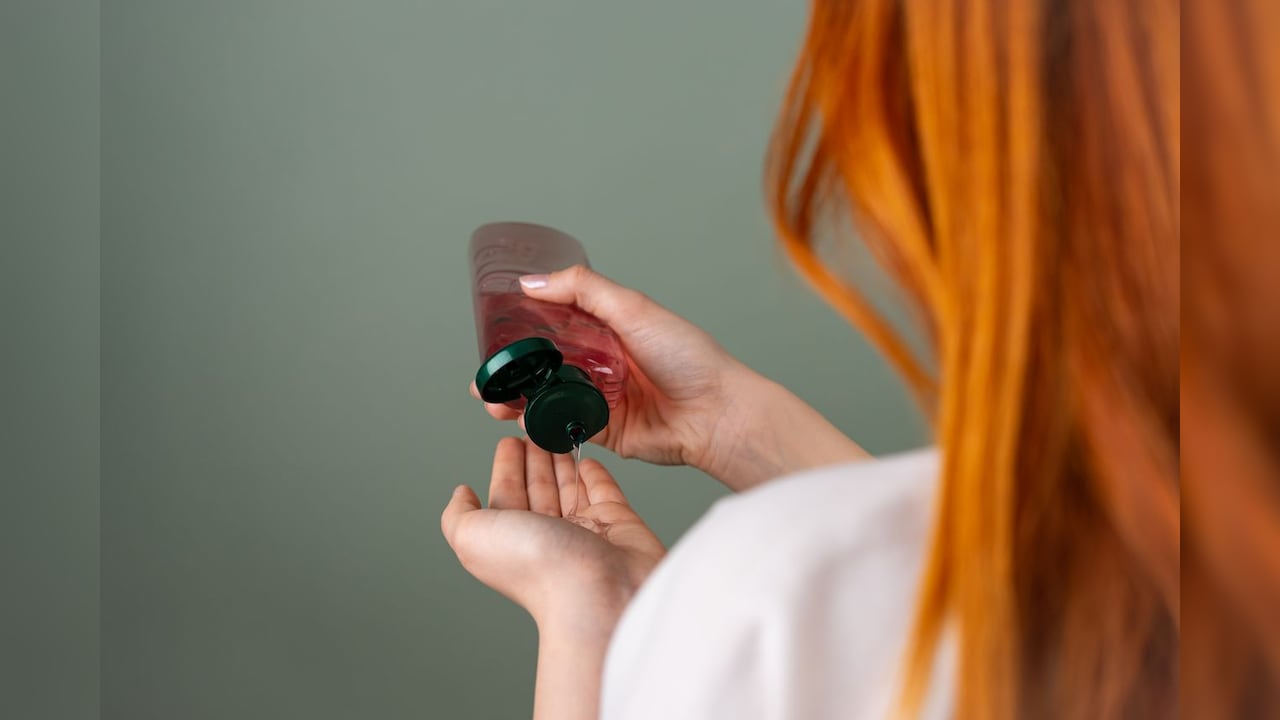
Why Does Hair Feel Drier In Winter?; Photo Credit: iStock
Why Does Hair Feel Drier In Winter?
The problem isn't the harsh weather conditions alone. Lower humidity and temperature, along with heating in the house and in the shower, can make hair drier and frizzier.
1. Notice When Your Hair Starts Feeling Dry
Don't wait until your ends feel dry and brittle. If your hair becomes rough and hard to comb, tangles easily or gets frizzier, it is likely in need of moisture.
The easiest way to understand your hair is to pay attention to it between washings. Sometimes, it is not about adding ten more haircare products to your cabinet; your routine needs some improvement to be gentler.
2. Give Your Scalp Some Attention Too
Winter dryness can show up on the scalp as well, especially when the weather becomes colder and less humid. It may feel tight, itchy or flaky, which can make you want to shampoo more often.
That can sometimes make dryness worse. If scalp flaking is persistent or severe, it is better to speak with a dermatologist rather than treating every flake as ordinary dryness.
Also Read: How To Care For Hair As October Turns Dry
How Should You Wash Hair During Winter?
Your winter hair routine doesn't need to become complicated. The bigger change is usually about how you wash, rather than adding another step to the shelf.
1. Avoid Very Hot Water
A steaming shower might feel perfect on a cold morning, but very hot water isn't especially helpful for dry hair. Use warm water instead, as drastic temperature changes can affect moisture and leave hair more brittle.
Keep the water comfortably warm while washing your hair. You don't need to make the shower cold, either. That small change itself can make the routine feel less dry.
2. Don't Over-Wash Just Because It's Winter
Hair still needs its natural oils, and too frequent washing can strip them away. Depending on your hair and scalp condition, the optimal frequency varies. If your scalp is oily quickly, you need to wash it more often, while dry or curly hair requires less washing.
How Can You Add More Moisture To Dry Hair?
This is where winter hair care becomes a little more intentional. Cleansing removes dirt and buildup, but conditioning helps bring back some of the softness your hair is missing.
1. Never Skip Conditioner After Shampoo
Apply the conditioner mainly onto the lengths and ends, especially if the roots become oily. Leave it on for the prescribed time and rinse thoroughly. A leave-in conditioner may help dry or frizzy hair between washes.
2. Use a Hair Mask When Your Hair Needs Extra Care
A hair mask doesn't have to become a daily ritual. Once a week can be enough for many people who simply want some additional conditioning during the colder months. Look for a mask that suits your hair concern, rather than one you choose just because the packaging looks moisturising.
What Else Can Protect Hair During Winter?
Moisture is only one part of the routine. How you handle your hair after washing also matters, particularly when the lengths are already feeling dry.
1. Dry Your Hair Gently
Aggressive rubbing of wet hair with a towel can damage fragile strands. Instead, you should gently squeeze the excess moisture from the hair and dry it with a soft towel or T-shirt.
Try not to keep hair soaking wet for hours either. Let it dry properly before heading outside, especially on colder mornings.
2. Keep Heat Styling Under Control
Winter parties, weddings and festive outings can mean more blow-drying, straightening and curling. The occasional styling session isn't automatically a problem, but repeated high heat can make dry hair even harder to manage.
Use a heat-protectant product when using hot tools, and keep the temperature as low as practical for the result you want. On ordinary days, allowing your hair to air-dry can give it a useful break.
Hair Care Products To Consider For Drier Winter Months; Photo Credit: iStock
Hair Care Products To Consider For Drier Winter Months
1. Bare Anatomy Ultra Smoothing Shampoo For Dry & Frizzy Hair, 100 ml
2. Nat Habit Five Oil Fresh Hibiscus Shampoo For Frizzy & Dry Hair, 250 ml
3. TRESemme Hydra Matrix Leave-In Conditioner with Polyglutamic Acid, 50 ml
4. Kapiva Cold-Pressed Extra Virgin Coconut Hair Oil, 250 ml
5. Parachute Advansed Ayurvedic Hot Oil For Dryness Repair
6. Love Beauty & Planet Argan Oil & Lavender Magic Hair Mask, 200 ml
7. L'Oreal Paris Extraordinary Oil Anti-Frizz Serum With Heat Protection, 100 ml
8. Bare Anatomy Expert Ultra Smoothing Serum, 100 ml
Winter doesn't have to mean dry, dull hair. With the right hydration, oiling, and gentle care, you can keep your locks soft and healthy all season. Invest in nourishing essentials during the Amazon sale to protect your hair from winter dryness while enjoying festive prices and self-care benefits daily. Shop now on Myntra.
Frequently Asked Questions (FAQs)
1. How many times should I wash my hair during winter?
There is no universal figure. Increase the intervals between washes in case your hair starts to get dry, but still follow your scalp's condition.
2. Is hot water harmful for dry hair?
Very hot water may worsen the feeling of dryness. Warm water is a better choice for hair washing.
3. Should I apply oil to my hair in winter more often?
You can include oiling in your daily routine if it suits your hair and scalp, but you don't need to add extra oil.
4. Can I use hair serum on dry hair?
Yes, a small quantity of serum should always be applied to the hair ends to give them more shine and smoothness.
5. Why does my scalp become flaky during winter?
Dry air and low temperatures may be a reason for a flaky scalp; however, there may be other reasons for it. If the problem recurs or you experience itching, it is best to consult a specialist.
(Disclaimer: This article may include references to or features of products and services made available through affiliate marketing campaigns. NDTV Convergence Limited (“NDTV”) strives to maintain editorial independence while participating in such campaigns. NDTV does not assume responsibility for the performance or claims of any featured products or services.)