How To Choose A Lip Balm That Provides Lasting Moisture And Protects Against Environmental Damage
Dry lips can make even the brightest smile feel uncomfortable. The right lip balm does more than add shine; it repairs, protects, and keeps moisture where it belongs. This is how to choose one that actually helps.
Dry Lips? Here's How To Pick A Lip Balm That Actually Works
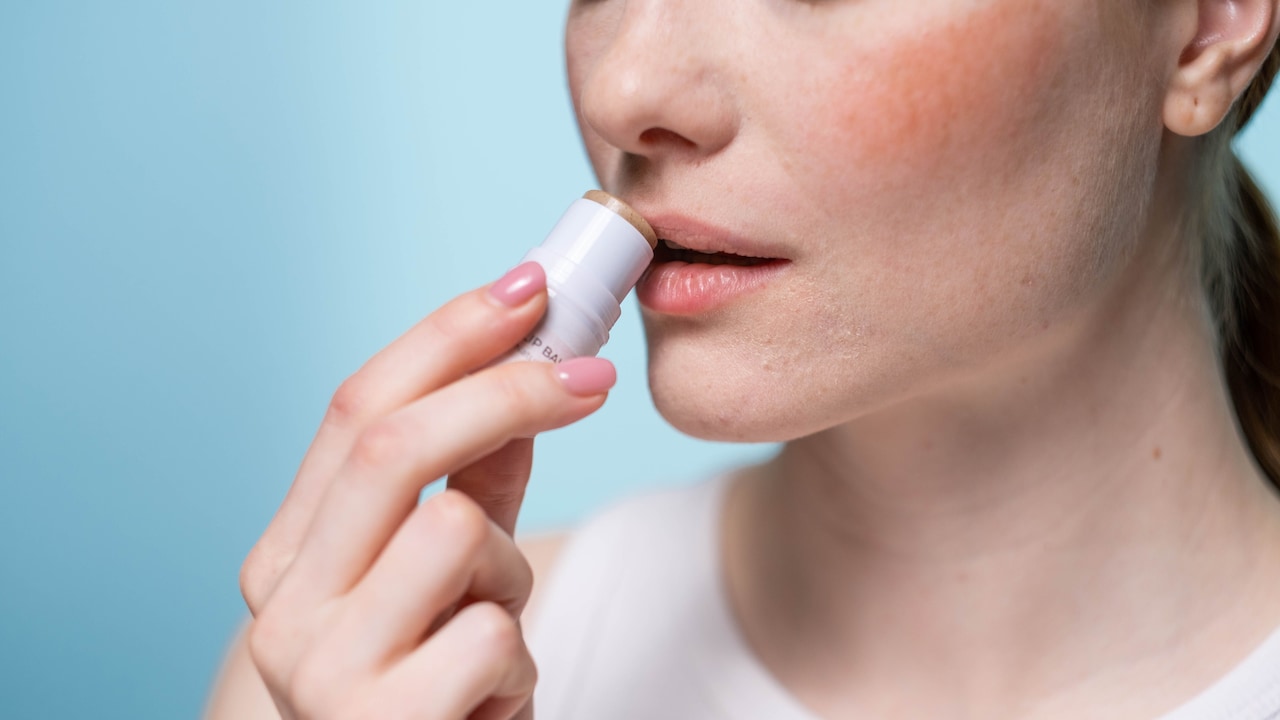
Dry lips have a way of turning up at the worst possible time. A wedding function, a Monday meeting, a quick chai break that turns into a catch-up, and suddenly the lips feel tight, flaky, and slightly dramatic. Many people reach for the nearest lip balm, swipe it on, and hope for magic. Sometimes it works for ten minutes. Then the dryness returns, usually with backup. The problem is not always the weather, the AC, or that extra-spicy plate of chaat. Often, the balm itself does very little beyond sitting like a glossy guest on the surface. It looks busy but contributes almost nothing. A good lip balm should soften rough skin, reduce water loss, support the delicate lip barrier, and protect against sun and pollution. The trick lies in reading the texture, ingredients, and purpose rather than trusting cute packaging or a fruity fragrance. Lips do not have oil glands like the rest of the skin, so they need thoughtful care. Picking the right balm can turn a daily habit into genuine relief.
Dry Lips? Here's How To Pick A Lip Balm That Actually Works; Photo Credit: Pexels
How To Choose A Lip Balm That Actually Works
Choose A Balm With Moisture-Locking Ingredients
The best lip balms work like a well-made tiffin box: everything stays where it should. Dry lips need ingredients that trap moisture and prevent it from escaping. Look for occlusives such as petrolatum, beeswax, lanolin, shea butter, cocoa butter, or plant oils. These create a soft protective layer and help the lips hold on to water.
Petrolatum may not sound glamorous, but it remains one of the most dependable ingredients for cracked lips. Shea butter and cocoa butter feel richer and suit people who prefer a creamier finish. Beeswax gives a firmer texture, which works well in stick balms that need to survive a handbag, office drawer, or scooter ride.
A balm that only adds slip without sealing moisture can feel nice for a few minutes and then disappear. That explains why some balms need reapplication every half an hour. A proper moisture-locking balm should leave lips comfortable, not needy. Think less “pretty shine” and more “tiny winter blanket”.
Also Read: LipLoving Picks: 10 Lip Balms Under ₹300 That Beat AC Dryness Effortlessly
Look For Humectants That Pull In Hydration
Humectants attract water, and dry lips often need that extra sip. Ingredients such as glycerine, hyaluronic acid, honey, aloe vera, and panthenol help draw hydration towards the surface. When paired with a sealing ingredient, they can make lips feel softer and plumper in a natural, comfortable way.
The key phrase here is “paired with”. A humectant alone may not be enough, especially in dry weather or air-conditioned rooms. Without an occlusive layer on top, moisture can escape again, leaving lips feeling tight. That is why a balm with both glycerine and shea butter, or hyaluronic acid and petrolatum, often works better than a watery gel that vanishes quickly.
This matters during long office hours, flights, train journeys, or afternoons spent under a fan. Lips lose water faster than most people realise. A balm with humectants gives hydration a proper invitation, while richer ingredients make sure it stays for the full meal. That combination separates a helpful balm from a decorative one.
Avoid Balms That Sting And Call It Healing
A lip balm should not feel like punishment. Some products create a tingling, cooling, or burning sensation and market it as “active repair”. That sharp feeling may seem satisfying, almost like the balm is doing serious work, but it can irritate already-dry lips.
Common troublemakers include menthol, camphor, eucalyptus oil, peppermint oil, cinnamon flavouring, and strong fragrance. These ingredients can make lips feel fresh at first, then drier later. For some people, they trigger peeling, redness, or a cycle of constant reapplication. The balm becomes less of a solution and more of a clingy habit.
This does not mean every scented balm is evil. A mild fragrance may suit some lips perfectly well. But when lips have cracks, flakes, or soreness, bland usually beats fancy. Choose comfort over drama. If a balm makes the lips tingle every time, it may be time to break up with it. Healing should feel calm, not like biting into extra-spicy pani puri with a paper cut.
Dry Lips? Here's How To Pick A Lip Balm That Actually Works; Photo Credit: Pexels
Pick SPF For Daytime Protection
Lips need sun protection too, though they rarely get invited into the sunscreen conversation. The skin on the lips is thin and delicate, which makes it more vulnerable to sun damage, darkening, dryness, and irritation. A daytime lip balm with SPF can help, especially during commutes, outdoor errands, college hours, sports, or market runs.
Look for SPF 30 if possible, particularly when spending time outdoors. A balm with broad-spectrum protection offers better defence against both UVA and UVB rays. Reapply after meals, tea, coffee, or anything involving chutney, because lip products do not last forever.
Many people use sunscreen on the face and then leave the lips bare. That is like carrying an umbrella but letting one shoulder get soaked. Tinted SPF balms can be useful for those who want colour and care in one step. During the day, SPF matters more than shine. Save the glossy, non-SPF balm for indoors or bedtime, where it can work without competing with sunlight.
Match The Texture To Your Lifestyle
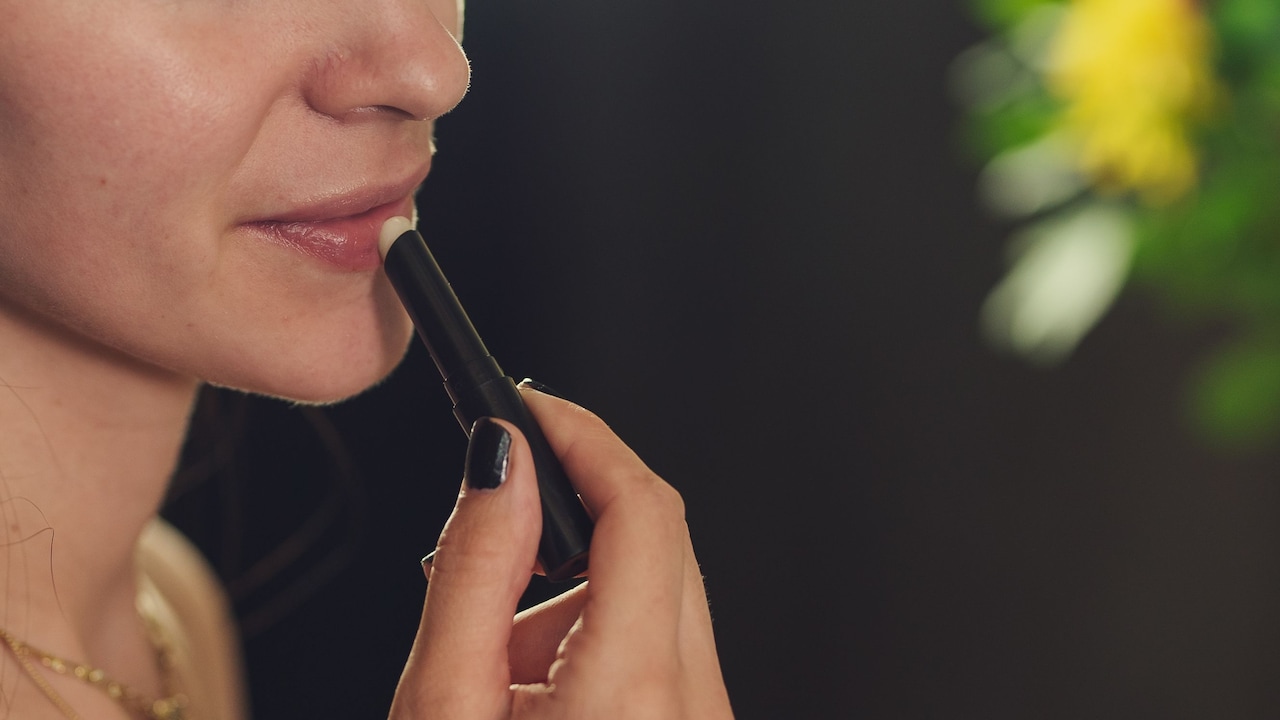
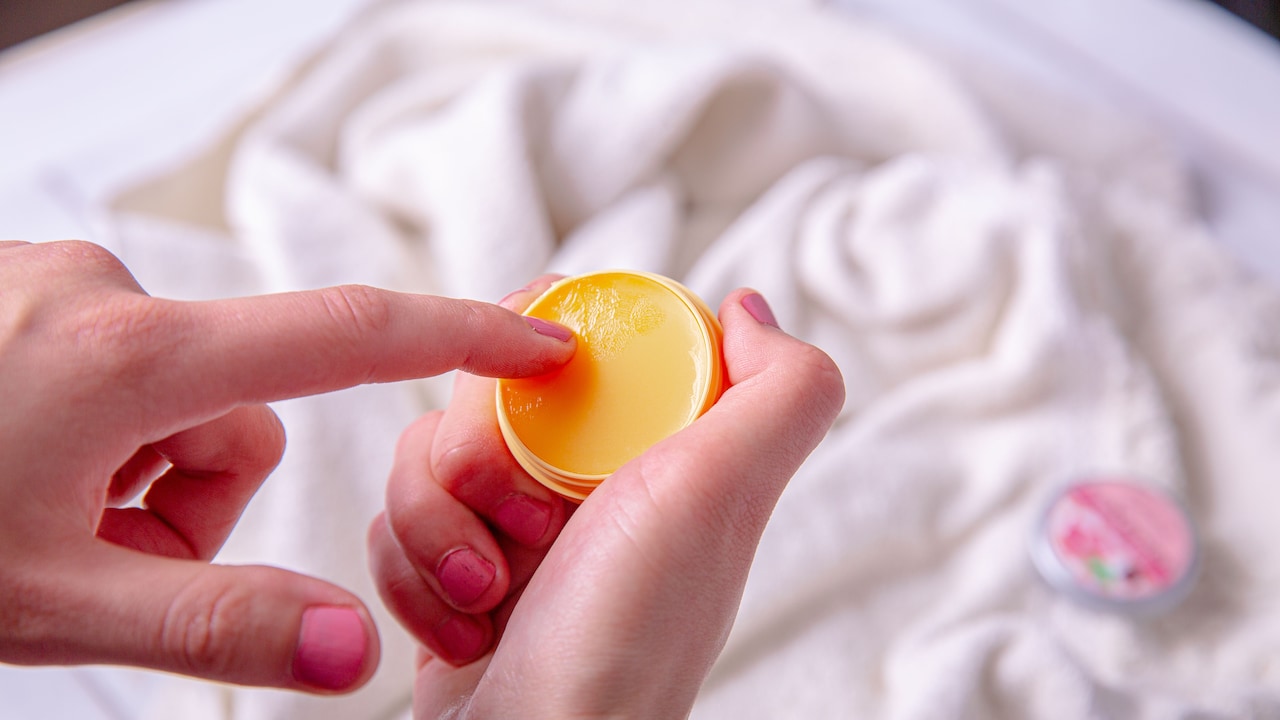
Texture decides whether a lip balm becomes a daily favourite or disappears into a drawer with old receipts. Thick balms in tubs often work beautifully at night because they create a richer layer. Stick balms feel cleaner and easier for daytime use, especially while travelling. Squeeze tubes suit people who want a softer formula without dipping fingers into a pot.
For someone who spends long hours in an air-conditioned office, a slightly waxy stick may offer steady protection. For bedtime, a thicker balm or lip mask can coat the lips better and help repair overnight dryness. During humid weather, very heavy balms may feel sticky, while lighter creams can feel more comfortable.
Lifestyle matters too. A balm for a gym bag needs to survive heat. A balm for a work desk should apply neatly without a mirror. A balm for a nightstand can be richer, messier, and more forgiving. The right formula should fit into real life, not demand a skincare ceremony every time the lips feel dry.
Check For Barrier-Repair Ingredients
Dry lips often signal a weak barrier. The lip barrier protects against wind, saliva, pollution, spice, heat, and constant movement from talking and eating. When that barrier breaks down, lips crack faster and heal slower. A balm with barrier-supporting ingredients can help restore comfort instead of only coating the surface.
Look for ceramides, panthenol, cholesterol, fatty acids, squalane, or niacinamide in gentle formulas. These ingredients support the skin's natural structure and help reduce dryness over time. Panthenol, also called provitamin B5, often appears in soothing balms because it helps calm and soften rough skin.
Barrier repair matters for people who peel their lips, lick them often, wear matte lipstick, or spend time in dry indoor air. A simple waxy balm may protect, but a repair-focused balm adds another layer of care. It is like sending help with tools instead of just placing a plastic sheet over a leaking roof. The goal is not only softer lips today, but lips that cope better tomorrow.
Be Careful With Flavoured Balms
Flavoured balms can feel fun, especially the ones that smell like berries, cola, chocolate, or mango candy from a school canteen memory. The problem begins when flavour encourages lip licking. Saliva gives a quick feeling of wetness, then evaporates and leaves the lips drier. This can create a loop where the balm tastes nice, the lips get licked, dryness returns, and the balm gets applied again.
Strong flavouring can also irritate sensitive lips. Citrus, mint, cinnamon, and artificial candy flavours may cause peeling or burning in some people. A flavoured balm for occasional use is not a crime, but it should not be the main treatment for cracked lips.
For daily repair, choose a plain or mildly scented balm. Keep the dessert-like balms for days when lips feel healthy. Dry lips need boring kindness more than entertainment. A no-nonsense balm may not smell like a bakery, but it is more likely to behave like skincare. When lips are sore, dull, and dependable wins the race.
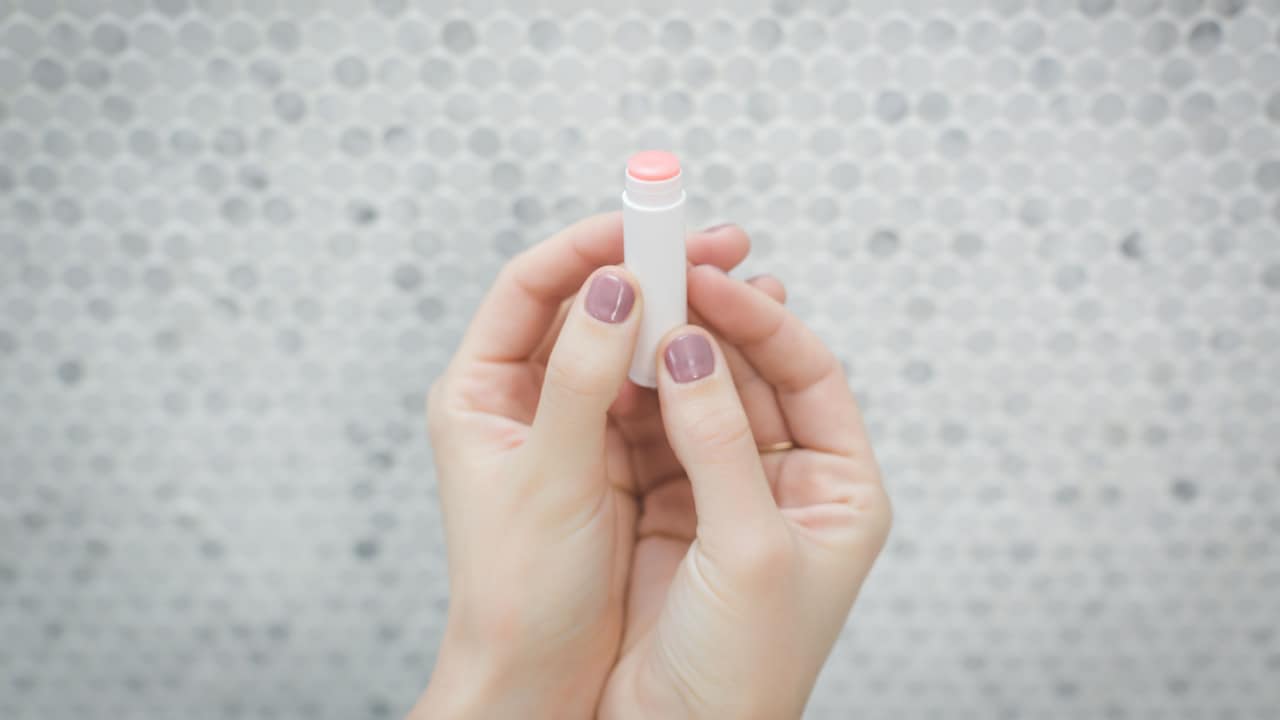
Dry Lips? Here's How To Pick A Lip Balm That Actually Works; Photo Credit: Pexels
Consider Your Lipstick And Makeup Habits
Lip balm and lipstick need to get along. Matte liquid lipsticks, long-wear formulas, lip stains, and heavy liners can make lips feel dry by the end of the day. They often grip the skin tightly, which helps colour last but can leave the lips thirsty. A good balm can reduce that damage, but timing matters.
Before applying lipstick, use a light balm and let it sink in for a few minutes. Then blot gently before colouring. Too much balm underneath can make lipstick slide around, which nobody wants during a family lunch or office presentation. At night, remove lipstick properly and apply a richer balm to help the lips recover.
People who wear lip colour daily should look for balms with barrier support, not just shine. A tinted balm can also replace lipstick on casual days. It gives colour without the same dry, tight feeling. Lip care should not fight makeup. It should quietly support it, like a sensible friend holding safety pins at a festive function.
Pay Attention To Packaging And Hygiene
Packaging may look like a small detail, but it changes how hygienic and useful a balm feels. Stick balms are convenient and reduce finger contact. They suit commutes, classrooms, offices, and public spaces. Tub balms can feel luxurious, but they need clean fingers or a small spatula. In hot weather, they may also melt faster if left in a bag or car.
Tubes offer a good middle path. They keep the product protected and allow controlled application. This helps when lips are cracked and direct rubbing from a stick feels uncomfortable. A slanted applicator can make things even easier.
Also, check how the balm closes. A loose cap in a handbag can create chaos worthy of a soap opera. Dust, crumbs, and mystery particles do not belong in lip care. Good packaging protects the formula and makes regular use easier. The best balm is not only the one with impressive ingredients. It is also the one that stays clean, travels well, and does not require a treasure hunt when lips feel tight.
Know When Dry Lips Need More Than Balm
Sometimes dry lips need more than a better balm. If lips remain cracked, swollen, bleeding, or painful despite regular care, something else may be going on. Allergies, eczema, fungal infections, vitamin deficiencies, certain medicines, dehydration, or frequent lip licking can all play a role. Corners of the mouth that split often may need attention too, especially if they sting while eating.
A balm can protect and support healing, but it cannot fix every cause. If dryness lasts for weeks or keeps returning in the same pattern, speak to a dermatologist. This becomes more important when lips develop severe dark patches, persistent sores, crusting, or unusual swelling.
Everyday dryness usually improves with gentle care, enough water, SPF during the day, and a rich balm at night. But stubborn symptoms deserve proper help. There is no prize for suffering through cracked lips with heroic silence. A good balm should bring steady comfort. If it does not, the lips may be asking for a closer look.
Products Related To This Article
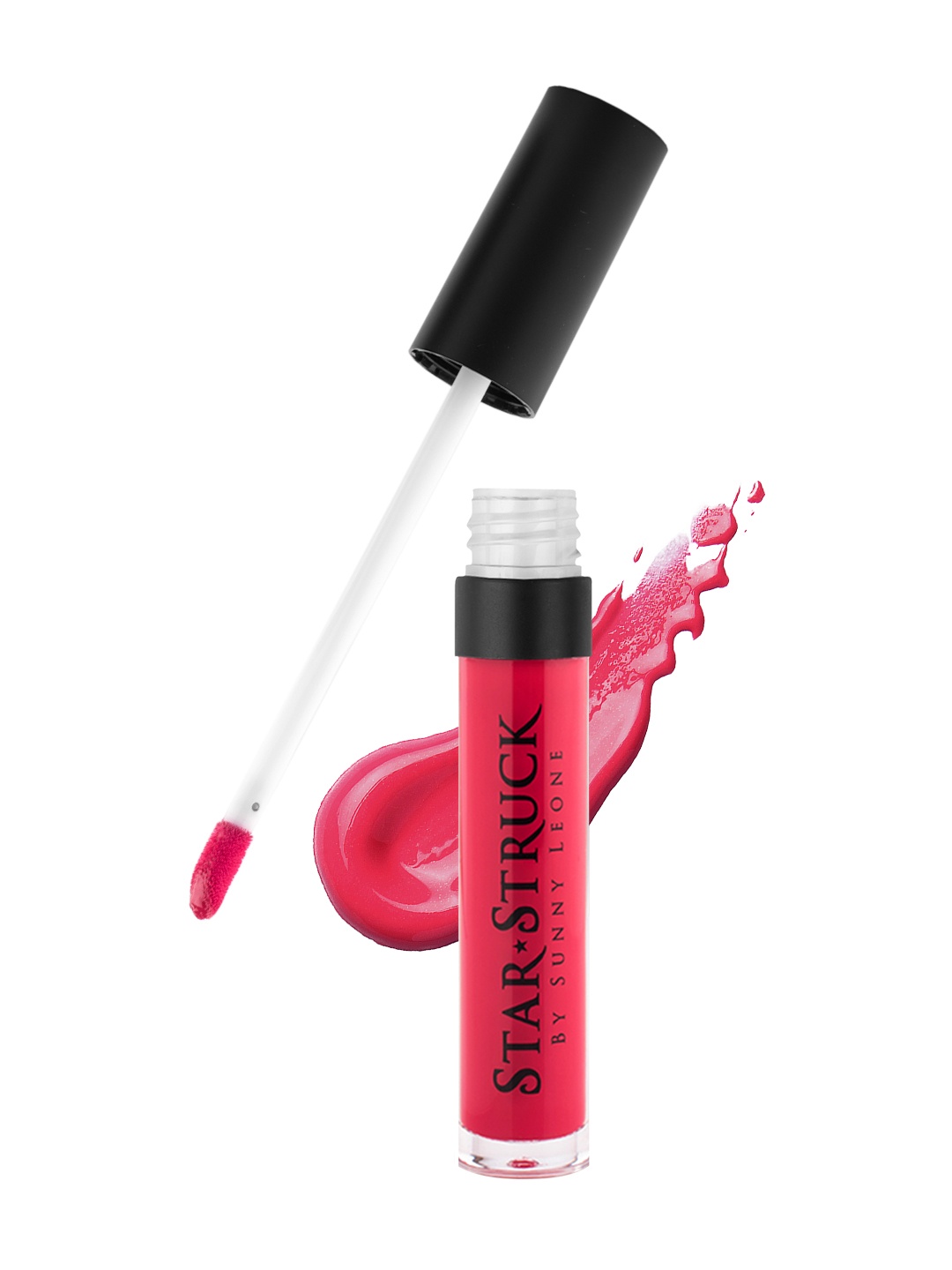
1. Minimalist SPF 30 Lip Balm With Ceramides & Hyaluronic Acid
2. Forest Essentials Rose Lip Balm
3. Bioderma Atoderm Lips Moisturising Stick
4. Treatment Oil-Infused Korean Lip Balm
5. Plum BodyLovin' Banoffee For Brekkie Glassic Lip Balm
6. SEREKO Pigmentation Repair Lip Balm for Dark Lips With Kojic Acid
7. Minimalist Lip Treatment Balm for Pigmented & Dark Lips
Choosing a lip balm should not feel like decoding a beauty counter mystery. The best ones usually do a few simple things well. They attract moisture, seal it in, protect the delicate lip barrier, and avoid irritating ingredients that make dryness worse. A balm that only adds shine may look charming, but dry lips need more than a glossy coating.
For daytime, pick SPF and a comfortable texture that suits real life. For the night, choose something richer and more repairing. Avoid constant licking, strong flavours, and balms that sting in the name of freshness. Pay attention to how the lips respond, because they give honest reviews quickly.
A helpful lip balm feels calm, comforting, and dependable. It does not need dramatic claims, glittery packaging, or a fragrance strong enough to announce itself across the room. When chosen well, it becomes one of those small daily comforts that quietly improve everything: smiling, eating, talking, and stepping out without worrying about flaky lips stealing the spotlight.
Dry lips may be common, but they do not have to be a permanent personality trait. The right balm can do more than sit on top. It can help lips feel soft, protected, and ready for the day.
(Disclaimer: This article may include references to or features of products and services made available through affiliate marketing campaigns. NDTV Convergence Limited (“NDTV”) strives to maintain editorial independence while participating in such campaigns. NDTV does not assume responsibility for the performance or claims of any featured products or services.)