Face Serums Buying Guide: How To Choose Ingredients For Your Skin Concerns
Choose the right face serum for acne, dryness, pigmentation, dullness and fine lines. This guide explains which ingredients suit each skin concern, how to read labels and what to avoid.
Face Serums Buying Guide: How To Choose Ingredients For Your Skin Concerns
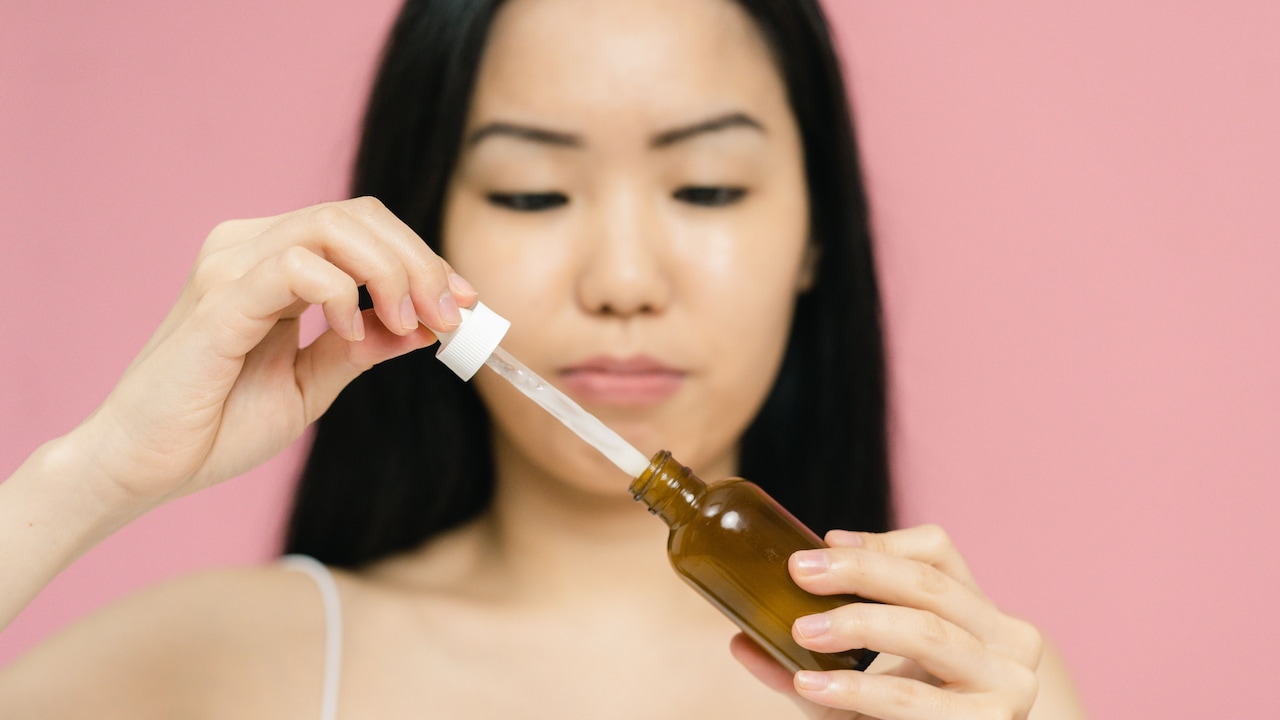
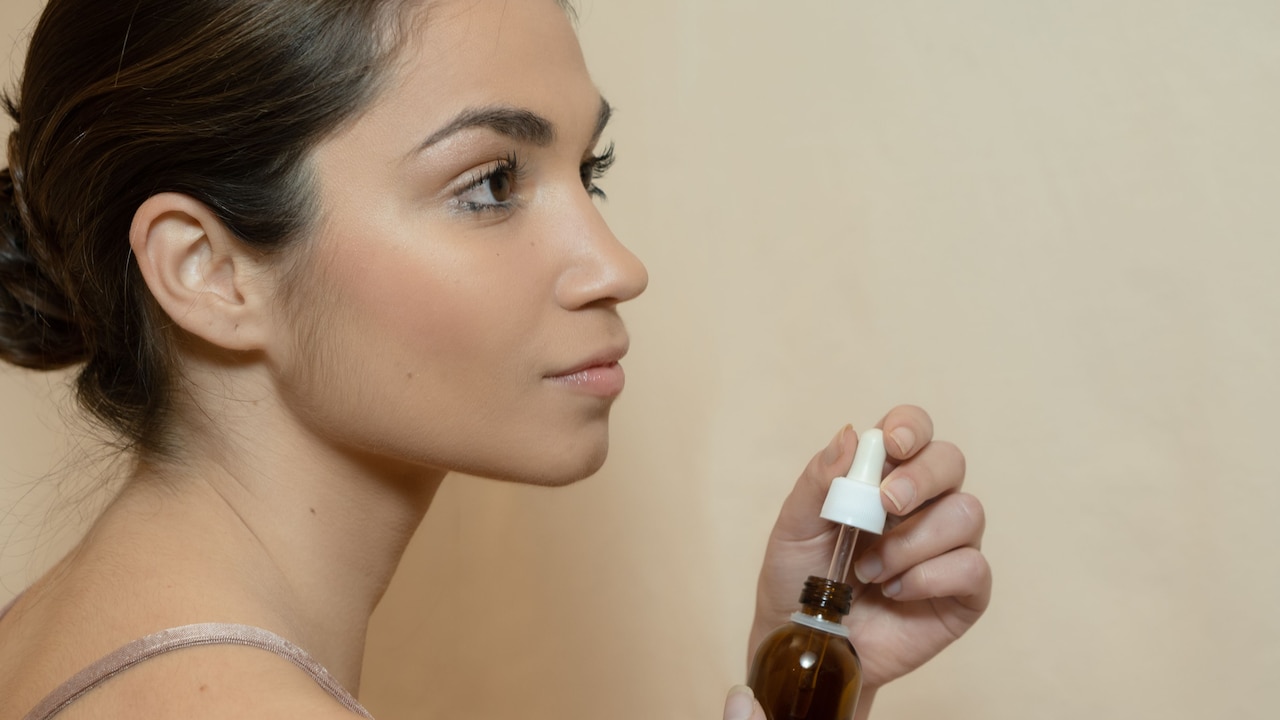
Walk into any beauty store, and the serum shelf can feel like a chemistry exam nobody prepared for. There are droppers, pumps, percentages, acids, vitamins and botanical extracts, all competing for attention. One bottle promises glass skin, another claims to erase years, while a third seems capable of fixing everything except a delayed train. A face serum is a lightweight skincare product designed to deliver concentrated ingredients to the skin. Unlike thicker creams, serums usually absorb quickly and target specific concerns such as pigmentation, dryness, dullness, acne or fine lines. Their concentrated nature makes them useful, but it also means careless choices may lead to irritation, wasted money or an overcrowded bathroom cabinet.
Face Serums Buying Guide: How To Choose Ingredients For Your Skin Concerns
Photo Credit: Pexels
The best serum does not need the fanciest packaging or the loudest online campaign. It needs ingredients that match your skin's needs, lifestyle and tolerance. A ₹700 formula may work better than a ₹3,000 bottle when its composition suits your concern. Smart serum shopping begins with understanding your skin before reading the label.
How To Match Face Serum Ingredients With Your Skin Needs
Identify Your Main Skin Concern First
Before looking at ingredients, decide what you actually want the serum to do. Many shoppers choose products based on popularity rather than purpose. That approach often creates a routine filled with impressive bottles but little improvement.
Observe your skin for a few weeks. Does it feel tight after cleansing? Do pimples appear around stressful days? Are dark marks more troubling than active acne? Does the face look dull despite enough sleep? Choose one main concern and, at most, one secondary concern. Skin rarely responds well when five powerful treatments arrive at once.
Someone dealing with dehydration may benefit more from hyaluronic acid than a strong exfoliating acid. A person worried about post-acne marks may need niacinamide, vitamin C or alpha arbutin instead of another anti-acne treatment. Fine lines may call for retinoids or peptides, while redness may require soothing ingredients such as centella asiatica or panthenol.
Clear goals also protect the wallet. Instead of buying every new launch under ₹999, select one targeted formula and judge its performance over time. Skincare rewards patience more than panic shopping.
Choose Hyaluronic Acid For Dehydrated Skin
Hyaluronic acid has become a skincare favourite because it attracts water and helps the skin appear plumper. It suits most skin types, including oily skin that feels dehydrated. Oiliness and dehydration can exist together, especially after harsh cleansing, excessive exfoliation or long hours in air-conditioned rooms.
Look for serums that combine different molecular weights of hyaluronic acid. Smaller molecules may reach deeper layers of the skin's surface, while larger ones help create a hydrated feel on top. Ingredients such as glycerine, panthenol and beta-glucan can strengthen the formula further.
Application matters. Use the serum on slightly damp skin and follow with a moisturiser. Without a cream to seal in hydration, the serum may leave the face feeling tight, particularly in dry weather. Think of it like offering the skin a glass of water and then forgetting to close the tap.
Hyaluronic acid does not directly treat pigmentation, acne or deep wrinkles. It supports the skin barrier and improves comfort. Choose it when the face feels rough, tired or thirsty, not simply because the label says “intense hydration”.
Pick Niacinamide For Oiliness And Enlarged Pores
Niacinamide, a form of vitamin B3, works well for several common concerns. It can help regulate excess oil, strengthen the skin barrier, reduce the appearance of pores and improve uneven tone. This versatility makes it appealing, but stronger does not always mean better.
Many formulas contain 10 per cent niacinamide, yet beginners may find 4 to 5 per cent more comfortable. Higher concentrations can cause redness, itching or tiny bumps in sensitive skin. A moderate formula used consistently often delivers better results than an aggressive one that gets abandoned after three days.
Look for supporting ingredients such as zinc PCA for oily skin, panthenol for soothing or hyaluronic acid for hydration. Avoid combining several high-strength niacinamide products in the same routine. The ingredient may already appear in cleansers, moisturisers and sunscreens, so check the full routine before adding another layer.
Niacinamide suits humid weather and busy schedules because it usually feels light and works well under sunscreen. It can also help with post-acne marks, though results take time. Expect gradual improvement rather than an overnight filter effect before the next family function.
Select Vitamin C For Dullness And Uneven Tone
Vitamin C can brighten dull skin, support collagen production and protect against environmental damage. It also helps fade uneven pigmentation over time. However, vitamin C serums vary greatly, and the ingredient name on the front label tells only half the story.
L-ascorbic acid is the most researched form, but it can feel irritating and unstable. Beginners may prefer gentler derivatives such as sodium ascorbyl phosphate, magnesium ascorbyl phosphate or ethyl ascorbic acid. These options may act more slowly, but they often suit sensitive or acne-prone skin better.
Choose opaque or dark packaging because light and air can weaken vitamin C. A pump bottle usually protects the formula better than a wide jar. If the serum changes from pale yellow to deep orange or brown, oxidation may have reduced its effectiveness.
Use vitamin C in the morning under broad-spectrum sunscreen. Sunscreen remains essential because no brightening serum can outsmart daily sun exposure. A well-formulated product may cost anywhere from ₹600 to several thousand rupees, but freshness, stability and suitable concentration matter more than luxury branding.
Also Read: How To Do A Pedicure At Home Before Monsoon Season
Use Salicylic Acid For Blackheads And Breakouts
Salicylic acid is a beta-hydroxy acid that travels through oil and helps clear clogged pores. It suits blackheads, whiteheads and oily, acne-prone skin. People who notice congestion around the nose, forehead or chin may find it especially useful.
A serum containing 0.5 to 2 per cent salicylic acid usually provides enough strength for home use. Beginners should start two or three evenings a week rather than applying it daily. Frequent use can strip the skin barrier, leading to dryness, burning and even more oiliness as the skin struggles to compensate.
Look for formulas with soothing ingredients such as allantoin, green tea, centella asiatica or panthenol. Avoid layering salicylic acid with strong retinoids, exfoliating acids or harsh scrubs in the same routine unless a dermatologist recommends it. Skin does not need a full-scale attack to clear a few blackheads.
Salicylic acid may reduce active breakouts, but it cannot treat every type of acne. Painful cysts, persistent inflammation or sudden severe acne require professional advice. A serum can support acne care, but it should not replace proper medical treatment.
Consider Alpha Arbutin For Dark Spots
Alpha arbutin targets uneven pigmentation by slowing excess melanin production. It often appears in serums created for post-acne marks, sun spots and patchy tone. Compared with stronger brightening agents, it usually feels gentler and works well in routines that need a calm, steady approach.
Most cosmetic serums contain alpha arbutin at concentrations of up to 2 per cent. It pairs well with niacinamide, hyaluronic acid and vitamin C derivatives. Such combinations can brighten the complexion without turning the routine into a complicated laboratory project.
Apply the serum consistently and use sunscreen every morning. Pigmentation often deepens with sun exposure, even during short commutes, balcony tea breaks or quick trips to the market. Without sun protection, brightening products end up working like someone mopping the floor while the tap remains open.
Results may take eight to twelve weeks or longer, depending on the depth and cause of the pigmentation. Melasma, hormonal pigmentation and stubborn patches may need professional care. Choose alpha arbutin for gradual correction, not instant fairness claims. Healthy skin tone looks even and comfortable, not unnaturally bleached.

Face Serums Buying Guide: How To Choose Ingredients For Your Skin Concerns
Photo Credit: Pexels
Try Retinoids For Fine Lines And Texture
Retinoids, which come from vitamin A, can improve fine lines, uneven texture, clogged pores and signs of sun damage. Retinol is the most familiar cosmetic version, though retinal and retinyl esters also appear in serums. Each form differs in strength, speed and irritation potential.
Beginners should choose a low concentration and apply it once or twice a week at night. A pea-sized amount for the entire face is enough. Follow with moisturiser, or use the “sandwich” method by applying moisturiser before and after the retinoid. This approach can reduce dryness and peeling.
Do not combine retinoids with strong exfoliating acids in the same routine at first. Give the skin time to adjust. Mild dryness can occur, but persistent burning, swelling or cracking signals that the routine needs a pause.
Retinoids require consistent sunscreen use because the skin may become more sensitive to sunlight. Pregnant or breastfeeding people should seek medical advice before using vitamin A products. Retinoids can deliver impressive results, but they favour discipline over enthusiasm. Applying extra product will not speed progress; it may simply create a very expensive rash.
Look For Ceramides To Repair The Skin Barrier
The skin barrier acts like a protective wall, keeping moisture in and irritants out. Harsh cleansers, over-exfoliation, pollution and frequent product switching can weaken it. Warning signs include stinging, flaking, sudden sensitivity, roughness and redness.
Ceramides are natural fats found in the skin. Serums containing ceramides can support barrier repair, especially when combined with cholesterol and fatty acids. This trio resembles the skin's own protective structure. Ingredients such as squalane, panthenol, oat extract and centella asiatica can also help calm discomfort.
Barrier serums may not provide dramatic before-and-after photographs, but they perform essential work. Strong skin tolerates active ingredients better and loses less moisture. In many cases, repairing the barrier first can improve breakouts, oiliness and dullness without adding another aggressive treatment.
Choose fragrance-free formulas if the skin feels sensitised. Pause strong acids, scrubs and retinoids until comfort returns. A simple routine with cleanser, barrier serum, moisturiser and sunscreen often works better than a ten-step recovery plan. Sometimes the skin does not need motivation; it needs a quiet weekend.
Read The Ingredient List And Packaging
The front of a serum bottle sells a dream. The ingredient list reveals the reality. Ingredients usually appear in descending order, although those present below 1 per cent may follow a different sequence. A star ingredient placed near the end may still work, but marketing should not replace sensible formulation.
Check whether the formula includes fragrance, essential oils or high levels of drying alcohol, especially if the skin reacts easily. Fragrance does not automatically make a product harmful, yet it adds little benefit to a treatment serum. Sensitive skin often prefers fewer unnecessary extras.
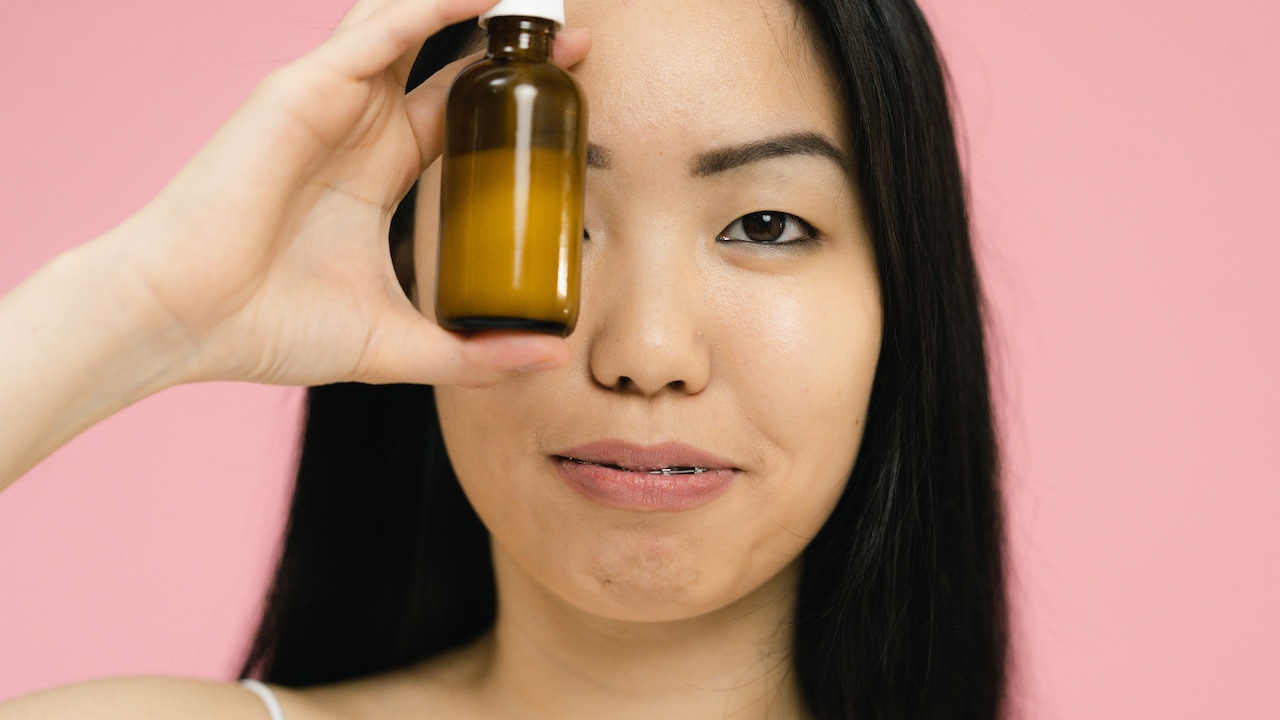
Packaging also affects performance. Airless pumps and opaque bottles protect unstable ingredients such as vitamin C and retinoids. Clear dropper bottles may look elegant on a dressing table, but repeated exposure to light and air can reduce stability.
Review the manufacturing and expiry details before buying, especially during large online sales. A heavily discounted ₹1,800 serum may not feel like a bargain if it expires in two months. Purchase from reliable sellers, store products away from direct sunlight, and keep the cap tightly closed.
Patch Test And Introduce One Serum Slowly
Even a highly rated serum can irritate the wrong skin. Patch testing reduces the risk of a full-face reaction. Apply a small amount behind the ear or along the jawline for several days. Watch for itching, swelling, burning or unusual bumps before using it more widely.
Introduce only one new active serum at a time. This makes it easier to identify what helps and what causes trouble. Adding vitamin C, retinol and salicylic acid during the same enthusiastic Sunday routine may leave the skin confused and the owner equally puzzled.
Start with a low frequency. Hydrating and barrier-supporting serums may suit daily use, while exfoliating acids and retinoids need a slower introduction. Follow the product instructions, but adjust according to your skin's response.
Take photographs in similar lighting every few weeks rather than checking the mirror every morning. Most serums need at least six to twelve weeks for visible improvement. Stop using the product if irritation persists. Skincare should create confidence and comfort, not turn every application into a bravery test.
Face Serums Buying Guide: How To Choose Ingredients For Your Skin Concerns
Photo Credit: Pexels
Products Related To This Article
1. Minimalist Vitamin C 10% Face Serum for Glowing Skin
2. Chemist at Play 10% Vitamin C Face Serum
3. Plum 10% Niacinamide Face Serum with Rice Water
4. Vilvah Store Milk Drops Brightening Serum For Dark Spots and Pigmentation
5. Hyphen Golden Hour 56% Glow Serum
6. Proven Honest Derma 0.3% Pure Retinol Face Serum
7. DR. SHETHS Kesar & Kojic Acid Serum For Dark Spots
Choosing a face serum becomes easier once the focus shifts from trends to needs. Start with one clear concern, select an ingredient with evidence behind it and introduce the formula gradually. Hydration may call for hyaluronic acid, congestion may respond to salicylic acid, while pigmentation may benefit from vitamin C, niacinamide or alpha arbutin. Retinoids can support ageing skin, and ceramides can restore a damaged barrier.
Price alone does not determine quality. A thoughtfully formulated ₹800 serum can outperform a luxurious bottle when it matches the skin and fits the routine. Packaging, concentration, supporting ingredients and regular sunscreen use all influence results.
Most importantly, give the product enough time. Skin follows its own calendar and rarely respects flash-sale urgency. A simple, consistent routine will usually achieve more than a crowded shelf of half-used experiments. The smartest serum purchase is not the one creating the loudest buzz. It is the one that quietly helps your skin feel healthier, calmer and more comfortable.
(Disclaimer: This article may include references to or features of products and services made available through affiliate marketing campaigns. NDTV Convergence Limited (“NDTV”) strives to maintain editorial independence while participating in such campaigns. NDTV does not assume responsibility for the performance or claims of any featured products or services.)